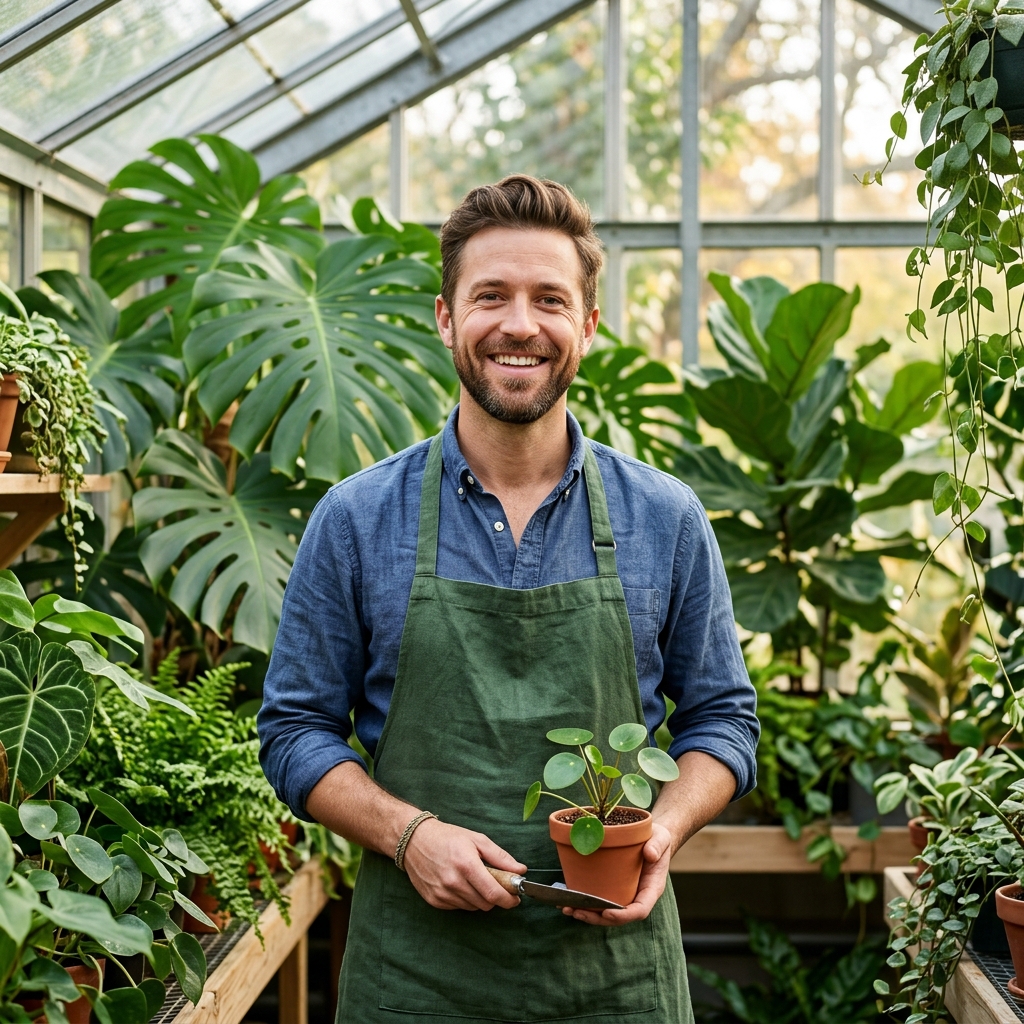
Discover 15 creative small garden ideas to transform your outdoor space and make the most of your garden area!
1. Maximizing Vertical Space: DIY Vertical Garden Ideas for Small Yards

Transforming your small yard into a lush, green sanctuary is entirely possible with DIY vertical garden ideas. By utilizing vertical space, you can enhance your garden’s aesthetics, increase your planting area, and even improve air circulation among plants. Here are some expert tips to help you get started.
Choosing the Right Structure
When planning your vertical garden, consider structures like:
- Wall planters: Use reclaimed wood or pallets to create wall-mounted planters.
- Trellises: Ideal for climbing plants like beans or cucumbers.
- Hanging pots: Suspend pots from hooks or use a vertical garden frame for herbs and flowers.
Step-by-Step Guide to Build a Vertical Garden
- Select your plants: Choose space-efficient varieties like lettuce, strawberries, or succulents.
- Gather materials: Collect pots, soil, and a sturdy support structure.
- Assemble your garden: Arrange your containers vertically, ensuring each plant receives adequate sunlight.
- Water wisely: Implement a drip irrigation system or self-watering pots to conserve water.
Expert Tips and Common Mistakes
To maximize the success of your vertical garden, keep these tips in mind:
- Ensure proper drainage to prevent root rot.
- Rotate plants periodically to promote even growth.
- Avoid overcrowding; follow spacing guidelines for each plant variety.
By implementing these DIY vertical garden ideas, you can effectively utilize your small yard while creating a thriving green space. Remember to choose the right plants, structure, and maintenance practices to avoid common gardening mistakes and achieve the best results!
2. Creating a Container Garden: Top Plants for Limited Spaces

Container gardening is an excellent solution for those with limited space who still wish to cultivate a lush garden. Whether you have a small balcony, patio, or even a windowsill, the right plants can transform your space into a vibrant green sanctuary.
Choosing the Right Plants
When selecting plants for your container garden, consider the following top performers that thrive in limited spaces:
- Herbs: Basil, parsley, and mint offer both culinary benefits and aromatic appeal.
- Compact Vegetables: Varieties like cherry tomatoes, radishes, and lettuce are ideal for pots.
- Flowers: Petunias, marigolds, and geraniums add color and attract pollinators.
Step-by-Step Gardening Guidance
- Select Your Containers: Choose pots with drainage holes. Consider size based on plant growth.
- Use Quality Soil: Opt for potting mix that retains moisture yet drains well.
- Plant Strategically: Arrange taller plants in the back and trailing varieties at the front for visual interest.
- Water Wisely: Ensure consistent moisture but avoid over-watering, which is a common mistake.
Expert Tips and Common Mistakes
To ensure success in your container garden, avoid these pitfalls:
- Neglecting sunlight requirements—most plants need at least 6 hours of direct sunlight.
- Using garden soil instead of potting mix, which can compact and hinder drainage.
- Forgetting to fertilize; use a slow-release fertilizer every couple of months.
By following these best practices and selecting the right plants, your container garden can flourish, bringing beauty and productivity to even the smallest of spaces. Embrace the trend of urban gardening and enjoy the fruits (and vegetables) of your labor!
3. Crafting a Herb Spiral: Efficient Vertical Herb Gardening Techniques

Creating a herb spiral is an innovative and efficient vertical gardening technique that maximizes space while providing an optimal growing environment for your favorite herbs. This method is not only trendy in the realm of Garden DIY but also effective for small urban gardens.
Step-by-Step Guide to Building Your Herb Spiral
Follow these simple steps to craft your own herb spiral:
- Choose Your Location: Select a sunny spot in your garden with good drainage.
- Gather Materials: Use stones, bricks, or recycled materials to form the spiral structure.
- Build the Spiral: Create a circular base, gradually stacking your materials to form a spiral that rises about 1-2 feet high.
- Add Soil: Fill the spiral with a mix of high-quality potting soil and organic compost, ensuring good drainage.
- Select Your Herbs: Choose a range of herbs such as basil, thyme, and rosemary, taking into account their specific light and water needs.
- Plant Strategically: Place water-loving herbs at the bottom and drought-tolerant varieties at the top.
Expert Tips and Common Mistakes to Avoid
- Tip: Use companion planting to enhance growth and deter pests.
- Common Mistake: Overwatering can lead to root rot; ensure adequate drainage in your spiral.
- Best Practice: Regularly prune your herbs to encourage bushier growth and prevent overcrowding.
By employing these efficient vertical gardening techniques, you can enjoy a vibrant herb garden that elevates your culinary creations while optimizing space. Happy gardening!
4. Building a Pallet Garden: Easy and Creative Upcycled Planter Solutions

Creating a pallet garden is an innovative way to upcycle materials while adding a touch of charm to your outdoor space. This eco-friendly approach allows you to cultivate a variety of plants in a small area, making it a trending solution among garden DIY enthusiasts.
Step-by-Step Guide to Creating Your Pallet Garden
- Choose the Right Pallet: Select a heat-treated pallet to avoid harmful chemicals. Inspect it for damage or rot, ensuring it’s sturdy.
- Prepare the Pallet: Clean the pallet thoroughly and sand any rough edges to prevent splinters.
- Positioning: Place the pallet in a sunny spot, as most vegetables and herbs thrive in full sunlight.
- Fill with Soil: Line the back and sides with landscape fabric to retain soil. Fill the pallet with a high-quality potting mix.
- Planting: Choose shallow-rooted plants like herbs, strawberries, or succulents. Space them appropriately for growth.
Expert Tips for a Thriving Pallet Garden
- Water regularly but ensure proper drainage to avoid root rot.
- Use organic fertilizers to promote healthy growth.
- Rotate your crops annually to prevent soil depletion.
Common Gardening Mistakes to Avoid
Avoid overcrowding your pallet with plants, as this can lead to poor air circulation and increased disease risk. Also, be mindful of the sunlight requirements for each plant; some may need more shade than others.
Incorporating a pallet garden into your landscape not only enhances your gardening space but also supports sustainable practices. With the right preparation and care, your pallet garden can flourish, providing you with fresh produce and a beautiful visual display.
5. Incorporating Raised Beds: Best Practices for Small Garden Layouts

Raised beds are an excellent solution for maximizing space in small gardens while improving soil drainage and accessibility. Here are some best practices to enhance your gardening experience.
Choosing the Right Location
Start by selecting a sunny spot, as most vegetables and flowers thrive with at least 6-8 hours of sunlight daily. Ensure that the area has good drainage and is easily accessible for maintenance.
Material Selection
For raised bed construction, consider using rot-resistant materials like cedar or composite wood. Avoid pressure-treated wood due to potential chemical leaching. A typical height of 12-18 inches is ideal for root growth.
Best Practices for Soil and Planting
- Use a quality soil mix, combining topsoil, compost, and peat moss for optimal nutrient content.
- Plan your layout by grouping plants with similar water and sunlight needs to ensure efficient maintenance.
- Utilize vertical gardening techniques, such as trellises, to save space and increase yield.
Common Mistakes to Avoid
Many gardeners overlook the importance of spacing. Avoid overcrowding plants; this can lead to poor air circulation and increased disease risk. Additionally, don’t forget to rotate crops each season to maintain soil health.
Final Thoughts
Incorporating raised beds in your small garden can significantly enhance your gardening success. By following these expert tips, you can create a thriving garden that maximizes your space and productivity.
6. Utilizing Window Boxes: Stylish Ways to Grow Herbs and Flowers

Window boxes are an excellent way to bring a splash of color and fragrance to your home while maximizing limited space. Whether you’re a seasoned gardener or a beginner, growing herbs and flowers in window boxes can enhance your outdoor decor and provide fresh ingredients for your kitchen.
Choosing the Right Plants
When selecting plants for your window boxes, consider the following:
- Herbs: Basil, parsley, and thyme thrive in sunny spots and are perfect for culinary use.
- Flowers: Opt for trailing varieties like petunias or geraniums to create a visually appealing cascade.
Best Practices for Planting
Follow these expert tips to ensure your window box garden flourishes:
- Choose Quality Soil: Use a high-quality potting mix enriched with organic matter to provide essential nutrients.
- Ensure Proper Drainage: Make sure your window box has drainage holes to prevent root rot.
- Group Plants by Needs: Pair herbs and flowers with similar sunlight and watering requirements for optimal growth.
Common Mistakes to Avoid
Many gardeners make these common errors:
- Overwatering—ensure soil dries out slightly between waterings.
- Neglecting sunlight requirements—place your window box where it receives adequate sunlight.
By utilizing window boxes effectively, you can enjoy a stylish and functional garden space right outside your window. With careful planning and adherence to gardening best practices, your window boxes can be a stunning addition to your home, providing both beauty and utility.
7. Designing a Fairy Garden: Miniature Landscapes for Small Spaces

Creating a fairy garden is a delightful way to bring whimsy and enchantment into your outdoor space, especially for those with limited room. These miniature landscapes can be tailored to fit balconies, patios, or small garden plots, making them a perfect DIY project for urban gardeners.
Step-by-Step Guidance
Follow these expert-level steps to design your own fairy garden:
- Select a Suitable Container: Choose a shallow pot, wooden box, or even a repurposed dish to serve as your garden base.
- Choose the Right Plants: Opt for dwarf varieties such as Miniature Roses, Thyme, or Sedum to create a lush landscape. Incorporate moss for a verdant touch.
- Add Fairy Accessories: Use miniature furniture, tiny houses, or decorative stones to create focal points within your garden.
- Layering and Arrangement: Arrange your plants and decorations in layers for depth. Place taller plants in the back and shorter ones in the front.
Common Gardening Mistakes to Avoid
- Overcrowding: Leave enough space between plants to allow for growth.
- Neglecting Drainage: Ensure your container has drainage holes to prevent waterlogging.
- Choosing Incompatible Plants: Select plants that have similar light and water needs.
Current Trends in Garden DIY
Eco-friendly materials and native plants are trending in fairy garden designs. Incorporating recycled materials and using plants that require less maintenance can enhance sustainability while keeping your garden beautiful.
By following these best practices and avoiding common pitfalls, you can create a stunning fairy garden that showcases your creativity and provides a magical escape right at home. Happy gardening!
8. Establishing a Green Wall: Step-by-Step Guide for Indoor and Outdoor

Creating a green wall, also known as a vertical garden, is a fantastic way to enhance your space, whether indoors or outdoors. This guide provides a comprehensive, step-by-step approach to establishing a green wall that not only beautifies your environment but also improves air quality.
Step 1: Choose Your Location
Identify an area that receives adequate sunlight for your chosen plants. For indoor green walls, south or west-facing walls are ideal. Outdoors, ensure your location is sheltered from harsh weather conditions.
Step 2: Select the Right Plants
Opt for a mix of trailing, climbing, and compact plants suited for vertical growth. Consider using:
- Succulents for low-maintenance options
- Herbs like basil and mint for culinary purposes
- Ferns and ivy for a lush aesthetic
Step 3: Prepare Your Structure
Use materials like a wooden frame, wire mesh, or pre-made vertical planters. Ensure the structure allows for proper drainage to prevent root rot.
Step 4: Planting and Maintenance
When planting, start from the bottom and work your way up to avoid disturbing lower plants. Regularly check for pests and water needs. Avoid overwatering, a common mistake, by ensuring your green wall has adequate drainage.
Expert Tips and Best Practices
- Incorporate a drip irrigation system for efficient watering.
- Rotate plants seasonally to keep your green wall vibrant.
- Utilize organic fertilizers to promote healthy growth.
Establishing a green wall is a rewarding gardening project that can transform any space. By following these expert steps, you can create a thriving vertical garden that adds beauty and functionality to your home or garden.
9. Implementing Companion Planting: Maximizing Yield in Small Gardens

Companion planting is a highly effective strategy for maximizing yield in small gardens. By pairing compatible plants, you can enhance growth, deter pests, and improve soil health. This guide provides expert-level advice on how to implement companion planting in your garden.
Understanding Companion Planting
Companion planting involves grouping plants that benefit each other. For instance, plant tomatoes with basil to enhance flavor and repel pests. Similarly, carrots grow well with onions, as they deter each other’s pests.
Step-by-Step Guide to Companion Planting
- Research Plant Pairings: Identify which plants thrive together. Resources like gardening books or online databases can be invaluable.
- Plan Your Layout: Sketch your garden layout, ensuring that companion plants are placed within close proximity.
- Prepare the Soil: Enrich the soil with organic matter before planting to provide a nutrient-rich environment.
- Plant Accordingly: Follow recommended planting times and depths for each species to ensure optimal growth.
- Maintain and Observe: Regularly check for pests and plant health, and be prepared to adjust your strategy as needed.
Common Mistakes to Avoid
- Ignoring Plant Size: Ensure taller plants do not overshadow shorter ones.
- Overcrowding: Space plants adequately to promote air circulation.
- Neglecting Soil Health: Regularly amend soil to maintain nutrient levels.
Best Practices for Success
To maximize your small garden’s yield, embrace the current trend of urban gardening by integrating vertical gardening techniques alongside companion planting. Consider using trellises to support climbing plants and create more space.
By implementing these expert tips and avoiding common mistakes, you can successfully utilize companion planting to enhance your garden’s productivity. Start experimenting today to discover the powerful benefits of this gardening technique!
10. Transforming Corner Spaces: Creative Ideas for Corner Garden Designs

Are you looking to maximize your garden’s potential? Transforming corner spaces into vibrant corner garden designs can enhance your outdoor area significantly. With a blend of creativity and practical gardening techniques, you can create a visually stunning and functional corner garden.
Utilizing Vertical Space
One of the current trends in garden DIY is vertical gardening. Use trellises or wall planters to grow climbing plants such as clematis or ivy. This not only saves space but also adds height and dimension to your corner garden. Here’s how:
- Choose a sturdy trellis and secure it against the wall.
- Plant climbers at the base, ensuring they have adequate sunlight.
- Regularly train the plants to grow along the trellis.
Layering Plants for Depth
To create depth, layer your plants with taller varieties in the back and shorter ones in the front. For instance, use sunflowers or hollyhocks at the back and marigolds or pansies in the front. This arrangement ensures visibility and creates a lush, full appearance.
Avoiding Common Mistakes
While designing your corner garden, avoid overcrowding plants, which can lead to poor air circulation and disease. Always consider the mature size of each plant. Additionally, ensure you have proper drainage to prevent waterlogging, which can be detrimental to plant health.
Best Practices for Corner Garden Designs
- Incorporate pathways or stepping stones for easy access.
- Use contrasting colors and textures to create visual interest.
- Regularly prune and deadhead plants to encourage growth.
By implementing these expert-level gardening tips, you can transform your corner spaces into inviting garden retreats. Embrace the beauty of corner garden designs and enjoy a flourishing outdoor environment.
11. Creating a Pollinator Garden: Attracting Bees in Limited Areas

Designing a pollinator garden in limited spaces can be a rewarding DIY project that supports local ecosystems. By carefully selecting plants that attract bees, you can maximize the impact of your garden, even in small areas. Follow these expert tips to create a thriving environment for pollinators.
Step-by-Step Guidance
- Choose Native Plants: Opt for native flowering plants such as coneflowers, black-eyed Susans, and bee balm. These species are adapted to your local climate and are more attractive to native bee populations.
- Create Layers: Incorporate plants with varying heights to create layers that provide shelter and foraging opportunities. Taller plants can be placed at the back, while shorter varieties fill in the front.
- Mix Flower Shapes and Colors: Diverse flower shapes and colors will attract different bee species. Aim for a mix of tubular, flat, and disc-shaped flowers.
Expert Gardening Tips
- Provide Water: Include a shallow water source with stones for bees to land on.
- Avoid Pesticides: Minimize or eliminate the use of chemical pesticides, which can harm beneficial insects.
- Plant in Clusters: Group plants in clusters to make it easier for bees to find food sources.
Common Mistakes to Avoid
Many gardeners overlook the importance of bloom time. Ensure that your garden has continuous blooms from spring to fall to provide a consistent food source for pollinators.
By following these best practices for creating a pollinator garden, you’ll not only enhance your outdoor space but also contribute positively to local biodiversity. Start your DIY journey today and enjoy the buzz of bees in your garden!
12. Designing a Patio Garden: Stylish Container Arrangements for Small Areas

Creating a patio garden can transform your small outdoor space into a lush retreat. With stylish container arrangements, you can maximize your area while incorporating vibrant colors and textures. Here are expert tips to help you design the perfect patio garden.
Choosing the Right Containers
Select containers that complement your style. Terra cotta, ceramic, and metal pots are popular choices. Consider the following:
- Size: Choose pots that are proportional to your space. Oversized containers can overwhelm small areas.
- Drainage: Ensure each container has drainage holes to prevent waterlogging.
- Style: Mix materials and shapes for visual interest while maintaining a cohesive color palette.
Plant Selection for Maximum Impact
Incorporate a variety of plants to create depth. Consider these options:
- Thrillers: Tall plants like canna lilies or ornamental grasses provide height.
- Fillers: Medium-height blooms such as petunias or geraniums add volume.
- Spillers: Trailing plants like lobelia or bacopa soften edges.
Arranging Your Containers
To create an inviting layout, follow these steps:
- Group containers in clusters for a more cohesive look.
- Vary heights to create visual layers, placing taller plants at the back.
- Experiment with different arrangements before planting to find the most appealing design.
Common Mistakes to Avoid
Many gardeners make mistakes that can hinder the success of their patio gardens:
- Overcrowding containers limits plant growth.
- Neglecting sunlight requirements can lead to poor plant health.
- Forgetting to rotate plants seasonally can result in a dull garden.
By following these expert tips, you can create a stunning patio garden that elevates your outdoor experience. Remember, the key is to choose the right containers, select diverse plants, and arrange them thoughtfully. Happy gardening!
13. Using Hanging Planters: Elevating Your Greenery in Small Gardens

In the world of small garden design, maximizing space is key. One effective solution is incorporating hanging planters, which not only add visual interest but also elevate your greenery, making a striking statement without consuming valuable ground space.
Choosing the Right Hanging Planters
When selecting hanging planters, consider materials such as ceramic, metal, or woven baskets. Each offers unique aesthetic qualities and drainage options. Ensure your chosen planters have adequate drainage holes to prevent root rot, a common mistake for many gardeners.
Step-by-Step Guide to Installing Hanging Planters
- Identify the Location: Choose spots that receive appropriate sunlight for your plants.
- Select Plants: Opt for trailing varieties like string of pearls or pothos to create a cascading effect.
- Install Hooks: Secure sturdy hooks into wall studs or ceilings for stability.
- Hang and Arrange: Position planters at varying heights for an engaging visual display.
Expert Tips for Successful Hanging Gardens
- Water plants carefully, as hanging planters may dry out faster.
- Rotate your planters periodically for even growth.
- Consider using self-watering planters to simplify maintenance.
By following these best practices, you can transform your small garden into a vibrant oasis. Avoid common pitfalls such as overwatering and neglecting to choose the right plants for your specific light conditions. Embrace the trend of hanging planters and elevate your garden today!
14. Creating a Zen Garden: Minimalist Designs for Small Outdoor Spaces

Transforming your outdoor space into a serene retreat is possible with a beautifully designed Zen garden. These minimalist gardens focus on harmony and simplicity, making them perfect for small spaces. Here’s how to create your own.
Step-by-Step Guidance for Your Zen Garden
- Select Your Space: Choose a quiet area in your garden that receives partial sunlight. A flat surface is ideal for your Zen garden.
- Choose Your Materials: Use natural elements like gravel, sand, and stone. White gravel mimics water, while dark stones can represent mountains.
- Design Your Layout: Incorporate a raked gravel area, which symbolizes rippling water. Add stones and boulders as focal points, arranging them in odd numbers for balance.
- Incorporate Plants: Include low-maintenance plants like moss, succulents, or dwarf shrubs to add greenery without overwhelming the design.
Expert Tips and Common Mistakes to Avoid
- Keep It Simple: Avoid overcrowding your Zen garden. Less is more—focus on a few key elements.
- Mind Your Maintenance: Regularly rake the gravel to maintain your garden’s tranquility and ensure it remains visually appealing.
- Consider Scale: Use smaller stones and plants to enhance the perception of space—large elements can feel imposing in small gardens.
By following these best practices, you’ll create a calming atmosphere that encourages mindfulness and relaxation. Remember, the essence of a Zen garden lies in its simplicity and natural beauty.
15. Incorporating Edible Landscaping: Beautiful Plants That Provide Food

Edible landscaping is a growing trend in Garden DIY, allowing you to create a stunning outdoor space while providing fresh produce. By integrating beautiful, edible plants into your landscape design, you can enjoy a feast for the eyes as well as the palate. Here’s how to get started with incorporating edible plants into your garden.
Selecting the Right Edible Plants
When choosing plants, consider aesthetics, growth habits, and seasonal interest. Here are a few beautiful options:
- Blueberry Bushes: Their vibrant foliage and stunning flowers offer visual appeal while producing delicious berries.
- Herb Gardens: Basil, rosemary, and thyme not only add fragrance but also serve as ornamental plants.
- Fruit Trees: Dwarf varieties of apple and pear trees can fit into smaller spaces, providing both shade and seasonal fruit.
Step-by-Step Guidance
- Plan Your Layout: Design your garden layout, incorporating edible plants alongside decorative ones for a harmonious look.
- Soil Preparation: Test and amend your soil with organic compost to ensure optimal growth.
- Companion Planting: Utilize companion planting techniques to enhance growth and deter pests.
- Regular Maintenance: Water, prune, and harvest regularly to keep your edible landscape thriving.
Expert Tips and Common Mistakes
To maximize your success, avoid these common gardening mistakes:
- Neglecting sun exposure—most edible plants thrive in full sunlight.
- Overcrowding plants—ensure adequate spacing for air circulation.
- Ignoring pests—monitor regularly and use organic pest control methods.
By incorporating these practices and selecting the right plants, you can create a beautiful and functional edible landscape that enhances your garden’s aesthetic while providing fresh food. Start your edible gardening journey today!
Frequently Asked Questions
How can I maximize vertical space in my small garden?
To maximize vertical space in your small garden, consider installing wall planters, trellises, or hanging pots. These options allow you to grow plants upwards, utilizing walls and fences while freeing up ground space for other plants. Choose climbing plants like peas or flowering vines that thrive in these arrangements.
What are the best plants for a container garden in limited spaces?
For a container garden, opt for compact and dwarf varieties of vegetables and herbs, such as cherry tomatoes, basil, and lettuce. Additionally, consider using ornamental plants like dwarf conifers or petunias for color. Ensure your containers have adequate drainage to promote healthy plant growth.
Why should I consider crafting a herb spiral in my garden?
Crafting a herb spiral is an efficient way to grow a variety of herbs in a small space. This design utilizes vertical height and varying moisture levels, allowing you to plant herbs with different water needs in a compact area. It also creates a visually appealing focal point in your garden.
What are some troubleshooting tips for a pallet garden?
If your pallet garden is struggling, check for adequate drainage and ensure the wood is untreated to prevent chemical leaching. Monitor your plants for pests and diseases, and consider rotating your crops annually to maintain soil health. Regular watering and nutrient management are also crucial for a thriving pallet garden.
What are the best practices for incorporating raised beds in a small garden layout?
To effectively incorporate raised beds in a small garden, choose a layout that maximizes sunlight while allowing easy access for maintenance. Opt for sizes that suit your space—typically, 4 feet wide is ideal for reaching across without stepping into the bed. Use a mix of high-quality soil and compost to ensure your plants receive the nutrients they need.