For those with a green thumb but a short attention span, fast-growing vegetables are the perfect solution to satisfy your gardening cravings. Whether you’re working with limited space or simply can’t wait to harvest fresh produce, there’s a bounty of vegetables that thrive in a short span of time. From crisp greens to vibrant root vegetables, these options not only grow quickly but also provide delicious flavors that can elevate any meal.
Impatient gardeners rejoice! With the right selection of seeds and optimal growing conditions, you can enjoy your homegrown vegetables in as little as three weeks. This article will explore 15 fast-growing vegetables that are not just easy to cultivate but also ideal for a variety of culinary applications. Let’s dig deeper into these speedy crops that will help you create a flourishing garden and a delectable table in no time.
1. Radishes: Fast and Flavorful

Radishes are one of the quickest vegetables you can grow, often ready to harvest in just 3 to 4 weeks. These vibrant root vegetables come in various shapes and colors, including the classic red, white, and even black varieties. Their crisp texture and peppery flavor make them a delightful addition to salads and sandwiches.
To grow radishes successfully, sow the seeds directly into well-drained soil and keep them evenly moist. They thrive in cooler weather, making them perfect for spring or fall planting. Consider interplanting with slower-growing crops to maximize your garden space and enjoy a continuous harvest.
Incorporate radishes into your home decor by displaying them in stylish bowls or as part of a rustic centerpiece. Their striking colors can elevate the aesthetic of any dining area, bringing a touch of nature indoors and emphasizing your commitment to fresh, homegrown produce.
2. Lettuce: A Leafy Delight

Lettuce is another excellent choice for impatient gardeners, with many varieties reaching maturity in just 30 days. From crisp romaine to tender butterhead, the options are plentiful. Growing lettuce indoors or outdoors can yield a fresh supply of greens for salads, wraps, and sandwiches.
To grow lettuce, select a sunny spot and ensure the soil is rich in organic matter. Regular watering is essential to keep the leaves crisp and prevent bolting in warmer temperatures. You can also practice succession planting by sowing small batches every couple of weeks, ensuring a continuous supply of fresh greens throughout the growing season.
Enhance your dining area by incorporating fresh lettuce in decorative planters. Whether displayed on a kitchen countertop or as part of a table centerpiece, these greens can serve as a beautiful yet functional piece of home decor, reminding you to embrace a healthy lifestyle.
3. Spinach: Nutrient-Packed and Quick

Spinach is not only quick to grow but also packed with nutrients, making it a superfood for your garden. Typically ready for harvest in just 4 to 6 weeks, spinach thrives in cool weather and can be grown both in the ground and in containers. Its versatility in the kitchen is unmatched, working well in salads, smoothies, and cooked dishes alike.
For optimal growth, plant spinach seeds in rich, well-drained soil and ensure they receive plenty of sunlight. Regular watering and occasional fertilization will enhance growth. You can even harvest the leaves as baby spinach for a tender, mild flavor.
Incorporate spinach into your home decor by showcasing it in stylish pots on your kitchen windowsill. This not only provides fresh greens at your fingertips but also adds a vibrant touch of greenery that complements modern interior designs beautifully.
4. Green Beans: Easy and Abundant

Green beans are a staple in many home gardens due to their fast growth and high yield. With a typical harvest time of 50 to 60 days, these tender vegetables are perfect for impatient gardeners. They can be eaten fresh or preserved, making them a versatile addition to your culinary repertoire.
Plant green beans in well-drained soil and provide them with plenty of sunlight. They can be grown as bush or pole varieties, allowing you to choose the best fit for your garden space. Regular watering will keep the plants healthy, and you can expect a bountiful harvest if cared for properly.
To bring the beauty of green beans into your home, consider creating a decorative display with fresh beans in a chic vase. This not only adds an eye-catching element to your kitchen or dining area but also serves as a reminder of the fruits of your labor.
5. Beets: Colorful and Quick

Beets are a unique addition to any vegetable garden, offering a burst of color and a rich flavor profile. These root vegetables can be harvested in about 50 to 60 days, making them an excellent choice for those who want to see quick results. Not only are beets delicious, but they also provide a wealth of nutrients, including fiber, vitamins, and minerals.
To grow beets, plant them in well-drained soil with plenty of sunlight. They can thrive in a variety of conditions, from garden beds to containers, making them a versatile option for any gardener. Water them consistently, and you can enjoy the sweet, earthy flavor of fresh beets in salads, juices, and roasted dishes.
Incorporate beets into your home decor by displaying their vibrant colors in decorative bowls or as part of a rustic centerpiece. Their beautiful hues can add a pop of color to any dining setting, capturing the essence of fresh, homegrown produce.
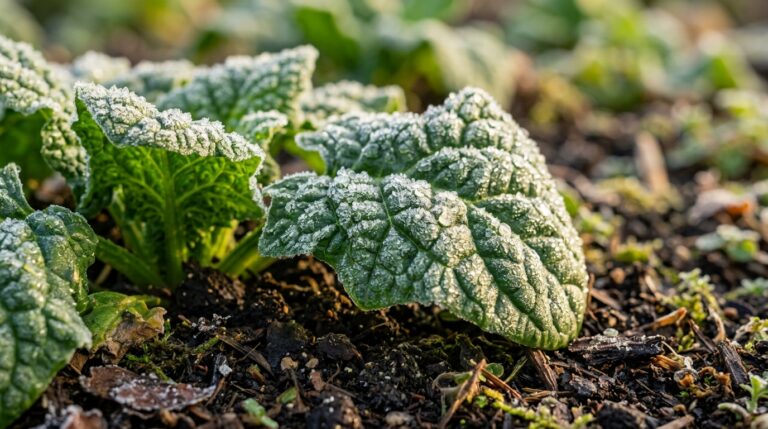
6. Kale: The Trendy Super Green

Kale has taken the culinary world by storm, and for good reason. This resilient leafy green is not only quick to grow, typically maturing in 6 to 8 weeks, but it is also packed with nutrients. Kale can be used in a variety of ways, from salads to smoothies, and its hearty leaves hold up well in cooking.
To grow kale, plant it in rich soil with good drainage and ensure it receives plenty of sunlight. Regular watering is essential, especially in warmer months. You can start harvesting the leaves once they are large enough, encouraging new growth for a continuous supply.
Incorporate kale into your home decor by using it as part of a vibrant centerpiece on your dining table. Its lush green leaves can enhance the aesthetic of your space, creating a fresh and inviting atmosphere that embodies a healthy lifestyle.
7. Carrots: Crunchy and Colorful

Carrots are a beloved garden staple and are relatively quick to grow, usually ready for harvest in about 70 days. Their colorful varieties—ranging from bright orange to deep purple—add visual interest to your garden and your plate. Carrots are versatile in the kitchen, suitable for salads, stews, or simply enjoyed raw as a healthy snack.
To cultivate carrots, sow the seeds in loose, well-drained soil, ensuring they have enough space to grow long and straight. Regular watering will help maintain their crisp texture. You can also practice succession planting to ensure ongoing harvests throughout the growing season.
Showcase your fresh carrots in your home decor by using them in a rustic arrangement on your kitchen counter or dining table. Their vibrant colors can brighten your space and serve as a delightful reminder of your gardening efforts.
9. Radishes: The Fast and Flavorful Crunch

Radishes are a fantastic option for gardeners eager to see rapid results. These vibrant root vegetables can go from seed to harvest in as little as three weeks, making them one of the quickest crops you can grow. Their spicy flavor adds a delightful crunch to salads and can elevate any dish. To grow radishes, ensure they are planted in well-draining soil with plenty of sunlight, allowing for robust growth.
For the best flavor profile, consider planting different varieties, such as the classic red globe or the striking black radish. Each variety offers a unique taste and visual appeal. Radishes thrive in cooler temperatures, so spring and fall are ideal seasons for planting. When they are ready for harvest, their colorful tops will often peek above the soil, making for an inviting and attractive garden.
These versatile vegetables can also be grown in containers, making them perfect for balcony gardeners. Incorporate them into your decor by using beautiful planters that complement your home style. Add them to your kitchen for a pop of color and a reminder of the freshness they bring to your meals.
10. Lettuce: The Leafy Green Staple

Lettuce is another speedy vegetable that every impatient gardener should consider. With varieties like leaf lettuce and butterhead, you can enjoy a fresh salad in no time, often within four to six weeks of planting. This leafy green thrives in cooler weather, making it perfect for spring and fall gardens. The bonus? You can continuously harvest leaves, allowing for ongoing fresh salads throughout the season.
To grow lettuce effectively, ensure it has adequate spacing to promote healthy leaf development. Consider interplanting with radishes to maximize space and efficiency in your garden. Lettuce loves moisture, so be sure to keep the soil consistently damp but not waterlogged.
Not only does lettuce provide nutritional benefits, but it also adds elegance to any garden. For a decorative touch, consider growing lettuce in attractive raised beds or containers that match your outdoor decor. This will create a stunning visual display while providing easy access to fresh greens for all your culinary needs.
11. Zucchini: The Versatile Summer Squash

Zucchini is not only a fast-growing vegetable but also a versatile ingredient that can be used in various culinary dishes. With a growing period of about 6 to 8 weeks, you can enjoy this delightful summer squash in no time. Its adaptability to different growing conditions makes it suitable for both garden beds and containers, allowing for flexibility in your gardening approach.
When planting zucchini, ensure it has plenty of sunlight and nutrient-rich soil. A trellis can also be beneficial, as it allows the zucchini to grow vertically, saving space and adding an interesting visual element to your garden. Regular harvesting encourages continuous fruit production, ensuring a bountiful yield.
Incorporate zucchini into your home decor by planting it in decorative pots or raised beds that complement your outdoor space. As zucchini can grow quite large, consider using stylish supports to give your garden an organized and elegant appearance. The striking green leaves and fruits can serve as a beautiful focal point in your garden or patio, enhancing your outdoor aesthetic while providing delicious produce.
12. Peas: Sweet and Nutritious Delights

Peas are a delightful choice for impatient gardeners, with a quick turnaround time of about 60 days from planting to harvest. Their sweet flavor makes them a favorite among many, and they can be enjoyed fresh or cooked. Peas thrive in cool weather, making them ideal for early spring planting. Consider using a trellis to support the vines, which not only maximizes space but adds visual interest to your garden.
When growing peas, ensure they are planted in well-draining soil and receive plenty of sunlight. Regular watering is essential, especially during dry spells, to encourage healthy growth. Harvesting peas regularly will promote further production and ensure you have a continuous supply.
Incorporate peas into your home decor by using elegant containers or raised beds that reflect your personal style. The vibrant green of the pea plants and their delicate flowers can enhance the aesthetic of any garden setting. Moreover, peas can be an attractive addition to your kitchen, adding both beauty and flavor to your culinary creations.
13. Swiss Chard: The Colorful Leafy Gem

Swiss chard is an eye-catching leafy green that not only grows rapidly but also adds a vibrant splash of color to your garden. With a growth period of about 4 to 6 weeks, it can be harvested quickly and used in numerous dishes, from salads to sautés. The striking stems, available in hues of red, yellow, and orange, make Swiss chard a visual delight and an excellent choice for edible landscaping.
This hardy vegetable thrives in well-draining soil enriched with organic matter, and it can tolerate heat better than many other greens. Regular harvesting encourages new growth, allowing you to enjoy fresh Swiss chard throughout the season. Pair it with companion plants like beans or onions for an efficient garden layout.
Incorporate Swiss chard into your outdoor decor by planting it in decorative raised beds that align with your home’s style. Its vivid colors can serve as a beautiful focal point in your garden, enhancing the overall design aesthetic. Displaying Swiss chard as part of your home’s culinary preparation can also create a stunning centerpiece that showcases your gardening prowess.
14. Arugula: The Peppery Green

Arugula is the perfect choice for gardeners who love a bold flavor. With a quick growth cycle of about 3 to 4 weeks, this peppery green adds a unique taste to salads and wraps. Arugula thrives in cool weather, so it’s ideal for spring and fall planting. Its fast growth means you can enjoy its zesty flavor in a short period, making it a rewarding choice for impatient gardeners.
When planting arugula, ensure it has well-drained soil and plenty of sunlight. Regular harvesting will encourage further growth, allowing you to enjoy fresh arugula throughout the season. Pair it with milder greens or use it as a vibrant garnish to elevate your meals.
For an attractive display, consider planting arugula in decorative containers or raised beds that match your outdoor decor. Its lush foliage can create an appealing visual contrast against other plants, enhancing your garden’s overall aesthetic. Plus, fresh arugula in your kitchen can inspire culinary creativity, adding flavor and style to your dining experience.
Frequently Asked Questions
What are the best conditions for growing fast-growing vegetables?
Fast-growing vegetables thrive in well-drained soil enriched with organic matter. Most varieties prefer full sun, so choose a location that receives at least 6 to 8 hours of sunlight daily. Consistent watering is also crucial; keep the soil moist but not waterlogged, and monitor for any signs of drought.
Additionally, consider the temperature conditions. Many fast-growing vegetables, like radishes and lettuce, prefer cooler weather, so it’s ideal to plant them in early spring or fall. Using row covers can help maintain optimal temperatures and protect young plants from pests.
How can I ensure a continuous harvest of fast-growing vegetables?
To achieve a continuous harvest, practice succession planting. This involves sowing seeds in intervals—every couple of weeks, for example—so that you have new crops maturing as older ones are harvested. This technique works especially well with crops like lettuce and radishes.
Additionally, consider planting different varieties with staggered maturity dates. For instance, you can plant both early and late-maturing carrot varieties to extend your harvest season. Regularly check your garden to see what’s ready to pick, which will encourage you to keep planting new seeds.
Can I grow fast-growing vegetables in containers?
Absolutely! Many fast-growing vegetables like lettuce, radishes, and green beans can thrive in containers. When growing in pots, ensure that they are large enough to accommodate the root systems and provide adequate drainage. Use high-quality potting soil enriched with compost for the best results.
Position your containers in a spot that receives ample sunlight, and monitor moisture levels closely, as container plants can dry out more quickly than those in the garden. This method is particularly useful for urban gardeners or those with limited space.
What pests should I be aware of when growing fast-growing vegetables?
Common pests that may target fast-growing vegetables include aphids, cabbage worms, and beetles. To manage these pests, consider using row covers during the early stages of growth to protect seedlings. Regularly inspect your plants for signs of infestation and remove pests manually when possible.
You can also introduce beneficial insects, such as ladybugs and lacewings, which prey on common garden pests. Additionally, maintaining plant health through proper watering and fertilization can make your plants less susceptible to pest damage.
How do I know when to harvest my fast-growing vegetables?
Harvesting time varies by vegetable, but there are general signs to look for. For leafy greens like lettuce and spinach, you can harvest when the leaves are large enough for your desired use but before they start to bolt. For root vegetables like radishes and carrots, gently pull a few from the soil to check their size.
Most fast-growing vegetables will indicate readiness through their size and color. Check seed packets for specific maturity times and guidelines. Regular harvesting encourages further growth, so don’t hesitate to pick vegetables as soon as they reach the right size.
Fast-growing vegetables offer a perfect solution for impatient gardeners eager to enjoy the fruits of their labor. With a little planning, you can cultivate a diverse selection of crops that not only grow quickly but also add flavor and nutrition to your meals. By incorporating these vegetables into your home decor and cooking, you can create a vibrant, healthy lifestyle that celebrates the beauty of homegrown produce.
Start your gardening adventure today by choosing a few of these fast-growing vegetables to plant. Remember to stay attentive to their needs, and you’ll be rewarded with a bountiful harvest in no time. Happy gardening!