Growing vegetables in containers is an excellent way to enjoy gardening, especially for those with limited space. Whether you have a small balcony, a patio, or just a sunny corner in your yard, container gardening allows you to cultivate fresh produce right at home. Not only is it convenient, but it also adds a touch of greenery and vibrancy to your living space.
Container gardening offers flexibility in terms of location and design. You can choose from a variety of pots and planters that suit your aesthetic, making it possible to blend your vegetable garden seamlessly with your home decor. Additionally, growing your own vegetables can lead to healthier eating habits and a sense of accomplishment, as you nurture and harvest your plants over time. In this article, we will explore the 25 best vegetables to grow in containers, highlighting their unique benefits and offering tips on how to care for them effectively.
1. Lush Basil: The Culinary Essential

Basil is a staple herb that thrives beautifully in containers, making it an excellent choice for home gardeners. This aromatic plant not only enhances your culinary creations but also adds a lovely fragrance to your space. Basil prefers warm weather and well-drained soil, so using a pot with good drainage holes will help it flourish.
When planting basil, consider choosing a container that is at least 6-8 inches deep. This will allow for adequate root development. Position your pots in a sunny location where they can receive at least 6 hours of sunlight daily. Regular pinching of the leaves promotes bushier growth, ensuring a continuous supply of fresh basil for your dishes.
To keep your basil healthy, water it consistently, but be cautious of overwatering. Fertilizing every 4-6 weeks with a balanced fertilizer can boost growth. Whether you’re making pesto or adding flavor to salads, growing basil in containers is a rewarding endeavor that enhances both your meals and your living space.
2. Cherry Tomatoes: Bite-Sized Beauty

Cherry tomatoes are an excellent choice for container gardening due to their compact size and prolific nature. These sweet, juicy fruits not only provide a delightful snack but also look stunning in any outdoor or indoor setting. They thrive in full sun and require a container that is at least 5 gallons to accommodate their root system.
When growing cherry tomatoes, choose a variety that suits your climate and taste. Regular watering is essential, especially during hot weather, but be careful to avoid waterlogging. Using a trellis or stake can help support the plants as they grow, ensuring that the fruit is elevated and easy to harvest.
To encourage a bountiful harvest, fertilize every few weeks with a fertilizer high in potassium. As the fruits ripen, you can enjoy the satisfaction of picking them fresh from your container. With the right care, cherry tomatoes can transform your container garden into a colorful and delicious display.
3. Crisp Lettuce: A Salad Lover’s Dream

Lettuce is a fantastic vegetable to grow in containers, especially for those who love fresh salads. With a variety of types available, from romaine to butterhead, you can easily create a stunning salad bar right at home. Lettuce prefers cooler temperatures, making it ideal for spring and fall planting.
To grow lettuce successfully, select a container that is at least 12 inches deep to allow for root growth. These leafy greens thrive in well-draining soil and should be watered regularly, ensuring the soil remains moist but not soggy. Position your lettuce containers in a spot that receives partial sunlight to prevent bolting during the hotter months.
Harvesting lettuce is simple; you can cut outer leaves as needed, allowing the inner leaves to continue growing. This method encourages continuous growth and provides a steady supply of fresh greens. Incorporating lettuce into your container garden not only enhances your meals but also adds a lush green aesthetic to your space.
4. Spicy Peppers: A Fiery Touch

Growing spicy peppers in containers adds a vibrant pop of color and flavor to your home gardening experience. From jalapeños to habaneros, these plants not only produce delicious peppers but also serve as attractive decor with their colorful fruits. They thrive in warm weather and should be placed in a sunny spot to maximize their growth potential.
Choose a container that is at least 5 gallons to accommodate the roots and ensure proper drainage. Water your pepper plants regularly, but avoid letting them sit in water, as this can cause root rot. Fertilizing with a balanced fertilizer can promote healthy growth and fruit production.
As the peppers begin to grow, you can enjoy the satisfaction of watching them ripen. Harvest them at the peak of their color for the best flavor. Incorporating spicy peppers into your container garden not only adds a culinary flair but also enhances the visual appeal of your outdoor space.
5. Green Onions: The Versatile Staple

Green onions, also known as scallions, are incredibly easy to grow in containers and add a fresh flavor to a variety of dishes. They can be grown from seed or by replanting the roots of store-bought onions, making them an accessible option for both novice and experienced gardeners. Green onions thrive in well-drained soil and prefer full to partial sunlight.
Using a container that is at least 6 inches deep will provide enough space for the roots. Keep the soil consistently moist, and they will grow quickly, allowing for multiple harvests throughout the growing season. Simply snip off what you need, and the plants will continue to grow, providing a continual supply.
These versatile vegetables not only enhance your culinary creations but also look great in any kitchen or outdoor space. Consider planting them in decorative pots that match your home decor for an added aesthetic touch. Growing green onions in containers is a practical choice that combines functionality with beauty.
6. Radishes: Quick and Colorful

Radishes are one of the quickest vegetables to grow, making them perfect for container gardening. They come in various colors and sizes, adding visual interest to your garden. Radishes thrive in cooler temperatures and can be planted in early spring or fall, making them a versatile choice for different growing seasons.
Select a container that is at least 12 inches deep to allow for proper root development. Radishes prefer well-draining soil and should be watered regularly to ensure they grow crisp and flavorful. Plant seeds directly into the soil, spacing them adequately to allow for growth.
Harvesting radishes is incredibly rewarding; simply pull them from the soil once they reach the desired size. Their bright colors and unique shapes make them a fun addition to salads and garnishes. Incorporating radishes into your container garden not only provides quick results but also adds a splash of color to your outdoor space.
7. Herbs Galore: A Fragrant Collection

Herbs are a fantastic choice for container gardening, providing fresh flavors and fragrances right at your fingertips. From rosemary to thyme and mint to cilantro, the variety of herbs you can grow is endless. These plants thrive in containers, allowing you to create a beautiful herb garden on your windowsill, balcony, or patio.
When choosing containers for herbs, opt for pots that are at least 6-8 inches deep. Most herbs prefer well-drained soil and full sun, so make sure to position your containers accordingly. Regular watering is important, but be careful not to overdo it, as many herbs are susceptible to root rot.
Harvest herbs by snipping the leaves as needed, which encourages new growth and keeps the plants healthy. The addition of herbs to your container garden not only enhances your culinary endeavors but also adds a lush, fragrant aesthetic to your home decor.
9. Flavorful Basil: A Culinary Essential

Basil is not just a culinary star; it’s also a beautiful addition to your container garden. This aromatic herb thrives in sunny spots and can be grown directly in decorative pots on your patio or balcony. Choose a variety of pots that complement your outdoor decor style, from rustic terracotta to sleek ceramic, adding both functionality and flair to your space.
When planting basil, ensure it gets at least 6 hours of sunlight daily. You can pair it with vibrant flowers or other herbs in a mixed container for an eye-catching display. Regularly harvesting the leaves not only enhances flavor in your dishes but also encourages bushier growth, making your plants more lush and appealing.
Incorporating basil into your home decor can be done by strategically placing these containers near your kitchen or dining area, where their delightful aroma can inspire your culinary creativity. Whether it’s used in pesto or as a fresh garnish, having basil close at hand is both practical and aesthetically pleasing.
10. Charming Cherry Tomatoes: High-Yield in Small Spaces

Cherry tomatoes are a delightful choice for gardeners limited on space. These small, sweet fruits can be grown in containers, making them perfect for patios or decks. Opt for a compact variety that suits container growing, providing both beauty and delicious yields throughout the summer. Pair these vibrant plants with decorative stakes or trellises for added visual interest.
To maximize growth, choose a pot that is at least 5 gallons in size and use high-quality potting soil. Position the containers in a sunny location to ensure your tomatoes receive ample direct sunlight. Regular watering and fertilization will keep your plants healthy and productive, and in return, you’ll enjoy a bountiful harvest right from your home.
Displaying cherry tomatoes in attractive containers enhances your outdoor aesthetic while providing fresh ingredients for salads and cooking. Their vibrant red color adds a pop of joy to your decor, making your garden not only functional but also a charming highlight of your outdoor living space.
11. Zesty Thyme: A Low-Maintenance Marvel

Thyme is a versatile herb that not only enhances your meals but also brings a unique aesthetic to your container garden. Known for its low maintenance needs, thyme thrives in sunny conditions and is ideal for smaller pots or hanging baskets. Its trailing nature makes it a wonderful choice for vertical gardening or decorative arrangements.
When selecting a container for thyme, ensure good drainage by choosing pots with holes at the bottom. Use well-draining potting mix and place your thyme in a sunny spot, where it can bask in at least 6 hours of sunlight. Regular pruning encourages bushy growth and can be used to freshen up your culinary creations.
In terms of home decor, thyme plants can add a charming touch to your kitchen window sill or outdoor patio. Pair them with rustic wooden containers or modern planters that reflect your style. Its evergreen nature adds a touch of green year-round, making thyme not just a herb but a delightful decor element.
12. Colorful Carrots: Fun and Funky

Carrots are often overlooked for container gardening, but they can be wonderfully whimsical and colorful additions to your outdoor decor. By choosing shorter, round varieties, you can successfully grow carrots in deeper pots or containers. Their vibrant colors, ranging from orange to purple, can add a playful element to your garden space.
For container gardening, select pots that are at least 12 inches deep to accommodate the roots. Use loose, well-drained soil to help your carrots grow straight and healthy. Position your containers in a sunny spot, and keep the soil consistently moist for optimal growth. As the carrots grow, you’ll find a special delight in harvesting a rainbow of colors.
Incorporating colorful carrot varieties into your garden not only yields delicious results but also provides striking visual appeal. Place your containers among ornamental grasses or flowering plants for an exciting contrast. The unique shapes and colors of the carrots can serve as a conversation starter while enhancing the beauty of your outdoor space.
13. Elegant Swiss Chard: A Leafy Showstopper

Swiss chard is an often underappreciated leafy green that can bring elegance and a burst of color to your container garden. With its vibrant stems in shades of red, yellow, and white, chard leaves can create a stunning visual display alongside other plants. This hardy green grows well in pots and provides both beauty and nutrition.
For optimal growth, choose a wide container that allows chard to spread out. Use nutrient-rich potting soil and ensure the container has proper drainage. These leafy greens thrive in cooler weather, making them perfect for spring or fall planting. Regularly harvesting the outer leaves will encourage new growth, keeping your plants looking fresh and full.
Incorporating Swiss chard into your home decor can transform your space into a vibrant oasis. Plant them in decorative pots that align with your aesthetic, whether modern or rustic. Their colorful stems can serve as a focal point in your garden or on your patio, combining functionality with stunning design.
14. Vibrant Beets: Earthy Elegance

Beets are a fantastic choice for container gardening, bringing both nutrition and a striking touch to your outdoor space. These root vegetables grow well in pots and can produce beautiful foliage alongside their deep maroon roots. Select containers that are at least 12 inches deep to allow ample room for the beets to develop.
When planting beets, use a light, well-draining potting mix and ensure your container has sufficient drainage holes. Position your beets in a sunny spot to enjoy maximum growth potential. Regular watering will keep the soil moist but not soggy, which is key to healthy beet production. As an added bonus, beet greens are also edible and can be harvested for salads.
Incorporating vibrant beet plants into your garden decor can create a stunning visual impact. Their deep colors contrast beautifully with other plants, and they can easily be paired with ornamental flowers or herbs. Use decorative pots that enhance their earthy elegance, making your container garden both functional and a true feast for the eyes.
15. Unique Garlic: Flavorful and Fabulous

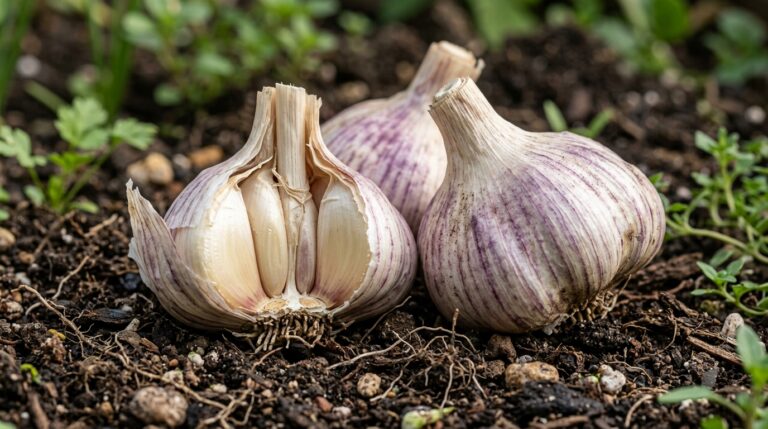
Garlic is not only a staple in the kitchen but also a visually intriguing plant to grow in containers. With its tall green shoots and unique bulbous roots, garlic can add an interesting design element to your garden. It grows well in pots and can be harvested in summer, providing both flavor and flair.
For optimal results, choose a pot that is at least 10 inches deep and filled with high-quality potting soil. Plant garlic cloves in the fall for a summer harvest, ensuring they receive plenty of sunlight. Water your garlic regularly to keep the soil slightly moist, and as the plants grow, you will appreciate their unique height and texture.
Display garlic plants in unique planters that match your home decor aesthetic, whether it’s rustic, modern, or eclectic. Their tall, green shoots can create a stunning visual statement in your garden or on your patio, making them both practical and visually appealing. Harvesting fresh garlic for your culinary needs will also add to the joy of growing your own food.
17. Charming Cherry Tomatoes: A Container Classic

Cherry tomatoes are a delightful addition to any container garden, bringing vibrant colors and a burst of flavor. These small, sweet fruits thrive in sunny locations, making them ideal for patios or balconies. For an appealing display, choose a decorative pot that complements your outdoor furniture or home decor style. You can either stake them for vertical growth or allow them to spill over the sides, creating an inviting cascade of greenery and fruit.
To ensure a bountiful harvest, select a high-quality potting mix and provide consistent watering, particularly during hotter months. Cherry tomatoes also benefit from regular feeding with a balanced fertilizer to promote robust growth and fruit development. Pair your container with a stylish watering can or a decorative trellis for a touch of elegance while you care for your plants.
Styling your container garden with cherry tomatoes can enhance your outdoor space. Mix them with vibrant herbs like basil or parsley for a stunning visual contrast. The bright red of the tomatoes against the lush green foliage creates a picturesque scene, perfect for social gatherings or intimate dinners outdoors.
18. Delectable Bell Peppers: Color in Every Container

Bell peppers are not just staples in the kitchen; they also make for stunning container plants. Their vibrant colors, ranging from green to red, yellow, and orange, add a lively touch to any home decor. Planting bell peppers in stylish containers can create a beautiful display on patios, balconies, or even indoors near bright windows. Select larger pots to give the plants ample space to grow and develop.
These plants thrive in warm weather, so be sure to position them in areas that receive at least six hours of sunlight daily. Regular watering is essential, especially during dry spells, but be careful not to overwater as this can lead to root rot. Fertilizing with a potassium-rich solution can enhance fruit set and color, making your bell peppers not only beautiful but also delicious.
For an added touch, consider growing different varieties in a single container for a colorful arrangement. Mixing colors can create a visually striking display, making your container garden a conversation starter at gatherings. Pair your bell pepper plants with herbs like cilantro, which can thrive in the same conditions, blending functionality with aesthetic appeal.
19. Lush Lettuce: A Leafy Delight

Lettuce is an ideal choice for container gardening, offering a refreshing green backdrop that’s both attractive and edible. Growing a variety of lettuce types, such as romaine, butterhead, or leaf lettuce, can create a stunning display of differing textures and colors. Opt for shallow containers that allow the roots to spread while showcasing the vibrant green foliage. A collection of lettuce pots can add a lush, garden-like feel to your balcony or kitchen.
These leafy greens thrive in cooler temperatures, making them perfect for spring and fall planting. Ensure your containers have good drainage and use a high-quality potting mix rich in organic matter. Regular watering is key to maintaining crisp leaves; however, be cautious of soggy soil. You may also consider using mulch to retain moisture and control weeds.
For a decorative touch, consider pairing your lettuce containers with colorful herb pots or flowering plants that complement their leafy appearance. A mix of textures and colors can create an enticing and visually pleasing garden space, making every meal feel like a farm-to-table experience right at home.
20. Fragrant Basil: A Culinary Essential

Basil is not only a beloved culinary herb but also a visually appealing plant for container gardening. Its lush green leaves and aromatic fragrance can enhance your cooking and elevate your home decor. Opt for decorative pots that reflect your kitchen style, whether modern, rustic, or traditional, and place them on your kitchen counter or near a sunny window for easy access.
Basil thrives in warm, sunny conditions, so ensure it receives at least six hours of direct sunlight daily. Keep the soil consistently moist but not soggy, and pinch back the flowering stems to encourage bushier growth and more flavorful leaves. Regular harvesting will promote new growth and ensure you have plenty of fresh basil on hand for your favorite recipes.
To enhance your decor, consider pairing basil with other herbs such as parsley or thyme in a tiered planter or a herb garden box. This not only creates a beautiful arrangement but also provides a variety of flavors right at your fingertips. A well-designed herb garden can transform your kitchen space into a culinary oasis, making meal preparation a delightful experience.
21. Savory Oregano: A Flavorful Addition

Oregano is a versatile herb that thrives in containers, bringing both flavor and aesthetic appeal to your home. With its rich green leaves and bushy growth pattern, oregano can transform your kitchen or balcony into a fragrant herb garden. Use terracotta or ceramic pots that complement your existing decor, and position them in a sunny spot that receives direct light.
This hardy herb is relatively low-maintenance, needing well-draining soil and moderate watering. Make sure to allow the soil to dry out slightly between waterings to prevent root rot. Regular pruning will encourage bushier growth and prevent flowering, which can diminish the flavor of the leaves. Oregano is excellent for culinary use, and having it at arm’s reach makes cooking more enjoyable.
Consider grouping oregano with other Mediterranean herbs such as thyme and rosemary in a stylish herb garden arrangement. This combination not only looks beautiful but also enhances your culinary endeavors, providing fresh ingredients for your Mediterranean dishes. The inviting aroma of these herbs can add a touch of sophistication to your outdoor dining experience.
22. Refreshing Mint: A Versatile Herb

Mint is a refreshing herb that not only enhances beverages and dishes but also adds a delightful aroma to your home. Growing mint in containers allows for easy access and makes a beautiful addition to your kitchen or outdoor spaces. Choose decorative pots that reflect your personal style, whether minimalist or rustic, and position them where they can receive partial to full sunlight.
Mint thrives in rich, well-drained soil and prefers to be kept moist, but avoid overwatering as this can lead to wilting. It’s important to prune regularly to prevent it from taking over the container, as mint can spread aggressively. Incorporating mint into your gardening routine will not only beautify your space but also provide a fresh ingredient for cocktails, teas, and culinary dishes.
For a stunning visual impact, consider pairing mint with contrasting herbs or edible flowers. The vibrant green of mint can beautifully complement the colors of other plants, creating an enchanting garden display. A mint container can also effortlessly enhance outdoor dining setups, lending a fresh and fragrant touch to any meal.
23. Spicy Peppers: Add Heat to Your Container Garden

Spicy peppers are a dynamic addition to any container garden, offering bold flavors and a pop of color. Varieties like jalapeños, serranos, and habaneros can thrive in pots, making them perfect for small spaces or patios. Select larger containers to accommodate their growth, and choose pots that highlight their vibrant colors against your home decor.
These peppers flourish in warm, sunny locations with well-draining soil. Ensure that the plants are watered consistently, particularly during fruiting, but avoid letting the soil become too soggy. Fertilizing with a high-potassium solution can promote healthy fruit development. With their striking colors and unique shapes, spicy peppers can also serve as ornamental plants when not in use in cooking.
Consider grouping different varieties of spicy peppers together in a colorful arrangement to create an eye-catching display. This not only enhances your garden’s aesthetic but also provides a variety of flavors for culinary experimentation. Integrating spicy peppers into your container garden can elevate your cooking while providing a vibrant touch to your outdoor living space.
25. Heirloom Tomatoes: A Garden Classic in Any Space

Heirloom tomatoes are a delightful and colorful addition to any container garden, offering a variety of shapes, sizes, and flavors that can elevate your culinary experiences. These unique varieties, such as Brandywine or Cherokee Purple, not only provide exceptional taste but also add visual interest to your home decor. Growing them in containers allows you to maximize limited space while ensuring they receive the sunlight and care they need to flourish.
When styling your containers, opt for larger pots that can accommodate the tomato plants’ root systems. Using a mix of organic potting soil enriched with compost will give your tomatoes the nutrients they need to grow strong. Consider placing your pots on a balcony or patio where they can bask in the sun, and elevate smaller pots with decorative plant stands for added height and dimension.
To enhance your container garden aesthetically, mix in some trailing plants like nasturtiums or petunias that can spill over the edges of the pots. This not only creates a lush, full look but also attracts beneficial pollinators. Regular pruning and staking of the plants will keep them looking neat and healthy throughout the growing season, while the vibrant reds, yellows, and greens of the tomatoes will complement your overall decor beautifully.
Finally, make sure to create a watering schedule that keeps the soil consistently moist but not waterlogged. Heirloom tomatoes thrive in well-drained conditions, so ensure your containers have drainage holes. With a little care and attention, these stunning plants will reward you with bountiful harvests and a picturesque display right at home.
Frequently Asked Questions
What types of containers are best for growing vegetables?
When selecting containers for growing vegetables, look for those that are at least 12 inches deep to accommodate the root systems of most plants. Materials such as terracotta, ceramic, and plastic are popular choices due to their durability and aesthetic appeal. Ensure that the containers have adequate drainage holes to prevent waterlogging, which can lead to root rot.
Consider the size of the vegetable you intend to grow; larger plants like tomatoes and peppers will require more substantial containers (5 gallons or larger), while smaller herbs and leafy greens can thrive in smaller pots. Additionally, using self-watering containers can help maintain consistent moisture levels, making it easier to care for your plants.
How often should I water my container vegetables?
The frequency of watering your container vegetables depends on several factors, including the type of vegetable, the size of the container, and the weather conditions. Generally, container plants dry out faster than garden soil due to their limited space and material. It’s essential to check the soil moisture regularly; if the top inch of soil feels dry, it’s time to water.
During hot summer months, you may need to water daily or every other day, while cooler months may require less frequent watering. Ensuring that your containers have good drainage is crucial to prevent overwatering. A consistent watering schedule tailored to your plants’ needs will promote healthy growth and vibrant yields.
Can I grow vegetables indoors in containers?
Absolutely! Growing vegetables indoors in containers is a great way to enjoy fresh produce year-round, especially if outdoor space is limited. Many vegetables and herbs adapt well to indoor conditions, provided they receive sufficient light. Consider using grow lights if natural sunlight is limited in your home.
When growing indoors, choose compact varieties of vegetables that thrive in smaller spaces, such as lettuce, herbs, and cherry tomatoes. Ensure your containers have good drainage and use high-quality potting soil to support healthy plant growth. Regularly monitor for pests and ensure proper air circulation to keep your indoor garden thriving.
What can I do to prevent pests in my container garden?
Preventing pests in your container garden starts with maintaining healthy plants. Regularly inspect your plants for signs of pests and remove any affected leaves immediately. Companion planting can be beneficial; certain plants repel pests naturally, so consider planting garlic or marigolds alongside your vegetables.
Additionally, using organic pest deterrents, such as neem oil or insecticidal soap, can help keep unwanted insects at bay. Keeping your containers clean and free from debris can also reduce pest habitats. A proactive approach to plant care will ensure a thriving container garden without the worry of pests.
How do I choose the right soil for container vegetables?
Choosing the right soil for container vegetables is crucial for their growth and overall health. Look for a high-quality potting mix specifically designed for containers, as it offers better drainage and aeration compared to garden soil. A good potting mix often contains a blend of peat moss, perlite, and compost, providing essential nutrients and a lightweight structure.
Avoid using regular garden soil in containers, as it can compact over time and lead to poor drainage. It’s also beneficial to amend the potting mix with slow-release fertilizers to ensure your plants receive the necessary nutrients throughout their growth cycle. Investing in the right soil will significantly enhance your gardening success.
Container gardening opens up a world of possibilities for growing fresh vegetables right at home, regardless of space limitations. By choosing a variety of vegetables that suit your preferences and conditions, you can create a thriving container garden that not only enhances your meals but also beautifies your living space. With the right containers, soil, and care, you can enjoy a bountiful harvest.
We encourage you to explore the options available to you and start your container garden today. Whether it’s a few pots of herbs on your windowsill or a collection of colorful vegetables on your balcony, the satisfaction of growing your own food is unmatched. Embrace the joy of gardening and transform your home into a green oasis.