
Few late-season gardening tasks create as much confusion—or cause as many lost summer blooms—as autumn hydrangea maintenance. Cut the wrong stems in September or October, and you risk shearing off next year’s embryonic flower buds entirely; leave dead or diseased wood untended, and harsh winter freezes can split vulnerable crowns. Mastering the botanical distinction between old-wood and new-wood cultivars is the single most important rule for guaranteeing massive, colorful hydrangea blooms year after year.
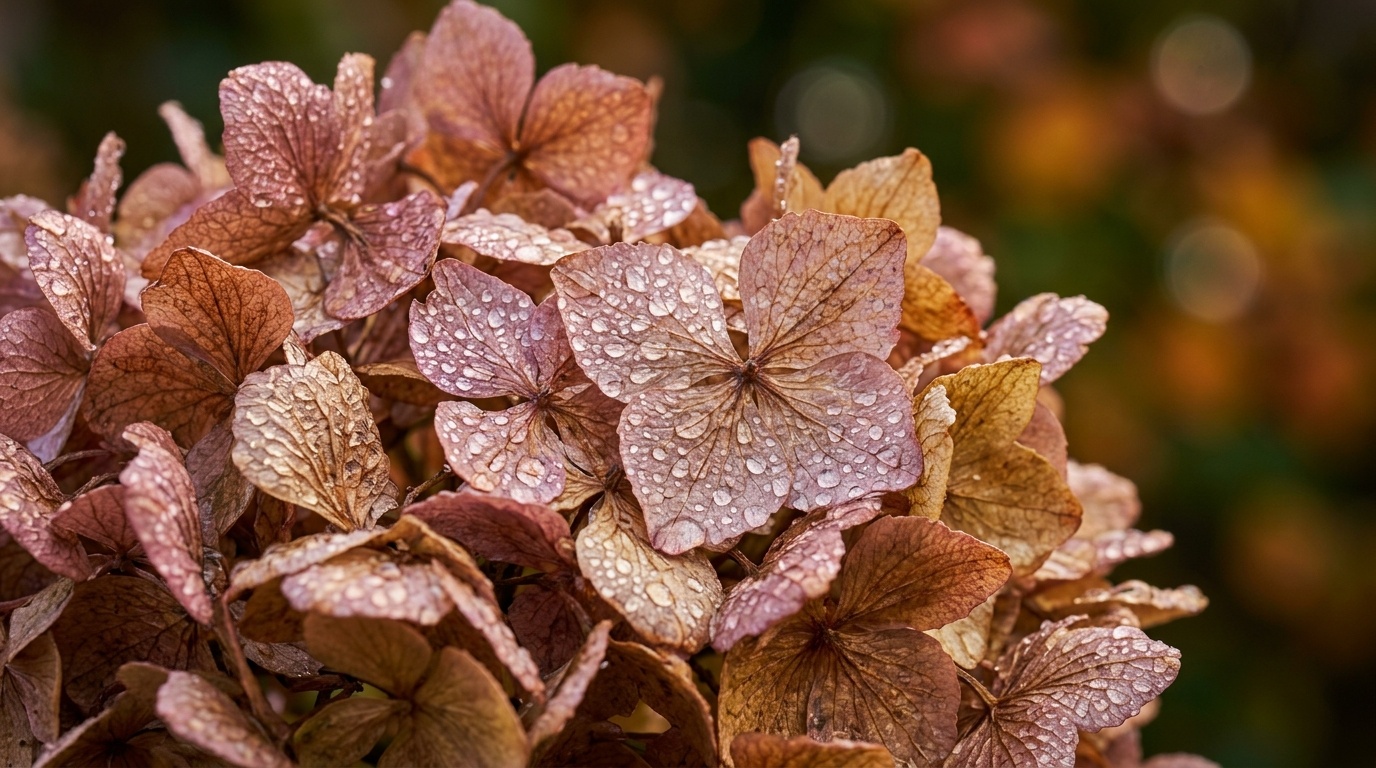
To prune hydrangeas successfully in the fall, you must look beyond general gardening rules and identify the specific species growing in your yard. Hydrangeas naturally divide into two distinct physiological groups: those that set their flower buds on old wood (stems grown during the current summer season) and those that flower on new wood (fresh green growth produced in spring). Treating all hydrangea bushes with a uniform fall haircut is the number one reason gardeners experience lush foliage with zero summer flowers.
Why You’ll Love This Pruning Blueprint
- Preserves Next Year’s Blooms: Accurately identifies terminal flower buds on bigleaf, oakleaf, and mountain varieties to avoid accidental bud removal.
- Winter Frost Protection: Teaches you how leaving spent flower heads intact acts as a natural botanical shield against deep winter desiccation.
- Disease & Mold Prevention: Eliminates diseased, crossed, or damaged canes before winter dampness sets in without shocking the root system.
- Clear Species Classification: Features an easy-to-follow guide for Panicle, Smooth, Bigleaf, Oakleaf, and Climbing cultivars.
Key Botanical Types & Wood Classification
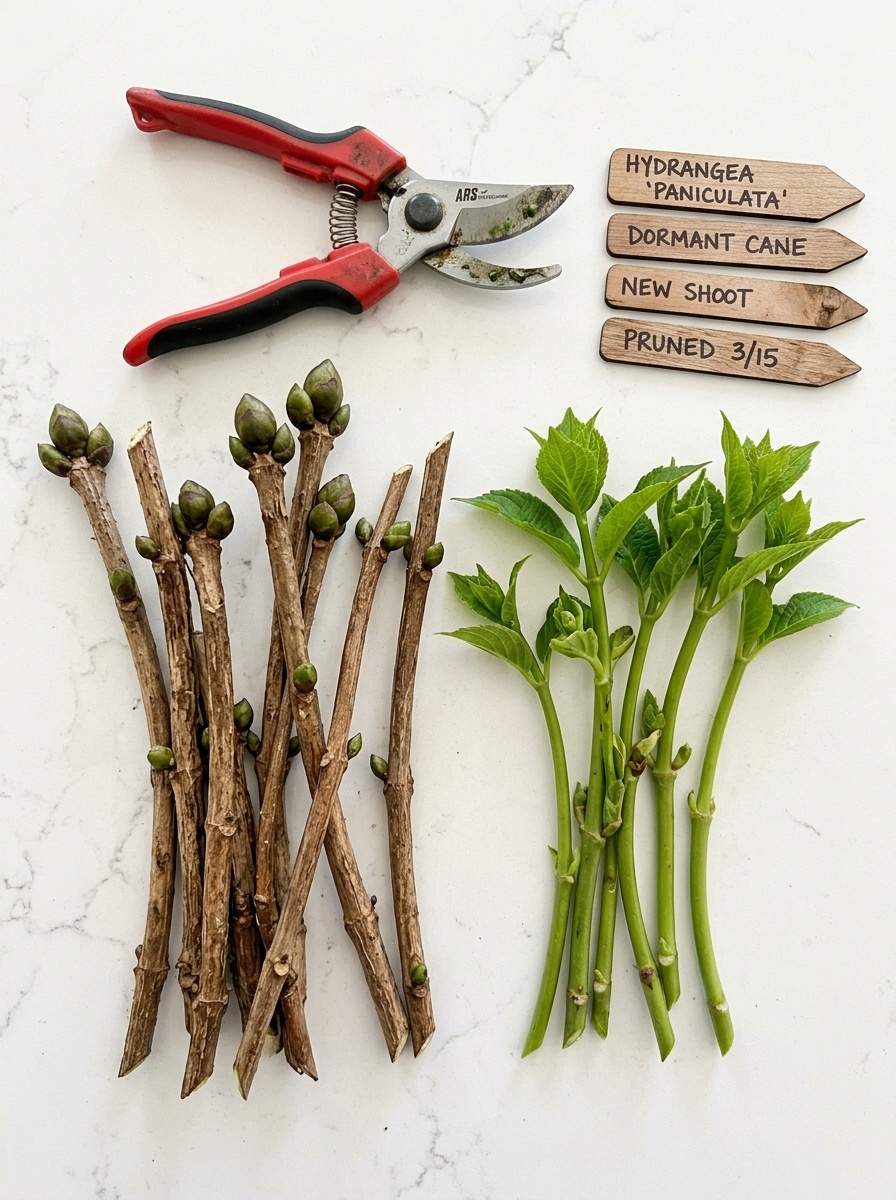
- Old-Wood Cultivars (Do NOT Cut Back in Fall): Hydrangea macrophylla (Bigleaf / Mophead / Lacecap), Hydrangea quercifolia (Oakleaf), and Hydrangea serrata (Mountain). These varieties formed their 2027 flower buds between July and August. Cutting healthy stems now removes all future flowers.
- New-Wood Cultivars (Safe to Cut Late Winter / Early Spring): Hydrangea paniculata (PeeGee / Limelight) and Hydrangea arborescens (Annabelle / Smooth). These resilient varieties bloom exclusively on fresh spring growth and can handle structural thinning.
- Reblooming Varieties (Endless Summer Series): Bloom on both old and new wood. Lightly clean up dead stems only; preserve healthy wood for early summer flushes.
Step-by-Step Autumn Pruning & Cleanup Walkthrough
1. Sanitize Your Tools: Thoroughly wipe bypass pruner blades with 70% isopropyl alcohol. Clean cuts prevent the transmission of fungal leaf spot and bacterial blight into open cane wounds as plants enter dormancy.
2. The 3-D Selective Pruning Protocol: Inspect the shrub and remove only Dead, Damaged, or Diseased wood. Cut completely dead canes down to the ground. For canes with dead tips, make a clean 45-degree angle cut 1/4 inch above the first healthy, green bud pair.
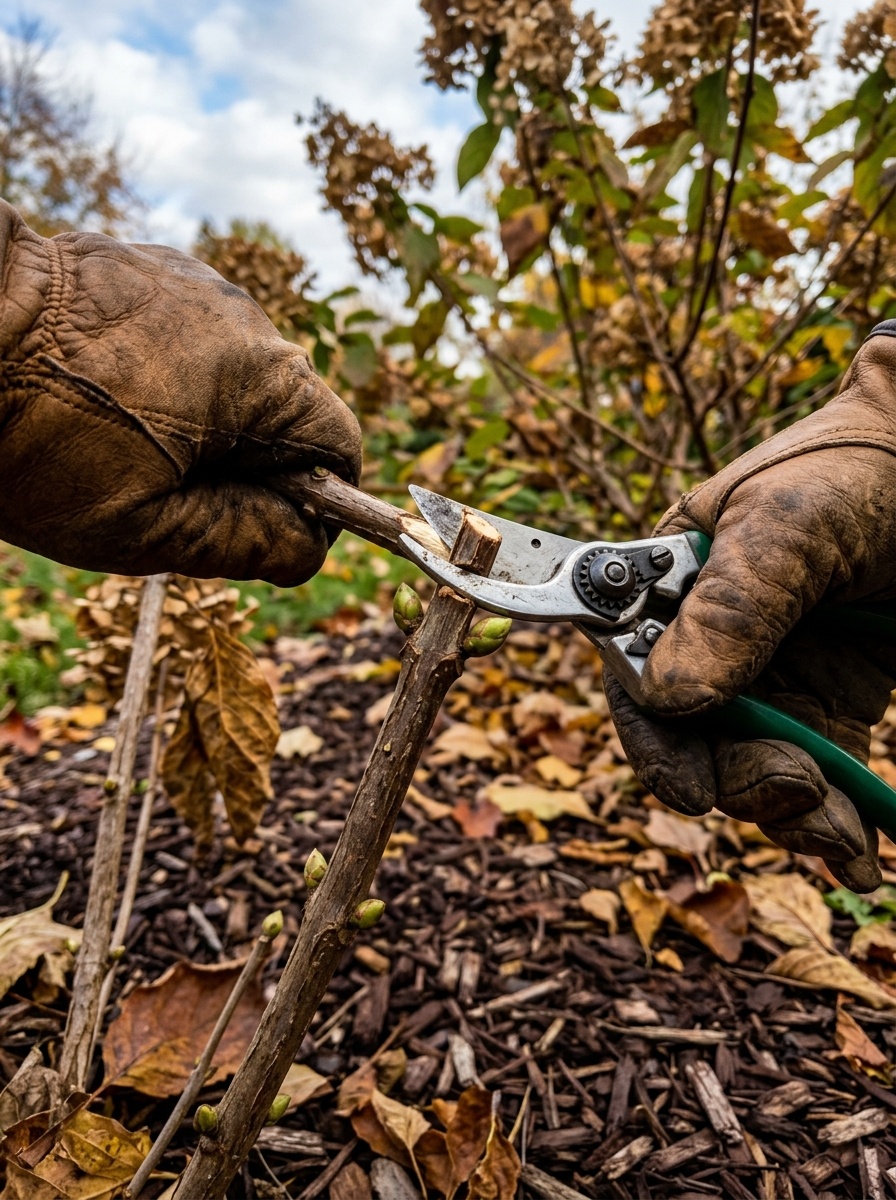
3. Deadheading Spent Blooms (Selective Only): If spent flower mopheads are weighing down branches, snip the flower stem just below the bloom head, making sure to stay strictly above the top set of swollen green leaf buds.
4. Ground Sanitation: Rake away all fallen, spotted, or mildewed leaves from beneath the drip line to prevent fungal spores from overwintering in the mulch layer.
3 Essential Rules for Massive Summer Flowers
1. Leave the Dried Flower Heads as Winter Armor: While tidy gardeners love stripping old blooms, dried flower heads trap fallen snow and shield lower terminal buds from drying winter winds and harsh freeze-thaw cycles.
2. Stop Nitrogen Fertilization by Late August: Never feed hydrangeas high-nitrogen fertilizers in late autumn. Late feeding forces tender, succulent green growth that will be instantly blackened and killed by early hard frosts.
3. Protect the Crown with Coarse Organic Mulch: After the first killing frost, mound 4 to 6 inches of shredded bark or pine straw around the base to insulate root crowns and keep dormant buds safely insulated until spring.
Winter Hydrangea Care & Overwintering Protection
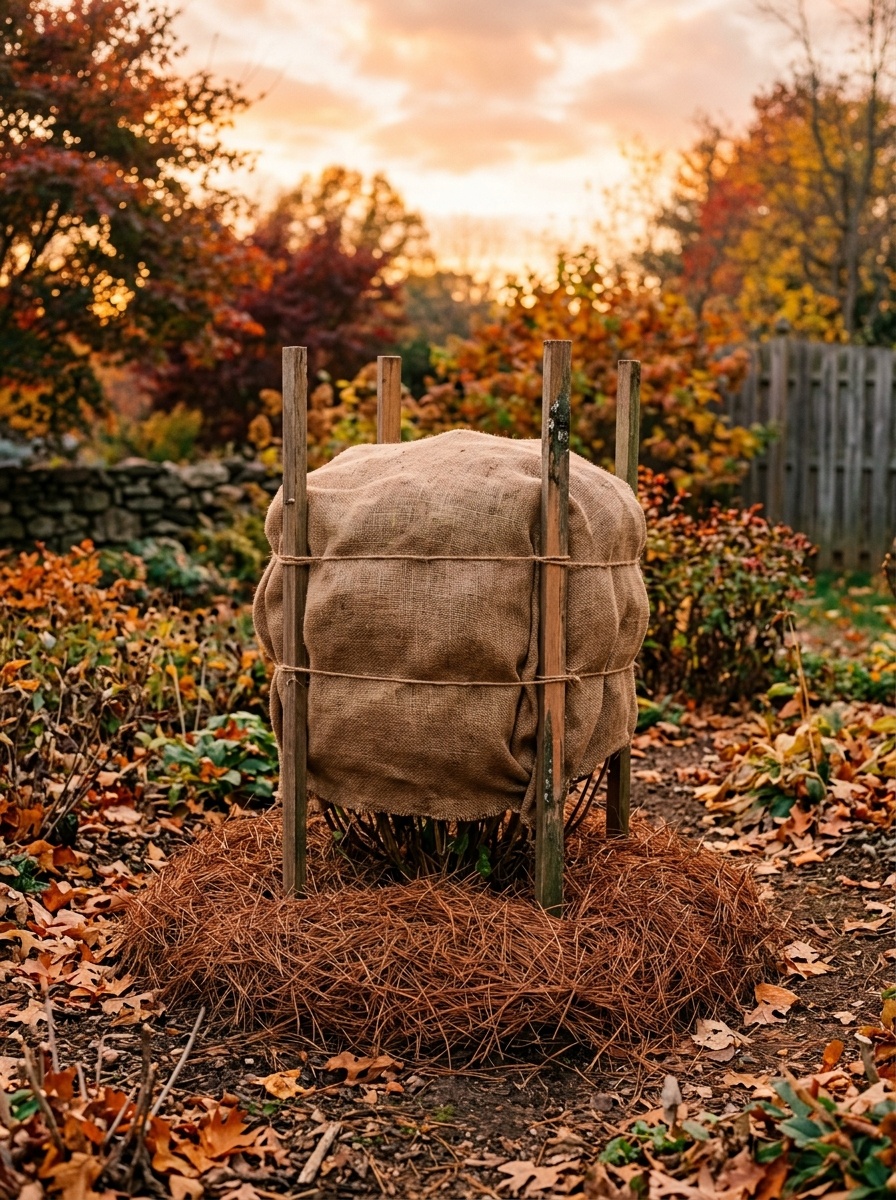
- Zone 4–6 Bigleaf Protection: Build a simple wire cage around mophead shrubs, fill loosely with clean dry oak leaves or straw, and wrap the outside in breathable burlap.
- Deep Autumn Hydration: Give hydrangeas a deep, slow soak before the ground freezes solid. Well-hydrated roots resist frost desiccation significantly better than dry roots.
- Potted Hydrangea Storage: Move container-grown hydrangeas into an unheated garage, shed, or basement once dormant to protect root balls from freezing solid.
Frequently Asked Questions
Can I cut my hydrangea all the way to the ground in autumn?
Only smooth hydrangeas like ‘Annabelle’ can tolerate being cut to the ground in late winter or early spring. If you cut Bigleaf or Oakleaf hydrangeas to the ground in fall, you will eliminate all blooms for the entire upcoming summer season.
When is the absolute best time to prune Bigleaf (Mophead) hydrangeas?
The ideal window is immediately after flowering in mid-to-late summer (July through early August), before the plant begins initiating next season’s flower buds.
What should I do if winter frost kills the tips of my canes?
Wait until late spring (May) when new green growth emerges clearly. Only then prune away the dead brown cane tips back to the highest active green shoots.
Pin This Gardening Guide for Later
Love this autumn pruning guide? Save this pin to your Pinterest Gardening board so you have the wood classification rules ready whenever you prune your hydrangeas!