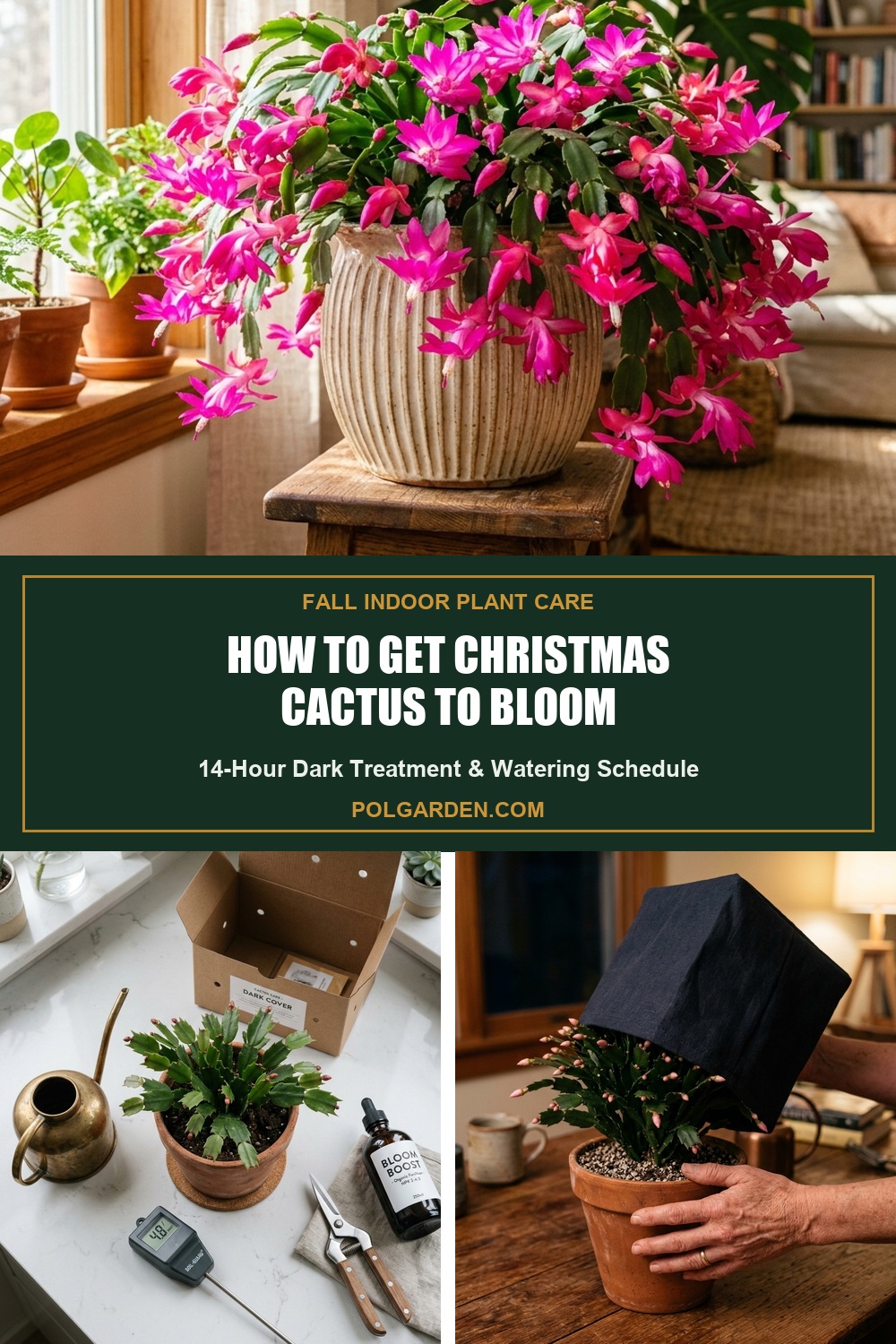
Few seasonal indoor spectacles rival the dramatic beauty of a Christmas cactus (Schlumbergera bridgesii) cascading with hundreds of vivid magenta, ruby red, or pearlescent white blooms just in time for the winter holidays. Yet for millions of indoor plant lovers, autumn brings deep frustration when lush green foliage produces zero buds, or worse, sheds tiny emerging floral buds overnight onto the floor. Unlocking an explosion of vibrant holiday flowers does not depend on lucky guesswork or harsh chemical bloom boosters—it requires understanding the strict photoperiodic signals that native Brazilian cloud forest epiphytes use to trigger reproduction in the wild.
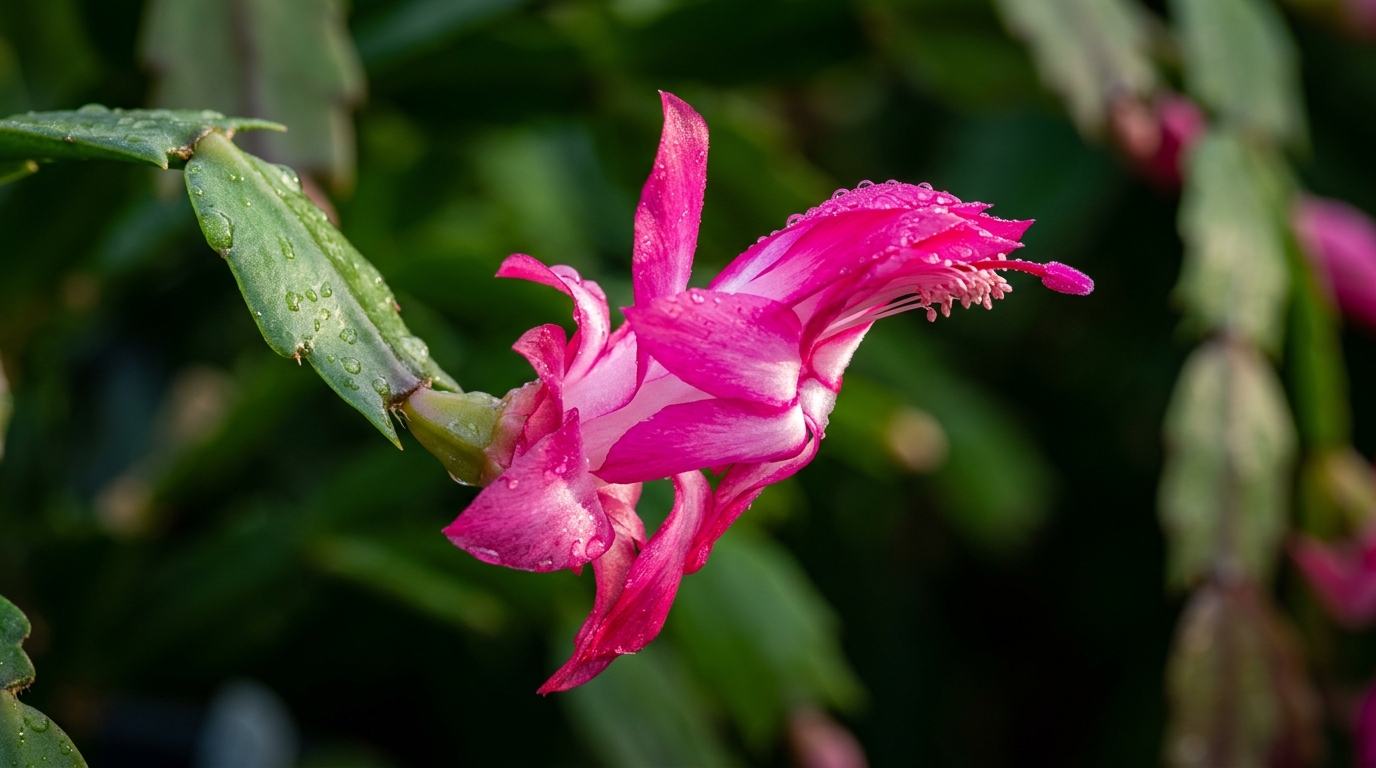
Unlike standard desert cacti that bask in arid baking sun and dry sand, true holiday cacti are tropical epiphytes native to the misty, shaded coastal mountains of southeastern Brazil, where they grow anchored in tree barks and rock crevices beneath dense forest canopies. Because their natural equatorial habitat experiences subtle seasonal shifts, Schlumbergera plants rely on two distinct environmental cues to initiate bud formation: uninterrupted nocturnal darkness lasting at least 12 to 14 hours, coupled with sustained cool nighttime temperatures between 55°F and 65°F (13°C to 18°C). When modern homes keep living room lamps glowing until midnight and central heating set at 72°F, the plant receives continuous hormonal signals to produce vegetative stem segments rather than flower buds. By replicating autumn cloud-forest conditions through a structured 6-week protocol, you can reliably force dense bud clusters across every single branch tip.
Why You’ll Love This Fall Blooming Protocol
- Guaranteed Floral Bud Set: Completely removes the uncertainty of blooming by synchronizing darkness and temperature triggers to synthesize floral hormones naturally.
- Precise Holiday Timing: Initiating the 6-week conditioning protocol in mid-October guarantees peak flower displays precisely between Thanksgiving and New Year’s Day.
- Zero Bud Drop Risk: Teaches the exact water-to-humidity balance that prevents the premature formation of branch abscission layers that cause buds to abort.
- Extended Flower Longevity: Proper temperature and moisture regulation slows cellular metabolic respiration, keeping individual petals vibrant for weeks rather than days.
Key Supplies & Pre-Bloom Station Checklist

Before launching the fall dark treatment, inspect your plant and assemble these foundational supplies to ensure smooth conditioning without mid-season root disruptions:
- Lightproof Dark Cover Box or Closet: A tall, breathable cardboard box with small ventilation pinholes, or a completely unlit guest room closet that stays pitch-black from 6:00 PM to 8:00 AM.
- Precision Soil Moisture Meter: Holiday cactus roots are delicate hair-like structures highly vulnerable to cold, waterlogged potting mix. A probe eliminates guesswork before adding water.
- Low-Nitrogen Organic Bloom Formulation (0-10-10 or 1-3-2): Phosphorus and potassium promote root strength and dense floral buds; excess nitrogen must be strictly avoided during fall.
- Unglazed Terracotta Planter with Drainage: Porous clay sidewalls allow excess root-zone moisture to evaporate freely, protecting plants from winter Pythium root rot. If you already care for delicate indoor foliage like winter Calathea varieties, porous planters are essential.
- Pebble Humidity Tray: A shallow dish filled with river gravel and water placed beneath the pot to maintain 50% to 60% ambient humidity without saturating the potting medium.
Step-by-Step Fall Walkthrough to Force Exploding Blooms
1. Stage One: The 14-Hour Darkness Treatment (Mid-October): Starting 6 to 8 weeks before your desired bloom date (typically around October 15th), subject your Christmas cactus to 12 to 14 hours of continuous, uninterrupted darkness every single evening. Cover the plant with an opaque cardboard box or move it into a pitch-black closet at 6:00 PM, then return it to bright, indirect sunlight at 8:00 AM each morning. This strict photoperiodic deprivation stimulates florigen hormone accumulation. Warning: even 15 seconds of stray flashlight or living room lamp exposure can reset the internal photoperiod clock and delay bud setting.
2. Stage Two: Maintain the 55°F–65°F Temperature Window: Temperature is the powerful co-pilot of day length. During the 14-hour dark period, keep the surrounding air between 55°F and 62°F (13°C–17°C). If temperatures remain above 70°F (21°C), the plant will fail to produce buds despite complete darkness. Conversely, do not allow temperatures to drop below 50°F (10°C), as extreme cold damages succulent cladodes. An unheated guest room, enclosed four-season porch, or basement windowsill offers the perfect microclimate.

3. Stage Three: Reduce Autumn Watering Frequency: During the 6-week induction period, cut back watering by approximately 50%. Allow the top 2 inches of soil to dry out thoroughly between water applications, testing with a moisture meter. Overwatering in cool temperatures suffocates root hairs and triggers sudden bud blast. When you do water, apply room-temperature rainwater gently until water trickles from the drainage holes, then discard all runoff immediately.
4. Stage Four: Transitioning to Bright Indirect Light: After 4 to 6 weeks of dark treatment, you will observe tiny, bead-like floral buds emerging at the tips of the leaf-like stem segments. Once buds are clearly visible and approximately 1/4 inch long, you can discontinue the dark treatment. Move the plant permanently to a permanent location receiving plentiful bright, indirect daylight (such as an east-facing window) to fuel petal pigmentation and flower expansion.
3 Botanist Secrets for Non-Stop Christmas Cactus Blooms
1. Never Rotate or Relocate the Pot Once Buds Form: The single most common heartbreak for houseplant growers is bud blast—buds turning yellow and dropping off just days before opening. Christmas cactus buds produce a delicate hormonal abscission layer at the base of the pedicel that is acutely sensitive to light angles. Rotating the pot even 45 degrees forces the buds to strain toward the sun, causing the abscission layer to sever. Mark the side of your pot facing the window with a piece of tape and never turn it.
2. Halt All Fertilizer Once Color Shows: While a single dose of high-potassium fertilizer in early October helps charge bud formation, fertilizing a plant with active, swelling buds pushes excess salts into tender petal tissues. Discontinue all plant food completely from November until post-bloom vegetative growth resumes in spring.
3. Keep Humidity Steady with Gravel Trays (Never Mist Flowers): While tropical epiphytes love 50% to 60% ambient humidity, spraying water droplets directly onto swelling buds invites Botrytis petal blight and fungal discoloration. Instead, sit the terracotta pot atop a pebble-lined saucer with water filled just below the stone tops, allowing gentle evaporation around the leaves.
Post-Bloom Care & Winter Maintenance

Once the spectacular flowering show concludes in January, your Christmas cactus will naturally enter a brief 30-day vegetative rest period. Following these steps ensures robust health for years to come:
- Deadheading Spent Blooms: Gently twist off wilted blossoms at their base without tearing the green stem segment beneath them.
- Post-Bloom Watering Rest: Reduce watering slightly during late winter dormancy, keeping the root ball barely moist until new green growth tips appear in March.
- Spring Pruning & Shaping: In late April, twist off 1 to 2 segments from each branch. This triggers dense lateral branching, doubling the number of tip nodes that will carry flowers next season. For more spring care inspiration, explore our guide on resilient low-light houseplants and promoting massive indoor Monstera growth.
- Companion Displays: Pair your blooming holiday cactus alongside winter cyclamen, forced paperwhites, and potted overwintered potted rosemary for a classic holiday botanical tablescape.
Troubleshooting Common Holiday Cactus Problems
- Reddish or Purple Stem Segments: Indicates intense direct sun exposure or phosphorus deficiency. Move the pot slightly back into filtered light.
- Limp, Wrinkled Leaves Despite Wet Soil: A classic sign of root rot caused by stagnant water. Unpot the plant, trim black rotted root fibers, and repot in fresh, fast-draining orchid bark and perlite mix.
- Plant Blooms in November Instead of December: You likely possess a Thanksgiving cactus (Schlumbergera truncata), which features sharp, claw-like stem teeth and naturally flowers 3 to 4 weeks earlier than true rounded-segment Christmas cacti. Both respond beautifully to the exact same 14-hour darkness protocol.
Frequently Asked Questions
Can I get my Christmas cactus to bloom without a dark closet?
Yes. If you have an unused spare room, guest bedroom, or basement where lights are never turned on after sunset and temperatures remain naturally cool (55°F–65°F), the plant will receive sufficient natural photoperiod cues without requiring manual cardboard box covering.
How long do individual Christmas cactus blooms last?
Each individual flower remains open for 6 to 9 days under cool room conditions. Because buds open progressively across branch tips, a well-conditioned mature plant will remain in continuous bloom for 4 to 7 weeks.
Why do Christmas cactus buds fall off before opening?
Bud drop (abscission) is almost always triggered by sudden environmental stress: rotating the plant after buds form, drafts from exterior doors, proximity to forced-air heating registers, or sudden swings between overwatering and bone-dry soil.
What is the best fertilizer to trigger blooms?
Use a balanced organic liquid bloom fertilizer with a low nitrogen and high phosphorus/potassium ratio (such as NPK 0-10-10 or 1-3-2). Dilute to half-strength and apply only once in early autumn before buds swell.
Save This Fall Care Protocol for Later
Love this guide? Save this pin to your Pinterest houseplant or indoor gardening board so you have the 14-hour dark treatment schedule ready whenever autumn arrives!