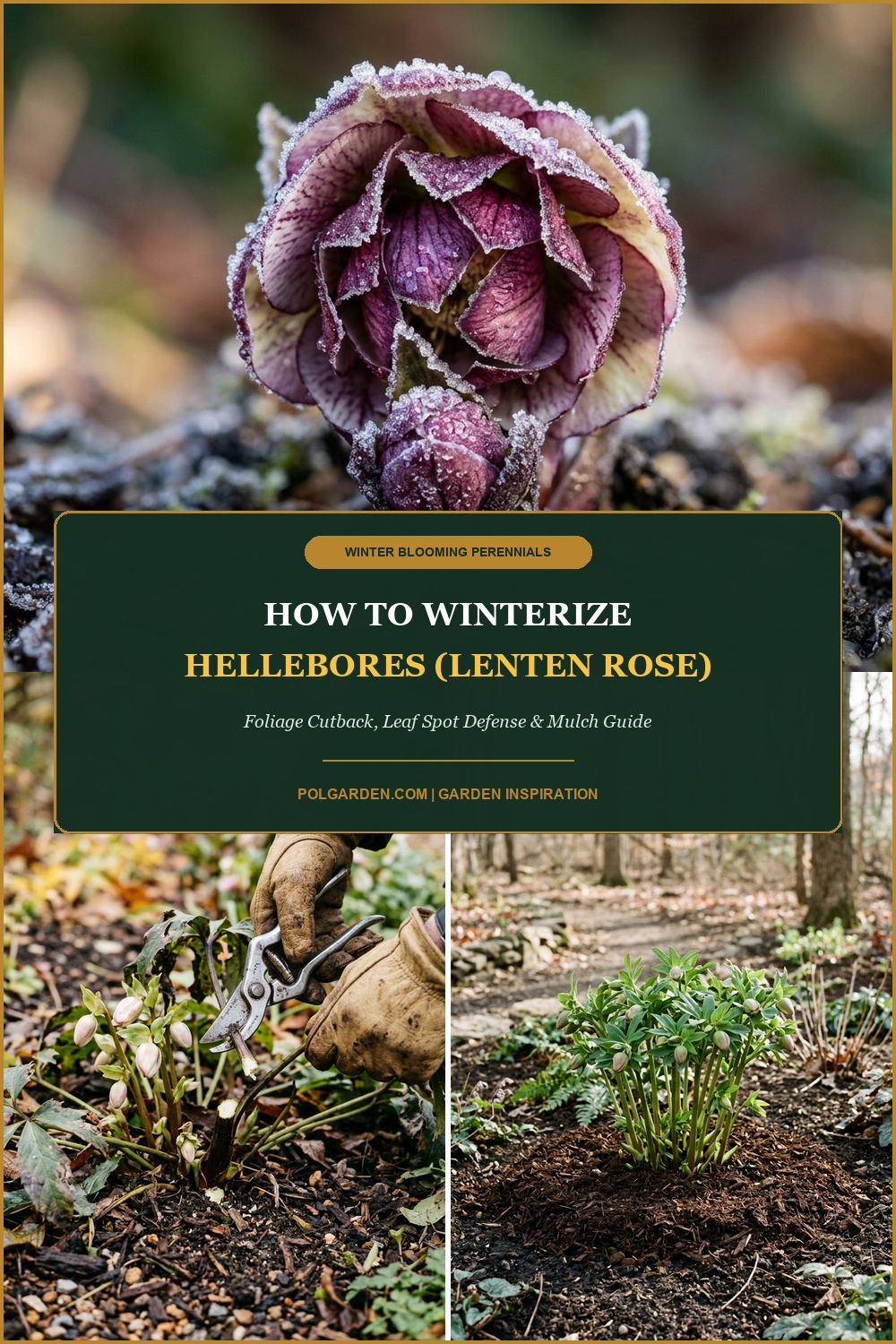
While the vast majority of garden perennials retreat into deep underground dormancy as winter approaches, hellebores (Helleborus), affectionately known as Christmas roses and Lenten roses, are just gearing up for their grandest seasonal performance. Defying sub-zero freezes, ice storms, and blankets of heavy snow, these tough woodland evergreen perennials push jewel-toned, nodding blossoms in late winter when the rest of the garden is asleep. However, achieving pristine, prolific winter blooms hinges entirely on a critical autumn garden chore: the late-fall foliage cutback. Leaving last season’s tattered, leathery leaves intact over winter is a recipe for disaster, as they harbor spores of the notorious black spot fungus (Coniothyrium hellebori), block precious winter sunlight from reaching emerging flower stalks, and obscure the gorgeous flowers beneath a tangle of brown, weather-beaten foliage. Follow this complete four-step winterization blueprint to protect your hellebores, banish fungal pathogens, and stage a magnificent winter floral display.
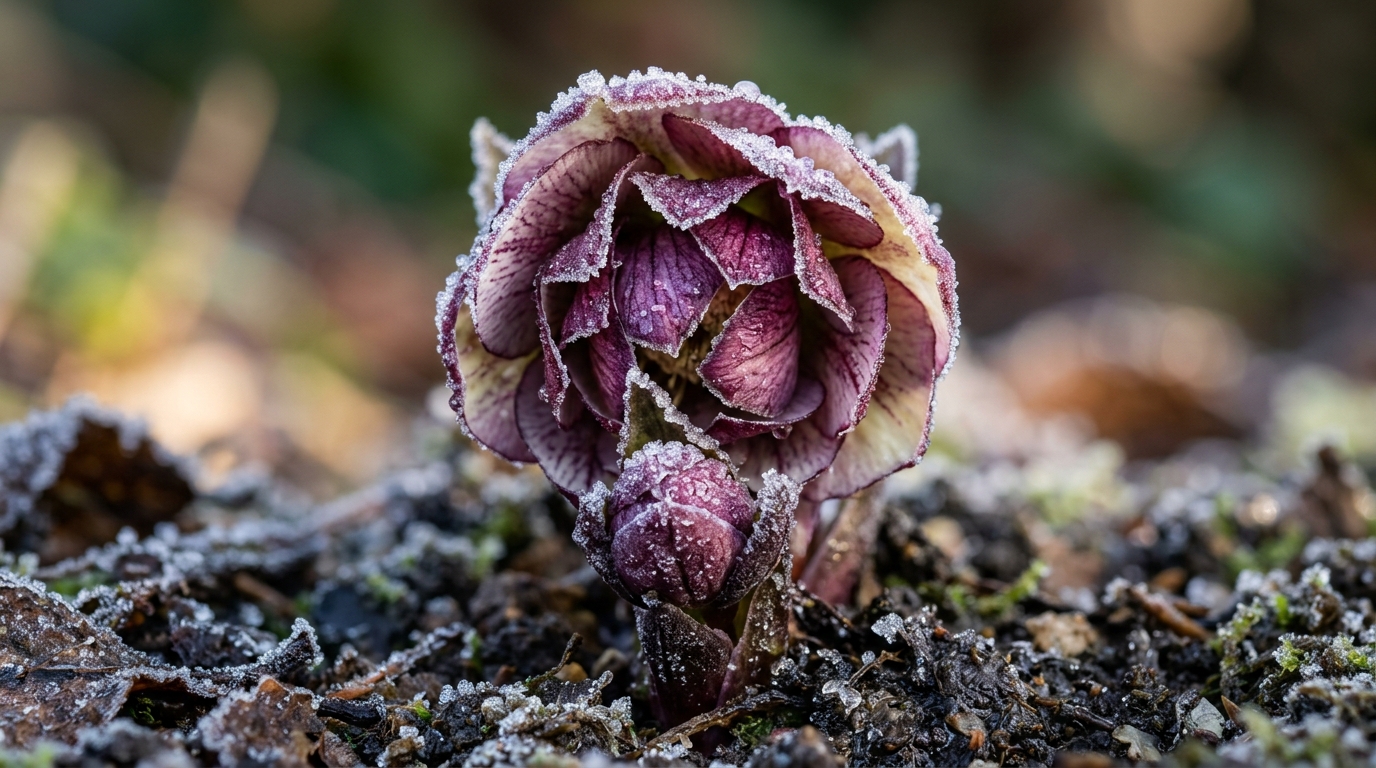
Unlike deciduous shade plants such as hostas and astilbes that cleanly collapse with the first hard frost, hybrid hellebores (principally Helleborus × hybridus) produce thick, fibrous, evergreen leaves designed to survive cool climates. Throughout spring and summer, this lush canopy photosynthesizes to build massive carbohydrate reserves within subterranean rhizomes. By November and December, however, these old leaves have fulfilled their physiological mission. They become tough, scarred by summer heat, and laden with microscopic fungal spores from wet autumn rains. Furthermore, because hellebores form their flower buds right at the crown level beneath this dense umbrella, trimming the old leaves away in late fall redirects the plant’s vascular energy into flower stem elongation and provides the airflow essential to prevent botrytis petal blight.
Why Winterizing Hellebores Matters: The 4 Core Benefits
- Eradicates Black Spot Fungus (Coniothyrium hellebori): This aggressive fungal disease overwinters on old foliage, causing unsightly black blotches on leaves and girdling emerging flower stems. Pruning and disposing of old leaves eliminates the fungal inoculum completely.
- Spotlights Emerging Winter Flowers: Removing the messy dome of decaying foliage allows the nodding, colorful blossoms—ranging from slate-black and royal plum to apricot and double-white—to shine clearly above the soil line without obstruction.
- Deters Overwintering Slugs and Snails: Damp, decomposing leaf litter around the crown creates an ideal winter refuge for mollusks, which voraciously chew through tender emerging flower petals before they even open.
- Promotes Vigorous Spring Basal Flush: Removing the old leaf layer allows warming winter sunshine to trigger the emergence of clean, disease-free new foliage immediately following the bloom cycle in early spring.
Essential Winterizing Supplies & Smart Swaps

- Sharp Precision Bypass Hand Pruners: Essential for making clean snips at the very base of leaf petioles without tearing or damaging neighboring flower buds.
- Rubbing Alcohol or 10% Bleach Solution: Used to sanitize pruner blades between individual plants to prevent the mechanical transmission of fungal spores or viruses (like Hellebore Net Necrosis Virus).
- Decomposed Deciduous Leaf Mold: 2 inches of aged, crumbly leaf mold mimics their native European woodland habitat, providing natural insulation and gentle acidity buffer.
- Well-Aged Organic Compost: Top-dressed around the drip line to provide steady, slow-release microbial nutrients without synthetic burn.
- Agricultural Lime or Hardwood Ash (For Acid Soils): Hellebores prefer neutral to slightly alkaline soil (pH 6.5–7.5); a light dusting of lime balances overly acidic woodland soils.
- Durable Leather or Goatskin Gloves: Hellebore sap contains ranunculin, an organic compound that can cause skin irritation or mild dermatitis upon contact.
Step-by-Step 4-Step Walkthrough to Winterize Hellebores
Step 1: Execute the Strategic Pre-Bloom Foliage Cutback. In late autumn (typically late November to mid-December, before flower stems rise taller than 2 inches), put on protective gloves and grab your sanitized bypass pruners. Carefully trace each old, leathery, or blemish-covered leaf stem back to the crown. Snip the petiole cleanly 1 to 2 inches above soil level. Take extreme care not to nick the plump, tightly clustered flower buds swelling at the base of the plant. (Note: Only cut foliage on stemless hybrid hellebores like H. × hybridus and H. niger; caulescent species with tall woody flowering stems, like H. foetidus and H. argutifolius, should only have damaged leaves removed, not whole stems).
Step 2: Sanitize the Planting Bed and Eliminate Slug Havens. Gather all pruned hellebore leaves and place them directly into a yard waste bag for municipal collection or burning. Never compost diseased hellebore foliage in your home compost pile, as standard residential composting temperatures rarely kill hardy Coniothyrium fungal spores. Next, gently rake away decaying organic debris, fallen tree leaves, and matted weeds from directly on top of the plant’s crown. Clearing this area deprives hungry winter slugs of their hiding spots and exposes slug eggs to natural predators and freezing air.

Step 3: Top-Dress with Leaf Mold and Organic Compost (Keep Crown Clear). Once the crown is clean, spread a rich 2-inch layer of well-rotted leaf mold or compost around the perimeter of the plant, extending out to the drip line. Crucially, leave a 2- to 3-inch clear buffer zone directly around the central root crown. Piling dense mulch or compost directly over the crown traps excessive winter moisture against dormant flower buds, which can lead to crown rot during prolonged cold, wet thaws. If your soil is naturally acidic (below pH 6.0), sprinkle a tablespoon of garden lime or a handful of clean wood ash around the root zone.
Step 4: Shield from Extreme Polar Freezes & Winterize Potted Hellebores. While established in-ground hellebores survive sub-zero temperatures (USDA Zones 4 through 9) without flinching, temporary protection is beneficial during severe polar vortexes without snow cover. If sub-zero temperatures plunge below -10°F (-23°C) on bare ground, loosely lay a tent of evergreen fir boughs or a light layer of loose straw over the budding crowns to prevent bud scorch. For potted hellebores on winter porches, insulate container walls with burlap or move pots into an unheated garage or protected vestibule during severe freezes, watering sparingly once every few weeks.
3 Master Secrets for Breathtaking Winter Flowers
1. The “Two-Inch Rule” for Perfect Cutback Timing. Timing your foliage cutback is everything. If you prune too early (in September), the plant loses valuable weeks of photosynthesis. If you wait too late (February), flower stems have already elongated to 4 to 6 inches, making it nearly impossible to prune old leaf petioles without accidentally lopping off prime flower stems. Inspect your hellebores in late November: the moment you spot flower buds swelling to pea size at the crown, make your cuts.
2. Verify the Crown Planting Depth. Hellebores are notoriously sensitive to planting depth. If a hellebore crown is buried even one inch too deep under soil or heavy mulch, the plant will produce abundant foliage but completely refuse to flower for years. During your autumn winterizing check, inspect the soil line: the top of the rhizomatous crown should sit flush with or just 1/4 inch below the natural soil surface.
3. Use Organic Iron Phosphate Bait Early for Slugs. Winter slugs are the number-one predator of opening hellebore blooms. Slugs remain active whenever temperatures climb above 38°F (3°C) during winter thaws. Scatter pet-safe and wildlife-friendly iron phosphate slug pellets around the outer drip line in late fall after mulching. This eliminates slug populations before they can rasp through delicate winter flower buds.
In-Ground Beds vs. Winter Porch Containers Strategy

Hellebores make magnificent focal points in both perennial woodland beds and festive winter doorstep containers:
- In-Ground Woodland Beds: Planted beneath deciduous canopy trees, hellebores enjoy ideal seasonal conditions: warm, dappled winter sunshine while trees are leafless, followed by cool, protective shade in summer. A 2-inch top-dressing of leaf mold and annual foliage cutback is all that is required for decades of effortless winter blooms.
- Winter Porch Containers: Potted Christmas roses (H. niger) paired with trailing ivy and winter pansies create breathtaking holiday entryway planters. Ensure pots have generous drainage holes to prevent winter waterlogging. Wrap terracotta planters in bubble wrap or insulated burlap to prevent pot cracking during deep freezes, and keep soil barely moist.
Spring Follow-Up: Deadheading vs. Seed Collecting
As spring transitions into early summer and hellebore sepals fade to soft antique green or parchment hues, you have a choice. If you wish to prevent hybrid hellebores from dropping thousands of volunteer seedlings that can crowd parent plants (and rarely grow true to color), deadhead the spent flower stalks back to the crown before the seed carpels swell and split open. However, if you love seeing unique naturalized colonies develop in your woodland garden, allow a few select seed capsules to mature and burst naturally across the mulch bed.
Frequently Asked Questions
Do I have to cut back all hellebore leaves every year?
While not strictly mandatory for survival, cutting back old leaves annually on hybrid hellebores (H. × hybridus) is strongly recommended by commercial breeders and botanical gardens. It breaks the cycle of black spot fungal infection, dramatically improves the visibility of winter flowers, and promotes cleaner, healthier spring foliage.
Why do my hellebore flowers nod or hang downward in winter?
Nodding flowers are an evolutionary adaptation that protects the delicate reproductive pollen and nectar from being ruined by winter rain, sleet, and heavy snow. Many modern cultivars (such as the Frostkiss and Honeymoon series) have been bred with outward-facing blooms, but traditional nodding types look spectacular when planted on slopes or raised woodland banks.
What should I do if a hard freeze flattens my blooming hellebore?
Do not panic! Hellebores have a built-in biochemical mechanism that withdraws water from cellular tissues into the roots during hard freezes, causing stems to collapse flat against the ground. As soon as temperatures rise above freezing, the plant re-inflates its cellular tissues and the stems pop right back upright undamaged.
Explore Related Seasonal Gardening Guides
- How to Winterize Butterfly Bush (Buddleja): Fall Pruning & Crown Mulch Guide
- How to Protect Camellias in Winter: Bud Frost Protection & Burlap Screen Guide
- How to Winterize Rhododendrons & Azaleas: Burlap Windbreak & Bud Protection Guide
- How to Winterize Hostas in Fall: Cutback, Slug Prevention & Mulch Guide
Pin This Gardening Guide for Later
Love this guide? Save this pin to your Pinterest gardening board so you have these winter bloom tips and leaf spot prevention steps ready whenever you need them!