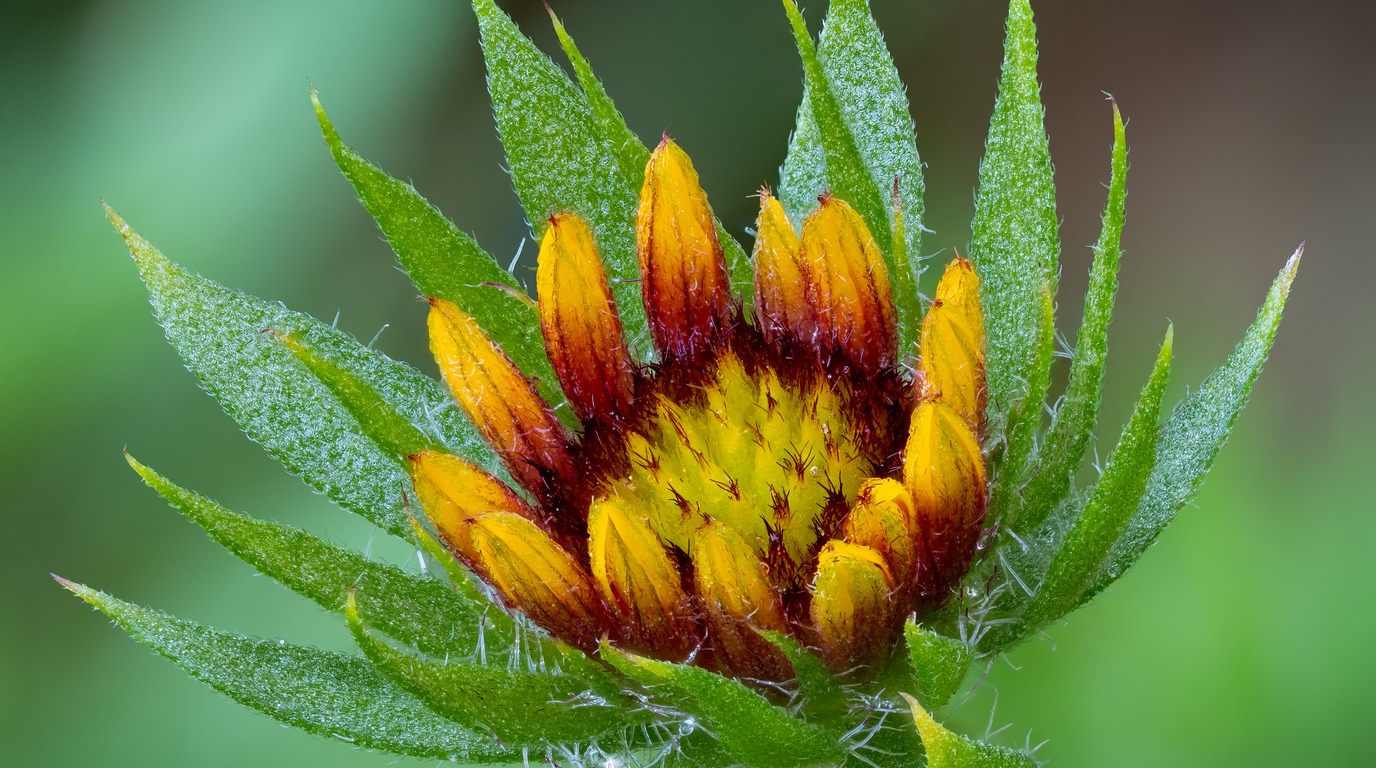
Setting the summer and autumn garden ablaze with radiating halos of sunset orange, fiery ruby-red, and radiant golden-yellow, Gaillardia (commonly celebrated as Blanket Flower, Gaillardia × grandiflora and G. aristata) is among the most tireless, drought-defying perennials in North American gardening. Flowering non-stop from early June until penetrating November freezes turn the soil, these prairie-native wildflowers thrive in blazing heat, poor soil, and searing winds with virtually zero pampering. Yet, despite their rugged resilience and cold hardiness down to USDA Zone 3 (-40°F / -40°C), Gaillardia has earned a frustrating reputation among gardeners for behaving like a finicky annual that mysteriously fails to return the following spring. The culprit is rarely winter cold—it is an unfortunate botanical misstep: Gaillardia is a short-lived perennial that enters winter fatal shock if pruned back aggressively in autumn, or if smothered by heavy, moisture-trapping mulch. When gardeners cut flowering stems back in late fall, the plant exhausts its vital root carbohydrate reserves attempting to push tender new rosettes right before freezing temperatures lock the soil. Learning how to winterize Gaillardia correctly—enforcing late-season seedhead retention, applying porous gravel mulch, and delaying full cutbacks until spring—is the decisive technique to guarantee multi-year longevity and explosive color drifts year after year.
Unlike moisture-loving perennials like tickseed coreopsis or robust prairie classics like black-eyed Susans (Rudbeckia) and coneflowers (Echinacea) that tolerate dense organic mulches, Blanket Flowers evolved on arid western plains and rocky grasslands. Their taproots and semi-woody crown tissues demand bone-dry winter drainage. Piling thick wood chips or decomposing autumn leaves on top of a Gaillardia crown creates an airtight, saturated sponge that breeds destructive crown rot pathogens like Rhizoctonia and Pythium within weeks of the first freeze. Much like winterizing hardy salvia and cold-hardy sedum, protecting Blanket Flower relies on sharp drainage, air circulation, and letting nature take its course. By implementing our systematic 4-step autumn blueprint, you will preserve crown vitality, feed foraging winter birds, and ensure your blanket flowers return bigger, bushier, and more vibrant next season.
Why You’ll Love This Gaillardia Winterization Blueprint
- Overcome the “Short-Lived” Perennial Curse: Stop losing blanket flower clumps after a single season by eliminating autumn cutback shock.
- 100% Crown Rot Elimination: Protect delicate basal tissues from stagnant winter slush with our signature gravel-collar mulching hack.
- Winter Songbird Haven: Turn spent, globe-shaped button seedheads into an irresistible cold-weather feast for native goldfinches.
- Self-Sowing Insurance Policy: Master the effortless autumn seed-scattering trick that ensures perpetual new generations fill your borders for free.
Key Tools & Autumn Supplies

- Coarse Horticultural Grit, Pea Gravel, or Crushed Granite: The premier winter mulch for Gaillardia. Inorganic gravel reflects winter light, prevents soil erosion, and drains melting snow away from the crown collar instantly.
- Bypass Hand Pruners: Kept sharp and sanitized with 70% alcohol for light tidying in late autumn and full cutbacks when spring emerges.
- Hand Rake or Soil Cultivator: Gently scratches the surrounding soil surface when broadcasting mature seeds in late autumn.
- Loose Evergreen Spruce Boughs (Optional): For northern zones (USDA 3–5) experiencing snow-free sub-zero windchills, boughs provide wind protection without matting down.
The 4-Step Gaillardia Fall Winterization Walkthrough
Step 1: Stop Deadheading by Mid-Autumn & Enforce the No-Cut Rule
While aggressive summer deadheading keeps Blanket Flowers blooming profusely for months, you must stop deadheading by mid-September or early October (4 to 6 weeks before your first expected frost). Allowing the final wave of blooms to mature into decorative round, bristly seed balls signals the plant to cease vegetative growth and redirect starches down into its crown. Crucially: do NOT cut the plant down to the ground in autumn! Removing stems in fall prompts the crown to produce fragile green rosettes that freeze and rot over winter. Leave all upright stems and seed heads standing 100% intact through the snow.

Step 2: Shake Mature Seedheads to Guarantee Perpetual Plants
Because Gaillardia is naturally short-lived (typically thriving for 2 to 3 years), relying on natural self-sowing is the cleverest insurance policy for continuous summer color. In late autumn when the seedheads turn dry, tan, and brittle, gently grasp the stems and shake them vigorously over bare, rake-loosened soil around the mother plant. Press the scattered seeds lightly into the soil surface with your palm so they make firm ground contact. Winter cold stratification will naturally break seed dormancy, yielding dozens of robust, free seedlings come April.
Step 3: Clear Away Decomposing Tree Leaves Around the Crown
In late October and November, falling autumn leaves from shade trees often blow into perennial beds, creating dense, wet mats. For Blanket Flowers, this is disastrous. Wet leaves trap moisture against the semi-woody crown collar and block air circulation. Take a hand rake or gently use your fingers to clear all fallen tree litter, wet mulch, and decaying debris within an 8-inch circle around the base of the plant. The crown must remain exposed to fresh air.
Step 4: Apply a Dry Gravel Collar (Never Heavy Bark Mulch)
Traditional organic mulches (like shredded wood chips, cedar mulch, or pine needles) hold excessive moisture in freezing winter soil, suffocating Gaillardia roots. Instead, spread a 1- to 2-inch layer of clean pea gravel, coarse grit, or sharp sand directly around the base of the clump. A gravel collar creates an insulating dry zone that prevents waterlogging, protects roots from frost heave upheaval, and warms quickly under low winter sunshine.
3 Expert Secrets for Flawless Gaillardia Wintering
1. Poor Soil Ensures Longer Winter Lifespans: Gardeners who heavily fertilize Gaillardia or grow them in rich, compost-heavy soil often find their plants die after just one winter. Rich soil causes rapid, succulent growth that lacks cellular density, making crowns extremely susceptible to cold rot. Blanket Flowers live far longer in lean, sandy, or rocky soil with zero added nitrogen!
2. Cut Back in Mid-Spring, Not Winter: Wait until mid-to-late spring (typically late March or April) when you see fresh, bright green tufts of foliage emerging from the base of the crown. Once new growth is clearly active, use clean bypass shears to snip away all old, grey dead stems down to 2 inches above the new green shoots.
3. Winter Wet Feet vs. Winter Cold: Gaillardia effortlessly withstands -30°F temperatures in dry, snow-covered ground, but it will turn to black mush at 32°F in heavy, waterlogged clay. If your garden soil retains standing water during winter rains or spring snowmelt, always transplant your blanket flowers into raised berms or gravel-lined rock gardens.
Autumn Garden Bed Pairings & Companion Care

- Drought-Tolerant Sun Companions: Group Gaillardia alongside winterized coreopsis and perennial salvia, creating an ultra-hardy sun border that thrives with minimal winter moisture and gravel mulching.
- Prairie Bird-Feeder Borders: Interplant with purple coneflowers and black-eyed Susans, leaving all sculptural seed cones and blanket flower button heads standing together for a magnificent winter bird buffet.
- Succulent & Rock Garden Pairings: Place near cold-hardy Autumn Joy sedum, sharing the same sharp gravel drainage and winter crown aeration requirements.
Spring Re-Emergence: Waking Up Your Blanket Flowers
- Checking for Crown Greenery: In mid-spring when daytime temperatures rise consistently into the upper 50s°F (14°C to 16°C), inspect the base of the clump for dense clusters of serrated, hairy green leaves.
- The Spring Pruning Clean-up: Snip off all brittle, weathered stems from the previous year. Clear away any dead debris that blew into the gravel collar over winter to give the new green shoots unobstructed access to sunshine.
- Thinning Self-Sown Seedlings: Look for tiny seedling rosettes sprouting around the parent plant. Thin them to 12 to 18 inches apart or gently transplant them with a trowel to expand your blanket flower drifts across other sunny beds.
Gaillardia Winterization At-A-Glance
| Factor | Recommended Fall Protocol | Common Mistake to Avoid |
|---|---|---|
| Fall Cutback Rule | Leave stems and seedheads standing intact | Cutting back to ground in autumn (causes winterkill) |
| Mulch Selection | 1–2 in. coarse gravel or pea gravel | Piling heavy wood chips or wet leaves on crown |
| Deadheading Deadline | Cease deadheading by mid-to-late September | Deadheading continuously until hard frost |
| Spring Cutback Timing | Mid-to-late spring once green shoots appear | Pruning in mid-winter or late fall |
| Cold Hardiness | USDA Zones 3–10 (Hardy to -40°F in dry soil) | Planting in poorly-drained, waterlogged clay |
Frequently Asked Questions
Should I cut back my blanket flowers in the fall?
No! You should never cut Gaillardia back to the ground in the fall. Cutting stems back in autumn depletes the plant’s carbohydrate reserves and leaves the crown vulnerable to winter freeze damage and fungal rot. Leave stems standing all winter and cut them back in mid-spring when fresh green growth appears at the base.
Why do blanket flowers often fail to come back in the spring?
Blanket flowers are short-lived perennials that naturally decline after 2 to 3 years, but premature winter mortality is usually caused by excessive soil moisture and crown smothering. Planting in heavy, waterlogged clay or burying the crown under thick organic mulch rots the roots during winter freeze-thaw cycles. Allowing seedheads to mature and scatter seeds in fall ensures fresh seedlings emerge every year.
Are blanket flower seed heads beneficial for winter birds?
Yes! The spiky, globe-shaped button seedheads of Gaillardia are packed with seeds that provide essential nourishment for wild goldfinches and other songbirds throughout the late autumn and winter months. Leaving them standing turns your garden into a vital natural winter bird feeder.
Pin This Blanket Flower Winterizing Guide for Later
Keep your fiery blanket flowers returning year after year! Pin this step-by-step Gaillardia winterizing, fall cutback rules, and gravel crown mulch guide to your Pinterest gardening board for easy seasonal reference!