
Few perennials evoke the delightful whimsy and botanical charm of Balloon Flowers (Platycodon grandiflorus, also revered as Chinese Bellflower), whose puffed, air-filled balloon buds swell with dramatic anticipation before popping open into luminous, five-pointed star-shaped bells of royal cobalt, soft lavender, and pristine porcelain white. Thriving throughout midsummer into the crisp mornings of autumn, these long-lived East Asian natives are renowned for their bulletproof cold hardiness, easily withstanding bone-chilling sub-zero freezes down to USDA Zone 3 (-40°F / -40°C). However, beneath this legendary winter toughness lies a unique subterranean paradox that catches countless gardeners off guard: Balloon Flowers anchor themselves with fleshy, brittle, radish-like taproots that are acutely vulnerable to winter waterlogging, frost heave fracture, and accidental spring destruction. Because Platycodon foliage completely dissolves into yellow mush after hard frosts, the plant disappears without a trace underground and is notoriously one of the absolute last perennials to wake up in spring—frequently staying dormant until late May. Learning how to winterize Balloon Flowers properly—mastering the post-frost golden cutback, applying breathable crown insulation, and permanently staking crown locations—is the essential formula to protect fragile taproots and guarantee breathtaking floral displays year after year.
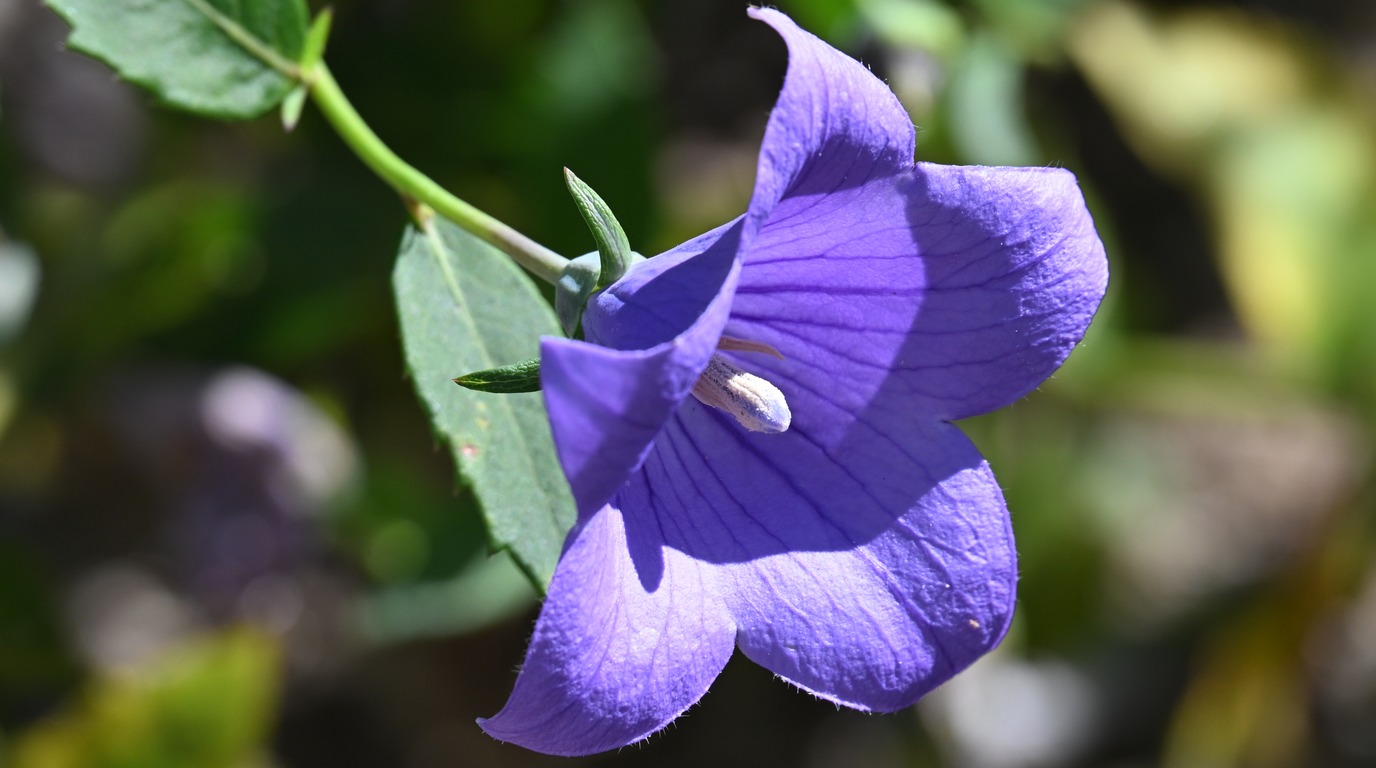
Unlike fibrous-rooted perennials such as feathery astilbe or surface-creeping cranesbill geraniums that divide and transplant effortlessly, Balloon Flowers form a single, massive fleshy taproot that reaches deep into the subsoil. Much like taproot-anchored lupines and woodland columbines, Platycodon resents root disturbance. If violent winter freeze-thaw cycles heave the soil, brittle taproots can snap clean in half, causing fatal rot when spring thaws arrive. Furthermore, premature cutbacks while stems are still green deprive the thick taproot of vital carbohydrate recharge, while cutting flush with the mud allows fungal decay to enter the crown neck. Similar to the delicate crown care required for bleeding hearts, our 4-step autumn walkthrough guarantees maximum winter survival, zero crown rot, and effortless spring identification.
Why You’ll Love This Balloon Flower Winterization Blueprint
- 100% Taproot Fracture Defense: Protects deep, brittle fleshy roots from the destructive expansion of late-winter freeze-thaw heave.
- Eliminate Accidental Spring Spading: Never accidentally dig up or plant over dormant crowns during early spring garden cleanups.
- Zero Winter Crown Rot: Learn the exact cutback height and mulch thickness that keeps freezing rainwater from penetrating crown necks.
- Golden Nutrient Translocation: Synchronizes cutback timing with natural foliage senescence to pack taproots with maximum energy for giant summer bells.
Key Tools & Autumn Supplies

- Bypass Hand Pruners: Scissor blades provide clean, surgical cuts across fibrous stems without yanking or jarring the brittle taproot beneath. Always sanitize blades with 70% alcohol.
- Durable Wooden or Metal Plant Stakes / Markers: The unsung hero of Platycodon care! Brightly labeled stakes placed right next to the crown prevent accidental shoveling during April garden cleanups.
- Shredded Hardwood Bark or Clean Pine Straw: Light, breathable organic mulch that stabilizes soil temperatures without matting into a soggy winter sponge.
- Coarse Sand or Horticultural Grit: Excellent for amending heavy soil beds around the crown collar to ensure rapid winter snowmelt drainage.
The 4-Step Balloon Flower Fall Winterization Walkthrough
Step 1: Wait for Foliage to Turn Golden Yellow, Then Prune to 2 Inches
Patience is essential when preparing Balloon Flowers for winter dormancy. Do not cut stems back in late summer or early fall while leaves are green. As autumn frosts arrive, the entire plant transitions into a glorious luminous butter-yellow hue. This color shift signals that the plant is busily pulling sugars and nitrogen out of the foliage and funneling them down into its subterranean taproot. Once the leaves turn completely golden or collapse after 1 to 2 hard freezes, take sharp bypass pruners and snip the stems back to 2 to 3 inches above the soil line. Never cut flush with the soil—the remaining stubble keeps water from running directly into the crown heart and serves as an immediate visual marker.

Step 2: Install Permanent Location Stakes Immediately
Because Balloon Flower foliage dissolves completely into the soil over winter, the ground above the clump will look completely barren from December through May. Furthermore, Platycodon is notoriously late to break dormancy—often waiting until daytime temperatures stay consistently above 65°F (18°C) in late May. Countless experienced gardeners accidentally slice into dormant taproots while cultivating beds or planting early spring annuals. The instant you cut the stems back, insert a sturdy wooden stake, bamboo cane, or permanent metal plant marker right beside the crown stubble so you know exactly where not to dig!
Step 3: Deep Autumn Hydration Before Ground Freeze
Although mature Balloon Flowers are exceptionally drought-tolerant during summer heat, their fleshy taproot requires adequate hydration before entering suspended winter animation. Dry winter winds combined with frozen soil cause root desiccation. Approximately 48 hours before the first sustained ground-freezing cold front arrives, give the planting area a slow, deep soaking. Moist soil holds thermal heat significantly longer than dry, parched dirt, insulating subterranean roots against abrupt freeze shocks.
Step 4: Apply an Insulating Breathable Mulch Blanket
After the top inch of soil freezes for the first time, spread a 2- to 3-inch blanket of shredded bark, pine straw, or composted leaf mold directly over the root zone. In northern gardens (USDA Zones 3 through 5), this mulch layer is critical: it prevents soil from thawing during unseasonable mid-winter warm spells and refreezing overnight—the primary trigger of frost heave. Keep mulch light and airy; avoid dense, wet clumps of whole tree leaves that trap stagnant moisture against the crown.
3 Expert Secrets for Flawless Balloon Flower Wintering
1. Never Divide or Move in Autumn: While most perennials benefit from late-summer division, Balloon Flowers are an absolute exception! Their long white taproot is brittle like glass and produces very few fibrous lateral hairs. Disturbing the taproot in autumn right before freezing weather begins invites devastating root rot and virtually guarantees winter death. If you must divide or move Balloon Flowers, do so exclusively in mid-spring when shoots are just 1 to 2 inches tall.
2. The Secret to Self-Sown Color Drifts: If you love seeing new balloon flower clumps appear naturally, allow the final 2 or 3 seed pods on each stem to ripen into brown, star-tipped capsules in October. Shake the shiny black seeds over raked soil near the parent plant before applying your winter mulch. Natural winter freeze-thaw stratification will germinate dozens of vigorous new seedlings come spring.
3. Winter Soil Drainage is Life or Death: Platycodon effortlessly tolerates -35°F air temperatures when tucked in dry, well-drained soil, but it will succumb to black rot at 30°F if trapped in waterlogged, dense clay. If your garden has heavy clay, amend planting beds with coarse sand and crushed granite grit, or elevate clumps on raised berms.
Autumn Garden Bed Pairings & Companion Care

- Late-Emerging Companion Groupings: Pair Balloon Flowers with hardy hibiscus (Rose Mallow) and Japanese anemones—all three are notorious late risers in spring that share similar deep-mulching protocols.
- Early Spring Bulb Partners: Interplant with early spring-blooming bulbs like snowdrops, crocus, and early daffodils. The spring bulbs will flower and fade long before the slow-growing Balloon Flower stems emerge, creating a seamless floral relay without competing for root space.
- Cottage Garden Borders: Group alongside delphiniums and garden phlox, sharing rich organic mulching while providing stunning vertical contrast during peak summer bloom.
Spring Re-Emergence: Waking Up Your Balloon Flowers
- Patience During Spring Wake-Up: Do not panic if your garden border is alive with greenery in April while your Balloon Flower spot remains completely bare dirt! Platycodon routinely stays dormant until mid-to-late May. Check your autumn marker stake and leave the area undisturbed.
- Gentle Mulch Pullback: Once daytime temperatures reliably exceed 60°F (16°C) in early May, gently rake back the heaviest layers of winter mulch from directly over the crown to allow solar heat to warm the soil.
- Emergence & Slug Vigilance: As the pointed, asparagus-like purple-green shoots finally emerge from the soil, keep a close eye out for hungry spring slugs, which adore feeding on tender new Platycodon growth. Scatter pet-safe iron phosphate bait around the shoots.
Balloon Flower Winterization At-A-Glance
| Winterization Factor | Recommended Fall Protocol | Common Mistake to Avoid |
|---|---|---|
| Cutback Timing | After foliage turns completely golden yellow | Cutting back in early fall while stems are green |
| Pruning Height | 2 to 3 inches above the soil line | Cutting flush with mud or pulling stems by hand |
| Crown Marking | Insert sturdy wooden/metal stake at base | Failing to mark crown (digging it up in spring) |
| Mulch Thickness | 2 to 3 inches (shredded bark, pine straw) | Piling heavy, wet, suffocating tree leaves |
| Cold Hardiness | USDA Zones 3–9 (Hardy down to -40°F) | Dividing or transplanting taproot in autumn |
Frequently Asked Questions
Do balloon flowers come back every year?
Yes! Balloon Flowers (Platycodon grandiflorus) are exceptionally long-lived, hardy perennials that return reliably year after year. As long as their fleshy taproots are protected from waterlogged winter soil and freeze-thaw heave, a single plant can thrive in the same garden spot for decades without needing division.
Should I cut balloon flowers down in the fall?
Yes, but only after the foliage has naturally turned butter-yellow in late autumn following the first few frosts. Cutting stems back to 2 to 3 inches above the ground removes spent foliage while leaving a protective stem stubble that prevents water from entering the crown heart.
Why are balloon flowers so late to come up in the spring?
Balloon Flowers naturally require warm soil temperatures (above 60°F / 16°C) to break winter dormancy. In many northern and temperate gardens, shoots will not emerge until mid-to-late May, long after other perennials have leafed out. Always mark the crown location in autumn so you don’t accidentally dig into the dormant taproot in early spring!
Pin This Balloon Flower Winterizing Guide for Later
Ensure your prized balloon flowers return bigger and more vibrant next summer! Pin this step-by-step Platycodon winter care, taproot protection, and spring staking guide to your Pinterest gardening board for easy seasonal reference!