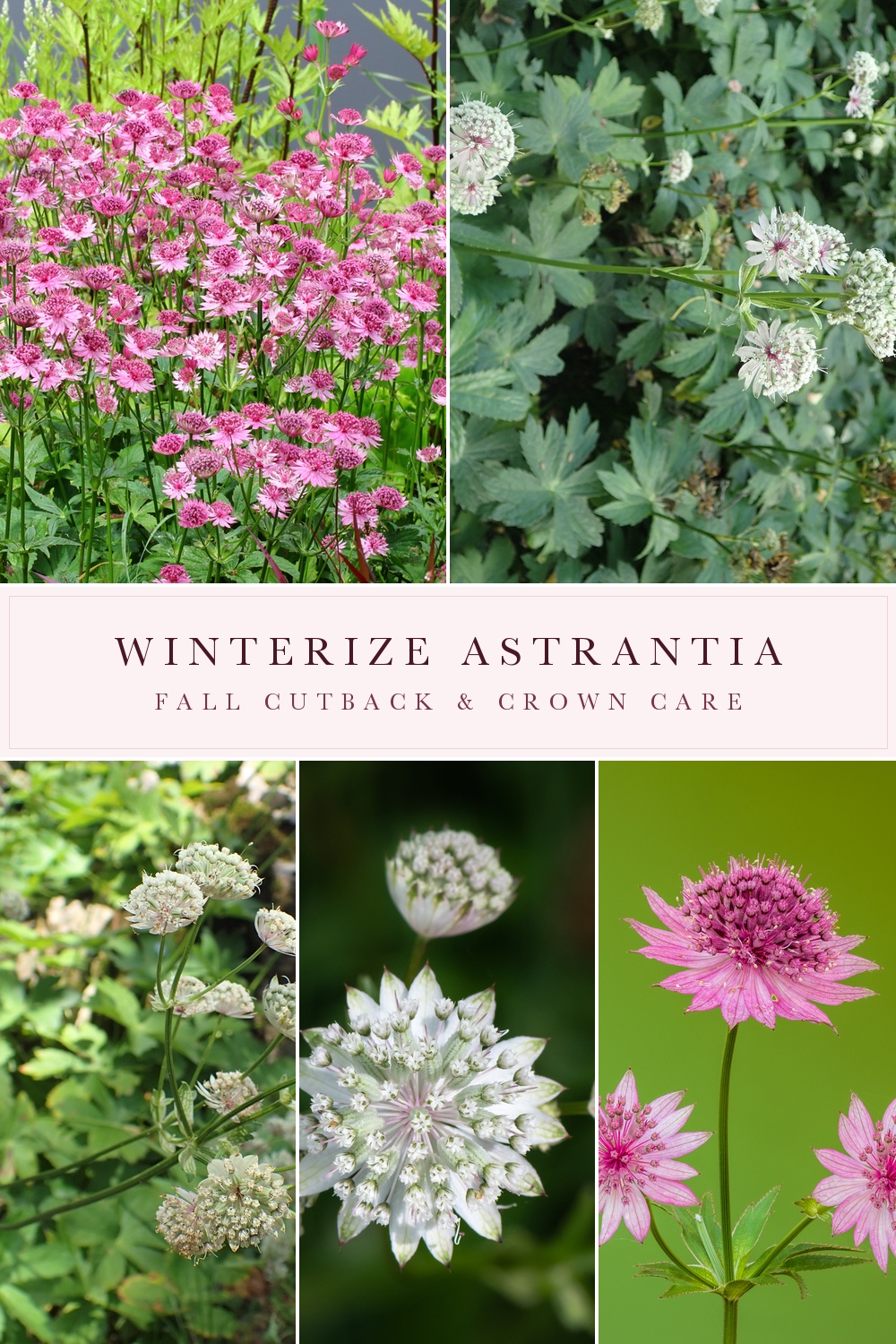
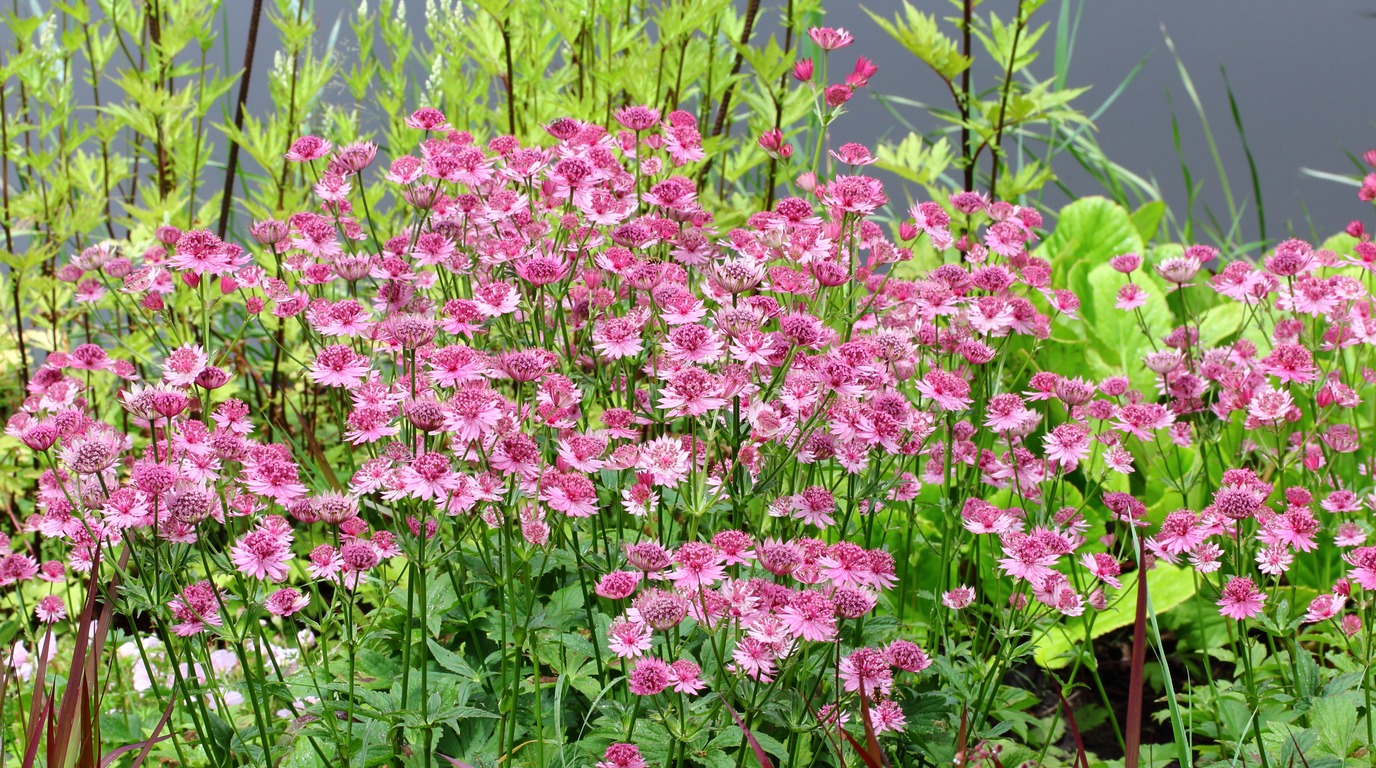
Celebrated for its intricate, paper-textured ruffs and delicate pincushion florets that illuminate shaded garden borders, Astrantia (commonly known as masterwort) is one of the most reliable and graceful hardy perennials in temperate horticulture. Flourishing in cottage borders, damp woodland pockets, and shaded stream verges, cultivars like ‘Roma’, ‘Hadspen Blood’, and ‘Star of Beauty’ deliver months of starry summer color. Yet, as autumn frosty mornings arrive and the upright flowering stems begin to brown, gardeners face an important seasonal transition: determining how to cleanly tidy spent flowering stalks while shielding the plant’s shallow fibrous root crown from freezing winter saturation and damaging cold cycles.
Native to mountain meadows, stream edges, and open forest clearings across Central and Eastern Europe, Astrantia major is remarkably cold-tolerant, happily thriving across USDA Hardiness Zones 4 through 9 (withstanding temperatures well below -25°F / -31°C). Despite its rugged frost tolerance, masterwort’s primary winter hazard is not sub-zero air—it is stagnant moisture paired with freeze-thaw cycles that heave young crowns out of wet ground. Preparing Astrantia for the dormant season requires a balanced protocol: trimming back withered flower stems, preserving the tight basal leaf mound as long as it remains green, and laying down a permeable organic mulch blanket that insulates the root system without suffocating dormant crown buds.
Why You’ll Love This Winter Care Routine
- Time / Speed: Requires less than 10 minutes of gentle pruning and top-dressing per established clump.
- Rot Prevention: Clearing soggy spent stems eliminates breeding grounds for gray mold (Botrytis) during cold, damp winter thaws.
- Self-Seeding Control: Removing late-season flower heads prevents aggressive wild seedlings from overcrowding named, highly prized hybrid cultivars.
- Vigorous Spring Emergence: An autumn insulating blanket preserves root vitality, allowing dense mounds of fresh palmate foliage to burst forth in early spring.
Key Supplies & Seasonal Timing

- Sharp Bypass Hand Shears: Cleanly cut through fibrous stems without crushing delicate basal rosettes.
- Shredded Bark or Well-Aged Leaf Mold: Provides light, airy thermal insulation that allows excess rainfall to drain freely away from the root plate.
- Well-Rotted Organic Compost: A modest 1-inch autumn top-dressing revitalizes depleted soil biology around shallow roots over winter.
- Coarse Horticultural Grit or Pea Gravel (Optional): Excellent for heavy clay soils to collar the crown and prevent stagnant water accumulation.
Step-by-Step Astrantia Winterizing Walkthrough
1. Perform a Deep Pre-Freeze Soak: Like many woodland and moisture-loving shade perennials, Astrantia roots will suffer desiccation if frozen dry in windswept ground. In mid-to-late autumn, roughly two weeks before the subsoil freezes, irrigate the base of the plant thoroughly. Well-hydrated soil retains geothermal heat substantially better than dry earth, buffering roots against early seasonal temperature drops.
2. Prune Spent Flower Scapes Cleanly: While Astrantia’s dried papery bracts provide subtle architectural interest in autumn, leaving them through heavy winter snow can mat over the plant’s center. Snip flowering stems all the way down to just above the basal foliage mound. If you want to avoid unwanted hybrid seedlings popping up throughout the border, ensure you cut these seed heads before autumn winds dislodge ripe seeds.

3. Preserve Basal Rosette Until Hard Frost: Unlike the tall upright bloom stems that wither early, Astrantia’s low basal leaves often remain verdant and functional well into November. Continue to leave this green rosette untouched so long as it stays healthy—the foliage continues to feed the crown via late photosynthesis. Only after several hard killing frosts (below 28°F / -2°C) cause the basal leaves to yellow and collapse should you shear them cleanly 1 to 2 inches above the soil line.
4. Apply an Airy, Protective Mulch Collar: Once the plant is trimmed, spread a 2-to-3-inch blanket of shredded bark, shredded autumn leaves, or aged leaf mold over the root zone. Keep the layer slightly thinner immediately above the central crown collar so moisture evaporates quickly, preventing crown mold while shielding surrounding shallow fibrous feeder roots from frost heaving.
3 Horticultural Secrets for Flourishing Spring Astrantias
1. Autumn Clump Division Protocol: Established Astrantia clumps (3 to 5 years old) develop dense, congested woody root centers that produce smaller blooms. Late autumn (after top growth collapses) or very early spring is the prime window to divide them. Lift the root mass with a garden fork, slice clean sections with at least two or three vigorous growing eyes, and replant immediately into moist, humus-rich soil.
2. The Winter Crown Collar Defense: In gardens with dense clay or poorly draining soil, winter wetness is the number one cause of masterwort mortality. To counter this, sprinkle a 1-inch ring of coarse horticultural grit or sharp sand directly around the crown before adding organic mulch. This simple layer sheds standing winter snowmelt away from vulnerable dormant buds.
3. Prevent Crown Desiccation in Snowless Cold Snaps: In zones with open, snowless winters accompanied by frigid, drying winds (common in continental climates), uninsulated Astrantia roots can dry out. Layering light evergreen boughs or straw over mulched clumps provides physical wind deflection without packing down heavily.
What to Pair With Astrantia in Winter Borders

- Bold Architectural Foliage: Interplant with monumental Rodgersia and broad-leaved leopard plant (Ligularia), creating striking contrasts between masterwort’s delicate starry ruffs and huge palmate foliage.
- Feathery Plume Companions: Pair alongside dramatic goat’s beard (Aruncus dioicus) and rich woodland monkshood (Aconitum) for cascading layers of summer textures that die back simultaneously in late autumn.
- Graceful Arching Lines: Combine with elegant Solomon’s seal (Polygonatum) to create rhythmic vertical elevation in moist, shaded garden corridors.
- Low Evergreen Carpets: Surround with ground-hugging barrenwort (Epimedium), soft lady’s mantle (Alchemilla mollis), and spotted lungwort (Pulmonaria) to blanket soil and prevent rainfall erosion during winter months.
Winter Monitoring, Cold Hardiness & Spring Care
- Hardiness Zone Resilience: Astrantia thrives from USDA Zone 4 through Zone 9 (-30°F to 20°F). In northern zones (Zone 4), a 3-to-4-inch mulch layer ensures the shallow fibrous root zone stays safely buffered against deep ground penetration.
- Container Overwintering Guidelines: Potted Astrantias are exposed to sub-freezing winds from all sides. Either move pots into an unheated garage, shed, or cold frame, or heel the containers directly into a garden bed up to their rims before mulching.
- Slug Prevention in Early Spring: Emerging spring Astrantia croziers are tender delicacies for early-season slugs. In late winter (February to March), clear heavy mulch away from the crown center so drying spring breezes deter overwintering garden pests.
- Spring Unveiling: As daytime temperatures rise consistently into the 50s°F (10°C to 12°C), gently rake the insulating mulch blanket away from the crown to allow warming sunlight to trigger rapid new foliage emergence.
Frequently Asked Questions
Should I cut Astrantia all the way to the ground in autumn?
Yes, but in two gradual stages. Cut the tall, dried flowering scapes down to the basal foliage in early autumn to prevent self-seeding. Then, wait until a hard killing frost causes the basal leaves to yellow and wilt before cutting them down to 1 to 2 inches above the soil line.
Does Astrantia self-seed aggressively if not cut back?
Yes. True species and fertile cultivars like Astrantia major produce numerous viable seeds that can sprout enthusiastically throughout garden beds. Cutting flower heads before winter ensures you preserve space for the parent plant and prevent generic seedlings from choking out prized cultivars.
Can Astrantia survive winter in wet, poorly drained soil?
While Astrantia demands moist, fertile soil during the hot summer growing season, standing or waterlogged ice during winter can rot the fibrous crown. Ensure soil is amended with organic matter or planted on gentle slopes to maintain good drainage while dormant.
Do deer and rabbits eat dormant Astrantia crowns?
No. Astrantia is naturally deer and rabbit-resistant thanks to its slightly aromatic foliage and astringent root system, making it an exceptionally safe winter choice for rural and woodland gardens.
Save This Astrantia Winter Guide
Loved this Astrantia winter care guide? Save this pin to your Pinterest perennial gardening board so you have these essential cutback steps and crown protection tips ready every autumn!