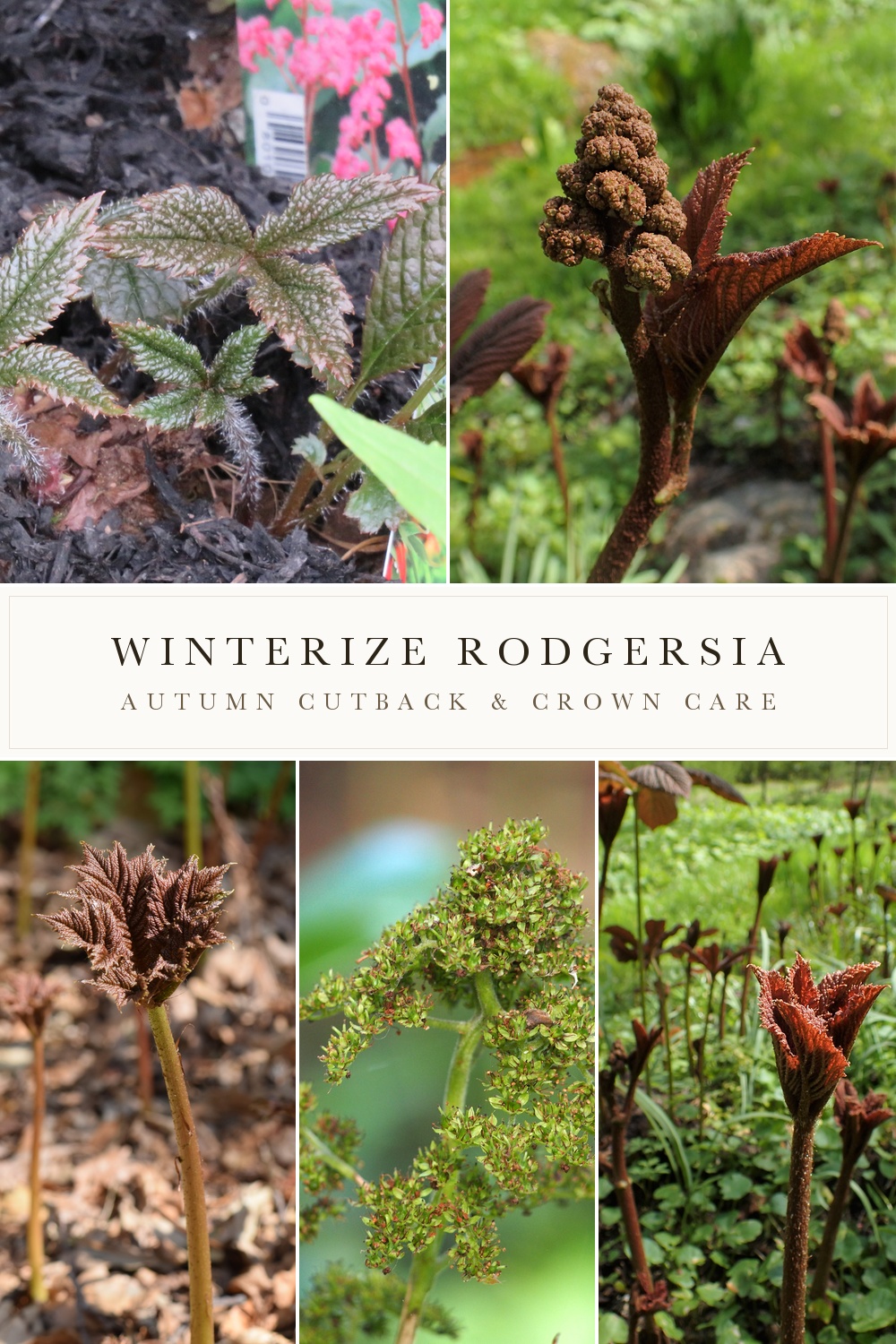
With its dramatic, deeply veined palmate leaves spanning up to three feet across and towering, astilbe-like floral plumes, Rodgersia stands as one of the true titans of the damp shade border. Frequently compared to horse chestnut foliage for its bold, architectural leaflets, this prehistoric-looking perennial undergoes a breathtaking autumn transformation as its deep green canopy turns rich shades of burnished bronze, mahogany, and copper. However, successfully shepherding Rodgersia through freezing winter temperatures requires understanding its specialized anatomy: beneath the soil lies a network of thick, fleshy horizontal rhizomes that demand protection from frost heaving, stagnant winter ice, and destructive early spring freeze-thaw cycles.
Native to moist mountainous ravines, forest margins, and stream banks across East Asia, celebrated species like Rodgersia pinnata (such as ‘Chocolate Wings’ and ‘Fireworks’) and Rodgersia aesculifolia are thoroughly cold-hardy throughout USDA Zones 5 through 8, with some varieties surviving Zone 4 when insulated with heavy snowpack. Unlike tap-rooted perennials that anchor several feet deep, Rodgersia creeps horizontally just under the leaf litter. Autumn garden care balances allowing leaves to channel crucial carbohydrates back into the rhizome network before shearing, removing slimy spent stalks to prevent Botrytis blight, and applying an airy organic mulch blanket that preserves soil moisture without rotting crown eyes.
Why You’ll Love This Winter Care Routine
- Time / Speed: Takes less than 15 minutes per established specimen once the first killing freezes arrive.
- Rhizome Rot Prevention: Cutting back wet, collapsed foliage prevents decaying vegetation from creating an airless slime blanket over dormant growth buds.
- Frost Heave Protection: Insulating shallow surface rhizomes prevents freeze-thaw cycles from pushing newly formed rooting nodes out of the ground.
- Massive Spring Foliage Expansion: Clearing spent autumn debris gives massive new bronze unfurling croziers unobstructed room to expand in early spring.
Key Supplies & Seasonal Timing

- Clean Bypass Hand Pruners or Loppers: Sharp blades cut cleanly through thick, fleshy leaf stalks without crushing or tearing shallow rhizome tissues.
- Coarse Shredded Bark or Leaf Mold: An airy 3-inch organic mulch blanket insulates without trapping stagnant standing water against dormant crowns.
- Rich Aged Compost: A light 1-inch top-dressing nourishes the soil biology around creeping rhizomes over the winter months.
- Temporary Frost Cloches or Burlap: Essential spring protective coverings ready to shield emerging tender foliage from late spring frost snaps.
Step-by-Step Rodgersia Winterizing Walkthrough
1. Late Autumn Deep Hydration: Because Rodgersia naturally inhabits damp waterside environments, plants entering winter in parched ground suffer severe desiccation and crown dieback. Give your planting beds a slow, thorough soaking in late October before your region’s subsoil freezes solid. Moist soil retains ground warmth significantly longer than bone-dry earth, buffering shallow horizontal rhizomes against sudden temperature plunges.
2. Allow Natural Foliage Senescence: Do not cut back Rodgersia while its immense leaves remain green and firm in September. As day lengths decline, the foliage naturally transitions into spectacular shades of bronze and copper. During this period, chlorophyll recedes and vital carbohydrates translocate back down into the fleshy storage rhizomes. Wait until a hard freeze (temperatures dropping below 28°F / -2°C) causes the foliage to collapse.

3. Cut Spent Stalks Cleanly to 2–3 Inches: Once the foliage collapses into mush, use sharp bypass shears to prune each thick leaf petiole and spent flower stalk down to 2 or 3 inches above ground level. Leaving short stubs provides an unmistakable visual marker marking crown locations so dormant eyes are never stepped on during winter walks. Collect and remove all severed foliage immediately to eliminate overwintering fungal spores.
4. Apply an Insulating Breathable Mulch Blanket: Spread a generous 3-inch layer of shredded pine bark, pine needles, or well-seasoned leaf mold directly over the planting footprint. Crucially, taper the mulch slightly around the central stem stubs so trapped standing water does not foster fungal rot while the peripheral creeping rhizomes remain thoroughly insulated.
3 Horticultural Secrets for Colossal Spring Rodgersias
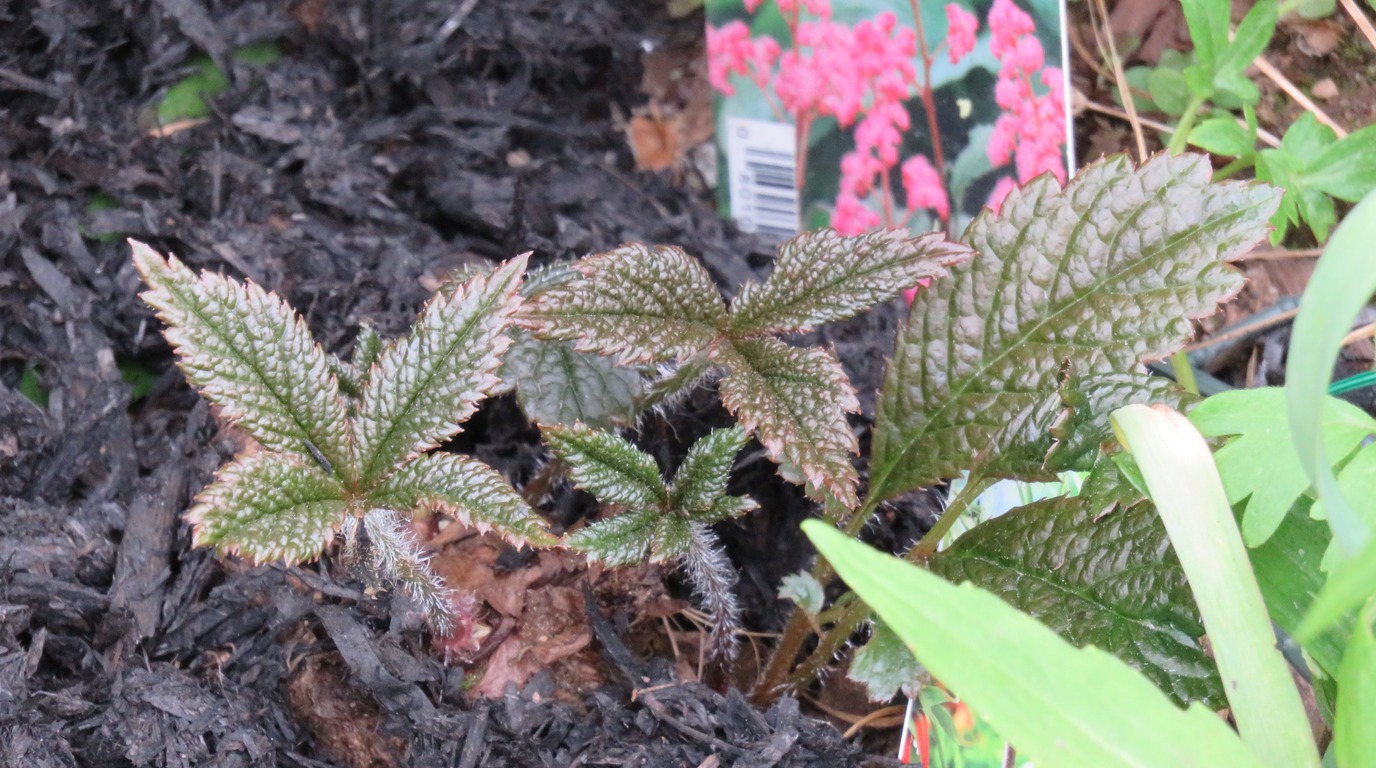
1. The Critical Late Spring Frost Alert: The greatest threat to Rodgersia is almost never winter cold; it is an unseasonal late spring frost. In early to mid-April, Rodgersia pushes up tight, bronze-colored croziers that are intensely vulnerable to freezing temperatures. If an overnight frost threatens after new shoots emerge, cover the crowns with an inverted nursery pot, cardboard box, or frost cloth overnight, removing it promptly the next morning once the sun warms the air.
2. Spring Rhizome Division Only: Never attempt to divide Rodgersia rhizomes in late autumn. Fleshy rhizome cuts need active root metabolism to heal; autumn wounds frequently rot in cold, wet winter soil. If clumps need dividing or relocating, wait until very early spring just as dormant growth buds swell but before leaves unfurl.
3. Winter Soil Aeration: While Rodgersia loves rich moisture throughout summer heat, resting crowns will quickly rot if submerged under sheets of stagnant freezing sludge. If your garden has dense clay, amend beds with coarse compost or plant on subtle woodland mounds where gravity draws melting winter snow away from the crown collar.
What to Pair With Rodgersia in Winter Borders

- Feathery Plume Contrasts: Position alongside monumental goat’s beard (Aruncus dioicus) and feathery astilbes to contrast Rodgersia’s heavy palmate foliage with airy summer plumes.
- Architectural Color Partners: Interplant near deep-blue monkshood (Aconitum) and broad-leaved leopard plant (Ligularia) for an opulent woodland tapestry that dies back together in late autumn.
- Slender Arching Stems: Pair with graceful Solomon’s seal (Polygonatum) to balance wide, spreading ground coverage with delicate upright lines.
- Semi-Evergreen Carpets: Underplant around barrenwort (Epimedium) and velvety lady’s mantle (Alchemilla mollis) to keep garden soil shielded from winter rain splash.
Winter Monitoring, Cold Hardiness & Spring Care
- Hardiness Zone Thresholds: Most Rodgersia cultivars thrive across USDA Zones 5 through 8 (-20°F / -29°C). In Zone 4, provide a thicker 4-to-5-inch layer of straw or evergreen boughs to ensure shallow rhizomes remain buffered against deep frost penetrations.
- Container Overwintering: Containerized specimens lack surrounding ground mass and risk frozen root shock. Relocate pots into an unheated garage or sink containers up to their rims in a garden trench before mulching heavily.
- Pest Immunity: Thanks to their leathery texture and fibrous root structure, dormant Rodgersia rhizomes are virtually immune to winter vole and rodent tunneling.
- Spring Unveiling: In early April as daytime temperatures consistently cross 50°F (10°C), gently rake away the top mulch layer from the crown center so warming sunlight stimulates vigorous new growth buds.
Frequently Asked Questions
Can I leave Rodgersia foliage standing through winter?
No. Unlike ornamental grasses or woody perennials that hold their shape in winter, Rodgersia’s massive, fleshy leaves collapse into a sodden, airless slime blanket following the first hard freeze. Leaving this material atop the crowns encourages crown rot and fungal disease. Pruning stalks back to 2 inches in late autumn is strongly advised.
Why are emerging Rodgersia shoots so sensitive to late spring frost?
Rodgersia buds awaken early and contain high water content in their newly expanding cellular tissues. Even a light dip below freezing (30°F / -1°C) can blacken newly emerged leaves. Keeping frost cloth on standby in April protects against late cold snaps.
Do Rodgersia rhizomes grow deep into the ground?
No. Rodgersia produces thick, creeping horizontal rhizomes that run very close to the soil surface (often just 1 to 2 inches deep). This shallow habit is why generous autumn mulching is necessary to prevent freeze-thaw heaving.
Do deer eat Rodgersia in autumn?
No. Rodgersia leaves are thick, coarse, and slightly astringent, making them virtually deer-resistant and rabbit-proof throughout the entire growing season and into dormancy.
Save This Rodgersia Winter Guide
Loved this Rodgersia winterizing guide? Save this pin to your Pinterest shade gardening and perennial care boards so you have these essential rhizome protection and spring frost tips ready every autumn!