Xeriscaping is a revolutionary approach to gardening that emphasizes water conservation while simultaneously creating breathtaking landscapes. Originating in arid regions, this sustainable garden style has gained traction across America, appealing to homeowners who are increasingly aware of water scarcity and environmental sustainability. By choosing drought-resistant plants and efficient irrigation techniques, xeriscaping allows for stunning gardens that thrive even in the harshest conditions.
Incorporating elements of modern design, xeriscaping blends aesthetics with practicality. The result is a visually striking outdoor space that requires minimal maintenance and resources. This garden style not only enhances the beauty of your property but also contributes to a sustainable future, making it an ideal choice for eco-conscious individuals looking to elevate their outdoor living experience. With its unique characteristics and design principles, xeriscaping is poised to redefine the American landscape, proving that beauty and sustainability can coexist harmoniously.
1. Understanding Xeriscaping: The Basics

At its core, xeriscaping is a water-efficient landscaping method designed to reduce the need for irrigation. It employs a variety of techniques to create an aesthetically pleasing outdoor space while conserving water. The term ‘xeriscape’ comes from the Greek word ‘xeros,’ meaning dry, and it reflects a philosophy that embraces local climate and soil conditions.
To start your own xeriscaping project, consider the climate of your area, as this will dictate the types of plants that will thrive. By selecting native and drought-tolerant species, you can establish a landscape that requires far less water than traditional gardens. Additionally, grouping plants with similar water needs together can make irrigation more efficient, allowing you to create a harmonious environment that flourishes with minimal input.
Xeriscaping is not just about choosing the right plants; it’s also about effective management and maintenance. Incorporating mulch, efficient irrigation systems, and soil amendments can significantly enhance your garden’s water retention and reduce evaporation, ensuring that your xeriscaped area thrives throughout the seasons.
2. Choosing the Right Plants for a Xeriscaped Garden
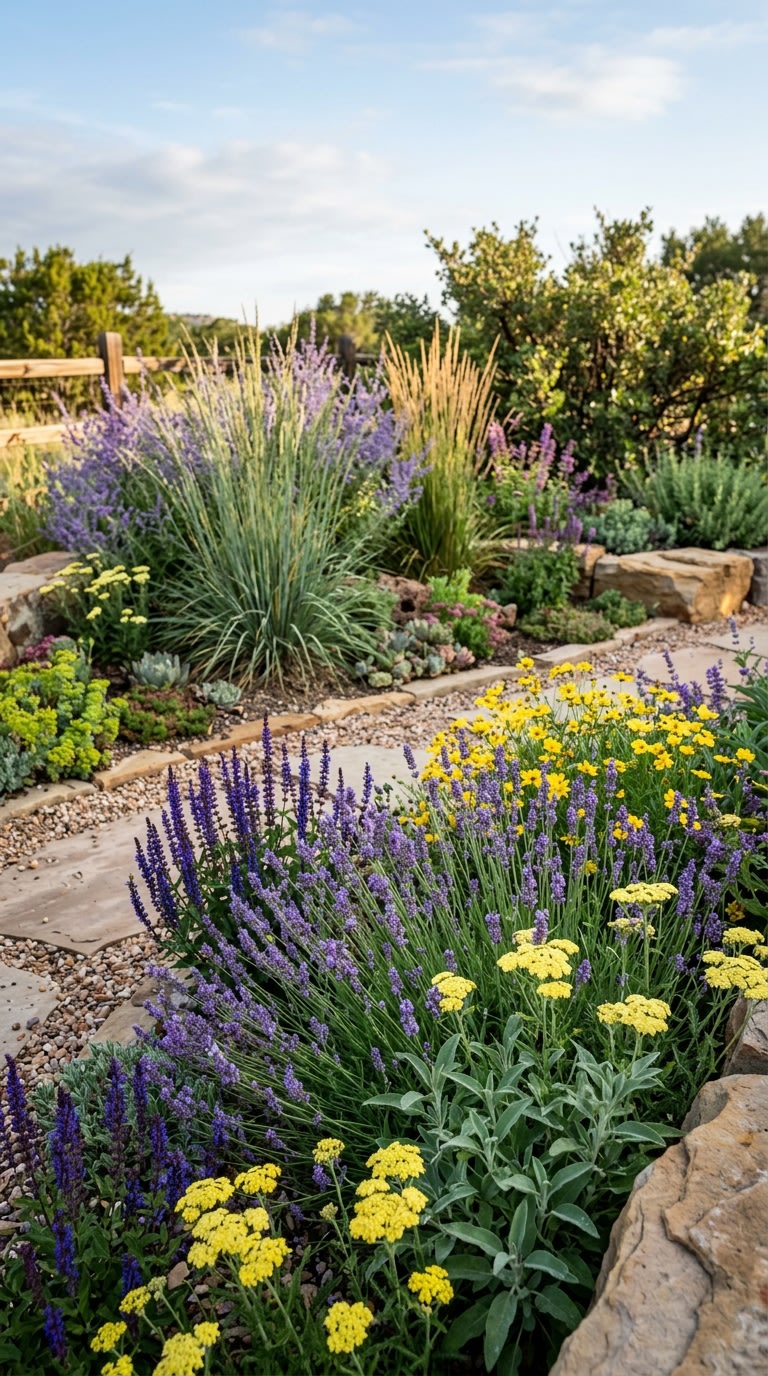
Selecting the appropriate plants is a cornerstone of successful xeriscaping. Native plants are often the best choice, as they have adapted to local climates and require less maintenance. Consider incorporating varieties like lavender, sage, and ornamental grasses, which not only withstand drought but also add beauty and texture to your garden.
When planning your garden, think about combining plants with varying heights and colors to create a visually dynamic space. Grouping low-water plants together allows for efficient watering and maintenance, while also creating a cohesive look. Succulents are particularly popular in xeriscaping, offering a vast array of shapes and colors that can enhance any landscape design.
It’s also important to consider the bloom periods of your chosen plants. By selecting species that flower at different times, you can ensure year-round interest in your garden. Incorporating evergreens can provide structure and greenery, even during the dry seasons, making your xeriscaped garden a lively space all year round.
3. Incorporating Hardscapes into Your Xeriscape

Hardscaping is an essential element of xeriscaping, providing structure and functionality to your outdoor space. Materials such as stone, gravel, and pavers can be used to create pathways, patios, and retaining walls that complement the natural beauty of your garden. These features not only enhance the landscape’s aesthetics but also reduce water runoff and erosion.
When planning your hardscaping, consider using permeable materials that allow water to seep into the ground rather than pooling on the surface. This promotes better drainage and supports the health of your plants. Additionally, strategic placement of hardscapes can create microclimates that provide shelter for your drought-resistant plants, improving their chances of thriving.
Integrating seating areas into your xeriscape with comfortable outdoor furniture can transform your garden into a relaxing retreat. Choose materials and designs that harmonize with the natural elements of your landscape, ensuring that your outdoor space is both functional and visually appealing.
4. Water-Efficient Irrigation Techniques

One of the key principles of xeriscaping is employing water-efficient irrigation techniques. Traditional sprinkler systems can waste significant amounts of water through evaporation and runoff, making drip irrigation a popular choice for xeriscaped gardens. This method delivers water directly to the plant roots, minimizing waste and ensuring that your plants receive the moisture they need.
Rain barrels can also be an effective addition to your xeriscape, capturing rainwater for irrigation. This sustainable practice not only conserves water but also reduces your water bill. By utilizing this collected water, you can maintain your garden without relying heavily on municipal supplies.
Additionally, scheduling your watering times during the cooler parts of the day can significantly reduce evaporation. Early morning or late evening are ideal times to water, allowing plants to absorb moisture effectively. Combining these techniques can lead to a thriving xeriscape that remains beautiful and sustainable for years to come.
5. The Role of Mulch in Xeriscaping

Mulching plays a vital role in xeriscaping, acting as a protective layer for your garden’s soil. It helps retain moisture, suppresses weeds, and regulates soil temperature, making it an indispensable component of a sustainable landscape. By using organic mulches, such as bark chips or shredded leaves, you can enrich your soil as they decompose, further enhancing the health of your plants.
Applying a layer of mulch around your plants can significantly reduce evaporation and keep the soil consistently moist. This is especially crucial during hot summer months when water demands increase. Furthermore, mulching can prevent soil erosion, ensuring that your plants have a stable environment to grow in.
In addition to its practical benefits, mulch adds aesthetic value to your garden. With various colors and textures available, you can select a mulch that complements your landscape design. By incorporating mulch thoughtfully, you can create a polished and sustainable xeriscaped garden.
6. Creating Microclimates in Your Xeriscape

Microclimates are localized areas within your garden that have different environmental conditions than the surrounding areas. By understanding and designing these microclimates, you can cultivate a diverse range of plants in your xeriscape. For instance, placing taller plants or hardscaping elements can provide shade for more delicate species that require less direct sunlight.
Utilizing features like walls, fences, and trees can also create sheltered pockets that help retain moisture and provide protection from harsh winds. This can be particularly beneficial for more sensitive plants that might struggle in an open, exposed environment. By strategically designing your landscape, you can enhance the overall productivity and beauty of your xeriscape.
Incorporating elements such as water features or reflective surfaces can also create unique microclimates. These features can cool the surrounding area and provide humidity, benefiting certain plant types. By being intentional about your garden’s layout, you can create a thriving ecosystem that maximizes both beauty and sustainability.
7. Innovative Outdoor Furniture for Xeriscaped Spaces
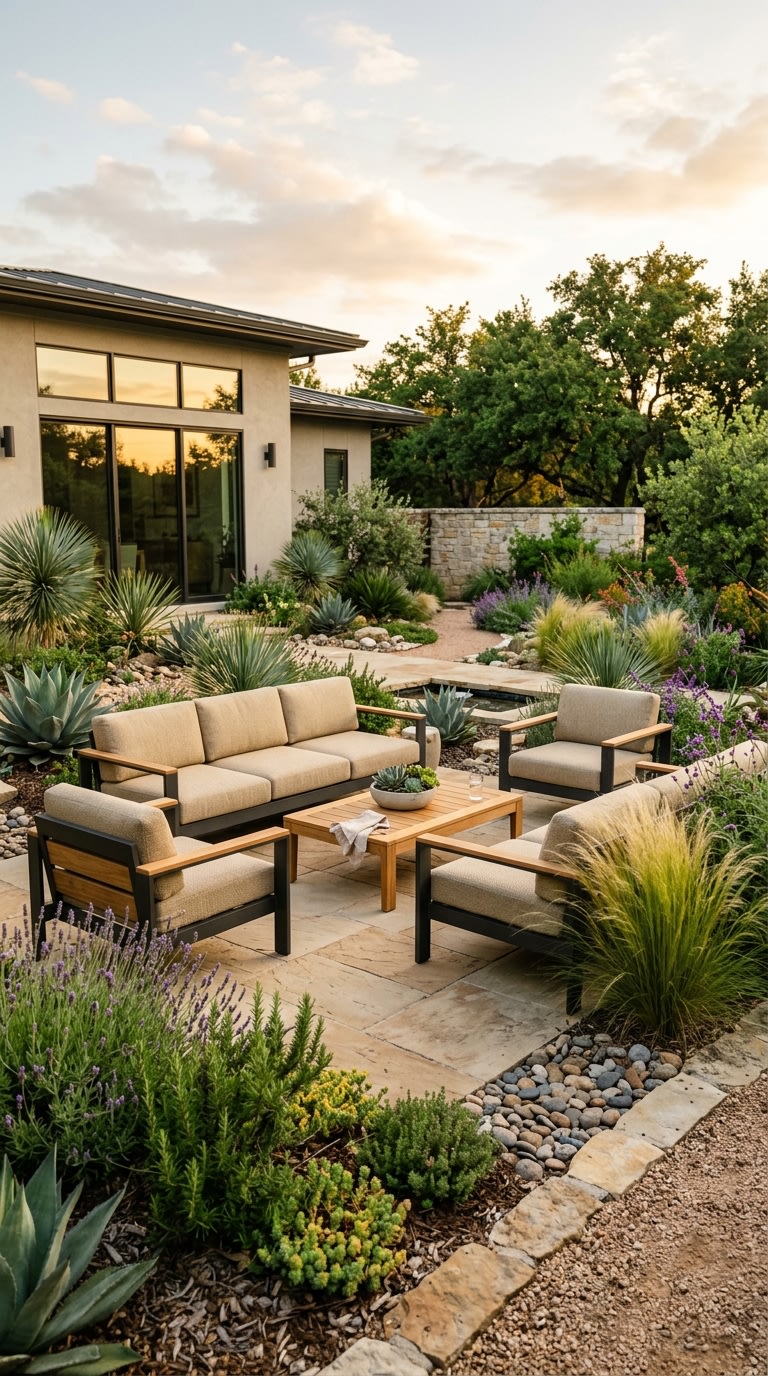
When designing a xeriscaped garden, outdoor furniture offers both functionality and aesthetic appeal. Choosing weather-resistant materials is crucial, as they need to withstand the elements while maintaining their beauty. Consider using materials like teak, aluminum, or synthetic wicker, which are durable and complement the natural surroundings.
Arranging seating areas thoughtfully can enhance your garden experience, allowing for relaxation and enjoyment of the landscape. Incorporating multifunctional outdoor furniture, such as benches with storage or tables that can be adjusted for dining or lounging, maximizes space and utility in smaller gardens.
Additionally, consider using furniture that integrates seamlessly with your garden design. Opt for colors and styles that echo the natural tones in your xeriscape, creating a harmonious outdoor environment. By investing in quality outdoor furniture, you can create an inviting and stylish space that enhances the overall charm of your xeriscaped garden.
8. Seasonal Maintenance Tips for Xeriscaped Gardens
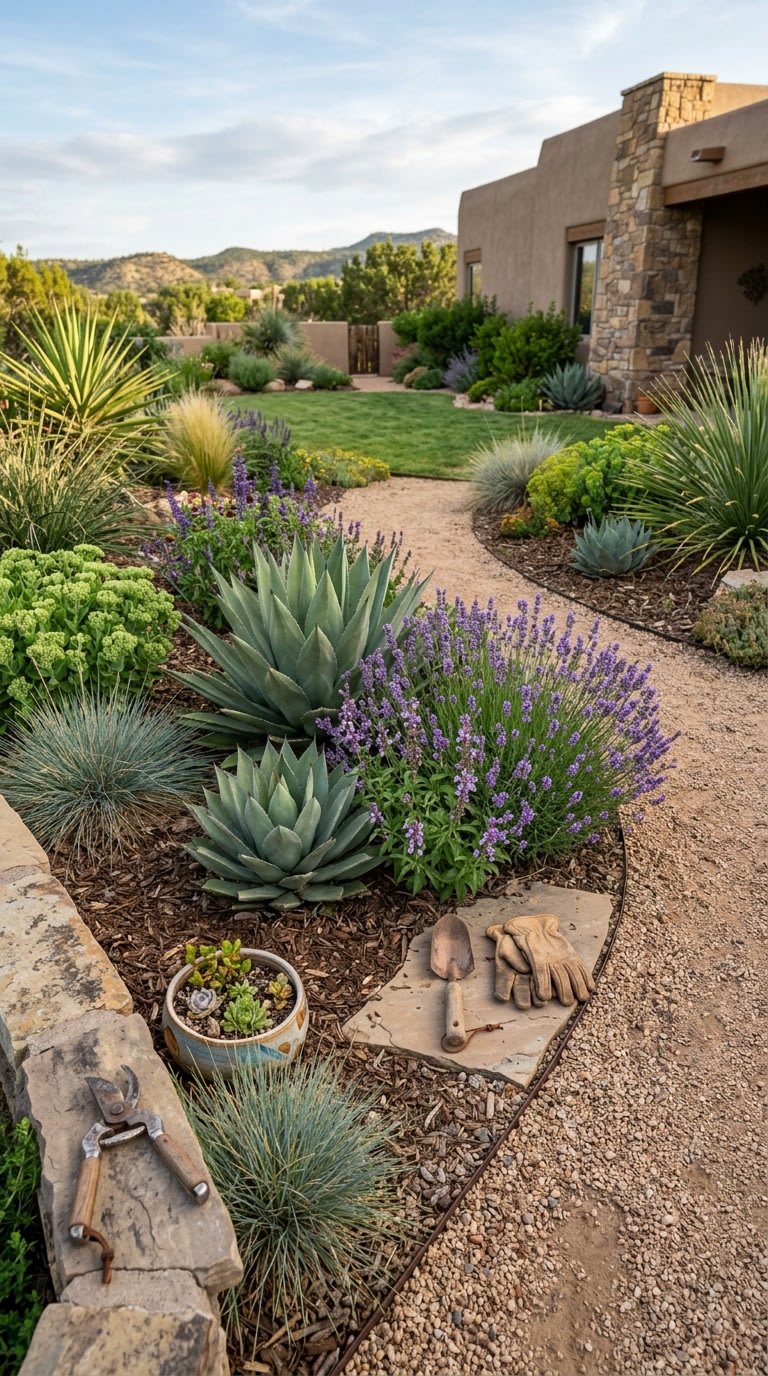
Maintaining a xeriscaped garden involves specific seasonal tasks that ensure its health and beauty throughout the year. Regularly checking for weeds is crucial, as they compete for water and nutrients. During the growing season, a bi-weekly inspection can help keep your garden thriving. Hand-pulling or using mulch can effectively manage weeds without harming your drought-tolerant plants.
Irrigation needs may change with the seasons, so it’s vital to adjust your watering schedule accordingly. In the cooler months, many drought-resistant plants require less water, while during peak summer, they may need more frequent irrigation. Keeping an eye on weather patterns can help you make informed decisions about watering.
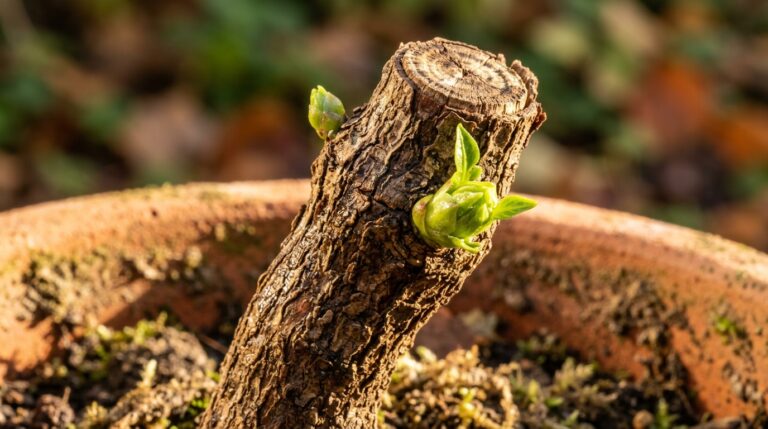
Finally, seasonal pruning is essential for enhancing your garden’s appearance and health. Removing dead or overgrown branches can stimulate new growth and keep your plants looking their best. By staying proactive with maintenance, you can ensure that your xeriscaped garden remains vibrant and sustainable throughout the seasons.
Frequently Asked Questions
What is the main purpose of xeriscaping?
The primary purpose of xeriscaping is to conserve water while creating beautiful and functional landscapes. This gardening method is particularly effective in arid and semi-arid regions, where water resources may be limited. By selecting drought-resistant plants and implementing water-efficient practices, xeriscaping helps homeowners reduce their water consumption significantly.
In addition to conserving water, xeriscaping promotes sustainability by encouraging the use of native plants that are well adapted to local climates. This approach minimizes the need for chemical fertilizers and pesticides, leading to healthier ecosystems. Ultimately, xeriscaping aims to create visually appealing gardens that thrive with minimal intervention, making it an excellent choice for environmentally conscious individuals.
How much does it cost to xeriscape a yard?
The cost of xeriscaping a yard can vary widely depending on several factors, including the size of the area, the types of plants selected, and the complexity of the design. On average, homeowners can expect to spend anywhere from $1,500 to $5,000 for a complete xeriscaping project. This estimate includes expenses for plant materials, hardscaping features, and professional labor if hired.
While the initial investment may seem high, xeriscaping can lead to significant savings in water bills over time, making it a financially sound choice in the long run. Additionally, the reduced maintenance requirements associated with xeriscaped gardens can save homeowners time and money, further enhancing the appeal of this landscaping option.
Can I xeriscape my garden myself?
Yes, many homeowners choose to xeriscape their gardens themselves, especially if they have a basic understanding of gardening principles. The process begins with researching suitable drought-resistant plants for your local climate and planning the layout of your garden. There are numerous resources available online and at local gardening centers to help guide you.
However, for larger projects or more complex designs, it may be beneficial to consult with a professional landscaper experienced in xeriscaping. They can provide valuable insights on plant selection, irrigation techniques, and design elements, ensuring that your xeriscaped garden thrives while meeting your aesthetic goals.
What types of plants work best for xeriscaping?
The best plants for xeriscaping are those that are native to your region and have adapted to thrive in dry conditions. Common choices include succulents, cacti, ornamental grasses, and flowering perennials such as lavender and salvia. These plants are not only drought-tolerant but also provide visual interest and biodiversity to your garden.
When selecting plants, consider their mature size, bloom times, and growth habits. Grouping plants with similar water and sunlight needs can enhance the overall health of your xeriscape. Additionally, incorporating a mix of textures and colors will create a vibrant and engaging landscape that requires minimal maintenance.
Is xeriscaping suitable for all climates?
While xeriscaping is particularly effective in arid and semi-arid climates, its principles can be adapted for use in various regions. The key is to understand and work with the local climate, soil conditions, and native plant species. Homeowners in more humid areas can still benefit from xeriscaping techniques by selecting plants that require less water and by implementing efficient irrigation practices.
Moreover, xeriscaping can contribute to sustainable gardening in any climate by reducing water waste and promoting biodiversity. By carefully planning your landscape and choosing appropriate plants, you can create a beautiful garden that aligns with the principles of xeriscaping, regardless of where you live.
Xeriscaping is not just a trend; it’s a sustainable lifestyle choice that allows homeowners to create stunning gardens while conserving precious water resources. With its emphasis on native plants, efficient irrigation, and thoughtful design, xeriscaping presents an innovative solution to the challenges posed by climate change and water scarcity. By embracing this approach, you can enjoy a beautiful outdoor space that thrives with minimal effort.
As you consider transforming your garden into a xeriscape, take the time to research local plants, hardscaping options, and maintenance practices that align with your vision. Whether you choose to do it yourself or enlist the help of a professional, the rewards of a xeriscaped garden are well worth the investment. Start your journey towards a sustainable garden today, and enjoy the beauty and benefits that xeriscaping can bring to your outdoor living space.