Discover “10 Easy to Grow Peperomia For Your Collection” and elevate your houseplant game! Start your journey today and bring lush greenery into your home!
10 Peperomia Varieties for Beginners: Easy Care Guide
Peperomia plants are a fantastic choice for novice gardeners due to their low maintenance and unique aesthetics. Here’s a guide to 10 easy-care Peperomia varieties that thrive indoors.
1. Peperomia obtusifolia (Baby Rubber Plant)
This variety is renowned for its thick, glossy leaves. It prefers bright, indirect light and requires watering only when the topsoil dries out.
2. Peperomia caperata (Ripple Peperomia)
With its textured leaves, the Ripple Peperomia is both attractive and forgiving. Ensure it has well-draining soil to prevent overwatering.
3. Peperomia argyreia (Watermelon Peperomia)
This variety’s striking leaf pattern resembles a watermelon. Place it in medium light and water sparingly.
4. Peperomia clusiifolia (Red Edge Peperomia)
Characterized by its vibrant edges, this Peperomia thrives in low light. Avoid drafts and keep it moderately moist.
5. Peperomia graveolens (Ruby Glow)
The Ruby Glow features stunning red stems and leaves. It enjoys bright light but can tolerate lower conditions.
6. Peperomia ferreyrae (Happy Bean)
With its unique bean-shaped leaves, this variety is drought-tolerant and thrives in bright, indirect light.
7. Peperomia ‘Hope’
This compact variety is perfect for small spaces and is quite forgiving with watering schedules.
8. Peperomia polybotrya (Raindrop Peperomia)
Known for its heart-shaped leaves, it requires minimal care and prefers a humid environment.
9. Peperomia ‘Frost’
With silvery leaves, this variety is ideal for bright spots and should be watered when the soil feels dry.
10. Peperomia prostrata (String of Turtles)
This trailing variety features intricate leaf patterns. It needs bright, indirect light and well-draining soil.
Expert Gardening Tips
- Rotate your Peperomia regularly for even growth.
- Use a balanced liquid fertilizer during the growing season.
- Avoid common mistakes like overwatering and low light conditions.
Incorporating these ten Peperomia varieties into your indoor garden will provide a diverse and visually appealing display. Remember to monitor your plants’ specific needs and adjust care accordingly for optimal growth.

2. How to Propagate Peperomia: Techniques for Home Gardeners
How to Propagate Peperomia: Techniques for Home Gardeners
Peperomia, with its diverse foliage and compact growth, is a popular choice for house plant enthusiasts. Propagating Peperomia is not only easy but also a rewarding way to expand your indoor garden. In this guide, we’ll explore effective propagation techniques tailored for home gardeners.
Propagation Techniques
There are two primary methods for propagating Peperomia: leaf cuttings and division. Both techniques are straightforward and yield successful results when executed properly.
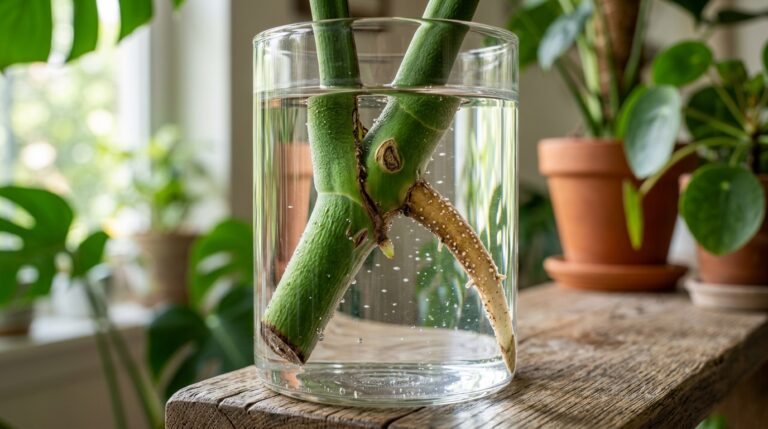
- Leaf Cuttings: Select a healthy leaf and cut it with a sharp, sterilized knife. Ensure the cutting is at least 2-3 inches long. Allow the cutting to dry for a few hours to form a callus, then place it in a pot with well-draining soil. Water lightly and cover with a plastic bag to maintain humidity.
- Division: If your Peperomia has become root-bound, carefully remove the plant from its pot and divide the root ball into sections, ensuring each section has roots and healthy leaves. Replant these divisions in separate pots with fresh potting mix.
Expert Gardening Tips
To achieve the best results, consider these expert tips:
- Maintain consistent moisture but avoid overwatering to prevent root rot.
- Use a soil mix that provides excellent drainage, such as a blend of potting soil and perlite.
- Provide indirect sunlight to encourage healthy growth during propagation.
Avoid Common Mistakes
When propagating Peperomia, avoid these pitfalls:
- Skipping the callus step for leaf cuttings, which can lead to rot.
- Using overly rich soil that retains too much moisture.
With these propagation techniques and tips, you can easily multiply your Peperomia collection. Embrace the current trend of houseplant propagation and enjoy the satisfaction of nurturing new plants from your existing ones!

3. Light Requirements for Peperomia: Optimal Conditions Explained
Light Requirements for Peperomia: Optimal Conditions Explained
Understanding the light requirements for Peperomia is crucial for promoting healthy growth and vibrant foliage. These charming houseplants thrive in bright, indirect light, making them ideal for indoor environments.
Optimal Light Conditions
Peperomia varieties, such as Peperomia obtusifolia and Peperomia caperata, flourish in conditions that mimic their natural habitats. Here’s how to create the perfect lighting:
- Bright, Indirect Light: Place your Peperomia near a window with filtered sunlight or use sheer curtains to diffuse harsh rays.
- Avoid Direct Sunlight: Prolonged exposure to direct sunlight can scorch their leaves. If you notice browning edges, move your plant to a shadier spot.
- Low Light Tolerance: While Peperomia can adapt to low light, growth may slow, and leaf vibrancy can diminish. If using artificial lights, opt for full-spectrum bulbs.
Common Mistakes to Avoid
To ensure your Peperomia thrives, be mindful of these common gardening mistakes:
- Overexposing to sunlight, leading to leaf burn.
- Neglecting to rotate your plant, which can cause uneven growth.
- Ignoring seasonal light changes; reposition your plant as necessary.
Expert Tips for Success
For optimal growth, consider these expert gardening tips:
- Monitor your plant’s response to light and adjust its position accordingly.
- Use a light meter to gauge ambient light levels in your home.
- Group plants together to create microclimates that enhance humidity and light quality.
By following these guidelines, you can provide the ideal light conditions for your Peperomia, ensuring a thriving and beautiful houseplant.

4. Watering Peperomia: The Perfect Balance for Healthy Growth
Watering Peperomia: The Perfect Balance for Healthy Growth
Watering Peperomia plants correctly is essential for ensuring their vibrant, lush growth. Known for their thick, succulent leaves, Peperomia species thrive in well-draining soil and require a careful approach to hydration.
Understanding Peperomia Watering Needs
These tropical houseplants prefer a moderate watering schedule. Here are some expert tips to achieve the perfect balance:
- Check the Soil Moisture: Always assess the top inch of soil. If it feels dry, it’s time to water.
- Water Thoroughly: When watering, ensure that the excess drains out of the pot’s drainage holes, promoting healthy root development.
- Seasonal Adjustments: Reduce watering frequency during the winter months when Peperomia enters a dormant phase.
Common Mistakes to Avoid
Even experienced gardeners can make missteps. Here are a few pitfalls to sidestep:
- Overwatering is the most common mistake, leading to root rot. Always allow the soil to dry out between watering.
- Using heavy, compacted soil can trap moisture. Opt for a light, well-aerated potting mix.
Best Practices for Peperomia Care
Incorporating these best practices will help your Peperomia thrive:
- Utilize pots with drainage holes to prevent waterlogging.
- Consider using a moisture meter for precise watering.
- Keep your plant in indirect sunlight to avoid excessive evaporation.
By following these expert guidelines for watering your Peperomia, you’ll foster a thriving environment that encourages healthy growth and stunning foliage. Remember, the key is balance—finding that perfect hydration level will keep your plant happy and healthy.

5. Soil Choices for Peperomia: Best Mixes for Thriving Plants
Soil Choices for Peperomia: Best Mixes for Thriving Plants
Choosing the right soil for your Peperomia is essential to ensure these popular houseplants thrive. Peperomias are known for their unique foliage and low-maintenance requirements, but they do require a well-draining soil mix to prevent root rot.
Ideal Soil Mixes
For optimal growth, consider the following soil choices:
- Potting Soil with Perlite: A standard potting mix combined with 30% perlite offers excellent drainage while retaining some moisture.
- Cactus Mix: A cactus or succulent mix is also an excellent choice, providing quick drainage and aeration.
- Custom Mix: Create your own blend using 50% potting soil, 30% perlite, and 20% orchid bark for increased aeration.
Step-by-Step Guidance
- Choose a well-draining pot with drainage holes.
- Mix your chosen soil components thoroughly.
- Fill the pot, leaving about an inch of space from the top.
- Carefully transplant your Peperomia, ensuring roots are not compacted.
- Water lightly to settle the soil, avoiding water accumulation.
Common Mistakes to Avoid
Many gardeners mistakenly use heavy soils that retain too much moisture, leading to root issues. Avoid:
- Using garden soil directly.
- Overwatering, especially in poorly draining mediums.
Expert Tips for Success
Monitor your Peperomia for signs of stress, such as yellowing leaves, which may indicate overwatering. Regularly check the moisture level and allow the top inch of soil to dry out between waterings. With the right soil choice, your Peperomia will flourish, showcasing its vibrant foliage and unique charm!

6. Fertilizing Peperomia: Nutrient Strategies for Lush Foliage
Fertilizing Peperomia: Nutrient Strategies for Lush Foliage
Fertilizing Peperomia is essential for achieving lush, vibrant foliage. These charming houseplants thrive best with the right nutrient strategies, ensuring their unique leaves remain healthy and colorful. Here’s how to effectively nourish your Peperomia.
Understanding Nutritional Needs
Peperomia plants prefer a balanced, water-soluble fertilizer. A formula with an N-P-K ratio of 10-10-10 is ideal, as it provides equal parts nitrogen, phosphorus, and potassium. Fertilize during the growing season—spring and summer—when the plant is actively photosynthesizing.
Step-by-Step Fertilization Guide
- Choose the Right Fertilizer: Opt for a balanced, water-soluble fertilizer.
- Dilute Properly: Mix the fertilizer to half-strength to prevent root burn.
- Apply Monthly: Fertilize once a month during the growing season.
- Flush the Soil: Every few months, water the plant thoroughly to flush out excess salts.
Common Mistakes to Avoid
- Over-fertilization: Too much fertilizer can harm your Peperomia. Stick to monthly applications.
- Neglecting Soil Quality: Ensure well-draining potting mix; poor drainage can lead to root rot.
- Ignoring Seasonal Changes: Reduce or stop fertilizing in fall and winter when the plant is dormant.
Gardening Best Practices
In addition to proper fertilization, consider these tips for maintaining your Peperomia:
- Provide bright, indirect light to enhance nutrient absorption.
- Monitor humidity levels; Peperomias prefer higher humidity for optimal growth.
By following these expert tips and strategies, you can ensure your Peperomia thrives, showcasing its lush foliage for years to come. Happy gardening!

7. Pest Management for Peperomia: Organic Solutions for Common Issues
Pest Management for Peperomia: Organic Solutions for Common Issues
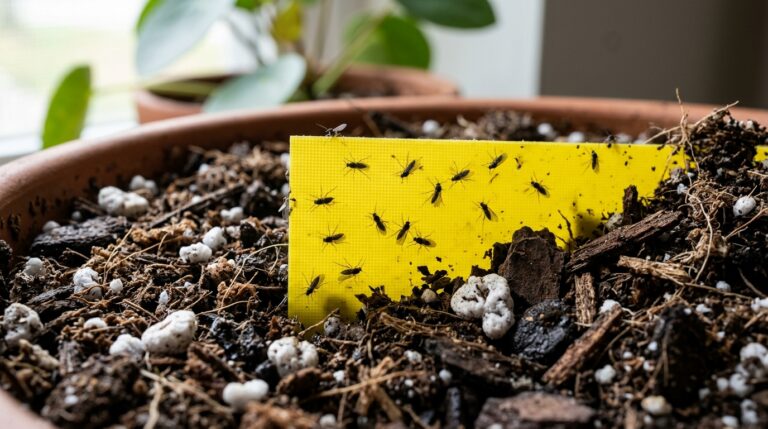
Peperomia plants are beloved for their diverse foliage and low-maintenance requirements, but they can still fall victim to common pests. Effective pest management for Peperomia is essential to keep your houseplants thriving. Here, we explore organic solutions to address these challenges.
Identifying Common Pests
Before implementing any pest control measures, it’s crucial to identify the pests affecting your Peperomia. Common culprits include:
- Spider Mites: These tiny, web-spinning pests thrive in dry conditions.
- Mealybugs: Recognizable by their fluffy white exterior, these pests often cluster in leaf axils.
- Aphids: These sap-sucking insects can distort new growth and cause leaves to curl.
Organic Pest Control Solutions
Implement the following organic solutions to manage pest issues effectively:
- Neem Oil: Mix 2 tablespoons of neem oil with a quart of water. Spray it on affected areas every 7-14 days.
- Insecticidal Soap: Use a commercial insecticidal soap or create your own by mixing 1 tablespoon of liquid soap in a quart of water. Apply directly to pests.
- Garlic Spray: Blend garlic cloves with water, strain, and spray on your plants to deter pests.
Best Practices for Pest Prevention
To avoid common gardening mistakes, consider these best practices:
- Maintain optimal humidity levels; Peperomia thrives in environments with at least 50% humidity.
- Inspect new plants for pests before introducing them to your collection.
- Regularly wipe down leaves to remove dust and potential pests.
By employing these organic pest management techniques, you can ensure your Peperomia remains a healthy and vibrant addition to your indoor garden.

8. Repotting Peperomia: When and How to Refresh Your Plants
Repotting Peperomia: When and How to Refresh Your Plants
Repotting Peperomia is an essential aspect of maintaining the health and vitality of your houseplants. These resilient plants thrive in compact soil, but over time, they can become root-bound, necessitating a refresh. Understanding when and how to repot your Peperomia ensures they remain lush and vibrant.
When to Repot Your Peperomia
The ideal time for repotting Peperomia is during the spring growing season. Look for signs such as:
- Roots emerging from the drainage holes
- Stunted growth despite optimal care
- Soil drying out too quickly
How to Repot Your Peperomia
- Choose the Right Pot: Select a pot that is 1-2 inches larger in diameter. Ensure it has adequate drainage holes.
- Prepare Fresh Soil: Use a well-draining potting mix. A blend of peat, perlite, and orchid bark works wonders for Peperomia.
- Remove the Plant: Gently slide the plant out of its current pot, taking care not to damage the roots.
- Inspect the Roots: Trim any dead or rotting roots with sterilized scissors to promote healthy growth.
- Repot: Place the plant in the new pot and fill with fresh soil, ensuring the top of the root ball is level with the rim of the pot.
- Water Thoroughly: After repotting, water the plant to settle the soil. Allow it to drain completely.
Expert Tips and Common Mistakes
To ensure successful repotting, consider the following:
- Avoid repotting too frequently; every 2-3 years is ideal.
- Do not overwater post-repotting; allow the soil to dry slightly between waterings.
- Monitor light conditions; Peperomia prefers bright, indirect light.
By following these best practices, you can keep your Peperomia healthy and thriving. Remember, a well-repotted plant not only enhances your indoor space but also boosts your overall gardening confidence!

9. Creating a Peperomia Collection: Aesthetic Arrangements and Ideas
Creating a Peperomia Collection: Aesthetic Arrangements and Ideas
Building a Peperomia collection can add a vibrant touch to your indoor space while providing a low-maintenance gardening experience. These charming houseplants come in various shapes, sizes, and colors, making them perfect for creating stunning arrangements.
Choosing the Right Varieties
Start by selecting diverse Peperomia species such as:
- Peperomia obtusifolia (Baby Rubber Plant)
- Peperomia caperata (Ripple Peperomia)
- Peperomia prostrata (String of Turtles)
This variety will enhance visual interest and texture in your collection.
Arranging Your Collection
For aesthetic arrangements, consider grouping plants of different heights and leaf shapes together. Use decorative pots that complement your home decor. Place taller varieties at the back and shorter ones in front to create depth.
Expert Gardening Tips
Here are some best practices to follow:
- Ensure well-draining soil to prevent root rot.
- Water only when the top inch of soil feels dry.
- Place in bright, indirect light for optimal growth.
Avoid Common Mistakes
Many gardeners overwater their Peperomias or expose them to direct sunlight, leading to leaf burn. Always check soil moisture before watering and provide filtered light for best results.
With careful selection and arrangement, your Peperomia collection can thrive and bring joy to your space. Embrace this trendy addition to your indoor garden!

10. Seasonal Care for Peperomia: Adapting to Changing Conditions
html
Seasonal Care for Peperomia: Adapting to Changing Conditions
Peperomia, a popular houseplant, thrives with proper seasonal care. Understanding how to adapt your care routine as conditions change is vital for maintaining vibrant foliage and healthy growth. Below are expert tips tailored to each season, ensuring your Peperomia flourishes year-round.
Spring: Awakening Growth
As temperatures rise, increase watering frequency to encourage new growth. Ensure your Peperomia receives bright, indirect light to promote healthy leaf development. Consider repotting in fresh soil with good drainage to support active growth.
- Water when the top inch of soil is dry.
- Fertilize every 4-6 weeks with a balanced liquid fertilizer.
Summer: Thriving Conditions
In summer, your Peperomia may need more moisture due to higher temperatures. Maintain humidity by misting the leaves or placing a humidity tray nearby. Regularly check for pests, as summer can attract them.
- Rotate the plant for even light exposure.
- Avoid over-watering; let the soil dry out slightly between watering.
Fall: Preparing for Dormancy
As days shorten, reduce watering slightly. Your Peperomia’s growth will slow down, so cut back on fertilization. Ensure it remains in a stable environment, avoiding sudden temperature changes.
winter: Minimal Care
During winter, Peperomia requires minimal care. Place it in a well-lit area, but avoid direct sunlight. Water sparingly, as the plant is dormant, typically every 2-3 weeks.
- Keep away from drafts and heating vents to prevent stress.
- Monitor for signs of overwatering, such as yellowing leaves.
Common Mistakes to Avoid
To ensure your Peperomia thrives, avoid these common pitfalls:
- Overwatering, leading to root rot.
- Insufficient light, causing leggy growth.
- Neglecting humidity levels, especially in winter.
By adapting your care practices seasonally, your Peperomia will not only survive but thrive, showcasing its beautiful foliage throughout the year. Remember, the key to healthy houseplants lies in understanding their changing needs and responding accordingly.

Frequently Asked Questions
What are the best light conditions for growing Peperomia indoors?
Peperomia thrive in bright, indirect light, making them ideal for indoor environments. Too much direct sunlight can scorch their leaves, while too little light may hinder growth. Place them near a window with filtered light or use grow lights to ensure they receive the right amount of illumination.
How do I propagate Peperomia plants effectively?
To propagate Peperomia, you can use leaf cuttings or stem cuttings. Simply cut a healthy leaf with a stem, allow it to dry for a few hours, and then place it in moist potting mix. Keep the soil slightly damp and in a warm location to encourage root development.
Why are the leaves on my Peperomia turning yellow?
Yellowing leaves on Peperomia can indicate overwatering or poor drainage. Ensure that your plant’s pot has adequate drainage holes and that you are allowing the top inch of soil to dry out between waterings. Adjusting your watering schedule can help restore the plant’s health.
What type of soil is best for Peperomia plants?
Peperomia prefer a well-draining soil mix, ideally one formulated for succulents or cacti. A peat-based mix combined with perlite or sand enhances drainage and prevents water retention, which is crucial for preventing root rot.
How often should I water my Peperomia for optimal growth?
Water your Peperomia every 1-2 weeks, allowing the top inch of soil to dry out between waterings. The frequency may vary depending on humidity and temperature, so always check the soil moisture before watering to avoid overwatering.