1. Maximize Your Yield: Companion Planting for Cost-Effective Gardens

Maximize Your Yield: Companion Planting for Cost-Effective Gardens
Companion planting is a time-tested strategy that can significantly enhance your garden’s productivity while minimizing costs. By pairing compatible plants, you can create a thriving ecosystem that promotes growth and repels pests naturally.
Understanding Companion Planting
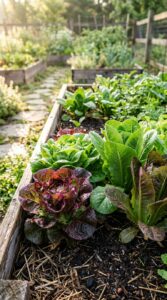
This gardening technique involves planting different species in proximity for mutual benefit. For instance, tomatoes and basil not only taste great together but also help each other grow. Basil can deter aphids and whiteflies, while tomatoes provide shade, making them ideal companions.
Step-by-Step Guide to Companion Planting
- Research Compatible Plants: Use resources like gardening books or online databases to find plant pairings.
- Plan Your Layout: Sketch your garden layout, ensuring that companion plants are strategically placed.
- Prepare the Soil: Enrich the soil with organic matter, ensuring it is well-draining and nutrient-rich.
- Plant Together: Sow seeds or transplant seedlings according to your layout, keeping in mind their growth habits.
- Monitor Growth: Regularly check for signs of pests or nutrient deficiencies and adjust accordingly.
Common Mistakes to Avoid
- Ignoring plant height and spread, which can lead to overcrowding and competition for sunlight.
- Planting incompatible species, which can hinder growth or attract pests.
- Neglecting soil health, which is crucial for successful companion planting.
Expert Tips for Success
To maximize your yield, consider the following:
- Rotate your crops annually to prevent soil depletion.
- Incorporate flowers like marigolds to attract beneficial insects.
- Utilize vertical gardening techniques to save space and increase plant diversity.
By adopting companion planting, you can create a cost-effective garden that thrives naturally. Embrace this sustainable approach and enjoy the benefits of a bountiful harvest!
2. DIY Composting: Transform Kitchen Scraps into Nutrient-Rich Soil

DIY Composting: Transform Kitchen Scraps into Nutrient-Rich Soil
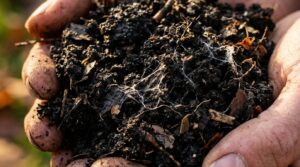
Composting is an essential practice for any gardener looking to create rich, organic soil while reducing waste. By transforming kitchen scraps into valuable compost, you enhance soil fertility and support plant health. Here’s how to get started with DIY composting.
Step-by-Step Guide to Composting
- Choose Your Compost Bin: Select a compost bin that suits your space. Options range from traditional wooden bins to modern tumblers.
- Gather Your Materials: Collect kitchen scraps such as fruit peels, vegetable trimmings, coffee grounds, and eggshells. Include dry materials like leaves, cardboard, and straw to balance nitrogen and carbon.
- Layer Your Ingredients: Start with coarse materials at the bottom for aeration, followed by a mix of greens (nitrogen-rich) and browns (carbon-rich). Aim for a 2:1 ratio of browns to greens.
- Maintain Your Compost: Turn the pile every 2-3 weeks to aerate and speed up decomposition. Keep it moist, but not soggy.
- Harvest Your Compost: In about 3-6 months, your compost will be dark and crumbly, ready to enrich your garden beds.
Expert Tips and Common Mistakes
- Tip: Avoid adding meat, dairy, or oily foods, as they can attract pests.
- Mistake to Avoid: Failing to maintain the correct moisture level can slow down decomposition.
By following these best practices, you’ll not only reduce kitchen waste but also create nutrient-rich soil for your plants. Dive into the current trend of sustainable gardening with DIY composting—your garden will thank you!
3. Water-Saving Techniques: Efficient Irrigation Systems for Every Garden

Water-Saving Techniques: Efficient Irrigation Systems for Every Garden
In today’s gardening landscape, implementing water-saving techniques is essential for conserving resources while maintaining a lush garden. Here are some expert-level strategies to create an efficient irrigation system tailored to your garden’s needs.
Choose Drip Irrigation
Consider installing a drip irrigation system, which delivers water directly to the plant roots. This method minimizes evaporation and runoff, making it one of the most effective water-saving techniques.
- Step 1: Plan your garden layout and identify the plants that require watering.
- Step 2: Purchase a drip irrigation kit that includes tubing, emitters, and connectors.
- Step 3: Lay out the tubing along your garden beds, ensuring each plant receives adequate water.
- Step 4: Test the system and adjust the emitter flow rates as necessary.
Implement Rainwater Harvesting
Another trend in Garden DIY is rainwater harvesting. Collecting rainwater not only conserves water but also provides your plants with natural hydration.
- Install rain barrels under downspouts to collect runoff.
- Use a filter to keep debris out, ensuring clean water.
- Connect a soaker hose to your rain barrel for slow, deep watering.
Avoid Common Mistakes
When setting up your irrigation system, avoid these common gardening mistakes:
- Overwatering: Adjust your system to provide the right amount of water based on plant needs.
- Ignoring soil type: Different soils retain moisture differently—consider this when planning your irrigation.
- Neglecting maintenance: Regularly check for leaks and clogs to ensure efficiency.
By incorporating these water-saving techniques into your gardening routine, you can create a sustainable and efficient irrigation system that supports healthy plant growth while conserving water resources.
4. Seed Starting Hacks: Save Money by Propagating Your Own Plants

Seed Starting Hacks: Save Money by Propagating Your Own Plants
Starting your garden from seeds is a rewarding and cost-effective way to cultivate your favorite plants. With a few seed starting hacks, you can maximize your garden’s potential without breaking the bank.
Choosing the Right Seeds
Begin by selecting seeds that are suited for your climate and soil type. Opt for heirloom or open-pollinated varieties for better propagation success. These types of seeds allow you to save seeds from the best plants for future planting.
DIY Seed Starting Setup
Create an optimal environment for your seeds with these simple steps:
- Containers: Use recycled materials like egg cartons, yogurt cups, or even toilet paper rolls as seed trays.
- Soil Mix: Combine peat moss, vermiculite, and compost to create a well-draining seed starting mix.
- Lighting: Position your seed trays near a sunny window or use grow lights to ensure adequate light exposure.
Watering Techniques
Maintain moisture without overwatering; use a spray bottle to gently mist the soil. This prevents damping off, a common mistake that leads to seedling death. Aim for soil that is consistently moist but not soggy.
Transplanting Tips
Once seedlings develop true leaves, it’s time to transplant them. Handle seedlings by their leaves, not stems, to prevent damage. Gradually acclimate them to outdoor conditions in a process known as hardening off.
By following these expert tips and utilizing DIY seed starting methods, you can enjoy a thriving garden while keeping costs low. Happy gardening!
5. Mulching Benefits: Reduce Weeds and Watering Needs in Your Garden

Mulching Benefits: Reduce Weeds and Watering Needs in Your Garden
Mulching is a foundational practice in garden DIY that offers numerous benefits, particularly in reducing weeds and minimizing watering needs. By covering the soil with organic or inorganic materials, gardeners can create an optimal environment for plant growth while enhancing the overall health of the garden.
Benefits of Mulching
- Weed Suppression: A thick layer of mulch blocks sunlight, preventing weed seeds from germinating.
- Moisture Retention: Mulch acts as a barrier, reducing evaporation and keeping soil moisture levels consistent.
- Soil Temperature Regulation: It helps maintain even soil temperatures, protecting roots from temperature extremes.
- Organic Matter Addition: Organic mulches like wood chips or straw decompose over time, enriching the soil with nutrients.
Step-by-Step Mulching Guidance
- Choose Your Mulch: Select organic options (bark, straw, grass clippings) or inorganic types (plastic, gravel) based on your garden’s needs.
- Prepare the Area: Clear weeds and debris from the soil to ensure effective coverage.
- Apply Mulch: Spread a 2-4 inch layer of mulch around plants, avoiding direct contact with stems to prevent rot.
- Maintain Regularly: Replenish organic mulch as it decomposes, and check for weed growth periodically.
Common Mistakes to Avoid
Many gardeners overlook the importance of proper mulch depth. Applying too little won’t suppress weeds effectively, while too much can suffocate plant roots. Additionally, avoid using fresh wood chips, which can rob nitrogen from the soil as they decompose.
Gardening Best Practices
Incorporating mulching into your gardening routine is a proven method to enhance plant health and reduce maintenance efforts. Embrace current trends like using biodegradable mulch alternatives and consider experimenting with colored mulches to add visual interest to your garden.
By understanding the benefits of mulching and implementing these expert tips, you can create a thriving garden that requires less weeding and watering. Happy gardening!
6. Perennial Power: Invest in Long-Lasting Plants for Sustainable Growth

Perennial Power: Invest in Long-Lasting Plants for Sustainable Growth
Embracing perennial plants in your garden not only enhances its aesthetic appeal but also promotes sustainable growth. These long-lasting plants return year after year, minimizing the need for replanting and reducing maintenance. By investing in perennials, gardeners can create a vibrant landscape that thrives with minimal effort.
Choosing the Right Perennials
When selecting perennial plants, consider your climate, soil type, and light conditions. Popular choices include:
- Daylilies (Hemerocallis): Versatile and drought-tolerant.
- Hostas: Ideal for shady areas with lush foliage.
- Lavender (Lavandula): Aromatic and attracts pollinators.
Planting Guidelines
For successful growth, follow these expert tips:
- Soil Preparation: Amend soil with organic matter to ensure proper drainage and nutrient availability.
- Planting Technique: Dig a hole twice the width of the root ball. Place the plant, ensuring the crown is at soil level, then backfill.
- Watering: Water thoroughly after planting and maintain consistent moisture, especially during the first growing season.
Avoiding Common Mistakes
To maximize your garden’s potential, steer clear of these common pitfalls:
- Neglecting sun and shade requirements.
- Overcrowding plants, which can lead to competition for nutrients.
- Ignoring pest and disease management.
Best Practices for Long-Lasting Perennials
Regular maintenance, such as deadheading and dividing overcrowded plants, will ensure your garden remains vibrant. Embrace current trends like permaculture and native plant gardening to further support biodiversity and sustainability.
By investing in perennials, you cultivate not just a garden, but a thriving ecosystem that rewards you season after season.
7. Seasonal Planting Schedules: Time Your Crops for Maximum Harvest

Seasonal Planting Schedules: Time Your Crops for Maximum Harvest
Understanding seasonal planting schedules is essential for any gardener aiming for a robust harvest. Timing your crops correctly ensures optimal growth and yields, aligning with the natural cycles of your local climate.
Spring Planting: Start Strong
In early spring, focus on cool-season crops like lettuce, peas, and radishes. These crops thrive in cooler temperatures and can be sown as soon as the soil is workable. Follow these steps:
- Prepare your soil by tilling and adding compost.
- Sow seeds directly into the ground or start indoors for transplants.
- Water regularly to keep the soil consistently moist.
Summer Planting: Embrace the Heat
As temperatures rise, switch to warm-season crops such as tomatoes, peppers, and cucumbers. Timing is crucial; plant after the last frost date to avoid damage. Here’s how:
- Choose disease-resistant varieties for better yields.
- Mulch around plants to retain moisture and suppress weeds.
- Implement a trellising system for climbing plants to maximize space.
Common Gardening Mistakes to Avoid
Many gardeners overlook the importance of proper timing. Here are common mistakes:
- Planting too early, risking frost damage.
- Neglecting soil preparation, leading to poor crop health.
- Ignoring local climate trends, which can affect growth cycles.
Conclusion
By creating a seasonal planting schedule and adhering to best practices, you can optimize your garden for maximum harvest. Stay informed about current trends in Garden DIY and always adapt your techniques based on your unique environment. Happy gardening!
8. Natural Pest Control: Eco-Friendly Methods to Save on Chemicals

Natural Pest Control: Eco-Friendly Methods to Save on Chemicals
As a gardener, embracing natural pest control methods not only promotes a healthier garden but also minimizes reliance on harmful chemicals. Here are some expert-level techniques to help you manage pests sustainably.
1. Companion Planting
Utilizing companion plants is a highly effective strategy. For instance, plant marigolds alongside your vegetables to deter aphids and nematodes. Similarly, basil can repel flies and mosquitoes when planted near tomatoes.
2. Homemade Sprays
Create your own pest deterrent with common household ingredients:
- Soap Spray: Mix 1 tablespoon of liquid soap with 1 quart of water to target soft-bodied insects like aphids.
- Garlic Spray: Blend 2 cloves of garlic with water, let it steep overnight, and strain. This mixture can repel a variety of pests.
3. Attract Beneficial Insects
Encourage natural predators such as ladybugs and lacewings by planting flowers like dill and fennel. These insects will help keep pest populations in check.
Common Gardening Mistakes to Avoid
- Overwatering your plants can lead to fungal diseases, making them more susceptible to pests.
- Neglecting to monitor your garden regularly can allow infestations to escalate.
Best Practices for Sustainable Gardening
Rotate your crops annually to disrupt pest life cycles and maintain soil health. Also, maintaining a diverse garden ecosystem can naturally balance pest populations.
By implementing these eco-friendly pest control methods, you’ll not only protect your plants but also contribute to a sustainable gardening environment.
9. Low-Cost Garden Tools: DIY Solutions for Every Gardener’s Needs

Low-Cost Garden Tools: DIY Solutions for Every Gardener’s Needs
Gardening enthusiasts often seek low-cost garden tools to enhance their gardening experience without breaking the bank. Fortunately, there are numerous DIY solutions that can cater to every gardener’s needs, making it easier to cultivate your green space efficiently.
Essential DIY Garden Tools
Creating your own garden tools can be both cost-effective and satisfying. Here are a few popular DIY projects:
- Homemade Seed Starters: Use egg cartons or toilet paper rolls to start your seedlings. Simply fill them with potting soil, plant your seeds, and watch them grow!
- Handmade Garden Labels: Use popsicle sticks or stones to label your plants. This not only keeps your garden organized but also adds a rustic charm.
- DIY Compost Bin: Create a simple compost bin using wooden pallets. This helps in recycling kitchen scraps and garden waste, enriching your soil.
Expert Gardening Tips and Tricks
When embarking on your DIY gardening journey, keep these tips in mind:
- Always use quality materials for your tools to ensure durability.
- Stay organized by keeping your tools in a designated area.
- Regularly maintain your tools to extend their lifespan.
Avoid Common Mistakes
Many gardeners make the mistake of underestimating the importance of proper tool maintenance. Neglecting tools can lead to inefficiency and frustration. Additionally, be wary of using tools that are overly complex for the task at hand—simplicity often yields the best results!
By implementing these DIY solutions and adhering to gardening best practices, you can cultivate a thriving garden while keeping costs low. Embrace creativity and resourcefulness, and watch your garden flourish!
10. Vertical Gardening: Optimize Space and Reduce Maintenance Costs

Vertical Gardening: Optimize Space and Reduce Maintenance Costs
Vertical gardening is an innovative solution that allows gardeners to maximize limited space while minimizing maintenance costs. This method not only enhances aesthetic appeal but also promotes healthier plant growth by improving air circulation and sunlight exposure. Here’s how to start your vertical garden effectively.
Step-by-Step Guide to Creating a Vertical Garden
- Select Your Location: Choose a wall, fence, or trellis that receives adequate sunlight.
- Choose the Right Plants: Opt for climbing plants like beans, cucumbers, or flowers such as sweet peas that thrive vertically.
- Build Your Structure: Use pallets, hanging planters, or vertical garden kits to create a sturdy framework.
- Soil and Fertilization: Use high-quality potting soil and consider drip irrigation to conserve water and reduce maintenance.
- Planting: Space plants adequately to ensure they receive enough light and airflow.
Common Mistakes to Avoid
- Overcrowding plants can lead to poor growth and increased pest issues.
- Neglecting regular maintenance can result in nutrient deficiencies.
- Choosing plants that are not suited for vertical gardening can hinder success.
Gardening Best Practices
To ensure a thriving vertical garden, always:
- Rotate crops to maintain soil health.
- Implement companion planting to deter pests naturally.
- Monitor for pests and diseases regularly.
Incorporating vertical gardening into your gardening practices not only optimizes space but also significantly reduces maintenance costs, making it a popular trend among garden DIY enthusiasts. Embrace this eco-friendly approach to elevate your gardening experience!
Frequently Asked Questions
How can I maximize my garden yield through companion planting?
Companion planting involves growing different plants together to enhance growth and deter pests. For instance, planting marigolds with tomatoes can repel harmful nematodes, while basil improves the flavor of tomatoes. Research plant pairings that thrive together to maximize space and resources in your garden.
Why is DIY composting a great way to save money in gardening?
DIY composting is a sustainable way to recycle kitchen scraps into nutrient-rich soil, reducing the need for store-bought fertilizers. By composting, you create a healthier soil ecosystem, which can lead to better plant growth and reduced gardening costs over time. Start with vegetable peels and coffee grounds to kick off your composting journey.
What are some effective water-saving techniques for my garden?
To save water in your garden, consider installing drip irrigation systems or soaker hoses, which deliver water directly to the roots. Incorporating rain barrels to collect runoff water and using mulch to retain soil moisture are also effective strategies. These methods not only conserve water but also promote healthier plants.
How can I propagate my own plants to save money on seeds?
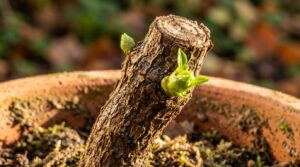
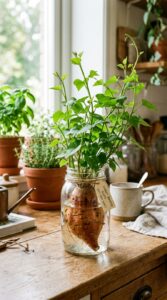
To propagate your own plants, start with cuttings from healthy plants or collect seeds from mature flowers and vegetables. Utilize seed trays with quality potting mix and provide adequate light and moisture to encourage germination. This not only saves money but allows you to cultivate varieties suited to your garden’s conditions.
What are the benefits of mulching in my garden?
Mulching helps suppress weeds, retain soil moisture, and regulate temperature, ultimately reducing the need for watering and weeding. Organic mulches, like straw or wood chips, also improve soil structure as they decompose. Implementing a good layer of mulch around your plants can enhance their growth and health throughout the season.