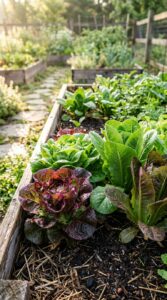
1. Assessing Your Lawn: Identifying Non-Native Grass Species

Assessing Your Lawn: Identifying Non-Native Grass Species
Assessing your lawn is crucial for maintaining a vibrant and healthy landscape. One of the first steps in this process is identifying non-native grass species that may be detrimental to your local ecosystem. Non-native grasses can disrupt soil health and reduce biodiversity. Here’s how to assess your lawn effectively.
Step-by-Step Guidance
- Visual Inspection: Begin by closely examining the grass in your lawn. Look for differences in color, texture, and growth patterns. Non-native species often appear more vigorous or have an unusual color compared to native varieties.
- Research Grass Types: Utilize local extension services or online resources to compare the grasses in your lawn to known native species. Common non-native grasses include Bermuda grass and fescue.
- Conduct a Soil Test: Non-native grasses may affect soil composition. Testing your soil can reveal imbalances caused by invasive species.
Common Gardening Mistakes to Avoid
- Ignoring lawn diversity: A diverse lawn is more resilient; removing non-native species can enhance biodiversity.
- Overlooking proper identification: Misidentifying grass species can lead to ineffective management.
Expert Tips and Best Practices
To manage non-native grass species effectively:
- Consider replacing them with native alternatives that thrive in your region.
- Implement a regular lawn care routine, including aeration and overseeding with native grasses.
- Use mulching techniques to suppress non-native growth and retain soil moisture.
By following these steps, you can create a healthier lawn, promoting local flora and fauna while avoiding the pitfalls of non-native grass species. Regular assessment is key to preserving your garden’s integrity.
2. Choosing the Right Native Plants for Your Region and Soil Type

Choosing the Right Native Plants for Your Region and Soil Type
When it comes to garden DIY, selecting native plants is essential for creating a sustainable and low-maintenance landscape. Native plants are naturally adapted to your local climate, soil, and wildlife, leading to healthier gardens and reduced water usage.
Understanding Your Region and Soil Type
Begin by researching your USDA Hardiness Zone, which guides you in identifying plants that thrive in your area. Next, conduct a soil test to determine your soil type—whether it’s sandy, clay, or loamy—since this significantly impacts plant growth.
Step-by-Step Guide to Choosing Native Plants
- Identify Local Flora: Visit local botanical gardens or extension services to learn about native plants suited for your region.
- Match Plants to Soil: Choose plants that are compatible with your soil type. For example, milkweed thrives in sandy soils, while purple coneflower prefers well-drained, loamy soils.
- Consider Sunlight and Water Needs: Ensure the selected plants match the light and moisture conditions of your garden.
Common Gardening Mistakes to Avoid
Avoid overplanting, which can lead to competition for resources. Additionally, steer clear of non-native plants that may become invasive and disrupt local ecosystems. Remember to plan for mature plant sizes to prevent overcrowding.
Best Practices for Planting
Incorporate a diversity of native species to attract beneficial pollinators and create a balanced ecosystem. Use organic mulch to retain moisture and suppress weeds, enhancing the overall health of your garden.
By choosing the right native plants for your region and soil type, you can create a vibrant, sustainable garden that flourishes with minimal effort.
3. Creating a Native Plant Palette: Color and Texture Combinations

Creating a Native Plant Palette: Color and Texture Combinations
Crafting a native plant palette is an exciting way to enhance your garden’s biodiversity while adding stunning color and texture combinations. Native plants are adapted to local climates and soils, making them a sustainable choice for your landscape. Here’s how to create a visually appealing and ecologically beneficial native plant palette.
Selecting Your Plants
Start by researching native species suitable for your region. Consider incorporating a mix of:
- Early Bloomers: Such as Trillium or Columbine, which add spring color.
- Summer Blooms: Include Black-eyed Susans and Bee Balm for vibrant summer displays.
- Fall Foliage: Add Goldenrod or Asters for rich autumn hues.
Designing for Texture
Combine plants with varying leaf shapes and sizes to create a dynamic texture. For instance:
- Pair the broad leaves of Cardinal Flower with the fine foliage of Ferns.
- Incorporate grasses like Little Bluestem for height and movement.
Best Practices and Common Mistakes
To ensure success, follow these expert tips:
- Plan for Growth: Research mature sizes to avoid overcrowding.
- Soil Preparation: Amend soil with organic matter for optimal growth.
- Watering Wisely: Native plants typically require less water; avoid overwatering.
Avoid common mistakes such as neglecting sunlight requirements or ignoring local wildlife. By creating a native plant palette, not only do you enhance the beauty of your garden, but you also support local ecosystems, making your gardening efforts both rewarding and environmentally responsible.
4. Removing Grass: Effective Techniques for Lawn Conversion

Removing Grass: Effective Techniques for Lawn Conversion
Transforming your lawn into a thriving garden space begins with the effective removal of grass. Whether you’re looking to create a flower bed, vegetable garden, or a rock garden, understanding the best methods for grass removal is crucial. Here’s a guide to help you through the process.
Popular Techniques for Grass Removal
- Solarization: Cover the grass with clear plastic for 4-6 weeks during hot weather. The heat traps moisture and kills the grass and weeds beneath.
- Sheet Mulching: Layer cardboard or newspaper over the grass, followed by organic mulch. This smothers the grass while enriching the soil.
- Manual Removal: Use a spade or sod cutter to physically remove the grass. This technique is labor-intensive but effective for small areas.
Step-by-Step Guidance
- Choose Your Method: Assess your garden space and select the appropriate grass removal technique based on size and desired outcomes.
- Prepare the Area: Clear debris, stones, and any existing plants. This ensures a clean slate for your new garden.
- Implement Your Technique: Follow the steps for your chosen method, ensuring to monitor progress and adjust as necessary.
- Soil Preparation: Once the grass is removed, amend the soil with compost or organic matter to enhance fertility.
Expert Tips and Common Mistakes
To ensure a successful lawn conversion, consider the following expert tips:
- Test your soil to understand its nutrient profile.
- Avoid removing too much soil during grass removal to prevent damaging beneficial microorganisms.
- Be patient, as complete grass eradication may take time.
By utilizing these effective techniques for grass removal, you can pave the way for a flourishing garden. Remember, preparation and patience are key to a successful lawn conversion!
5. Soil Preparation: Enhancing Nutrient Levels for Native Plants

Soil Preparation: Enhancing Nutrient Levels for Native Plants
Soil preparation is crucial for cultivating healthy native plants. By enhancing nutrient levels, you create an environment that supports biodiversity and promotes robust plant growth. Here’s a step-by-step guide to achieving optimal soil health in your garden.
Step 1: Test Your Soil
Start by testing your soil to determine its pH and nutrient levels. You can use a DIY soil test kit available at garden centers. Ideal pH levels for most native plants range from 6.0 to 7.0. Knowing your soil’s composition allows you to amend it effectively.
Step 2: Amend the Soil
Based on your soil test results, you can make necessary amendments. Consider incorporating:
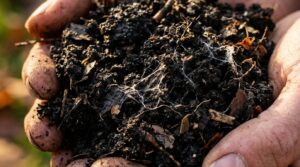
- Organic matter: Add compost or well-rotted manure to improve soil structure and nutrient content.
- Mulch: Use shredded leaves or wood chips to retain moisture and suppress weeds.
- Mineral amendments: If your soil is lacking specific nutrients, add rock phosphate for phosphorus or greensand for potassium.
Step 3: Aerate the Soil
Aerating your soil increases oxygen availability to plant roots. Use a garden fork or aerator to create small holes, facilitating better drainage and root penetration.
Common Mistakes to Avoid
Many gardeners overlook the importance of soil preparation. Avoid:
- Neglecting soil testing.
- Over-amending with fertilizers, which can lead to nutrient burn.
- Ignoring soil compaction, which inhibits root growth.
By following these best practices, you can create a nutrient-rich environment conducive to thriving native plants. Remember, healthy soil leads to a flourishing garden!
6. Designing Your Layout: Planning Paths and Plant Groupings

Designing Your Layout: Planning Paths and Plant Groupings
Creating a functional and visually appealing garden layout is crucial for any garden DIY project. By carefully planning paths and plant groupings, you can enhance both accessibility and aesthetics in your outdoor space. Here’s how to get started.
Step-by-Step Garden Layout Planning
- Assess Your Space: Begin by measuring your garden area. Identify sunny and shady spots, as well as soil quality and drainage.
- Design Your Paths: Choose materials like gravel, stone, or mulch for pathways. Ensure they are wide enough for easy access and follow a natural flow through your garden.
- Group Plants Strategically: Consider plant height, color, and texture. Use the thriller, filler, and spiller technique for effective groupings. Tall plants (thrillers) at the back, medium plants (fillers) in the middle, and trailing plants (spillers) at the front create depth.
- Incorporate Trends: Look into current garden design trends, like incorporating native plants or edible gardens, to create a sustainable and dynamic layout.
Expert Tips for Success
- Avoid Overcrowding: Ensure there is adequate space between plant groupings to prevent competition for nutrients and sunlight.
- Use Color Theory: Pair complementary colors for visual interest. Consider seasonal blooms for year-round appeal.
- Plan for Growth: Remember that plants will expand over time. Choose appropriate spacing to accommodate future growth.
By following these guidelines, you can create a beautifully designed garden layout that enhances both functionality and beauty. Remember, thoughtful planning is key to avoiding common gardening mistakes and achieving a thriving garden.
7. Planting Techniques: Proper Depth and Spacing for Native Flora

Planting Techniques: Proper Depth and Spacing for Native Flora
Successfully planting native flora requires understanding the proper depth and spacing to ensure optimal growth and biodiversity in your garden. Native plants are adapted to local conditions, making them an excellent choice for sustainable gardening.
Understanding Proper Planting Depth
When planting native flora, the general rule is to dig a hole that is twice the width and the same depth as the root ball. This method promotes healthy root development. Here are some tips to consider:
- Always loosen the soil at the bottom of the hole to encourage root penetration.
- For small native plants, ensure the crown (where the stems meet the roots) is level with the soil surface.
- For larger perennials and shrubs, ensure the root flare is just above ground level to prevent rot.
Importance of Spacing
Spacing is crucial for ensuring that plants receive adequate sunlight, air circulation, and nutrients. Follow these best practices:
- Consult native plant guides for specific spacing recommendations; typically, 12-24 inches apart is ideal for most species.
- Group plants with similar water and light requirements to enhance growth.
- Avoid overcrowding, which can lead to competition for resources and increased susceptibility to pests.
Avoiding Common Mistakes
Many gardeners mistakenly plant too deep or too close together. Here’s how to avoid these pitfalls:
- Always measure your planting depth and spacing accurately.
- Consider the mature size of the plants to ensure they have room to thrive.
By following these expert-level planting techniques for native flora, you not only enhance the beauty of your garden but also contribute positively to the local ecosystem. Embrace current trends in Garden DIY that focus on sustainability and biodiversity, and watch your garden flourish!
8. Watering Strategies: Establishing New Plants in Dry Seasons

Watering Strategies: Establishing New Plants in Dry Seasons
Successfully establishing new plants during dry seasons requires strategic watering techniques that promote healthy root development. As a gardener, understanding the water needs of your plants is crucial for their survival in arid conditions. Here’s how to effectively water your new plants.
1. Deep Watering Techniques
Instead of shallow watering, which encourages surface root growth, opt for deep watering. This method ensures moisture reaches the deeper root zones:
- Water early in the morning or late in the evening to minimize evaporation.
- Use a soaker hose or drip irrigation system to deliver water directly to the soil.
- Allow the soil to absorb water for at least 30 minutes, ensuring it penetrates deeply.
2. Mulching for Moisture Retention
Applying organic mulch around your new plants can significantly reduce soil evaporation. Use materials like straw, wood chips, or grass clippings. Aim for a layer of 2-4 inches to:
- Suppress weeds that compete for water.
- Maintain soil temperature and moisture levels.
3. Monitoring Soil Moisture
Regularly check soil moisture to avoid overwatering, which can lead to root rot. Use a moisture meter or perform the finger test:
- Insert your finger into the soil up to the second knuckle. If the soil feels dry, it’s time to water.
Common Mistakes to Avoid
Many gardeners fail to adjust their watering strategies according to seasonal changes. Avoid these pitfalls:
- Overwatering, which is often more harmful than underwatering.
- Neglecting to consider the specific water needs of different plant species.
By implementing these expert watering strategies, you’ll help your new plants thrive even in the driest conditions. Remember, establishing a robust watering routine is vital for successful plant growth.
9. Mulching: Selecting and Applying Organic Mulch for Native Gardens

Mulching: Selecting and Applying Organic Mulch for Native Gardens
Mulching is a vital practice in maintaining healthy native gardens, offering numerous benefits such as moisture retention, weed suppression, and soil temperature regulation. Selecting the right organic mulch can enhance your garden’s ecosystem while providing essential nutrients to your native plants.
Choosing the Right Organic Mulch
When selecting organic mulch, consider these popular options:
- Bark chips: Ideal for pathways and garden beds, providing a rustic look.
- Wood chips: Excellent for suppressing weeds and enriching soil as they decompose.
- Straw: Lightweight and perfect for vegetable gardens, it breaks down quickly.
- Grass clippings: A nitrogen-rich option, but ensure they are free of herbicides.
Step-by-Step Application Guide
- Clean the Area: Remove weeds and debris to ensure effective mulching.
- Moisten the Soil: Lightly water the area to prepare the soil for mulching.
- Apply Mulch: Spread a 2-4 inch layer of your chosen organic mulch, keeping it away from plant stems.
- Monitor and Refresh: Check the mulch every few months and replenish as needed to maintain coverage.
Common Mistakes to Avoid
Many gardeners make the mistake of applying mulch too thickly, which can suffocate plants or promote pest infestations. Additionally, using non-organic materials can hinder soil health. Always ensure your organic mulch is free from contaminants.
Gardening Best Practices
For optimal results, integrate mulching into your seasonal gardening routine. This not only conserves moisture but also supports native biodiversity by creating a healthy habitat for beneficial organisms.
Incorporating these mulching techniques will greatly enhance your native garden’s vitality, ensuring it thrives through the seasons. Remember, the right mulch is a gardener’s ally!
10. Maintaining Your Native Plant Garden: Weeding and Pest Control Tips

Maintaining Your Native Plant Garden: Weeding and Pest Control Tips
Maintaining your native plant garden is essential for promoting biodiversity and enhancing local ecosystems. Effective weeding and pest control are crucial steps in this process. Here are expert tips to keep your garden thriving.
Weeding Best Practices
Regular weeding is vital to prevent native plants from being outcompeted. Follow these steps for effective weed management:
- Identify Weeds: Familiarize yourself with common weeds in your area; this helps in quick identification during maintenance.
- Manual Removal: Hand-pull weeds, ensuring you remove the entire root to prevent regrowth.
- Mulching: Apply a 2-3 inch layer of organic mulch to suppress weeds and retain moisture.
Pest Control Techniques
Native plants are generally more resistant to pests, but occasional infestations can occur. Implement these methods for effective pest control:
- Encourage Beneficial Insects: Planting native flowers can attract pollinators and predatory insects that naturally control pests.
- Natural Insecticides: Use neem oil or insecticidal soap as eco-friendly options for treating infestations.
- Regular Monitoring: Check plants weekly for signs of pests or damage, allowing for early intervention.
Avoid Common Mistakes
To ensure your native plant garden flourishes, avoid these common gardening mistakes:
- Neglecting regular maintenance can lead to overwhelming weed problems.
- Over-relying on chemical pesticides may harm beneficial insects.
By following these weeding and pest control tips, you can maintain a vibrant native plant garden that supports local wildlife and promotes ecological sustainability.
Frequently Asked Questions
How do I know if my lawn has non-native grass species?
To identify non-native grass species, research common grasses in your area and compare their characteristics with what you have. Look for traits like blade width, growth habit, and color. Resources such as local extension services or gardening clubs can provide valuable insights and identification tools.
What are the best native plants for my region and soil type?
The best native plants depend on your specific region and soil conditions. Check resources like native plant societies or extension services for lists of suitable species. Consider factors such as sunlight, moisture levels, and local wildlife to ensure you select plants that thrive in your environment.
Why is it important to create a native plant palette for my garden?
Creating a native plant palette enhances biodiversity and supports local ecosystems by attracting pollinators and beneficial insects. A well-designed palette also offers visual interest through diverse colors and textures, making your garden not only functional but also aesthetically pleasing.
What are effective techniques for removing grass when converting my lawn?
Effective grass removal techniques include sheet mulching, solarization, and using a sod cutter. Sheet mulching involves layering cardboard and organic materials to smother grass, while solarization uses clear plastic to trap heat and kill grass. Choose a method that best suits your timeline and available resources.
How can I enhance soil nutrients for my native plants?
Enhancing soil nutrients can be achieved by testing your soil and amending it with organic matter, such as compost or well-rotted manure. Incorporating native plant-specific fertilizers can also provide essential nutrients. Regular soil testing helps monitor pH and nutrient levels to keep your native garden healthy.