1. Creating a Lush Perennial Border for Your Cottage Garden Retreat

Creating a Lush Perennial Border for Your Cottage Garden Retreat
A perennial border can transform your cottage garden into a vibrant retreat, offering year-round beauty and low maintenance. Here’s how to create a lush perennial border that complements your garden’s rustic charm.
Step-by-Step Guide
- Choose Your Location: Select a sunny spot with well-drained soil. Remember that most perennials thrive in full sun (6-8 hours daily).
- Design Your Border: Plan for a mix of heights and colors. Taller plants like Delphinium can provide structure, while shorter ones like Thyme offer ground cover.
- Soil Preparation: Amend the soil with organic compost to improve fertility and drainage. A pH of 6.0-7.0 is ideal for most perennials.
- Select Your Perennials: Consider popular choices like Echinacea, Rudbeckia, and Astilbe for long-lasting blooms.
- Planting: Space your plants according to their mature size, typically 12-24 inches apart. This allows for healthy growth and airflow.
Expert Tips and Common Mistakes
- Watering: New plantings require consistent moisture. Avoid overwatering, which can lead to root rot.
- Mulching: Apply a layer of organic mulch to suppress weeds and retain soil moisture.
- Deadheading: Regularly remove spent blooms to encourage more flowers and prolong the blooming season.
By following these best practices, you’ll avoid common pitfalls like overcrowding and neglecting soil health. Creating a lush perennial border not only enhances the aesthetic appeal of your cottage garden but also provides a sanctuary for local wildlife. Embrace current trends by incorporating native plants to support biodiversity and sustainability in your gardening efforts.
2. Incorporating Heirloom Vegetables into Your Cozy Cottage Landscape

Incorporating Heirloom Vegetables into Your Cozy Cottage Landscape
Heirloom vegetables not only enhance the aesthetic of your cozy cottage landscape but also offer unique flavors and biodiversity. These varieties, often passed down through generations, are perfect for gardeners looking to create a charming and productive garden space.
Choosing the Right Varieties
Start by selecting heirloom vegetables that thrive in your climate. Some popular options include:
- Brandywine tomatoes – Known for their rich flavor.
- Blue Lake pole beans – Excellent for vertical gardening.
- Chioggia beets – Their striking color adds visual interest.
Designing Your Garden Layout
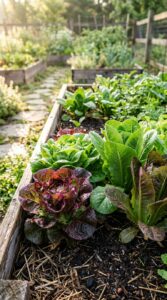
Incorporate heirlooms into raised beds or cottage-style borders. Use companion planting to boost growth and deter pests. For example:
- Plant basil with tomatoes to enhance flavor and repel insects.
- Combine carrots and onions to maximize space and improve health.
Best Practices for Growing Heirlooms
Follow these expert tips to ensure a thriving heirloom garden:
- Soil Health: Use organic compost to enrich your soil.
- Watering: Consistent moisture is key; consider drip irrigation.
- Pest Management: Utilize natural predators like ladybugs.
Common Mistakes to Avoid
Many gardeners overlook critical steps. Avoid these pitfalls:
- Neglecting to rotate crops, which can lead to soil depletion.
- Overcrowding plants, resulting in poor air circulation.
By thoughtfully incorporating heirloom vegetables into your cottage landscape, you’ll create a vibrant, sustainable garden that delights the senses and supports biodiversity. Happy gardening!
3. Designing Charming Pathways with Natural Stone in Your Garden

Designing Charming Pathways with Natural Stone in Your Garden
Creating enchanting pathways using natural stone can transform your garden into a serene retreat. With the right approach, you can enhance your landscape while ensuring functionality and aesthetic appeal.
Choosing the Right Natural Stone
When designing your pathway, it’s essential to select stones that complement your garden’s style. Here are popular choices:
- Flagstone: Ideal for a rustic look, flagstone offers irregular shapes and colors.
- Slate: Provides a sleek, modern appearance with its smooth finish.
- Granite: Durable and versatile, perfect for high-traffic areas.
Step-by-Step Guidance
- Plan Your Pathway: Sketch a layout considering your garden’s flow and focal points.
- Prepare the Ground: Clear the area of grass and debris to create a solid base.
- Lay the Stones: Position stones with 2-4 inches of space between them for planting ground cover.
- Fill Gaps: Use gravel or sand to stabilize stones and prevent shifting.
Expert Tips and Common Mistakes
To achieve a professional-looking pathway, consider these tips:
- Ensure stones are level to avoid tripping hazards.
- Avoid using stones that clash with existing garden elements.
- Don’t overlook drainage; ensure water flows away from pathways to prevent erosion.
Embrace Current Trends
Incorporate eco-friendly practices by using locally sourced stones and native plants to fill gaps. This not only enhances your garden’s charm but also supports local ecosystems.
By following these best practices, you can design charming pathways with natural stone that elevate your garden’s beauty while providing practical access. Happy gardening!
4. Building a Rustic Trellis for Climbing Roses and Vines

Building a Rustic Trellis for Climbing Roses and Vines
Creating a rustic trellis for climbing roses and vines not only enhances your garden’s aesthetic but also provides essential support for your plants. This DIY project is straightforward and can be tailored to suit your garden’s style.
Materials Needed
- Wooden boards (cedar or pine recommended)
- Wood screws
- Wood glue
- Sandpaper
- Stain or outdoor sealant
Step-by-Step Guide
- Design Your Trellis: Determine the size based on the space available and the type of climbing roses or vines you wish to support.
- Cut the Wood: Cut your wooden boards to the desired dimensions. Typical dimensions for a trellis are 6-8 feet tall and 3-4 feet wide.
- Assemble the Frame: Use wood screws and glue to secure the vertical and horizontal supports. Ensure your frame is sturdy enough to withstand wind and heavy blooms.
- Sand and Finish: Sand edges to prevent splinters and apply a protective stain to enhance durability.
- Install the Trellis: Securely anchor the trellis into the ground or against a wall, ensuring it is level for optimal plant growth.
Expert Tips and Common Mistakes
When building your rustic trellis, consider the following best practices:
- Choose rot-resistant wood to prolong the life of your trellis.
- Position the trellis in a sunny spot to promote healthy vine growth.
- Avoid overcrowding; give plants ample space to climb.
By following these steps and tips, you can create a stunning rustic trellis that will support climbing roses and vines beautifully. This project not only adds charm to your garden but also enhances the health and growth of your plants.
5. Selecting the Perfect Cottage-Style Flower Varieties for Year-Round Bloom

Selecting the Perfect Cottage-Style Flower Varieties for Year-Round Bloom
Cottage-style gardens are cherished for their vibrant, informal beauty and diverse floral displays. To create a stunning garden that blooms year-round, it’s essential to select the right flower varieties. Here’s a guide to help you choose the perfect blooms, ensuring your garden flourishes throughout the seasons.
Step-by-Step Selection Process
- Understand Your Climate: Evaluate your USDA hardiness zone to select flowers suited to your environment. Popular cottage-style flowers like Delphiniums and Foxgloves thrive in temperate regions, while Lavender and Salvias prefer warmer climates.
- Choose Seasonal Variety: Incorporate perennials, annuals, and biennials for continuous blooms. For spring, consider Peonies and Forget-Me-Nots. Summer can feature Roses and Rudbeckias, while Asters and Chrysanthemums will brighten your fall.
- Layering for Depth: Plant taller flowers like Sunflowers at the back and shorter varieties such as Pansies in front. This will enhance visibility and create a lush look.
Expert Gardening Tips
- Mix colors and textures to create an inviting atmosphere.
- Consider native plants for sustainability and lower maintenance.
- Utilize companion planting to deter pests and promote healthy growth.
Avoid Common Mistakes
Many gardeners overplant, leading to competition for nutrients. Ensure adequate spacing to allow airflow and prevent disease. Additionally, avoid planting in shaded areas unless you choose shade-tolerant varieties.
By carefully selecting the right cottage-style flower varieties, you can create a flourishing garden that enchants year-round. Embrace these expert tips to ensure your garden remains vibrant and inviting, reflecting the charm of traditional cottage gardens.
6. Crafting a Serene Water Feature with Native Plants for Tranquility

Crafting a Serene Water Feature with Native Plants for Tranquility
Creating a tranquil garden oasis with a water feature is an excellent way to enhance your outdoor space. By incorporating native plants, you can promote biodiversity while ensuring that your garden is both beautiful and sustainable. Here’s a step-by-step guide to crafting your serene water feature.
Step 1: Design Your Water Feature
Start by choosing a suitable location that receives partial sunlight. A small pond or a fountain can serve as the centerpiece. Consider using natural materials such as stones or boulders to integrate the feature harmoniously into your garden.
Step 2: Select Native Plants
Opt for native aquatic plants like pickerel rush, water lilies, and blue flag iris. These species thrive in local conditions and provide habitat for wildlife.
Step 3: Install the Water Feature
- Excavate the area for your pond, ensuring it has varying depths for diverse plant life.
- Line the pond with a durable liner to prevent leaks.
- Fill with water, allowing it to settle for a few days before introducing plants.
Expert Gardening Tips
To keep your water feature thriving:
- Regularly check the water level and quality to prevent algae blooms.
- Incorporate a small fountain aerator for oxygenation.
- Position plants to ensure they receive adequate sunlight.
Avoid Common Mistakes
Avoid overcrowding your water feature with plants, which can lead to competition for nutrients. Additionally, steer clear of non-native species that may disrupt the local ecosystem.
By following these best practices, you can create a serene water feature that enhances tranquility in your garden while supporting local wildlife. Enjoy the soothing sounds and sights of your new oasis!
7. Utilizing Companion Planting Techniques for Pest Control in Cottages

Utilizing Companion Planting Techniques for Pest Control in Cottages
Companion planting is a time-tested technique that enhances garden productivity and natural pest control, making it ideal for cottage gardens. By strategically pairing plants, you can create a balanced ecosystem that deters pests while promoting healthy growth.
Step-by-Step Guide to Companion Planting
- Choose Compatible Plants: Select plants that naturally repel pests or attract beneficial insects. For example, marigolds deter aphids and nematodes, while basil repels flies and mosquitoes.
- Plan Your Layout: Position taller plants, like sunflowers, to provide shade for smaller ones. This optimizes space and protects delicate species from harsh sunlight.
- Rotate Plantings: Avoid planting the same companions in the same spot each year to prevent soil-borne diseases. This practice ensures a healthy soil ecosystem.
- Monitor Plant Health: Regularly inspect your plants for signs of pest activity. Early detection allows for immediate intervention.
Expert Tips and Common Mistakes
- Tip: Utilize dill and fennel to attract predatory insects like ladybugs and lacewings, which naturally control aphid populations.
- Mistake to Avoid: Do not mix plants that compete for the same nutrients, such as tomatoes and potatoes, as this can lead to poor growth.
- Best Practice: Incorporate a variety of flowers and herbs to create a biodiverse environment that supports beneficial insects.
By implementing these companion planting techniques, you can effectively manage pests in your cottage garden while enhancing its beauty and productivity. Embrace these natural methods for a thriving, sustainable gardening experience.
8. Creating Cozy Nooks with Garden Furniture and Climbers for Relaxation

Creating Cozy Nooks with Garden Furniture and Climbers for Relaxation
Transforming your garden into a serene retreat is easier than you think. By integrating garden furniture and climbers, you can establish cozy nooks perfect for relaxation. Here’s how to create your own tranquil space.
Step-by-Step Guide to Creating Your Cozy Nook
- Choose the Right Location: Look for a quiet corner in your garden that receives partial sunlight. This will create a comfortable ambiance.
- Select Quality Furniture: Opt for weather-resistant materials like teak or aluminum. A small bistro set or a hammock can be perfect additions.
- Incorporate Climbers: Plant climbers such as clematis or wisteria near your seating area. Use trellises or archways to support their growth and create natural shade.
- Add Accessories: Enhance comfort with outdoor cushions, throws, and a small side table for refreshments.
Gardening Best Practices
- Ensure proper soil drainage for climbers to thrive.
- Water climbers regularly, especially during dry spells.
- Prune climbing plants to maintain healthy growth and prevent overcrowding.
By avoiding common mistakes like overcrowding your nook with plants or neglecting furniture maintenance, you can ensure your cozy retreat remains inviting. With the current trend of outdoor living spaces, creating a cozy nook with garden furniture and climbers not only enhances your garden’s aesthetic but also provides a personal sanctuary for relaxation.
Embrace the art of garden DIY and enjoy your newly created serene space!
9. Using Raised Beds to Cultivate Herbs in Your Cottage Garden Space

Using Raised Beds to Cultivate Herbs in Your Cottage Garden Space
Creating a cottage garden with raised beds is an ideal way to cultivate vibrant herbs while maximizing space and improving soil quality. Raised beds not only enhance aesthetics but also provide better drainage and easier access for maintenance.
Choosing the Right Location
Begin by selecting a sunny spot that receives at least six hours of sunlight daily. Herbs thrive in well-drained soil, so avoid areas where water tends to pool. Consider the proximity to your kitchen for convenient harvesting.
Building Your Raised Bed
Construct a raised bed using untreated wood, bricks, or stone to a height of 12-24 inches. This depth allows for optimal root growth. Fill the bed with a mix of quality topsoil, compost, and well-rotted manure to ensure nutrient-rich conditions.
Planting Your Herbs
Popular herbs for a cottage garden include:
- Basil
- Thyme
- Mint
- Oregano
- Chives
Plant herbs according to their spacing needs, keeping in mind that some, like mint, can be invasive. Consider using barriers or planting them in separate containers within the raised bed.
Watering and Maintenance
Water your herbs deeply but infrequently to encourage deep root growth. Regularly check for pests and diseases, and use organic solutions when needed. Mulching can help retain moisture and suppress weeds.
Common Mistakes to Avoid
- Overcrowding plants, which can lead to poor air circulation.
- Neglecting soil health; regularly amend your soil with compost.
- Ignoring local climate conditions that affect herb growth.
By following these expert tips and best practices, you’ll cultivate a thriving herb garden that enhances your cottage garden space. Enjoy the beauty and bounty of your raised bed herbs all season long!
10. Implementing Sustainable Practices for a Thriving Cottage Ecosystem

Implementing Sustainable Practices for a Thriving Cottage Ecosystem
Creating a thriving cottage ecosystem involves integrating sustainable gardening practices that promote biodiversity and healthy soil. Here are some expert-level strategies to ensure your garden flourishes sustainably.
1. Embrace Companion Planting
Companion planting is an effective method to enhance plant growth and deter pests. For example, plant basil alongside tomatoes to improve flavor and repel aphids. This method not only maximizes space but also contributes to a balanced ecosystem.
2. Utilize Organic Mulching
Applying organic mulch, such as straw or wood chips, helps retain moisture, suppress weeds, and enrich the soil as it decomposes. Aim for a layer of 2-4 inches around your plants to optimize these benefits.
3. Practice Crop Rotation
To prevent soil depletion and reduce pest buildup, rotate your crops annually. For instance, follow legumes with leafy greens, which benefit from the nitrogen fixed by the previous crop.
4. Install a Rainwater Harvesting System
Collecting rainwater is a trending sustainable practice that conserves resources. Use barrels to capture runoff and utilize this water for irrigation, reducing your dependency on municipal water systems.
Common Mistakes to Avoid
- Neglecting soil health—always test and amend your soil as needed.
- Over-relying on chemical fertilizers—opt for organic alternatives.
- Ignoring local biodiversity—choose native plants that thrive in your ecosystem.
By implementing these sustainable practices, you can cultivate a resilient cottage garden that supports wildlife and promotes environmental health. Remember, a thriving garden is a reflection of its ecosystem, so prioritize sustainability in your gardening endeavors.
Frequently Asked Questions
How can I create a lush perennial border for my cottage garden retreat?
To create a lush perennial border, start by selecting a mix of flowering perennials that bloom at different times throughout the season. Incorporate plants like lavender, echinacea, and daisies for a vibrant display. Ensure you prepare the soil well, adding organic matter, and space the plants to allow for growth and air circulation, which is essential for preventing disease.
Why should I incorporate heirloom vegetables into my cottage garden design?
Incorporating heirloom vegetables adds both beauty and functionality to your cottage garden. They often have unique flavors and colors that enhance your landscape and can attract beneficial insects. Additionally, growing heirloom varieties helps preserve biodiversity and can be a rewarding experience, connecting you with gardening traditions.
What materials are best for designing charming pathways in my garden?
Natural stone is an excellent choice for creating charming pathways, as it blends beautifully with a cottage garden aesthetic. Look for stones like flagstone, slate, or cobblestones, which can be laid in irregular patterns for a rustic effect. Ensure proper drainage and a stable base when installing to prevent shifting and ensure long-lasting pathways.
How do I build a rustic trellis for climbing roses and vines?
To build a rustic trellis, use untreated cedar or willow branches for a natural look. Construct a simple frame by securing vertical and horizontal supports, ensuring it’s sturdy enough to support heavy blooms. Position the trellis in a sunny spot, and train your climbing roses or vines to grow along it by gently tying them with garden twine.
What are the best cottage-style flower varieties for year-round bloom?
For a year-round blooming cottage garden, consider planting early bloomers like snowdrops and crocuses, mid-season favorites like peonies and delphiniums, and late bloomers such as asters and sedums. Mixing these varieties will ensure continuous color and interest throughout the seasons, while also providing habitats for pollinators.