1. Best Companion Plants for Tomatoes: Boost Flavor & Growth

Best Companion Plants for Tomatoes: Boost Flavor & Growth
Companion planting is a time-honored technique that can significantly enhance the growth and flavor of your tomato plants. By selecting the right companion plants, you not only improve your garden’s biodiversity but also create a more resilient ecosystem. Here are some of the best companion plants for tomatoes and how to maximize their benefits.
Top Companion Plants
- Basil: Known to enhance the flavor of tomatoes, basil also repels pests like aphids and spider mites.
- Marigolds: These vibrant flowers deter nematodes and other harmful insects, making them an excellent border plant for your tomato patch.
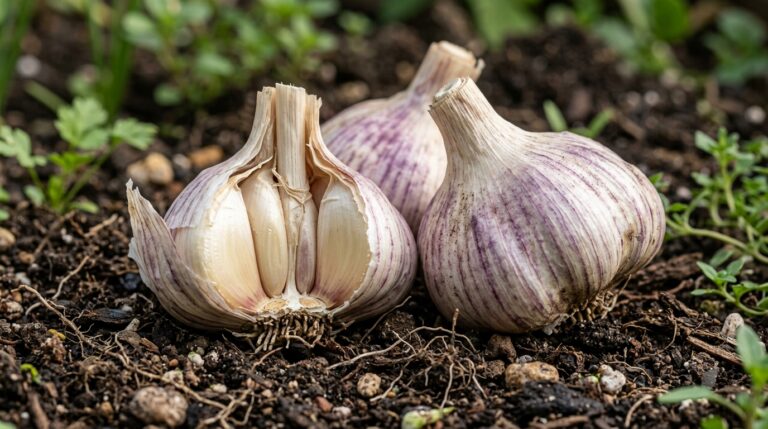
- Garlic: Planting garlic nearby can help ward off whiteflies and other tomato pests, while its strong aroma benefits tomato flavor.
Step-by-Step Planting Guidance
- Select a sunny spot in your garden with well-drained soil for your tomatoes.
- Incorporate organic compost to enrich the soil before planting.
- Space tomato plants adequately (24-36 inches apart) to allow airflow and reduce disease risk.
- Interplant basil, marigolds, and garlic around your tomatoes to maximize their companion benefits.
Common Mistakes to Avoid
While companion planting can offer numerous advantages, here are some common pitfalls to avoid:
- Overcrowding your plants; ensure adequate spacing for air circulation.
- Neglecting soil quality; always amend with compost and nutrients.
- Ignoring pest control; monitor for pests even with companion plants present.
Gardening Best Practices
To optimize your tomato crop, practice regular watering and mulching to retain soil moisture. Additionally, rotate your crops yearly to prevent soil depletion and disease buildup.
Embrace the power of companion planting to boost both the flavor and growth of your tomatoes. By carefully selecting the right plants and following best practices, you can cultivate a thriving vegetable garden that yields delicious results.
2. Enhancing Your Carrots: Top Companion Plants for Optimal Growth

Enhancing Your Carrots: Top Companion Plants for Optimal Growth
Growing healthy carrots requires not only proper soil and care but also strategic planting of companion plants. Companion planting can enhance growth, deter pests, and improve flavor. Here, we explore the best companion plants for carrots that will lead to optimal growth and yield.
Ideal Companion Plants
- Onions: Their strong scent repels carrot flies, a common pest that can damage your crop.
- Garlic: Similar to onions, garlic also deters pests and can promote better growth in carrots.
- Radishes: These fast-growing plants can help break up soil, allowing carrots to grow deeper and healthier.
- Lettuce: As a shallow-rooted plant, lettuce shares space without competing for nutrients, making it a great companion.
Step-by-Step Gardening Guidance
To enhance your carrot growth, follow these simple steps:
- Soil Preparation: Ensure well-draining, loamy soil enriched with organic matter.
- Planting Schedule: Sow carrot seeds in early spring, alongside companion plants for maximum benefits.
- Watering: Maintain consistent moisture, especially during germination.
- Pest Monitoring: Keep an eye out for pests; interplanting with onions and garlic can significantly reduce infestations.
Common Mistakes to Avoid
While companion planting offers many benefits, avoid these common pitfalls:
- Planting too closely can lead to overcrowding; ensure adequate spacing between plants.
- Neglecting soil health; always amend soil before planting.
- Ignoring crop rotation; practice it to prevent soil-borne diseases.
By employing these companion planting strategies, you can significantly enhance your carrot crop. Remember, the right companions will not only protect your carrots but also contribute to a thriving vegetable garden.
3. The Secret to Healthy Cucumbers: Ideal Companion Plant Choices

The Secret to Healthy Cucumbers: Ideal Companion Plant Choices
Growing healthy cucumbers requires more than just proper watering and sunlight; companion planting plays a crucial role in enhancing growth and improving yields. Choosing the right plants to grow alongside cucumbers can help maximize space, deter pests, and promote healthier plants.
Best Companion Plants for Cucumbers
- Nasturtiums: These vibrant flowers not only attract beneficial insects but also repel aphids and cucumber beetles.
- Radishes: Planting radishes near cucumbers can help deter pests while their quick growth allows early harvesting.
- Beans: Legumes like bush beans fix nitrogen in the soil, providing essential nutrients for cucumbers.
- Marigolds: Known for their pest-repelling qualities, marigolds can protect your cucumber plants from nematodes and other harmful insects.
Step-by-Step Guidance for Companion Planting
- Choose your cucumber variety based on your garden’s climate.
- Select companion plants that complement cucumbers, such as those listed above.
- Space plants appropriately to ensure good air circulation and sunlight exposure.
- Monitor for pests and diseases regularly to maintain healthy growth.
Common Mistakes to Avoid
One common mistake is overcrowding plants. Ensure adequate spacing to prevent competition for nutrients. Additionally, avoid planting cucumbers alongside members of the squash family, which can lead to competition and disease transmission.
By incorporating these companion planting strategies, your cucumbers will thrive, yielding a bountiful harvest while contributing to a healthy garden ecosystem. Embrace these best practices to elevate your vegetable gardening experience!
4. How Basil and Tomatoes Thrive Together in Your Vegetable Garden

How Basil and Tomatoes Thrive Together in Your Vegetable Garden
Growing basil and tomatoes together in your vegetable garden is not only a classic pairing, but it also enhances the growth and flavor of both plants. This synergistic relationship—often referred to as companion planting—can lead to a bountiful harvest.
Benefits of Planting Basil with Tomatoes
- Pest Repellent: Basil naturally repels common tomato pests such as aphids and whiteflies.
- Flavor Enhancement: Basil complements the flavor of tomatoes, making your dishes even more delicious.
- Microclimate Creation: The basil plants provide shade to the tomato roots, helping retain soil moisture.
Step-by-Step Planting Guide
- Site Selection: Choose a sunny location with well-drained soil for optimal growth.
- Soil Preparation: Amend your soil with compost to enrich nutrients for both plants.
- Planting: Space tomato plants 24-36 inches apart and basil plants 12 inches apart, ideally in the same row.
- Watering: Keep soil consistently moist, especially during dry spells.
- Mulching: Apply a layer of mulch to suppress weeds and maintain soil temperature.
Expert Tips and Common Mistakes
To maximize your success, avoid overcrowding your plants, which can lead to poor air circulation and disease. Additionally, ensure consistent watering—both basil and tomatoes prefer evenly moist soil.
By incorporating these best practices into your gardening routine, you can enjoy a thriving vegetable garden that yields flavorful tomatoes and aromatic basil, perfect for culinary delights.
5. Creating a Thriving Garden: Companion Plants for Peppers

Creating a Thriving Garden: Companion Plants for Peppers
Companion planting is a fundamental strategy in vegetable gardening, particularly for enhancing the growth and health of peppers. By selecting the right companion plants, you can improve pollination, deter pests, and boost nutrient uptake.
Ideal Companion Plants for Peppers
- Tomatoes: Both thrive in similar conditions and can enhance each other’s flavor.
- Basil: Known to repel aphids and whiteflies, it also improves the taste of peppers.
- Onions: Their strong scent deters pests that commonly affect pepper plants.
- Carrots: They help aerate the soil, allowing better root development for nearby peppers.
Step-by-Step Gardening Guidance
- Assess Your Space: Determine the area where your peppers will thrive, ensuring they receive full sunlight.
- Select Companions: Choose from the list above based on your garden’s needs and available space.
- Plant Strategically: Position companion plants around your peppers to optimize growth and pest control.
- Monitor Growth: Regularly check for signs of pests or diseases, adjusting your companion planting as necessary.
Expert Tips and Common Mistakes
To create a thriving garden, avoid overcrowding your plants. Peppers need sufficient airflow to prevent fungal diseases. Additionally, ensure you are rotating your crops each year to maintain soil health and nutrient balance.
Implement these companion planting strategies to not only create a flourishing pepper garden but also to embrace the current trends in sustainable vegetable gardening. Happy planting!
6. Nasturtiums and Cabbage: Natural Pest Control Techniques

Nasturtiums and Cabbage: Natural Pest Control Techniques
Nasturtiums (Tropaeolum majus) are not only vibrant additions to your vegetable garden but also serve as effective natural pest control partners for cabbage (Brassica oleracea). By understanding the symbiotic relationship between these two plants, gardeners can enhance their yields while minimizing pest damage.
Understanding Pest Attraction
Nasturtiums attract beneficial insects such as hoverflies and ladybugs, which prey on common cabbage pests like aphids and cabbage worms. Planting nasturtiums near your cabbage can create a natural barrier, reducing pest populations without the need for chemical pesticides.
Step-by-Step Planting Guidance
- Select the Right Location: Choose a sunny spot in your garden with well-draining soil.
- Companion Planting: Sow nasturtium seeds alongside cabbage plants, ideally in a staggered row to maximize coverage.
- Maintain Healthy Growth: Water regularly but avoid overhead watering to prevent fungal diseases.
- Monitor for Pests: Regularly inspect your cabbage for any signs of pest activity and utilize nasturtiums to attract beneficial insects.
Common Gardening Mistakes to Avoid
One common mistake is overcrowding; give both nasturtiums and cabbage ample space to grow. Additionally, avoid using chemical fertilizers that can harm beneficial insects. Instead, opt for organic amendments such as compost to promote healthy plant growth.
Best Practices for Success
Incorporate crop rotation in your vegetable gardening plan to prevent soil-borne diseases. Consider integrating other companion plants like marigolds, which also deter pests. This holistic approach not only enhances your cabbage yield but also contributes to a thriving ecosystem in your garden.
By utilizing nasturtiums as a companion plant, you can effectively manage pests, resulting in healthier cabbage crops and a more sustainable vegetable garden.
7. Maximize Yield: Best Companion Plants for Squash Varieties

Maximize Yield: Best Companion Plants for Squash Varieties
Companion planting is a powerful technique in vegetable gardening that can significantly enhance the yield of your squash varieties. By selecting the right companion plants, you can improve pollination, deter pests, and create a healthier growing environment. Here are some expert tips and practical examples to maximize your squash crop.
Ideal Companion Plants
- Marigolds: These vibrant flowers not only attract beneficial insects but also repel harmful pests like aphids and nematodes.
- Beans: Planting bush beans alongside squash can improve nitrogen levels in the soil, promoting robust growth.
- Corn: A classic companion, corn provides natural support for vining squash, while also shading the soil to retain moisture.
- Nasturtiums: These edible flowers serve as a trap crop for aphids, diverting them away from your squash plants.
Step-by-Step Guidance
- Choose your squash variety, such as zucchini or butternut squash, based on your garden conditions.
- Select companion plants that complement your squash, ensuring they thrive in similar soil and light conditions.
- Prepare your garden bed, incorporating well-rotted compost to enhance soil quality.
- Plant your squash and companion plants together, following recommended spacing to avoid overcrowding.
Common Mistakes to Avoid
When companion planting, avoid the following pitfalls:
- Overcrowding: Ensure adequate space between plants to prevent competition for nutrients.
- Ignoring plant height: Taller plants should not shade shorter companions excessively.
- Neglecting soil health: Regularly amend soil with organic matter to maintain fertility.
Incorporating these best practices and companion plants will not only maximize your squash yield but also contribute to a thriving vegetable garden. Happy gardening!
8. Companion Planting for Beans: Improve Nitrogen Fixation Naturally

Companion Planting for Beans: Improve Nitrogen Fixation Naturally
Companion planting is a powerful strategy in vegetable gardening, particularly when it comes to enhancing nitrogen fixation with beans. These legumes have a unique ability to convert atmospheric nitrogen into a form that plants can use, benefiting not only themselves but also their garden companions.
Best Companion Plants for Beans
When planting beans, consider incorporating the following companions to maximize growth and nutrient availability:
- Corn: Acts as a natural support for climbing bean varieties.
- Squash: Provides ground cover, reducing weeds and retaining soil moisture.
- Marigolds: Deter pests, protecting bean plants from harmful insects.
Step-by-Step Guide to Companion Planting Beans
- Choose the Right Varieties: Select bush or pole beans based on your garden space and support availability.
- Plan Your Layout: Position corn in the north to ensure it doesn’t shade the beans, which thrive in sunlight.
- Plant Together: Sow seeds for beans and their companions simultaneously in well-drained soil.
- Maintain Soil Health: Regularly add organic compost to enrich the soil, enhancing nitrogen levels further.
Common Mistakes to Avoid
While companion planting can be beneficial, gardeners often make mistakes such as:
- Planting incompatible species that compete for resources.
- Neglecting soil health, which is crucial for nitrogen fixation.
- Overcrowding plants, leading to poor air circulation and disease.
By implementing these expert tips and understanding the dynamics of companion planting, you can improve nitrogen fixation in your garden naturally. Embrace this trending method to enhance your vegetable gardening practices and enjoy a bountiful harvest!
9. Best Herbs to Pair with Vegetables for Flavor and Growth

Best Herbs to Pair with Vegetables for Flavor and Growth
Integrating herbs into your vegetable garden not only enhances flavors but also promotes healthy growth. Certain herbs can deter pests, attract beneficial insects, and even improve the flavor profile of neighboring vegetables. Here’s a guide to choosing the best herbs to pair with your vegetables.
Top Herb-Vegetable Combinations
- Basil and Tomatoes: Basil thrives alongside tomatoes, enhancing their flavor and repelling pests like aphids.
- Rosemary and Carrots: This herb can deter carrot flies, while its strong aroma can help improve the growth of carrots.
- Dill and Cucumbers: Dill attracts pollinators and helps improve the growth of cucumbers.
- Peppermint and Peppers: Peppermint can ward off pests that may damage pepper plants while adding a refreshing flavor.
Expert Gardening Tips
When planning your garden, consider the following:
- Group herbs and vegetables that have similar sunlight and water needs.
- Plant herbs in succession to ensure a continuous supply throughout the growing season.
- Regularly prune herbs to encourage bushy growth and prevent them from overshadowing your vegetables.
Avoid Common Mistakes
To maximize the benefits of herb-vegetable pairings:
- Don’t overcrowd plants; allow space for air circulation.
- Avoid planting herbs like mint too close to other plants, as they can become invasive.
- Neglecting soil health can impact both herbs and vegetables; use organic compost to enrich the soil.
By strategically pairing herbs with your vegetables, you can create a thriving garden that is both productive and flavorful. Experiment with various combinations and enjoy the enhanced taste and growth of your vegetable harvest!
10. Attracting Pollinators: Companion Plants for Zucchini Success

Attracting Pollinators: Companion Plants for Zucchini Success
Attracting pollinators is essential for maximizing zucchini yields in your vegetable garden. Companion planting not only enhances the health of your zucchini but also creates a thriving ecosystem that encourages beneficial insects. Here’s how to effectively use companion plants for zucchini success.
Best Companion Plants for Zucchini
- Nasturtiums: These vibrant flowers attract pollinators and can deter aphids, providing a natural pest control strategy.
- Borage: Known for its star-shaped flowers, borage attracts bees and improves zucchini flavor.
- Marigolds: These classic garden flowers repel nematodes and other pests, while attracting pollinators.
Step-by-Step Guidance
To create a pollinator-friendly zucchini garden:
- Choose a sunny location with well-draining soil.
- Plant zucchini seeds or seedlings, spacing them 24-36 inches apart.
- Interplant with companion flowers like nasturtiums or borage to encourage pollinator visits.
- Water regularly and mulch to retain moisture and suppress weeds.
Common Mistakes to Avoid
Many gardeners overlook the importance of companion planting. Avoid:
- Planting zucchini too close to other crops, which can hinder growth.
- Neglecting soil health; enrich it with compost to support both zucchini and companion plants.
Gardening Best Practices
Regularly monitor your plants for pests and diseases. An integrated approach, combining companion planting with organic pest control methods, will lead to a robust and productive vegetable garden. By following these expert tips, you can ensure a successful zucchini harvest while supporting local pollinators.
11. Companion Planting Strategies for Spinach and Leafy Greens

Companion Planting Strategies for Spinach and Leafy Greens
Companion planting is an essential strategy in vegetable gardening that enhances plant growth, deters pests, and increases yields. When it comes to spinach and other leafy greens, selecting the right companion plants can significantly improve their health and flavor.
Ideal Companions for Spinach
Spinach thrives when planted alongside:
- Radishes: These fast-growing root vegetables help break up soil, providing spinach roots with more access to nutrients.
- Strawberries: Their ground cover reduces weed competition and helps maintain soil moisture.
- Peas: As nitrogen-fixing plants, they enrich the soil, benefiting spinach during its growth cycle.
Expert Tips for Successful Companion Planting
To maximize the benefits of companion planting:
- Plant spinach in partial shade to prevent bolting during warmer months.
- Utilize intercropping, which involves planting leafy greens between slower-growing crops to efficiently use space.
- Rotate crops annually to prevent soil depletion and pest buildup.
Avoiding Common Mistakes
Many gardeners overlook the importance of plant compatibility. Here are some common mistakes to avoid:
- Planting spinach with leafy brassicas like cabbage, which can compete for nutrients.
- Neglecting soil health; always enrich your soil with organic matter to support companion plants.
By implementing these companion planting strategies for spinach and leafy greens, you can create a thriving garden ecosystem that promotes robust plant growth and reduces pest issues. Remember to observe and adjust your planting combinations based on the specific needs of your garden.
12. Enhancing Your Garden’s Biodiversity with Companion Planting Techniques

Enhancing Your Garden’s Biodiversity with Companion Planting Techniques
Companion planting is a powerful technique that enhances your garden’s biodiversity, leading to healthier plants and improved yields. By strategically pairing vegetables, you can create a thriving ecosystem that supports pest control, pollination, and nutrient absorption.
Understanding Companion Planting
Companion planting involves growing different plants together that benefit each other. For instance, marigolds can repel nematodes, making them an excellent companion for tomatoes. Similarly, planting basil alongside tomatoes not only improves flavor but also deters pests.
Step-by-Step Companion Planting Guide
- Research Compatible Plants: Identify which plants benefit from each other. Resources like gardening books or online databases can provide valuable insights.
- Plan Your Layout: Design your garden beds to accommodate companion plants. Use a grid or raised bed system for optimal space utilization.
- Plant Strategically: Sow seeds or transplant seedlings in pairs or groups, ensuring they have adequate space for growth.
- Monitor Growth: Regularly check your plants for signs of pests or diseases, adjusting your companion planting as necessary.
Common Mistakes to Avoid
- Neglecting plant compatibility: Always double-check compatibility before planting.
- Overcrowding: Ensure each plant has enough space to grow, as overcrowding can lead to competition for nutrients.
- Ignoring soil health: Maintain healthy soil with organic matter to support diverse plant life.
Gardening Best Practices
To maximize the benefits of companion planting, keep these best practices in mind:
- Rotate crops annually to prevent soil depletion and reduce pest buildup.
- Incorporate a variety of plants to attract beneficial insects.
- Utilize organic fertilizers to support a healthy ecosystem.
By implementing these companion planting techniques, you can significantly enhance your garden’s biodiversity, leading to a more resilient and productive vegetable garden. Happy planting!
Frequently Asked Questions
How do companion plants improve tomato growth in my vegetable garden?
Companion plants, such as basil and marigolds, can significantly enhance tomato growth by attracting beneficial insects and repelling pests. These plants can also improve soil health and nutrient availability, leading to healthier tomato plants that produce better yields and flavor. Consider interplanting these companions to create a thriving ecosystem in your garden.
What are the best companion plants for carrots to maximize their growth?
Planting carrots alongside members of the onion family, like chives or green onions, can deter pests such as carrot flies. Additionally, herbs like dill and cilantro can enhance the flavor of carrots while improving their growth. Utilize these companions to ensure a bountiful carrot harvest in your vegetable garden.
Why should I plant cucumbers with beans in my vegetable garden?
Cucumbers and beans make excellent companions because beans fix nitrogen in the soil, which cucumbers thrive on. This symbiotic relationship not only supports healthy cucumber growth but also maximizes space in your garden by allowing the beans to climb, leaving ground space for the cucumbers to spread. This pairing can enhance your garden’s overall productivity.
What are the signs of unhealthy basil when grown with tomatoes?
If your basil plants are wilting, have yellowing leaves, or are showing stunted growth while planted with tomatoes, they may be suffering from root rot or nutrient deficiencies. Ensure proper watering and drainage, and consider rotating your crops to prevent soil-borne diseases. Healthy basil not only benefits tomatoes but also adds flavor to your dishes.
How can I create a thriving garden with peppers and their companion plants?
To create a thriving garden with peppers, consider planting them alongside companions like basil, onions, and marigolds. These plants repel pests and promote healthy growth through beneficial interactions. Regularly monitor moisture levels and ensure adequate spacing to allow all plants to flourish, resulting in a vibrant and productive vegetable garden.