1. Create a Vertical Herb Garden Trellis for Space-Saving Solutions

Create a Vertical Herb Garden Trellis for Space-Saving Solutions
Transform your gardening experience by creating a vertical herb garden trellis, an innovative solution perfect for maximizing small spaces. Vertical gardening not only conserves ground space but also enhances air circulation and sunlight exposure for your herbs.
Materials Needed
- Wooden trellis or lattice panels
- Quality potting soil
- Herb seedlings (like basil, thyme, and cilantro)
- Hanging planters or fabric pockets
- Garden twine or clips for support
Step-by-Step Guide
- Select Your Location: Choose a spot that receives at least 6 hours of sunlight daily.
- Build the Trellis: Secure the trellis against a wall or fence using brackets for stability.
- Prepare Planters: Fill hanging planters or fabric pockets with potting soil, ensuring proper drainage.
- Plant Your Herbs: Space your seedlings according to their mature size, usually about 6-12 inches apart.
- Support Growth: Use garden twine or clips to gently tie herb stems to the trellis as they grow.
Expert Tips and Common Mistakes
Ensure that your herbs receive adequate water but avoid overwatering, which can lead to root rot. A common mistake is overcrowding; allow enough space for each plant to thrive. Regularly harvest leaves to encourage bushier growth.
By incorporating a vertical herb garden trellis into your gardening practice, you’ll not only save space but also enjoy a fresh supply of herbs right at your fingertips. Embrace this current trend in DIY gardening and elevate your growing experience!
2. Build a Living Wall with Succulents for Year-Round Color

Build a Living Wall with Succulents for Year-Round Color
Creating a stunning living wall with succulents is a fantastic way to add color and texture to your garden, while also maximizing vertical space. This DIY project is not only trendy but also low-maintenance, making it perfect for both novice and experienced gardeners.
Materials Needed
- Succulent plants (choose a variety of colors and textures)
- Wooden pallets or vertical planters
- Landscape fabric
- Potting soil (well-draining)
- Watering can or spray bottle
Step-by-Step Guide
- Select Your Location: Choose a sunny spot that receives 6-8 hours of sunlight daily.
- Prepare the Base: Use a wooden pallet or vertical planter. Line it with landscape fabric to retain soil.
- Fill with Soil: Add well-draining potting soil into the container, leaving room for the plants.
- Plant Your Succulents: Arrange and plant succulents, ensuring a mix of colors for year-round interest.
- Water Sparingly: After planting, lightly water your living wall. Succulents thrive in dry conditions.
Expert Tips and Common Mistakes
To ensure a thriving living wall:
- Avoid overwatering; succulents prefer dry soil.
- Choose varieties with similar light and water needs for best results.
- Regularly check for pests and provide adequate airflow to prevent rot.
Building a living wall with succulents not only elevates your garden’s aesthetic but also provides a sustainable green space. Embrace this DIY trend and enjoy vibrant colors all year round!
3. DIY Garden Obelisk Trellis for Climbing Beans and Vines

DIY Garden Obelisk Trellis for Climbing Beans and Vines
Creating a DIY garden obelisk trellis is an excellent way to support climbing beans and vines while adding a decorative touch to your garden. This vertical gardening technique not only maximizes space but also enhances air circulation, reducing the risk of fungal diseases.
Materials Needed
- Wooden stakes or bamboo poles (6-8 pieces)
- Saw (if cutting is necessary)
- Twine or garden wire
- Drill with drill bits
- Measuring tape
Step-by-Step Guide
- Measure and Cut: Decide on the height of your obelisk (typically 5-7 feet) and cut your poles accordingly.
- Assemble the Base: Create a square base using four stakes, connecting them with twine or wire.
- Construct the Obelisk: Insert the remaining stakes into the center, tapering them at the top. Secure them with twine.
- Install in the Garden: Place your obelisk in a sunny spot, ensuring it’s stable and deep enough in the soil.
- Plant Your Vines: Choose climbing beans or vines and plant them around the base, allowing them to climb as they grow.
Expert Tips
To optimize growth, consider these best practices:
- Choose varieties of beans or vines that thrive in your climate.
- Water regularly, especially during dry spells.
- Rotate crops annually to prevent soil nutrient depletion.
Common Mistakes to Avoid
Many gardeners overlook essential details, such as:
- Insufficient support leading to broken stems.
- Planting too close together, hindering airflow.
By following this guide to create your DIY garden obelisk trellis, you’ll enjoy a flourishing vertical garden that’s both functional and aesthetically pleasing!
4. Make a Rustic Wooden Planter Box for Your Patio Flowers

Make a Rustic Wooden Planter Box for Your Patio Flowers
Creating a rustic wooden planter box is an excellent way to enhance your patio’s aesthetic while providing a functional space for your favorite flowers. This DIY project not only adds character but also allows you to customize the size and design to fit your outdoor space. Here’s how to make one effortlessly.
Materials You’ll Need
- Untreated cedar or pine wood (1×6 boards)
- Wood screws
- Wood glue
- Drill
- Saw
- Sandpaper
- Outdoor wood sealant (optional)
Step-by-Step Guide
- Measure and Cut: Determine the size of your planter box. A common size is 36 inches long, 12 inches wide, and 12 inches deep. Cut the wood accordingly.
- Assemble the Box: Start by constructing the base and sides. Use wood screws for durability, and apply wood glue for added strength.
- Sand the Edges: Smooth out rough edges with sandpaper to prevent splinters and ensure a polished look.
- Optional Sealant: For longevity, apply an outdoor wood sealant to protect against moisture.
Expert Tips and Common Mistakes
When making your rustic wooden planter box, be sure to:
- Choose untreated wood to avoid chemicals leaching into the soil.
- Drill drainage holes in the bottom to prevent water accumulation.
- Avoid overcrowding plants to promote healthy growth.
Incorporating this rustic wooden planter box into your patio design not only showcases your flowers beautifully but also aligns with current trends in Garden DIY that emphasize sustainability and natural materials. Happy gardening!
5. Construct a Butterfly Garden with Native Plants and Nectar Sources

Construct a Butterfly Garden with Native Plants and Nectar Sources
Creating a butterfly garden is an enriching and rewarding DIY gardening project that supports local ecosystems. By incorporating native plants and nectar sources, you can attract a diverse array of butterfly species while enhancing your garden’s beauty.
Step-by-Step Guidance
- Choose the Right Location: Select a sunny spot in your yard, as butterflies thrive in warm environments. Ensure the area has some shelter from the wind.
- Select Native Plants: Opt for native flowering plants such as Asclepias tuberosa (Butterfly Weed), Echinacea purpurea (Purple Coneflower), and Rudbeckia hirta (Black-eyed Susan). These provide essential nectar sources.
- Create a Water Source: Incorporate shallow dishes filled with sand and water to offer butterflies a place to drink without the risk of drowning.
- Provide Host Plants: Include specific plants that caterpillars feed on, such as Passiflora incarnata (Passionflower) for the Zebra Swallowtail.
Expert Tips and Tricks
- Group plants in clusters for better visibility and accessibility to butterflies.
- Avoid pesticides, as they can harm beneficial insects.
- Incorporate rocks and logs to provide resting spots for butterflies.
Avoid Common Mistakes
Many gardeners overlook the importance of plant diversity. Ensure a mix of colors and bloom times to provide nectar from spring through fall. Another common mistake is neglecting maintenance; regular deadheading and weeding will keep your butterfly garden vibrant.
Best Practices for Success
Regularly observe the garden to identify which plants attract the most butterflies and adjust your selections accordingly. Engaging with local gardening groups can provide insights into the most effective native plants for your region.
By following these expert-level tips, you can successfully construct a butterfly garden that not only beautifies your space but also enhances biodiversity in your community. Happy gardening!
6. Design a DIY Edible Garden Path with Perennial Ground Covers

Design a DIY Edible Garden Path with Perennial Ground Covers
Creating a DIY edible garden path using perennial ground covers not only enhances your garden’s aesthetic appeal but also provides edible delights right at your feet. This eco-friendly approach aligns with current trends in Garden DIY, promoting sustainability while maximizing productivity.
Step-by-Step Gardening Guidance
Follow these steps to design your own edible garden path:
- Choose the Right Location: Select a sunny spot in your garden where the path will receive at least six hours of sunlight daily.
- Select Perennial Ground Covers: Opt for edible varieties such as creeping thyme, chamomile, or strawberries. These plants are not only low-maintenance but also resilient.
- Prepare the Soil: Loosen the soil in your chosen path area and amend it with compost to ensure proper drainage and fertility.
- Planting: Space your ground covers about 12-18 inches apart to allow for growth. Water them well after planting.
- Mulch: Apply a layer of organic mulch to suppress weeds and retain moisture.
Expert Tips and Common Mistakes to Avoid
- Tip: Incorporate stepping stones or wood chips to create a defined path and add visual interest.
- Mistake: Avoid overcrowding your plants; ensure proper spacing for air circulation and growth.
- Best Practice: Regularly prune and tend to your ground covers to encourage healthy growth and prevent diseases.
By following these expert-level gardening tips and tricks, you can create a stunning DIY edible garden path that not only serves as a functional walkway but also enriches your garden experience with fresh, perennial edibles. Explore the joy of gardening with this sustainable design!
7. Craft a Decorative Garden Arch with Climbing Roses

Craft a Decorative Garden Arch with Climbing Roses
Creating a stunning garden arch adorned with climbing roses not only elevates your garden’s aesthetic but also provides a focal point that attracts admiration. This DIY project blends functionality with beauty, making it a popular trend in modern gardening.
Materials Needed
- Wooden or metal arch frame
- Climbing rose varieties (e.g., ‘New Dawn’, ‘Eden Rose’)
- Soil and compost
- Garden tools (trowel, pruners, gloves)
- Twine or garden wire
Step-by-Step Guidance
Follow these expert-level steps to create your decorative garden arch:
- Choose the Right Location: Select a spot that receives at least 6 hours of sunlight daily.
- Install the Arch: Secure the arch firmly into the ground, ensuring stability.
- Plant Your Roses: Dig holes on either side of the arch, amend soil with compost, and plant your climbing roses.
- Train the Vines: Use twine or garden wire to guide the growth of the roses up and around the arch.
- Maintenance: Regularly water, feed, and prune your roses to encourage lush growth.
Expert Tips and Common Mistakes
Avoid the following common gardening mistakes:
- Choosing roses without considering their growth habits.
- Neglecting proper soil preparation, which is crucial for root establishment.
- Failing to secure the climbing roses adequately, leading to unruly growth.
By adhering to these gardening best practices, you will enjoy a thriving, picturesque garden arch that enhances your outdoor space year after year.
8. Assemble a Raised Bed Garden with Companion Planting Strategies

Assemble a Raised Bed Garden with Companion Planting Strategies
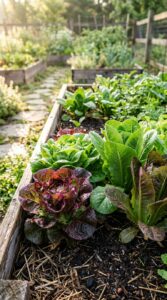
Creating a raised bed garden not only maximizes your gardening space but also enhances plant health through strategic companion planting. This technique involves pairing plants that benefit each other, promoting growth and minimizing pests. Here’s how to get started.
Step 1: Build Your Raised Bed
Use rot-resistant wood, like cedar, to construct a rectangular frame, ideally 4 feet wide by 6-8 feet long. The height should be at least 12 inches for optimal root growth. Ensure proper drainage by leaving gaps between the boards or adding a layer of gravel at the bottom.
Step 2: Select Your Soil
Fill your raised bed with a mix of topsoil, compost, and peat moss for nutrient-rich soil. Aim for a ratio of 2:1:1. This blend promotes healthy root development and drainage.
Step 3: Implement Companion Planting Strategies
Choose plants that complement each other. For instance:
- Tomatoes thrive next to Basil and Marigolds, which deter pests.
- Carrots and Onions can coexist, as onions repel carrot flies.
- Beans fix nitrogen in the soil, benefiting Corn and Squash.
Common Gardening Mistakes to Avoid
When assembling your raised bed garden, avoid overcrowding plants, which can lead to competition for nutrients and light. Additionally, don’t forget to rotate crops annually to maintain soil fertility.
Expert Tips for Successful Gardening
Regularly monitor moisture levels and implement a drip irrigation system for efficient watering. Mulching can help retain soil moisture and suppress weeds. Remember, patience is key—allow plants to establish before expecting a bountiful harvest.
By following these best practices and utilizing companion planting strategies, your raised bed garden will flourish, providing a vibrant and productive space.
9. Install a Rain Chain with Edible Plants for Sustainable Watering

Install a Rain Chain with Edible Plants for Sustainable Watering
Creating a sustainable garden is easier than ever with the trending practice of installing a rain chain paired with edible plants. This innovative method not only enhances the aesthetic appeal of your garden but also promotes eco-friendly watering practices.
Benefits of Using Rain Chains
Rain chains effectively guide rainwater from your roof to the ground, allowing for natural irrigation. They are an excellent alternative to traditional downspouts, providing a gentle cascade that can nourish your garden. By directing water to your edible plants, you can:
- Reduce water waste
- Enhance soil moisture
- Grow healthier crops
Step-by-Step Guidance
- Select Your Location: Choose a spot under your roof’s eaves where water naturally flows.
- Choose Your Rain Chain: Select a durable rain chain made of copper or aluminum that complements your garden’s aesthetic.
- Install the Rain Chain: Securely attach the rain chain to the drainage point, ensuring it hangs freely to guide water to the soil.
- Plant Edibles: Position water-loving edible plants such as lettuce, strawberries, or herbs directly beneath the rain chain.
Expert Tips and Common Mistakes to Avoid
To maximize your rain chain’s efficiency, consider these expert tips:
- Ensure your rain chain is positioned at an angle to direct water effectively.
- Avoid planting in compacted soil; loosen it to encourage better absorption.
- Monitor rainfall; too much water can lead to root rot, especially for sensitive plants.
By following these best practices, you can create a harmonious and sustainable garden that not only thrives but also conserves water. Embrace the trend of combining functional beauty with edibility through your rain chain installation!
10. Build a Natural Stone Fire Pit Surrounded by Pollinator Plants

Build a Natural Stone Fire Pit Surrounded by Pollinator Plants
Creating a natural stone fire pit surrounded by pollinator plants is a fantastic way to enhance your garden’s ecosystem while providing a cozy gathering spot. This project combines aesthetics with functionality, making it a trending choice in Garden DIY.
Step-by-Step Guide
- Select a Site: Choose a flat area in your garden, ideally near existing plants to attract pollinators. Ensure it’s at least 10 feet away from structures and trees.
- Gather Materials: You’ll need natural stones (like granite or flagstone), fire pit insert (optional), gravel, and soil. For pollinator plants, consider native species like coneflowers, bee balm, and lavender.
- Excavate the Area: Dig a circular pit about 3 feet wide and 1 foot deep. Level the bottom and line it with gravel for drainage.
- Build the Fire Pit: Stack stones in a circle, ensuring they fit snugly. Leave gaps for airflow and add a fire pit insert if desired.
- Plant Pollinator Plants: Around the fire pit, plant a variety of pollinator-friendly flowers. Space them adequately to encourage healthy growth and attract bees and butterflies.
Expert Tips and Common Mistakes to Avoid
To ensure your garden project is successful, follow these expert tips:
- Consider sunlight exposure for both the fire pit and plants to thrive.
- Avoid using treated woods or synthetic materials in your fire pit.
- Regularly maintain your plants by deadheading and providing adequate water.
By following these guidelines, you’ll create a stunning natural stone fire pit that not only serves as a gathering place but also enriches your garden’s biodiversity. Embrace this DIY adventure and enjoy the beauty of nature right in your backyard!
11. Create a Moss-Covered Garden Sphere for Unique Textural Interest

Create a Moss-Covered Garden Sphere for Unique Textural Interest
If you’re looking to enhance your garden’s aesthetic, creating a moss-covered garden sphere is an excellent DIY project. This unique sculpture introduces a captivating textural element, aligning perfectly with current trends in garden decor.
Materials You’ll Need
- Wireframe or foam ball (12-14 inches in diameter)
- Sphagnum moss or living moss
- Gardening glue or floral adhesive
- Water
- Spray bottle
Step-by-Step Guide
- Prepare Your Sphere: If using a wireframe, ensure it’s clean and dry. Foam balls can be used as a lightweight alternative.
- Moisten the Moss: Hydrate your moss in water for about 15 minutes. This step ensures the moss adheres better to the sphere.
- Apply Adhesive: Use gardening glue to cover the sphere’s surface evenly. Begin at the top and work your way down.
- Attach the Moss: Press the moistened moss onto the glued surface, ensuring it’s securely placed.
- Final Touch: Once complete, mist the moss with water using a spray bottle to promote growth and keep it healthy.
Expert Tips and Common Mistakes to Avoid
To ensure success with your moss-covered garden sphere:
- Choose a shaded location in your garden, as moss thrives in low-light conditions.
- Avoid direct sunlight, which can dry out the moss quickly.
- Regularly mist the sphere to maintain moisture levels.
By following these steps and tips, you’ll create a stunning moss-covered garden sphere that adds unique textural interest to your outdoor space. This DIY project not only enhances your garden’s charm but also aligns with sustainable gardening practices, making it a rewarding endeavor.
12. DIY Pallet Planter for Vertical Vegetables and Herbs in Small Spaces

DIY Pallet Planter for Vertical Vegetables and Herbs in Small Spaces
If you’re looking to maximize your gardening potential in limited space, a DIY pallet planter is the perfect solution. This innovative vertical gardening technique allows you to cultivate vegetables and herbs while enhancing your outdoor aesthetics.
Materials Needed
- Wooden pallet (preferably heat-treated)
- Landscape fabric
- Potting soil
- Seeds or seedlings of choice (e.g., basil, cherry tomatoes, lettuce)
- Staple gun or nails
- Watering can or hose
Step-by-Step Guide
- Prepare the Pallet: Start by sanding down any rough edges to prevent splinters. If necessary, reinforce the pallet with extra wood for stability.
- Line the Back: Use landscape fabric to line the back and sides of the pallet, stapling it securely to retain soil.
- Add Soil: Fill the pallet sections with potting soil, leaving some space at the top to prevent spillage.
- Plant Your Vegetables and Herbs: Choose a variety of compact plants like strawberries, herbs, and dwarf varieties of vegetables to optimize growth.
- Water and Maintain: Water regularly, especially during dry spells, and ensure proper drainage to prevent root rot.
Expert Tips
- Opt for sun-loving plants on the top tier and shade-tolerant plants on the lower levels.
- Rotate your crops annually to reduce soil depletion and pest issues.
- Consider companion planting to naturally deter pests and enhance growth.
Common Mistakes to Avoid
- Neglecting drainage can lead to waterlogged roots; always ensure proper outlets.
- Overcrowding plants will hinder growth; space them appropriately.
- Using untreated pallets may introduce harmful chemicals; always choose heat-treated wood.
A DIY pallet planter is not just a space-saving solution—it’s a chance to engage with nature and enjoy fresh produce right at your doorstep. By following these expert tips and best practices, you’ll create a thriving vertical garden that adds both beauty and utility to your small space.
Frequently Asked Questions
How do I create a vertical herb garden trellis?
To create a vertical herb garden trellis, start by selecting a sturdy trellis design that suits your space, such as a grid or ladder style. Use lightweight containers to plant herbs like basil, parsley, and thyme, ensuring they receive ample sunlight and water. Secure the trellis to a wall or fence for stability, and enjoy a space-saving herb garden.
Why should I build a living wall with succulents?
Building a living wall with succulents not only adds vibrant colors to your garden but also improves air quality and provides insulation. Succulents are low-maintenance and drought-resistant, making them ideal for busy gardeners. This vertical garden structure also maximizes limited space while enhancing aesthetic appeal.
What materials do I need for a DIY garden obelisk trellis?
For a DIY garden obelisk trellis, you will need wooden stakes or bamboo poles, twine or wire, and a saw for cutting. Ensure the stakes are long enough to support climbing plants like beans and vines. Assemble the structure by creating a pyramid shape and securing the joints tightly for durability in your garden.
How can I attract butterflies to my garden?
To attract butterflies to your garden, construct a butterfly garden with native plants that provide nectar sources. Include a variety of flowers that bloom at different times, such as milkweed, coneflowers, and asters. Additionally, ensure there are sunny spots and water sources to create a welcoming habitat for these beautiful pollinators.
What should I do if my rustic wooden planter box rots?
If your rustic wooden planter box shows signs of rot, first inspect for moisture buildup and ensure proper drainage holes are present. You can replace the damaged wood or treat the exterior with a protective sealant to extend its life. Consider using rot-resistant woods like cedar or redwood for future projects to prevent this issue.