1. Harnessing Wormwood: Growing Artemisia absinthium for Parasite Control

Harnessing Wormwood: Growing Artemisia absinthium for Parasite Control
Wormwood, or Artemisia absinthium, is a versatile herb known for its potential in natural parasite control. This perennial plant not only enhances your garden’s aesthetic but also acts as a natural repellent for various pests. Here’s how to effectively grow and utilize wormwood in your garden.
Step-by-Step Guidance for Growing Wormwood
- Select the Right Location: Choose a sunny spot with well-drained soil. Wormwood thrives in poor soils, so avoid overly rich amendments.
- Propagation: Start from seeds or cuttings. Sow seeds in early spring or take cuttings in late summer for best results.
- Watering: Water sparingly. Wormwood is drought-tolerant, and overwatering can lead to root rot.
- Maintenance: Prune regularly to promote bushier growth and remove any dead or damaged foliage.
Expert Tips and Tricks
- Integrate wormwood into your garden layout to create natural barriers against pests.
- Harvest leaves in late summer for the most potent effects against internal parasites.
- Consider companion planting with vegetables to enhance their resistance to pests.
Avoiding Common Mistakes
Many gardeners overlook the importance of soil quality. Remember, wormwood prefers less nutrient-rich conditions. Additionally, avoid excessive watering, as this can detract from the plant’s effectiveness.
Current Trends in Natural Pest Control
Using Artemisia absinthium aligns with the growing trend of organic gardening and sustainable practices. Gardeners are increasingly seeking natural solutions like wormwood for pest management, making it a valuable addition to any garden seeking to reduce chemical use.
By following these expert gardening tips, you can successfully harness the power of wormwood for effective parasite control, enhancing both the health of your garden and your gardening experience.
2. Antimicrobial Power of Garlic: Cultivating Allium sativum for Garden Health

Antimicrobial Power of Garlic: Cultivating Allium sativum for Garden Health
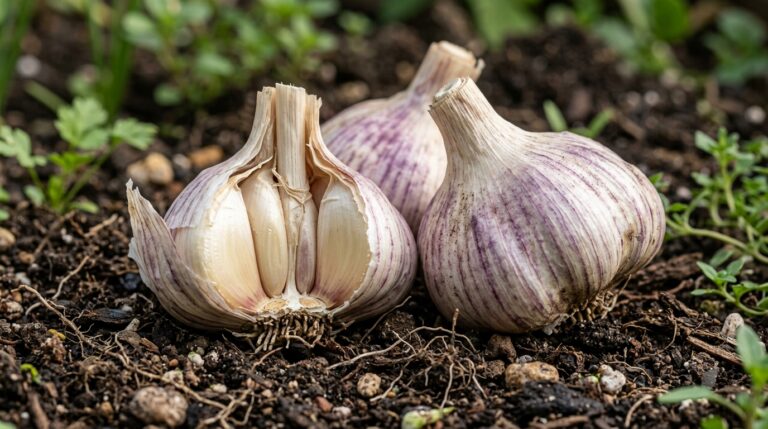
Garlic, scientifically known as Allium sativum, is not only a culinary staple but also a powerful ally in maintaining garden health. Its natural antimicrobial properties help combat fungal and bacterial infections, making it a valuable addition to any garden.
Step-by-Step Guide to Cultivating Garlic
To harness the antimicrobial power of garlic, follow these expert gardening tips:
- Select the Right Variety: Choose hardneck or softneck garlic depending on your climate. Hardneck varieties thrive in colder regions, while softneck types are better suited for warmer areas.
- Planting: Plant garlic cloves in well-draining soil, ideally in the fall or early spring. Space cloves about 6 inches apart and plant them 2 inches deep.
- Watering: Keep the soil consistently moist but avoid overwatering to prevent rot. Garlic prefers moderate moisture levels.
- Mulching: Apply a layer of mulch to suppress weeds and maintain soil temperature. Straw or wood chips work effectively.
Common Gardening Mistakes to Avoid
- Planting garlic too shallow, which can hinder bulb development.
- Neglecting soil health; garlic thrives in nutrient-rich, well-drained environments.
- Forgetting to rotate crops, which can lead to pest and disease build-up.
Current Trends and Best Practices
As gardeners increasingly seek sustainable solutions, garlic is gaining popularity as a natural pesticide. Its ability to deter pests like aphids and spider mites without harmful chemicals aligns with eco-friendly gardening practices.
Incorporating Allium sativum into your garden not only boosts your health but also promotes a thriving ecosystem. By following these expert tips, you can cultivate garlic effectively and enjoy its benefits throughout the growing season.
3. Dandelion Detox: Utilizing Taraxacum officinale for Natural Cleansing

Dandelion Detox: Utilizing Taraxacum officinale for Natural Cleansing
Dandelions (Taraxacum officinale) are often viewed as pesky weeds, but these resilient plants offer a plethora of health benefits. Incorporating dandelion into your garden not only aids in natural cleansing but also enhances soil health. Here’s how to harness the power of dandelions effectively.
Growing Dandelions for Detoxification
Dandelions thrive in various soil conditions, making them an excellent addition to any garden. To cultivate these beneficial plants:
- Choose the Right Location: Dandelions prefer full sun but can tolerate partial shade. Select a spot that receives at least 6 hours of sunlight.
- Soil Preparation: Loosen the soil to a depth of 12 inches and amend it with organic compost to improve drainage and nutrient content.
- Sowing Seeds: Plant dandelion seeds directly in the garden in early spring or late summer, spacing them about 12 inches apart.
Harvesting and Using Dandelions
Harvest dandelion leaves, flowers, and roots at various stages:
- Leaves: Young leaves are less bitter and can be harvested for salads or teas.
- Flowers: Pick vibrant flowers for making dandelion wine or infused oils.
- Roots: Dig up roots in the fall for use in detoxifying herbal remedies.
Common Mistakes to Avoid
While dandelions are hardy, there are some common gardening pitfalls to avoid:
- Over-watering can lead to root rot; ensure proper drainage.
- Avoid using chemical pesticides that can diminish the plant’s natural benefits.
By understanding the benefits and best practices for growing Taraxacum officinale, you can effectively use dandelions for natural detoxification while enhancing your garden’s biodiversity. Embrace these hardy plants for a healthier garden and lifestyle!
4. Thyme for Health: Effective Use of Thymus vulgaris in Parasite Management

Thyme for Health: Effective Use of Thymus vulgaris in Parasite Management
Thymus vulgaris, commonly known as thyme, is not only a cherished culinary herb but also a potent ally in managing garden parasites. This aromatic plant possesses natural insect-repelling properties, making it a valuable addition to any vegetable or herb garden.
Benefits of Using Thyme in Your Garden
- Natural Pest Control: Thyme is particularly effective against aphids, spider mites, and whiteflies.
- Companion Planting: Pair thyme with vegetables like cabbage and carrots to deter harmful pests.
- Soil Health: As a perennial herb, thyme enriches the soil as it grows, supporting the overall health of your garden.
Step-by-Step Guide to Using Thyme for Pest Management
- Planting: Choose a sunny spot with well-drained soil. Space thyme plants about 12 inches apart to allow for airflow.
- Watering: Water thyme sparingly; overwatering can lead to root rot, which is a common mistake.
- Harvesting: Regularly trim thyme to encourage bushier growth and maximize its pest-repelling properties.
- Creating a Spray: Infuse fresh thyme in water to create a natural insecticidal spray. Use it weekly on affected plants.
Avoid Common Gardening Mistakes
When incorporating thyme into your garden, be mindful of the following:
- Avoid planting thyme in overly moist conditions.
- Do not overcrowd plants; poor airflow can lead to pest problems.
Gardening Best Practices
Incorporate thyme into a diverse planting scheme for optimal pest management. Regularly monitor your garden for signs of infestations and adjust your pest control methods accordingly. Utilizing thyme not only promotes a healthier garden but also enhances your culinary endeavors!
5. Oregano Oil Benefits: Growing Origanum vulgare for Pest Resistance

Oregano Oil Benefits: Growing Origanum vulgare for Pest Resistance
Growing Origanum vulgare, commonly known as oregano, is not only beneficial for culinary uses but also serves as a natural pest deterrent in your garden. Its essential oil, rich in carvacrol and thymol, possesses antimicrobial properties that can help combat various garden pests.
Step-by-Step Guidance to Grow Oregano
To harness the pest-resistant benefits of oregano, follow these expert gardening tips:
- Select the Right Location: Choose a sunny spot with well-drained soil. Oregano thrives in full sun, which also enhances its oil concentration.
- Planting: Sow seeds directly into the ground after the last frost or start indoors 6-8 weeks prior. Space plants 10-12 inches apart to allow for air circulation.
- Watering: Water regularly but avoid overwatering. Allow the soil to dry between watering sessions to prevent root rot.
- Harvesting: Begin harvesting leaves once the plant is established. Regular trimming encourages bushier growth and maximizes oil production.
Common Mistakes to Avoid
- Overwatering: This is a common mistake that can lead to fungal diseases.
- Neglecting Pruning: Failure to prune can result in leggy plants that produce less oil.
Best Practices for Pest Resistance
Integrate oregano into your garden not just as a culinary herb but as a companion plant. Its strong aroma can repel pests like aphids, beetles, and spider mites. Additionally, consider:
- Mixing oregano with other herbs like basil and rosemary to enhance pest resistance.
- Utilizing oregano oil in a diluted form as a natural pesticide, applying it to affected plants to deter pests.
By incorporating Origanum vulgare into your garden, you can enjoy both its culinary delights and its pest-repelling benefits, contributing to a healthier garden ecosystem.
6. Neem Trees: Planting Azadirachta indica for Natural Pest Solutions

Neem Trees: Planting Azadirachta indica for Natural Pest Solutions
Planting Azadirachta indica, commonly known as the neem tree, is an excellent strategy for organic pest control in your garden. Known for its insect-repelling properties, neem trees produce seeds that can be processed into a potent natural pesticide. Here’s a step-by-step guide to successfully cultivate neem trees and enhance your garden’s health.
Step-by-Step Planting Guide
- Select a Suitable Location: Choose a sunny spot with well-drained soil. Neem trees thrive in warm climates, ideally between 68°F to 104°F.
- Soil Preparation: Amend the soil with compost to ensure it’s nutrient-rich. Avoid heavy clay soils that retain water.
- Planting Seeds: Sow neem seeds about 1 inch deep. Space them at least 15 feet apart to allow for mature growth.
- Watering: Keep the soil consistently moist, especially during the initial growth phase. Avoid overwatering.
Common Gardening Mistakes to Avoid
- Neglecting soil drainage, which can lead to root rot.
- Over-fertilizing, which can harm the tree’s natural growth.
- Planting too close to other trees or structures, limiting sunlight exposure.
Expert Tips for Neem Tree Care
Regularly monitor your neem tree for pests such as aphids and whiteflies. Utilize neem oil as a natural remedy by mixing it with water and a mild soap, then spraying it on affected areas. This not only controls pests but also nourishes your plants!
Incorporating neem trees into your garden is not just about pest control; it’s also a sustainable practice aligning with current trends in organic gardening. By following these guidelines, you can ensure a thriving garden that leverages the natural benefits of Azadirachta indica.
7. Cilantro’s Role: Cultivating Coriandrum sativum to Combat Intestinal Parasites

Cilantro’s Role: Cultivating Coriandrum sativum to Combat Intestinal Parasites
Cilantro, or Coriandrum sativum, is not only a culinary favorite but also a powerful ally in combating intestinal parasites. Integrating this herb into your garden can provide both flavor and health benefits, making it a worthwhile addition to any vegetable patch.
Step-by-Step Gardening Guidance
To successfully cultivate cilantro, follow these expert-level steps:
- Soil Preparation: Cilantro thrives in well-draining soil enriched with organic matter. Aim for a pH between 6.2 and 6.8.
- Seed Selection: Choose high-quality seeds from a reputable source. Look for varieties known for their robust growth and disease resistance.
- Planting: Sow seeds directly in the garden when soil temperatures reach 60°F (15°C). Space seeds about 2 inches apart and cover them lightly with soil.
- Watering: Ensure consistent moisture but avoid waterlogging. Drip irrigation can be beneficial to maintain soil moisture without oversaturating.
Best Practices and Common Mistakes
To maximize your cilantro yield, consider these gardening best practices:
- Implement companion planting with crops like tomatoes and peppers, which can deter pests.
- Harvest regularly to encourage leaf growth and prevent flowering, which can lead to a bitter taste.
Avoid common mistakes such as overcrowding plants, which can lead to poor air circulation and increased disease risk. Always check for signs of pests and take action promptly to protect your crop.
Trending Solutions in Gardening
With increasing awareness of natural remedies, cilantro is gaining popularity among gardeners looking to foster a holistic approach to health. By incorporating this herb, you not only enrich your garden’s biodiversity but also promote a natural defense against intestinal parasites.
In summary, cultivating Coriandrum sativum is an excellent strategy to enhance your garden while contributing to overall wellness. Implement these tips and watch your cilantro flourish.
8. Fennel’s Antiparasitic Properties: Growing Foeniculum vulgare Effectively

Fennel’s Antiparasitic Properties: Growing Foeniculum vulgare Effectively
Fennel (Foeniculum vulgare) is not only a culinary delight but also a powerful ally in maintaining a healthy garden. Its antiparasitic properties can help deter pests that threaten your plants, making it an excellent companion plant. Here’s how to grow fennel effectively while leveraging its natural benefits.
Step-by-Step Growing Guide
- Select the Right Location: Fennel thrives in full sun, requiring at least 6-8 hours of direct sunlight daily.
- Soil Preparation: Opt for well-draining soil enriched with organic matter. A pH range of 6.0 to 7.0 is ideal for fennel growth.
- Seeding: Sow seeds directly into the garden in spring after the last frost. Space seeds about 12 inches apart to allow for their mature size.
- Watering: Keep the soil consistently moist but not waterlogged. Use mulch to retain moisture and suppress weeds.
Expert Gardening Tips
- Regularly check for aphids and caterpillars; fennel’s scent can deter these pests.
- Avoid planting fennel near dill or coriander, as they can cross-pollinate and affect flavor.
- Prune fennel periodically to encourage bushier growth and enhance its pest-repelling abilities.
Avoid Common Mistakes
One common mistake is overwatering, which can lead to root rot. Additionally, neglecting to provide sufficient space can hinder growth and increase competition for nutrients. Always ensure proper spacing and moisture levels.
Conclusion
Integrating fennel into your garden not only enhances your culinary options but also promotes a healthier ecosystem. By following these expert tips and best practices, you can successfully grow Foeniculum vulgare while reaping its antiparasitic benefits.
9. Using Cloves: Planting Syzygium aromaticum for Soil Health and Cleansing

Using Cloves: Planting Syzygium aromaticum for Soil Health and Cleansing
Planting Syzygium aromaticum, commonly known as cloves, is an excellent choice for enhancing soil health and promoting a clean garden environment. These aromatic buds not only add flavor to culinary dishes but also serve beneficial purposes in the garden.
Benefits of Cloves in the Garden
- Soil Enrichment: Cloves are rich in organic compounds that improve soil structure and fertility.
- Pest Deterrent: The strong aroma of cloves helps ward off unwanted insects, reducing the need for chemical pesticides.
- Antimicrobial Properties: Cloves can help cleanse the soil by suppressing pathogenic microorganisms.
Step-by-Step Guide to Planting Cloves
- Choose the Right Location: Select a well-draining spot that receives full sun for at least 6 hours daily.
- Prepare the Soil: Amend the soil with organic compost to enhance nutrient availability. Aim for a pH of 6.0-7.0.
- Planting: Space the cloves 12-18 inches apart, planting them about 1-2 inches deep.
- Watering: Keep the soil consistently moist but not waterlogged. Drip irrigation works well.
Common Mistakes to Avoid
- Overwatering: This can lead to root rot. Ensure good drainage to prevent water accumulation.
- Pest Management: Relying solely on chemical pesticides can harm beneficial insects. Use integrated pest management (IPM) practices.
Best Practices for Growing Cloves
Regularly monitor your cloves for signs of pests and diseases. Incorporate crop rotation in your garden plan to maintain soil health and prevent soil-borne diseases. With the right care, Syzygium aromaticum can flourish, enriching your garden’s ecosystem while providing a unique harvest.
10. Ginger’s Healing Power: Cultivating Zingiber officinale in Your Garden

Ginger’s Healing Power: Cultivating Zingiber officinale in Your Garden
Ginger (Zingiber officinale) is not only a culinary delight but also a powerhouse of healing properties. Cultivating this vibrant plant in your garden can provide both medicinal benefits and a flavorful addition to your meals. Here’s how to grow ginger successfully.
Step-by-Step Gardening Guidance
To start, choose a warm, moist environment with partial shade, as ginger thrives in tropical or subtropical conditions. Follow these steps for optimal growth:
- Soil Preparation: Use well-draining, loamy soil rich in organic matter. Amend with compost to ensure nutrient availability.
- Planting: In spring, select healthy ginger rhizomes with visible buds. Plant them 2-4 inches deep, ensuring the buds face upwards.
- Watering: Keep the soil consistently moist but not soggy. Water gently to avoid disturbing the rhizomes.
- Fertilization: Apply a balanced fertilizer every 4-6 weeks to promote vigorous growth.
Common Gardening Mistakes to Avoid
While growing ginger, steer clear of these common pitfalls:
- Overwatering, which can lead to rot.
- Planting in cold conditions, as ginger requires warm temperatures for growth.
- Neglecting pest control, as aphids and spider mites can threaten your crop.
Gardening Best Practices
Incorporate these expert tips for a successful ginger garden:
- Mulch around the plants to retain moisture and suppress weeds.
- Harvest rhizomes after 8-10 months for the best flavor and potency.
Embrace the healing power of ginger by cultivating Zingiber officinale in your garden, and enjoy the benefits of fresh ginger in your kitchen!
11. Peppermint for Purity: Growing Mentha × piperita to Repel Garden Pests

Peppermint for Purity: Growing Mentha × piperita to Repel Garden Pests
Peppermint (Mentha × piperita) is not only a delightful herb for culinary use but also an effective natural pest repellent. Its strong aroma deters common garden pests, making it an essential addition to your gardening toolkit. Here’s how to successfully grow peppermint and utilize its pest-repelling properties.
Step-by-Step Growing Guide
- Choose the Right Location: Peppermint thrives in well-drained soil with partial to full sunlight. Aim for at least 4-6 hours of sun per day.
- Soil Preparation: Enrich the soil with organic compost to enhance fertility and drainage. This encourages healthy growth.
- Planting: Space your peppermint plants about 18 inches apart to allow for their vigorous spreading. Consider using containers to prevent overcrowding.
- Watering: Keep the soil consistently moist but not waterlogged. Regular irrigation will support robust growth.
Common Mistakes to Avoid
- Overwatering: Ensure drainage to avoid root rot, a common issue with peppermint.
- Neglecting Pruning: Regularly trim your plants to encourage bushier growth and prevent them from becoming leggy.
Expert Tips for Pest Control
Plant peppermint near susceptible crops like cabbage and tomatoes to repel aphids, beetles, and other pests. Additionally, consider companion planting with basil or rosemary for enhanced pest deterrence.
Utilizing peppermint not only enhances your garden’s health but also contributes to a harmonious ecosystem. With these best practices, you can enjoy a flourishing garden free from unwanted pests.
12. Horseradish: Cultivating Armoracia rusticana for Natural Pest Control Strategies

Horseradish: Cultivating Armoracia rusticana for Natural Pest Control Strategies
Horseradish (Armoracia rusticana) is not only a flavorful addition to your culinary creations but also a powerful ally in natural pest control. This hardy perennial can repel common pests, making it a valuable resource for organic gardeners. Here’s how to effectively cultivate horseradish while maximizing its pest control benefits.
Growing Conditions and Best Practices
To grow horseradish successfully, choose a well-draining, loamy soil rich in organic matter. Plant horseradish in the spring or fall, ensuring a spacing of at least 12 inches between roots. Here’s a step-by-step guide:
- Step 1: Select healthy roots, preferably from a reputable nursery.
- Step 2: Prepare your garden bed by tilling the soil and adding compost.
- Step 3: Plant the roots horizontally, about 2-4 inches deep.
- Step 4: Water regularly, especially during dry spells.
Natural Pest Control Benefits
Horseradish contains compounds that deter pests like aphids, cabbage worms, and certain beetles. Interplanting horseradish with susceptible crops can enhance their resilience. Additionally, the strong scent of horseradish can mask the fragrance of other plants, further protecting them from pests.
Avoiding Common Mistakes
When cultivating horseradish, avoid these common pitfalls:
- Overcrowding: Ensure adequate spacing to prevent disease.
- Neglecting soil health: Regularly amend your soil with organic compost.
By integrating horseradish into your garden, you can not only enjoy its culinary uses but also enhance your garden’s natural pest control strategy. Embrace this dual-purpose plant for a healthier, thriving garden.
Frequently Asked Questions
How do I grow wormwood for parasite control in my garden?
To grow wormwood (Artemisia absinthium), choose a sunny location with well-draining soil. Sow seeds directly in the ground after the last frost, or start seedlings indoors. Water regularly but avoid waterlogging. This herb not only aids in parasite control but also attracts beneficial insects to your garden.
Why should I include garlic in my garden for pest management?
Garlic (Allium sativum) is known for its antimicrobial properties, which help protect plants from various pests and diseases. Plant garlic cloves in the fall or early spring, ensuring they are spaced apart in well-draining soil. Its strong scent repels many garden pests while promoting overall soil health.
What benefits does dandelion provide for natural cleansing in the garden?
Dandelion (Taraxacum officinale) acts as a natural detoxifier for soil, helping to break down toxins and improve nutrient availability. You can grow dandelions easily from seeds or transplants in a sunny spot. Their deep taproots aerate the soil while their leaves serve as a nutritious addition to your compost.
How can I effectively use thyme for parasite management?
To use thyme (Thymus vulgaris) for parasite management, plant it in well-drained soil and full sun. Regularly prune the plant to encourage bushiness, which enhances its pest-repelling qualities. Thyme can be used fresh or dried in teas and tinctures to help cleanse the body of parasites.
What is the best way to grow oregano for pest resistance?
To grow oregano (Origanum vulgare) effectively, start by selecting a sunny spot with well-drained soil. Space your plants adequately to ensure air circulation. Regular trimming of the leaves not only promotes bushy growth but also enhances the essential oil content, making it a powerful natural repellent against pests.