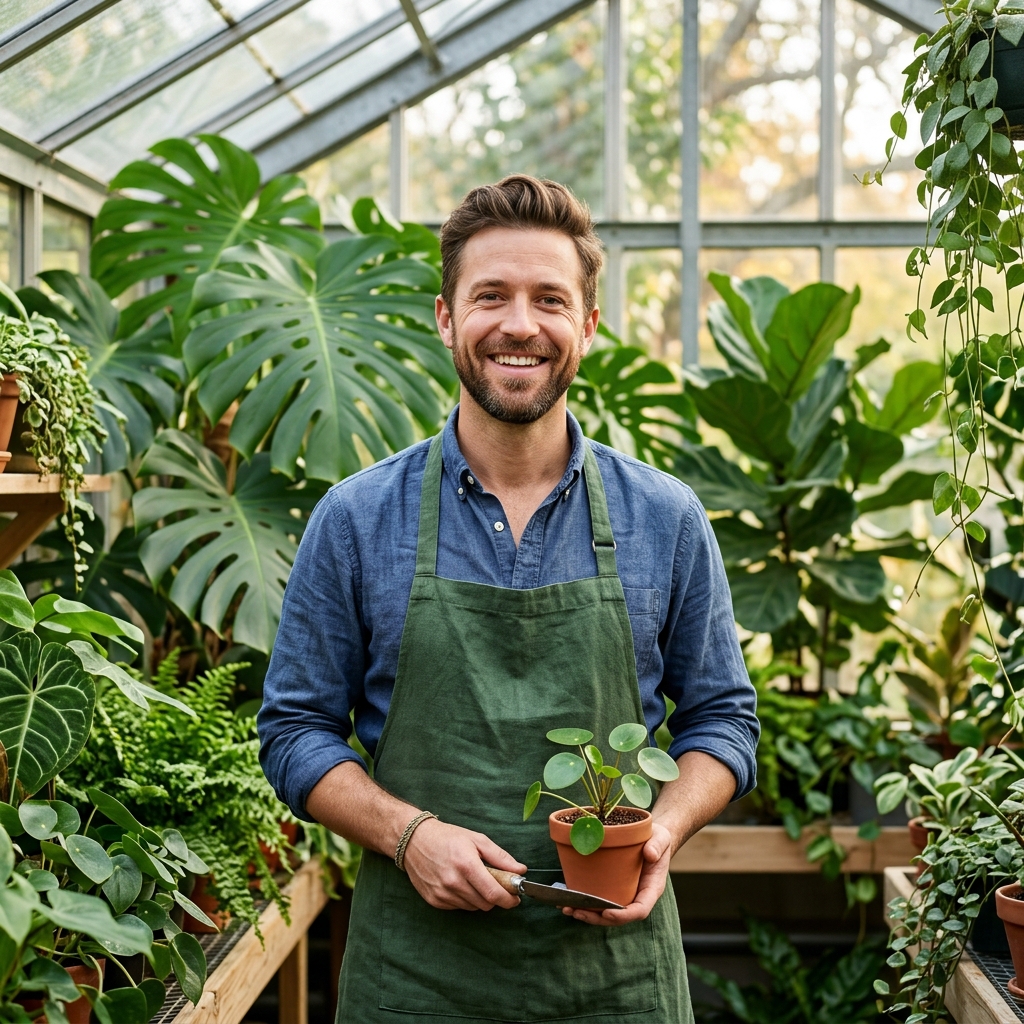
Brown leaf tips can be a common concern for many plant enthusiasts, signaling an underlying issue that could affect the health of your beloved greenery. Understanding the causes of this phenomenon is crucial for maintaining the beauty and vitality of your indoor plants. In this article, we will explore 13 common causes of brown leaf tips, providing insights and remedies to help you restore your plants to their full glory.
Whether you’re a seasoned plant parent or a newcomer to the world of indoor gardening, recognizing the signs of distress in your plants is essential. Brown leaf tips may indicate issues such as improper watering, nutrient deficiencies, or environmental stressors. By identifying these causes, you can take proactive steps to ensure your plants thrive and enhance your home decor with their lush beauty.
1. Overwatering: The Silent Killer

Overwatering is one of the most common mistakes made by plant owners, often leading to brown leaf tips. When plants receive too much water, the roots can suffocate, leading to root rot and nutrient deficiencies. This condition restricts the plant’s ability to absorb essential nutrients, resulting in discolored leaves.
To remedy overwatering, it’s crucial to adjust your watering schedule. Allow the soil to dry out between waterings, ensuring that the pot has adequate drainage. Consider using a moisture meter to help gauge when your plants genuinely need water and avoid the temptation to water on a fixed schedule.
Additionally, choose well-draining soil and pots with drainage holes to prevent excess moisture from accumulating. Observing your plant’s needs and adapting your care routine can make a significant difference in maintaining vibrant, healthy foliage.
2. Underwatering: A Thirsty Plant’s Plea

On the flip side, underwatering can also lead to brown leaf tips, as plants struggle to absorb the moisture they need to thrive. When soil becomes too dry, leaves may begin to curl, turn brown, and eventually drop off. This stress can significantly impact the overall health of your plants.
To prevent underwatering, establish a consistent watering routine based on your plant’s specific needs. Factors such as plant type, size, and the season will influence how often you should water. A helpful tip is to check the top inch of the soil; if it’s dry, it’s time to water.
Consider using self-watering pots or incorporating a watering schedule into your routine. This proactive approach ensures that your plants receive the right amount of moisture, keeping them vibrant and healthy.
3. Nutrient Deficiencies: Feeding for Success

Nutrient deficiencies can manifest in various ways, including the browning of leaf tips. Essential nutrients such as nitrogen, potassium, or magnesium are vital for plant health, and a lack of these can lead to poor growth and discoloration. Often, deficiencies stem from poor soil quality or lack of fertilization.
To combat nutrient deficiencies, consider using a balanced, slow-release fertilizer to provide essential nutrients throughout the growing season. Pay attention to specific plant requirements; for example, leafy greens may need more nitrogen, while flowering plants benefit from higher phosphorus levels.
Regularly checking soil pH can also help maintain optimal nutrient availability. Ensuring that your plants receive the right nutrients will foster healthy growth and keep those leaf tips looking lush and green.
4. Low Humidity: A Dry Environment’s Impact

Indoor plants often struggle in low humidity environments, leading to brown leaf tips as they lose moisture faster than they can absorb it. Many houseplants, especially tropical varieties, thrive in higher humidity levels, and when the air is dry, they can become stressed.
To improve humidity for your plants, consider using a humidifier in the room or grouping plants together to create a microclimate with increased moisture. You can also place water trays filled with pebbles near your plants; as the water evaporates, it will help raise the humidity in the surrounding area.
Regular misting of the leaves can also provide temporary relief, but it’s essential to ensure the water doesn’t sit on the leaves to prevent fungal issues. By creating a more humid environment, you’ll help keep your plants healthy, vibrant, and free from brown tips.
5. Excessive Sunlight: A Too-Bright Situation

While plants need sunlight for photosynthesis, too much direct sunlight can scorch leaves, resulting in brown tips. Plants that are not accustomed to intense light may react negatively, especially if they’ve been recently moved to a sunnier spot.
To protect your plants, assess their light requirements and adjust their placement accordingly. For instance, if you notice brown tips developing, consider moving them further away from direct sunlight or using sheer curtains to diffuse the light. Additionally, rotating your plants can help ensure even light exposure.
Choosing the right plants for your space can also mitigate this issue. Some plants thrive in lower light conditions, making them ideal for rooms with limited natural light. Balancing light exposure is crucial for maintaining healthy, vibrant foliage.
6. Pest Infestation: Unseen Threats

Pest infestations can wreak havoc on your plants, leading to brown leaf tips and overall decline in health. Common pests like spider mites, aphids, and mealybugs feed on plant sap, causing stress and damage. Early detection and treatment are crucial to preventing further harm.
Regularly inspect your plants for signs of pests, such as webbing, sticky residue, or visible insects. If you identify a problem, consider using insecticidal soap or neem oil as a natural remedy. For severe infestations, repotting the plant and replacing the soil may be necessary to eliminate pests completely.
Maintaining a clean growing environment can also help prevent infestations. Cleaning leaves regularly and ensuring good air circulation will create an inhospitable environment for pests and promote healthy plant growth.
7. Soil Quality: The Foundation of Plant Health

The quality of the soil you use plays a significant role in the overall health of your plants. Poor soil can lead to inadequate drainage, nutrient deficiencies, and ultimately brown leaf tips. It’s essential to choose the right potting mix for your specific plants, as different species have varying needs.
Consider repotting your plants every year or so to refresh the soil and provide them with the nutrients they need. When selecting soil, look for options that are well-draining and rich in organic matter. Many plants benefit from a mix that includes peat, perlite, and compost for optimal growth.
Don’t forget to check for compaction, as this can restrict root growth and water absorption. By ensuring your plants are in quality soil, you can significantly enhance their health and appearance, keeping those leaf tips green and vibrant.
9. Overwatering: A Hidden Danger

Overwatering is a common mistake that can lead to brown leaf tips on your beloved plants. When plants receive too much water, their roots can suffocate, leading to root rot. This condition restricts the plant’s ability to absorb essential nutrients, resulting in browning tips as the plant struggles to survive.
To prevent overwatering, ensure that your pots have adequate drainage holes and use well-draining soil. Monitor the moisture level by checking the top inch of the soil; if it’s still wet, hold off on watering. It’s also helpful to establish a watering schedule based on the specific needs of each plant, taking into account factors like the season and indoor humidity levels.
If you suspect overwatering has occurred, consider repotting your plant in fresh, dry soil and cutting away any damaged roots. Adjusting your care routine can help restore your plant’s health and vitality, allowing it to flourish once again without the worry of unsightly brown tips.
10. Temperature Extremes: A Stressful Environment

Temperature fluctuations can significantly impact the health of your indoor plants, leading to brown leaf tips. Plants prefer stable environments; sudden drafts or exposure to heating vents can cause stress. For instance, many tropical plants thrive in temperatures between 65°F to 80°F, and anything above or below this range can lead to damage.
To create a more stable environment, avoid placing plants near drafty windows or heating sources. Consider investing in a thermometer to monitor the temperature accurately, especially during seasonal changes. Additionally, if your home tends to be colder at night, using a humidity tray can help maintain a warmer microclimate around your plants.
If you notice browning leaves, it may be a sign that your plants are struggling to adjust. Try relocating them to a more suitable spot and observe the changes. With proper adjustments, your plants can return to their natural lush state without the stress of extreme temperatures affecting their health.
11. Chemical Build-Up: Toxicity from Fertilizers

Chemical build-up in the soil, often due to over-fertilization or using the wrong type of fertilizer, can lead to browning leaf tips. When excess salts accumulate, they can burn the roots and hinder nutrient absorption, which manifests as damaged leaf edges. Understanding your fertilizer needs is crucial for maintaining plant health in your home.
To avoid chemical build-up, adopt a balanced fertilization approach. Use slow-release fertilizers or organic options to give your plants a consistent nutrient supply without the risk of over-application. Regularly flushing your pots with water can help remove excess salts, ensuring your plants remain healthy and vibrant.
If you notice browning tips, it may be time to reassess your fertilizing routine. Leach the soil by watering thoroughly and allowing the water to drain completely. Adjusting your fertilization strategy can rejuvenate your plants, restoring their lush appearance and ensuring they thrive in your home decor.
12. Poor Water Quality: A Hidden Culprit

Water quality can often be overlooked as a factor contributing to brown leaf tips in plants. Tap water can contain chlorine, fluoride, and other chemicals that may negatively affect sensitive plants. Using untreated water can lead to toxicity, which manifests in discolored leaves and browning tips.
To improve water quality, consider using filtered water or allowing tap water to sit for 24 hours before using it. This method helps to dissipate chlorine and other chemicals that could harm your plants. Rainwater is another excellent option, as it’s naturally soft and free of many contaminants.
Regularly check your plants for signs of stress, such as browning tips or wilting leaves, and adjust your watering practices accordingly. By ensuring that your plants receive clean water, you can significantly improve their health, appearance, and overall wellbeing within your elegant home decor.
13. Inadequate Pot Size: A Cramped Space

Using pots that are too small for your plants can lead to root binding, a condition where roots have no room to grow, resulting in brown leaf tips. When roots become restricted, they struggle to absorb water and nutrients, which can visibly impact the plant’s health. It’s crucial to choose the right pot size for your plants to ensure their optimum growth.
To prevent root binding, regularly check the root system of your plants, especially during repotting seasons. A general rule is to select a pot that is one size larger than the current one; this allows ample space for roots to expand. Use high-quality potting soil to encourage healthy growth and drainage.
If your plant exhibits browning tips, consider repotting it into a larger container. This simple action can breathe new life into your plant, allowing for improved nutrient uptake and overall vitality, enhancing the aesthetic of your home decor with lush greenery.
Frequently Asked Questions
What do brown leaf tips indicate?
Brown leaf tips often signal that a plant is experiencing stress or health issues. This can be caused by a variety of factors such as overwatering, underwatering, nutrient deficiencies, or environmental stressors like low humidity or excessive sunlight. It’s crucial to identify the underlying cause to address the issue effectively.
Observing the overall plant condition and environmental factors can help pinpoint the cause of brown tips. Once identified, you can take appropriate measures to remedy the situation, ensuring your plant regains its health and vitality.
How can I prevent brown leaf tips?
Preventing brown leaf tips starts with proper plant care. Ensure that you are watering your plants correctly—neither overwatering nor underwatering is ideal. Additionally, consider the humidity levels in your home, especially for tropical plants which thrive in higher humidity.
Regularly fertilizing your plants with the right nutrients and monitoring their exposure to sunlight can also help maintain healthy foliage. By being proactive and attentive to your plants’ needs, you can significantly reduce the chances of brown leaf tips occurring.
Can brown leaf tips be reversed?
In many cases, brown leaf tips cannot be reversed, as they indicate damage to the leaf tissue. However, if you identify and address the underlying issue quickly, you can prevent further browning and encourage new growth. Trimming off the brown tips can improve the plant’s appearance and help redirect energy to healthier leaves.
It’s essential to keep monitoring the plant’s condition and make adjustments to care as needed. With proper attention, you can help your plant thrive despite previous damage.
Are certain plants more prone to brown leaf tips?
Yes, some plants are more susceptible to brown leaf tips than others, particularly those that thrive in specific humidity and light conditions. For example, tropical plants such as ferns and peace lilies prefer higher humidity levels and can easily develop brown tips in dry environments.
Additionally, plants like succulents may experience browning due to overwatering. Understanding the specific needs of your plants will help you provide the right care and prevent browning issues.
When should I repot my plants to prevent brown leaf tips?
Repotting your plants every 12 to 18 months can help prevent issues like brown leaf tips by refreshing the soil and allowing for root growth. If you notice roots growing out of the drainage holes or if the soil appears compacted, it’s a sign that your plant may need to be repotted.
Choosing a pot that is one size larger can provide your plant with the necessary space to grow and access fresh nutrients. Fresh soil often contains essential nutrients that can help prevent nutrient deficiencies, promoting healthier leaves.
Understanding the common causes of brown leaf tips in indoor plants is essential for maintaining their health and beauty. By identifying issues such as overwatering, underwatering, and nutrient deficiencies, you can take effective steps to remedy these problems and foster a thriving plant environment.
Armed with knowledge and proactive care, you can enhance your indoor space with lush greenery, transforming your home into a calming oasis. Don’t hesitate to apply these tips and see the difference it makes in your plants’ vitality and overall appearance.