1. Rustic Raised Beds: Create a Cozy Cottage Vegetable Garden

Rustic Raised Beds: Create a Cozy Cottage Vegetable Garden
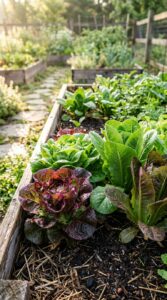
Transform your outdoor space into a charming cottage vegetable garden with rustic raised beds. These beds not only enhance the visual appeal of your garden but also provide excellent drainage and soil control, making them perfect for growing a variety of vegetables.
Step-by-Step Guide to Building Rustic Raised Beds
- Choose Your Location: Select a sunny spot with at least 6-8 hours of sunlight daily.
- Gather Materials: Use untreated wood like cedar or redwood for a natural look. Aim for dimensions of 4 feet by 8 feet, and a height of 12-18 inches.
- Construct the Frame: Cut the wood to size and assemble using screws. Ensure the corners are square for stability.
- Prepare the Soil: Fill the beds with a mix of high-quality topsoil, compost, and organic matter to create a nutrient-rich environment.
- Plant Your Vegetables: Opt for companion planting, like tomatoes with basil, to maximize space and deter pests.
Expert Gardening Tips
- Use a weed barrier fabric at the bottom to prevent weeds from invading.
- Rotate crops each season to maintain soil health.
- Add mulch to retain moisture and suppress weeds.
Avoid Common Mistakes
Many gardeners overlook proper drainage, leading to waterlogged roots. Ensure your raised beds have adequate drainage holes. Additionally, avoid overcrowding plants; proper spacing promotes healthy growth and air circulation.
By following these best practices, you can enjoy a thriving and picturesque cottage vegetable garden. Embrace the rustic charm of raised beds, and watch your gardening aspirations blossom!
2. Delightful Herb Spiral: Maximizing Flavor in Small Spaces

Delightful Herb Spiral: Maximizing Flavor in Small Spaces
The delightful herb spiral is a creative and efficient way to cultivate a variety of herbs in small spaces, maximizing flavor while minimizing footprint. This vertical garden design not only enhances aesthetics but also optimizes microclimates for diverse herb growth.
Building Your Herb Spiral
To create your herb spiral, follow these expert steps:
- Select a Location: Choose a sunny spot with good drainage, as most herbs thrive in full sun and well-drained soil.
- Gather Materials: Use stones, bricks, or wood to form the spiral structure. The height should range from 1 to 3 feet, tapering as it rises.
- Create the Spiral: Lay your materials in a spiral shape, ensuring it’s stable and sturdy. The center will be the highest point, gradually sloping downwards.
- Fill with Soil: Use a well-draining potting mix enriched with compost to provide nutrients.
- Plant Your Herbs: Start with larger herbs like rosemary at the top and smaller herbs like basil and parsley at the base. This utilizes varying moisture levels effectively.
Expert Tips and Common Mistakes to Avoid
- Watering: Avoid overwatering; herbs prefer slightly dry conditions.
- Spacing: Ensure adequate spacing between herbs to prevent overcrowding and promote airflow.
- Companion Planting: Consider planting herbs that complement each other, such as basil with tomatoes, to enhance flavor.
By following these best practices for your herb spiral, you’ll enjoy a bountiful harvest of fresh herbs while maximizing space in your garden. Embrace this trending DIY project and elevate your culinary creations with homegrown flavors!
3. Cottage Garden Perennials: Best Plants for Year-Round Blooms

Cottage Garden Perennials: Best Plants for Year-Round Blooms
Cottage gardens are beloved for their vibrant colors and charming aesthetics, and incorporating the right perennials can ensure your garden blooms year-round. Here’s a guide to the best cottage garden perennials, along with expert tips for maintaining their beauty.
Top Perennials for Year-Round Blooms
- Lavender: Known for its aromatic scent and drought resistance, lavender blooms in summer and can be pruned for a tidy shape.
- Rudbeckia (Black-eyed Susan): These cheerful flowers bloom from mid-summer to fall, attracting pollinators and adding a sunny touch.
- Peonies: Flowering in late spring, peonies offer lush blooms and a delightful fragrance. Ensure they have well-drained soil to thrive.
- Echinacea (Coneflower): Blooming from summer to fall, echinacea is hardy and excellent for attracting butterflies.
- Phlox: Available in various colors, phlox provides vibrant blooms from summer to early fall, thriving in full sun.
Step-by-Step Gardening Guidance
- Site Selection: Choose a location with well-drained soil and at least 6 hours of sunlight daily.
- Soil Preparation: Amend your soil with organic compost to improve fertility and drainage.
- Planting: Follow the recommended spacing for each perennial to avoid overcrowding, which can lead to diseases.
- Watering: Water newly planted perennials deeply but infrequently to encourage deep root growth.
- Mulching: Apply a layer of mulch to retain moisture and suppress weeds.
Common Gardening Mistakes to Avoid
- Overwatering, which can lead to root rot.
- Neglecting to deadhead spent blooms, which can inhibit further flowering.
- Ignoring plant height and spacing, leading to overcrowded plants.
Incorporating these cottage garden perennials will not only enhance the visual appeal of your garden but also create a sustainable ecosystem. By following best practices and avoiding common pitfalls, you can enjoy a garden rich in color and life all year long.
4. Charming Flower Borders: Designing a Whimsical Garden Edge

Charming Flower Borders: Designing a Whimsical Garden Edge
Creating charming flower borders is an enchanting way to enhance your garden’s edge, adding both style and structure. These whimsical boundaries not only delineate spaces but also invite visitors into your floral haven. Follow these expert tips to design a captivating flower border that reflects your personal style.
Step-by-Step Guide to Designing Flower Borders
- Choose a Location: Identify areas in your garden where borders will add visual interest, such as along pathways or fencing.
- Select Your Flowers: Opt for a mix of perennials and annuals to ensure year-round color. Popular choices include lavender, marigolds, and daylilies.
- Plan for Height and Texture: Arrange taller plants at the back and shorter varieties in front. Incorporate foliage plants for added texture.
- Prepare the Soil: Amend the soil with organic compost to enhance drainage and nutrient availability.
- Planting: Space plants according to their mature size, and ensure proper planting depth for optimal growth.
Common Mistakes to Avoid
- Neglecting to consider sunlight and shade requirements.
- Overcrowding plants, which can lead to competition for resources.
- Ignoring seasonal blooms, which can result in gaps in color.
Gardening Best Practices
Regularly deadhead spent flowers to encourage new blooms and maintain a tidy appearance. Mulching can help suppress weeds and retain soil moisture, ensuring your flower borders thrive throughout the growing season.
Incorporating charming flower borders into your garden design not only enhances aesthetic appeal but also provides a delightful framework for your plants. With these expert gardening tips, you can create a whimsical garden edge that will captivate all who visit.
5. Vintage Garden Furniture: Upcycling for Cozy Outdoor Spaces

Vintage Garden Furniture: Upcycling for Cozy Outdoor Spaces
Transform your outdoor area into a cozy retreat with vintage garden furniture by embracing the art of upcycling. This sustainable practice not only adds character to your garden but also aligns with current trends in Garden DIY. Here’s how to breathe new life into old pieces.
Step-by-Step Upcycling Guide
- Select Your Piece: Look for sturdy items such as wrought iron chairs, wooden benches, or weathered tables. Thrift stores and garage sales are treasure troves for vintage finds.
- Clean Thoroughly: Remove dirt and old paint using a wire brush or sandpaper. For metal pieces, a rust-inhibiting primer is crucial.
- Repaint or Stain: Choose a color that complements your garden. Soft pastels are in vogue, while bold hues can make a statement.
- Add Cushions: For added comfort, sew cushions using weather-resistant fabric in patterns that reflect your garden’s aesthetics.
Expert Gardening Tips
- Consider local climate: Use materials that can withstand your area’s weather conditions.
- Mix and match styles: A combination of vintage and modern pieces can create an eclectic, inviting atmosphere.
Avoid Common Mistakes
Many gardeners overlook the importance of sealing wooden furniture to prevent rot. Additionally, skipping the primer on metal furniture can lead to rust and deterioration.
By following these best practices, not only will you enhance your outdoor space, but you’ll also contribute to a more sustainable gardening approach. Embrace the charm of vintage garden furniture and enjoy a cozy, inviting ambiance!
6. Wildflower Meadows: Creating a Low-Maintenance Natural Retreat

Wildflower Meadows: Creating a Low-Maintenance Natural Retreat
Transform your garden into a serene sanctuary with a wildflower meadow. This low-maintenance natural retreat not only enhances biodiversity but also provides a vibrant display of colors throughout the growing season. Here’s how to create your own wildflower haven.
Step-by-Step Guide to Creating Your Wildflower Meadow
- Select the Right Location: Choose a sunny spot with well-drained soil. Wildflowers thrive in full sun, so aim for at least six hours of direct sunlight daily.
- Prepare the Soil: Clear the area of existing vegetation and debris. Loosen the soil with a garden fork, and if necessary, amend with organic matter to improve drainage.
- Choose Your Seeds: Opt for a mix of native wildflower seeds to attract local pollinators. Popular choices include cornflowers, poppies, and black-eyed Susans.
- Sow the Seeds: Scatter the seeds evenly and lightly rake them into the soil. Aim for a density of about 1-2 ounces per 100 square feet.
- Watering and Maintenance: Water the area gently after sowing, ensuring seeds remain moist. Once established, wildflowers require minimal watering.
Expert Tips for a Thriving Wildflower Meadow
- Consider the timing of planting; early spring or fall are ideal for sowing.
- Avoid over-fertilizing, as wildflowers prefer nutrient-poor soils.
- Regularly mow the meadow after blooming to promote healthy regrowth and seed dispersal.
Common Mistakes to Avoid
Many gardeners make the mistake of planting non-native species, which can disrupt local ecosystems. Additionally, overwatering or using chemical fertilizers can hinder the growth of wildflowers. Stick to organic methods for the best results.
Creating a wildflower meadow is a fulfilling project that not only beautifies your landscape but also contributes to wildlife conservation. With these expert tips and best practices, you’ll cultivate a flourishing natural retreat right in your backyard.
7. Garden Pathways: Using Natural Stone for Rustic Walkways

Garden Pathways: Using Natural Stone for Rustic Walkways
Enhancing your garden with rustic walkways made from natural stone not only adds beauty but also promotes functionality. Natural stone is a popular choice for garden pathways due to its durability and aesthetic appeal. Here’s how to create stunning pathways that blend seamlessly with your garden design.
Step-by-Step Guide to Creating Natural Stone Pathways
- Design Your Pathway: Determine the layout of your pathway, considering the flow of foot traffic. Curved paths often feel more natural.
- Select Your Stone: Choose stones like flagstone, slate, or granite for a rustic look. Consider the color and texture to complement your existing landscape.
- Prepare the Ground: Clear the area of grass and debris. Excavate to a depth of about 4-6 inches to accommodate the stone and a gravel base.
- Install a Base: Add a layer of crushed gravel for drainage, leveling it with a rake.
- Place Your Stones: Lay stones in your desired pattern, ensuring they are stable and level. Fill gaps with sand or gravel to secure them.
- Finishing Touches: Surround your pathway with plants or mulch to enhance the rustic feel.
Expert Tips and Common Mistakes to Avoid
- Tip: Use larger stones for high-traffic areas to minimize wear and tear.
- Mistake: Avoid placing stones too far apart; aim for a maximum of 2 feet for easy walking.
- Tip: Consider seasonal maintenance, such as removing debris and ensuring stones remain stable.
With these simple steps, you can create a stunning natural stone walkway that enhances your garden’s charm. This trend of using natural materials continues to gain popularity, making it a smart choice for any garden enthusiast.
8. Butterfly and Bee Gardens: Attracting Pollinators to Your Retreat

Butterfly and Bee Gardens: Attracting Pollinators to Your Retreat
Creating a butterfly and bee garden is a rewarding DIY gardening project that not only beautifies your space but also supports these essential pollinators. By incorporating specific plants and design elements, you can transform your retreat into a vibrant sanctuary for butterflies and bees.
Choosing the Right Plants
For an effective pollinator garden, opt for native flowering plants that bloom at different times throughout the growing season. Here are some top choices:
- Milkweed: Essential for monarch butterflies.
- Lavender: Attracts bees with its fragrant blooms.
- Echinacea (Coneflower): A favorite for many pollinators.
- Black-eyed Susan: Provides nectar from summer to fall.
Designing Your Garden Space
Plan for a sunny location with minimal wind, as pollinators thrive in warm, sheltered environments. Incorporate features like:
- Open spaces: Allow butterflies to bask in the sun.
- Nectar-rich flowers: Group plants in clusters for easy access.
- Water sources: Provide shallow dishes of water to quench their thirst.
Expert Tips and Common Mistakes
To ensure your butterfly and bee garden flourishes:
- Avoid using pesticides, as they can harm pollinators.
- Include host plants for caterpillars, such as parsley and dill.
- Be patient; it may take time for pollinators to discover your garden.
By following these expert gardening tips and embracing current trends like sustainable gardening, you can create a thriving butterfly and bee oasis. Remember, your garden is not just a retreat; it’s a vital habitat for our pollinator friends!
9. Hanging Baskets of Color: Vertical Gardening for Small Spaces

Hanging Baskets of Color: Vertical Gardening for Small Spaces
Vertical gardening has become a popular trend in the world of Garden DIY, especially for those with limited space. Hanging baskets are an excellent solution to add vibrant colors and lush greenery to small areas like balconies, patios, or even indoors.
Choosing the Right Plants
When selecting plants for your hanging baskets, consider the following:
- Trailing Plants: Opt for species like Petunias, Fuchsia, or Strawberry to create a cascading effect.
- Variety: Mix foliage plants with flowering plants to add depth and interest.
- Sunlight Requirements: Ensure your plant choices match the light conditions of your space.
Step-by-Step Guide to Creating Hanging Baskets
- Select Your Basket: Choose a sturdy, well-draining basket. Coco liners are popular for their water retention.
- Prepare the Soil: Use a high-quality potting mix, ideally one that retains moisture but drains well.
- Plant Arrangement: Start with larger plants in the center and add smaller ones around the edges. This creates a layered look.
- Watering: Water your baskets thoroughly after planting, ensuring good drainage.
Expert Tips and Common Mistakes to Avoid
To ensure your hanging baskets thrive, keep these tips in mind:
- Regular Maintenance: Check your baskets daily for water needs. Hanging baskets can dry out faster than traditional beds.
- Fertilization: Use a balanced liquid fertilizer every few weeks to promote healthy growth.
- Avoid Overcrowding: Give plants enough space to grow; overcrowded baskets can lead to poor air circulation and disease.
By incorporating hanging baskets into your vertical gardening approach, you can transform your small space into a colorful oasis. Embrace this garden trend and enjoy the beauty of your vertical garden!
10. Fermenting Flowers: Edible Blooms for Your Cottage Kitchen

Fermenting Flowers: Edible Blooms for Your Cottage Kitchen
In the world of Garden DIY, fermenting flowers is a delightful trend that not only enhances your culinary experiences but also showcases the beauty of your garden. By incorporating edible blooms into your cottage kitchen, you can elevate your dishes with unique flavors and vibrant colors.
Choosing Edible Flowers
Start by selecting the right flowers for fermentation. Some popular edible blooms include:
- Nasturtiums – Their peppery flavor adds zest to salads.
- Calendula – Known for its vibrant color and slightly tangy taste.
- Hibiscus – Offers a tart flavor perfect for teas and syrups.
Step-by-Step Guide to Fermenting Flowers
- Harvesting: Pick flowers early in the morning when they are fresh and dew-kissed.
- Preparation: Rinse gently to remove any insects or dirt.
- Fermentation: Place flowers in a clean jar, add a brine solution (1 tablespoon salt to 1 cup water), and ensure the blooms are submerged.
- Storage: Seal the jar and store it in a cool, dark place for 5-7 days, checking periodically for fermentation bubbles.
- Usage: Once fermented, use your flowers in salads, dressings, or as a garnish.
Expert Tips and Common Mistakes to Avoid
To ensure success in fermenting flowers, consider these expert tips:
- Always use organic flowers free from pesticides.
- Do not overcrowd the jar; this can hinder proper fermentation.
- Monitor the fermentation process closely to avoid spoilage.
Engaging in the art of fermenting flowers not only connects you with current trends in Garden DIY but also enables you to utilize your garden’s bounty creatively. So, start exploring this captivating way to enhance your cottage kitchen today!
11. Seasonal Decor: Incorporating Natural Elements for Year-Round Charm

Seasonal Decor: Incorporating Natural Elements for Year-Round Charm
Transform your garden into a year-round sanctuary by incorporating seasonal decor with natural elements. This DIY approach not only enhances visual appeal but also aligns with current trends emphasizing sustainability and eco-friendliness in gardening.
Expert Gardening Tips for Seasonal Decor
To create a charming garden that changes with the seasons, start by selecting versatile natural elements. Here are some practical examples:
- Wooden Accents: Use reclaimed wood for planters or garden signs. They add rustic charm and blend seamlessly with the environment.
- Seasonal Foliage: Incorporate seasonal foliage like autumn leaves or spring blooms. Rotating these elements keeps your decor fresh.
- Natural Textures: Introduce stones, pebbles, or driftwood as decorative features in your garden beds or pathways.
Step-by-Step Gardening Guidance
Follow these steps to enhance your garden decor:
- Choose a central theme based on the season.
- Gather natural materials that complement your theme.
- Arrange these elements strategically to create focal points.
- Regularly update your decor to reflect seasonal changes.
Avoid Common Gardening Mistakes
While incorporating natural elements, be mindful of these common mistakes:
- Overcrowding the garden with too many decor items.
- Using non-biodegradable materials that disrupt the ecosystem.
- Neglecting to consider plant growth when positioning decor.
By following these best practices, you can achieve a captivating garden that showcases the beauty of nature throughout the year. Embrace the charm of seasonal decor and watch your garden thrive!
12. Rustic Trellises: Supporting Climbing Plants with Style

Rustic Trellises: Supporting Climbing Plants with Style
Creating a rustic trellis not only offers support for climbing plants but also adds a charming aesthetic to your garden. These structures can be crafted from natural materials, enhancing your outdoor space while providing essential support. Here’s how to build your own rustic trellis and integrate it into your gardening design.
Step-by-Step Guidance
Follow these steps to construct your rustic trellis:
- Choose Your Materials: Opt for untreated wood, bamboo, or even repurposed materials like old fencing. Aim for materials that blend with your garden’s natural vibe.
- Design Your Trellis: Consider a simple A-frame or a fan shape. Both designs work well for climbing plants such as cucumbers and sweet peas.
- Measure and Cut: Cut your materials to size, ensuring ample height for your plants to climb.
- Assemble the Trellis: Use outdoor screws or nails to assemble your trellis in a sturdy manner, ensuring it can withstand wind and plant weight.
- Install the Trellis: Secure the trellis in your garden, ensuring it is stable and positioned in a sunny spot ideal for your climbing plants.
Expert Tips and Common Mistakes to Avoid
- Choose the Right Plant: Select climbing plants that suit your climate and soil type to ensure healthy growth.
- Avoid Overcrowding: Space plants adequately to allow for air circulation and sunlight.
- Regular Maintenance: Prune climbing plants regularly to promote healthy growth and remove any dead or diseased branches.
Incorporating a rustic trellis into your garden design not only enhances the visual appeal but also supports plant health. This DIY project aligns with current gardening trends focusing on sustainability and natural aesthetics. Embrace this expert-level gardening approach, and enjoy the beauty and productivity of your climbing plants!
13. Garden Lighting Ideas: Creating a Cozy Ambiance at Night

Garden Lighting Ideas: Creating a Cozy Ambiance at Night
Transforming your garden into a nighttime retreat is easier than you think. With the right garden lighting ideas, you can enhance the beauty of your plants and create an inviting atmosphere. Here’s how to achieve that cozy ambiance with expert-level advice and practical examples.
Choose the Right Lighting Types
Start by selecting various lighting types that suit your garden’s style:
- String Lights: Drape these across patios or wrap them around trees for a whimsical feel.
- Path Lights: Use solar-powered LED lights to illuminate walkways, ensuring safety while highlighting your garden’s features.
- Spotlights: Direct these on focal points like sculptures or unique plants to create dramatic effects.
Step-by-Step Lighting Installation
- Plan Your Layout: Sketch a layout of your garden, marking where you want your lights. Consider the plant height and garden structure.
- Choose Energy-Efficient Options: LEDs are ideal for their longevity and low energy consumption.
- Install Lights: Follow the manufacturer’s instructions for installation, ensuring all wiring is safely managed.
Avoid Common Mistakes
To ensure your garden lighting is effective, avoid these common pitfalls:
- Over-lighting can wash out your plants’ natural beauty—opt for softer light.
- Neglecting to consider seasonal changes that affect light needs—plan for varying daylight hours.
Best Practices for Cozy Garden Ambiance
Incorporate these best practices to maximize your garden’s nighttime appeal:
- Layer your lighting with a mix of ambient, task, and accent lights.
- Use dimmer switches for adjustable brightness.
- Consider motion sensor lights for security without compromising ambiance.
By following these garden lighting ideas, you’ll create a warm and inviting space that beckons you to enjoy your garden long after sunset. Happy gardening!
14. Rain Gardens: Sustainable Solutions for Water Management

Rain Gardens: Sustainable Solutions for Water Management
Rain gardens are an innovative and eco-friendly solution for managing stormwater runoff while enhancing your garden’s aesthetic appeal. By creating a rain garden, you can effectively reduce erosion, filter pollutants, and promote biodiversity in your landscape.
What is a Rain Garden?
A rain garden is a shallow depression planted with native plants that collects and absorbs rainwater from impervious surfaces like roofs and driveways. This sustainable practice not only mitigates flooding but also supports local wildlife.
Step-by-Step Guide to Creating a Rain Garden
- Select the Right Location: Choose a spot at least 10 feet from your home and away from utility lines.
- Design the Garden: Aim for a size that can hold 20% of the runoff from your roof. Use a combination of native plants to enhance biodiversity.
- Excavate: Dig a shallow basin, typically 4-8 inches deep, and ensure it has a slight slope to facilitate drainage.
- Add Soil Amendments: Use a mix of sandy loam and organic material to improve drainage and nutrient levels.
- Planting: Arrange native plants in clusters, incorporating species that thrive in wet and dry conditions.
- Mulch and Maintain: Apply organic mulch to retain moisture and suppress weeds; monitor your garden’s health regularly.
Common Gardening Mistakes to Avoid
- Neglecting to choose native plants that are adapted to your climate.
- Overlooking proper drainage, which can lead to standing water.
- Failing to account for the size of the rain garden, resulting in overflow during heavy rainfall.
Best Practices for Rain Gardens
To ensure your rain garden thrives, consider these expert tips:
- Incorporate diverse plant species to attract pollinators.
- Regularly check for invasive species and remove them promptly.
- Utilize organic fertilizers sparingly to maintain soil health.
By implementing a rain garden, you not only contribute to environmental sustainability but also create a beautiful and functional landscape feature. Start your journey towards effective water management today!
Frequently Asked Questions
How can I create rustic raised beds for my cottage garden?
To create rustic raised beds, use untreated wood or reclaimed materials for a natural look. Build the beds to a height of 12-24 inches and fill with a blend of quality soil and compost for optimal drainage and nutrient content. Position them in a sunny spot to maximize growth for your vegetables and herbs.
Why are herb spirals beneficial for small gardening spaces?
Herb spirals are beneficial because they utilize vertical space, allowing for a variety of herbs to be grown in a compact area. This design creates microclimates with varying moisture and light levels, ideal for diverse herb types. It also adds visual interest to your garden while maximizing flavor and utility.
What are the best perennial plants for a cottage garden?
Some of the best perennial plants for a cottage garden include coneflowers, daylilies, and peonies, which provide vibrant blooms throughout the seasons. These plants are hardy and require low maintenance, making them perfect for achieving a lush, colorful landscape that offers year-round interest.
How can I design charming flower borders for my garden?
To design charming flower borders, choose a mix of heights and colors that complement your overall garden aesthetic. Plant taller perennials at the back and shorter flowers in front to create depth. Incorporate seasonal blooms to ensure continuous color and consider adding ornamental grasses for texture and movement.
What are some tips for upcycling vintage garden furniture?
When upcycling vintage garden furniture, first clean and inspect each piece for stability. Sand down any rough edges and apply weather-resistant paint or sealant to protect against the elements. Incorporate these pieces into your garden as seating or decorative elements, enhancing the cozy atmosphere of your cottage retreat.