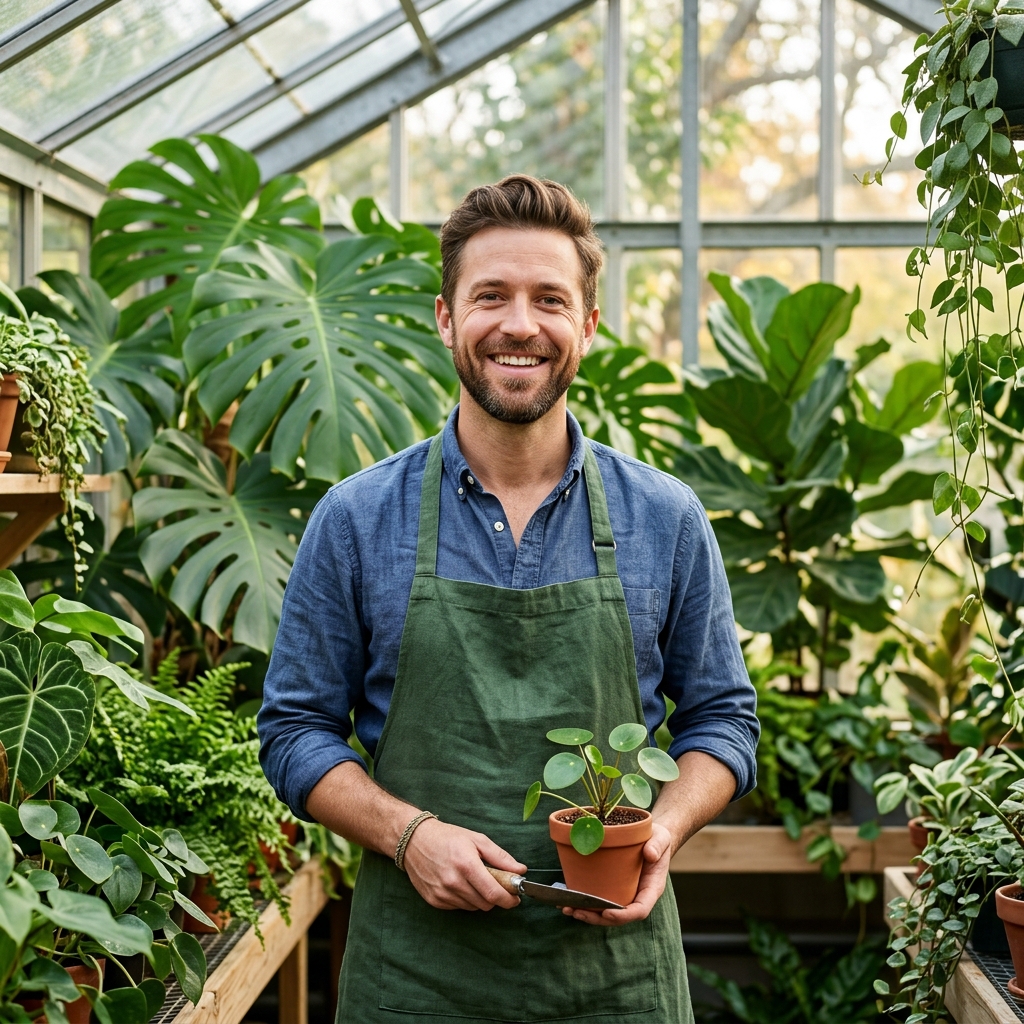
1. Creating a Lush Indoor Jungle with Fiddle Leaf Figs

Creating a Lush Indoor Jungle with Fiddle Leaf Figs
Transforming your living space into a lush indoor jungle is not only aesthetically pleasing but can also improve air quality and elevate your mood. One of the most sought-after house plants for this purpose is the Fiddle Leaf Fig (Ficus lyrata). Known for its large, glossy leaves, this tropical beauty can serve as a stunning focal point in any room.
Getting Started with Fiddle Leaf Figs
To create your indoor jungle, start by selecting the right location for your Fiddle Leaf Fig. These plants thrive in bright, indirect sunlight. Here are some expert tips to help you succeed:
- Watering: Allow the top inch of soil to dry out before watering again. Overwatering is a common mistake that can lead to root rot.
- Humidity: Fiddle Leaf Figs prefer higher humidity levels. Consider using a humidifier or misting the leaves regularly.
- Fertilization: Feed your plant with a balanced fertilizer every month during the growing season (spring and summer).
Designing Your Indoor Jungle
To enhance the jungle feel, group your Fiddle Leaf Fig with other tropical plants such as Monstera Deliciosa and Rubber Plants. This layering technique adds visual interest and mimics a natural forest environment.
Remember to rotate your Fiddle Leaf Fig every few weeks to ensure even growth, as they tend to lean toward light sources. By following these best practices, you can avoid common gardening mistakes and enjoy a thriving indoor jungle that not only beautifies your home but also reflects current house plant trends.
2. Combining Ferns and Palms for a Tropical Indoor Oasis

Creating a Tropical Indoor Oasis with Ferns and Palms
Combining ferns and palms can transform your indoor space into a lush tropical oasis. These house plants not only add aesthetic appeal but also improve air quality, making them a popular choice for indoor gardening enthusiasts. Here’s how to successfully pair these vibrant plants.
Choosing the Right Varieties
Start by selecting compatible species. Some popular ferns include:
- Boston Fern (Nephrolepis exaltata)
- Bird’s Nest Fern (Asplenium nidus)
For palms, consider:
- Areca Palm (Dypsis lutescens)
- Parlor Palm (Chamaedorea elegans)
Step-by-Step Planting Guide
- Select a Pot: Ensure it has drainage holes to avoid waterlogging.
- Use Quality Potting Mix: A mix that retains moisture while allowing for good drainage is ideal.
- Arrange Your Plants: Place taller palms at the back and shorter ferns at the front for visual balance.
- Watering: Keep the soil consistently moist but not soggy; use a moisture meter for accuracy.
- Light Requirements: Position in indirect sunlight, as both ferns and palms thrive in bright, filtered light.
Expert Tips and Common Mistakes
To maintain a thriving indoor garden:
- Avoid overwatering; let the topsoil dry slightly between waterings.
- Regularly dust leaves to enhance photosynthesis.
- Rotate plants every few weeks to ensure even growth.
By following these best practices, you can create a stunning display of ferns and palms that not only beautifies your home but also brings a piece of the tropics indoors. Embrace the trend of indoor jungles and enjoy the serene atmosphere these plants provide!
3. Choosing the Right Soil Mix for Your Indoor Plant Jungle

Choosing the Right Soil Mix for Your Indoor Plant Jungle
Creating a thriving indoor plant jungle begins with selecting the right soil mix. Not all houseplants have the same soil requirements, so understanding your plants’ specific needs is crucial. Here’s a guide to help you choose the ideal soil mix for your indoor greenery.
Understanding Soil Components
The perfect soil mix typically contains three main components:
- Organic Matter: This includes materials like peat moss or coconut coir that retain moisture and nutrients.
- Inorganic Matter: Perlite or vermiculite enhances aeration and drainage, preventing root rot.
- Soil Amendments: Adding compost can enrich the soil with essential nutrients.
Step-by-Step Soil Selection
- Identify Your Plants: Determine the specific needs of your houseplants. Succulents, for example, thrive in well-draining soils, while ferns prefer moisture-retentive mixes.
- Choose the Right Mix: Look for pre-packaged potting mixes tailored to your plant type, such as cactus mix for succulents or orchid bark for epiphytic plants.
- Customize Your Blend: If you’re mixing your own, combine equal parts of potting soil, perlite, and compost for a balanced mix.
Common Mistakes to Avoid
Even seasoned gardeners can make errors. Here are a few pitfalls to avoid:
- Using garden soil indoors, which can be too dense and lead to poor drainage.
- Neglecting to adjust soil pH for specific plant needs.
- Over-fertilizing, which can harm sensitive roots.
Best Practices for Soil Maintenance
To ensure your indoor plant jungle flourishes, remember these best practices:
- Regularly check moisture levels to avoid overwatering.
- Refresh your soil mix every 1-2 years to replenish nutrients.
- Consider the seasonal needs of your plants when adjusting watering and fertilization.
By following these guidelines for choosing the right soil mix, your indoor plants will thrive, creating a lush and vibrant indoor jungle.
4. Maximizing Light with Indoor Plant Placement Strategies

Maximizing Light with Indoor Plant Placement Strategies
Creating the perfect indoor garden involves more than just selecting beautiful house plants; it requires a strategic approach to light placement. Understanding how to maximize light exposure can significantly enhance the health and growth of your plants.
Assessing Light Conditions
Begin by evaluating the natural light in your space. Observe how sunlight moves throughout the day, noting:
- South-facing windows receive the most direct sunlight.
- East-facing windows provide gentle morning light.
- North-facing windows offer indirect light, suitable for shade-loving plants.
- West-facing windows can produce intense afternoon sun.
Strategic Plant Placement
Once you understand your light conditions, consider these expert placement tips:
- Group Plants: Cluster plants with similar light needs together to create a microenvironment.
- Use Shelving: Install shelves near windows to maximize vertical space and exposure.
- Rotate Plants: Regularly rotate your plants to ensure even light distribution.
- Employ Reflective Surfaces: Use mirrors or light-colored walls to reflect natural light onto your plants.
Avoiding Common Mistakes
To achieve optimal growth, avoid these common pitfalls:
- Placing light-sensitive plants in direct sunlight can lead to leaf burn.
- Neglecting to move plants seasonally can result in inadequate light during winter months.
By implementing these indoor plant placement strategies, you can ensure that your house plants thrive in their environment. Remember, the right light can make all the difference in your indoor gardening success!
5. Layering Plants: How to Create a Multi-Tiered Jungle Look

Layering Plants: How to Create a Multi-Tiered Jungle Look
Creating a lush, multi-tiered jungle look at home is a popular trend in indoor gardening. Layering plants not only adds depth to your space but also enhances the overall aesthetic appeal of your indoor jungle. Here’s how to achieve this vibrant look effectively.
Step-by-Step Guide to Layering Plants
- Select Your Plants: Choose a combination of tall, medium, and small plants. Consider using a Fiddle Leaf Fig for height, Pothos for trailing effects, and Succulents for ground cover.
- Consider Light Requirements: Arrange plants based on their light needs. Place sun-loving plants on higher shelves and shade-tolerant ones at lower levels.
- Use Plant Stands: Incorporate plant stands or shelves to create vertical layers. This not only saves floor space but also showcases your plants beautifully.
- Incorporate Texture: Mix leaf shapes and textures. For example, pair the glossy leaves of a Rubber Plant with the feathery fronds of a Fern.
Expert Tips for a Successful Jungle Look
- Rotate your plants regularly to ensure even growth.
- Avoid overcrowding; give each plant enough space to thrive.
- Regularly check for pests, especially in layered arrangements where airflow may be restricted.
Common Mistakes to Avoid
Many gardeners overlook the importance of humidity and watering needs. Ensure that you group plants with similar requirements together to maintain a healthy environment. Also, be cautious of over-fertilizing, which can lead to nutrient burn.
By following these guidelines, you can create a stunning layered plant display that not only beautifies your home but also showcases your gardening expertise. Happy gardening!
6. Low-Light Jungle Plants: Thriving in Shady Indoor Spaces

Low-Light Jungle Plants: Thriving in Shady Indoor Spaces
Transform your home into a lush oasis with low-light jungle plants that thrive in shady indoor spaces. These hardy houseplants not only add a touch of greenery but also purify the air, making them perfect for dimly lit corners of your home.
Top Low-Light Houseplants
- Snake Plant (Sansevieria): Known for its resilience, this plant can survive in low light and requires minimal watering.
- Pothos (Epipremnum aureum): A fast-growing vine that thrives in indirect light; perfect for hanging baskets.
- ZZ Plant (Zamioculcas zamiifolia): An excellent choice for beginners, it tolerates neglect and low-light conditions.
Expert Gardening Tips
To ensure your low-light plants flourish, consider the following best practices:
- Water sparingly to avoid root rot; let the soil dry out between waterings.
- Rotate plants periodically for even growth, as they tend to lean towards light sources.
- Use well-draining potting soil to facilitate healthy root development.
Avoid Common Mistakes
Many indoor gardeners make the mistake of overwatering or placing plants too close to artificial light sources. Remember:
- Assess each plant’s specific lighting needs; not all low-light plants are created equal.
- Avoid placing plants in completely dark corners; they still need some indirect light.
By incorporating these low-light jungle plants into your home, you can create a thriving indoor jungle that brings life to even the shadiest areas. Embrace the trend of low-maintenance greenery and enjoy the benefits of a vibrant, healthy space!
7. Using Macramé Hangers to Elevate Your Indoor Greenery

Using Macramé Hangers to Elevate Your Indoor Greenery
In the world of indoor gardening, macramé hangers have emerged as a popular trend, providing both aesthetic appeal and practical benefits. These stylish hangers allow you to showcase your house plants while saving valuable floor space. Here’s how to effectively use macramé hangers to elevate your indoor greenery.
Choosing the Right Macramé Hanger
Selecting the appropriate macramé hanger is crucial. Consider the following:
- Size: Ensure the hanger can accommodate the pot size you’re using.
- Material: Opt for durable materials like cotton or jute for longevity.
- Style: Choose designs that complement your interior decor.
Step-by-Step Installation Guide
- Identify the Location: Choose a spot with appropriate light for your plants.
- Secure the Hanger: Use a ceiling hook or wall bracket to hang the macramé securely.
- Plant Placement: Gently place your potted plant in the macramé holder.
Expert Tips for Successful Plant Hanging
To ensure your indoor garden thrives, follow these expert tips:
- Rotate your plants regularly to promote even growth.
- Monitor moisture levels; hanging plants can dry out quicker.
- Choose trailing plants like Pothos or String of Hearts for a stunning display.
Avoid Common Mistakes
When using macramé hangers, avoid these common gardening mistakes:
- Hanging plants too close to heat sources or drafts.
- Overwatering due to poor drainage in hanging pots.
- Neglecting to check for pests that can thrive in sheltered spaces.
By incorporating macramé hangers into your indoor garden, you not only enhance your living space but also create a thriving environment for your plants. Embrace this trend and watch your indoor greenery flourish!
8. Incorporating Monstera Deliciosa for a Statement Piece

Incorporating Monstera Deliciosa for a Statement Piece
Monstera Deliciosa, also known as the Swiss cheese plant, is a stunning addition to any indoor garden, renowned for its dramatic, fenestrated leaves. This house plant can effortlessly elevate your living space, making it a popular choice among plant enthusiasts and interior designers alike. Here’s how to incorporate this tropical beauty as a statement piece in your home.
Choosing the Right Location
Start by selecting an area that receives bright, indirect sunlight. Monstera thrives in well-lit environments but can suffer from leaf burn if exposed to direct sunlight. A spot near a window with sheer curtains is ideal.
Potting and Soil Requirements
For optimal growth, use a well-draining potting mix enriched with organic matter. A combination of peat, perlite, and orchid bark works wonders. Ensure the pot has drainage holes to prevent root rot, a common mistake among novice gardeners.
Watering and Humidity
Water your Monstera when the top inch of soil feels dry. Overwatering can lead to yellowing leaves and stem rot. Additionally, these plants thrive in high humidity; misting the leaves or using a pebble tray can enhance their environment.
Current Trends and Best Practices
- Consider using a decorative planter that complements your decor style.
- Pair your Monstera with other houseplants like pothos and snake plants for an eye-catching display.
- Regularly wipe the leaves to remove dust, promoting photosynthesis and plant health.
Incorporating Monstera Deliciosa into your home not only makes a bold statement but also enhances your indoor air quality. By following these expert gardening tips and avoiding common mistakes, you’ll ensure that your Monstera thrives, becoming the centerpiece of your indoor garden.
9. The Art of Grouping Houseplants for Visual Impact

The Art of Grouping Houseplants for Visual Impact
Creating a stunning indoor oasis requires more than just choosing the right houseplants; it’s about the art of grouping houseplants effectively. By carefully arranging plants, you can enhance their visual impact and bring life to any space.
Current Trends in House Plant Grouping
Recent trends show that gardeners are gravitating towards layered arrangements and color coordination. Use plants of varying heights, such as tall snake plants paired with low-growing succulents, to create depth. Incorporating plants with contrasting foliage, like a vibrant pothos with a dark-green zz plant, adds interest and dynamism.
Step-by-Step Grouping Guide
- Choose a Focal Point: Select a standout plant, like a fiddle leaf fig, to serve as the centerpiece.
- Vary Heights: Use plant stands or hangers to elevate shorter plants, creating a tiered effect.
- Consider Light Requirements: Group plants with similar light needs together to ensure they thrive.
- Use Decorative Containers: Opt for pots that complement each other to enhance overall aesthetics.
Expert Tips and Common Mistakes
To achieve the best results, remember these expert tips:
- Avoid overcrowding: Ensure plants have enough space for growth to prevent competition for resources.
- Regularly rotate plants: This ensures even growth and prevents leaning towards light sources.
- Mix textures: Combine smooth-leaved plants with those that have a rougher texture for visual contrast.
By mastering the art of grouping houseplants, you can create a visually stunning arrangement that not only beautifies your space but also nurtures healthy plant growth.
10. Creating a Humid Environment for Tropical Houseplants

Creating a Humid Environment for Tropical Houseplants
Tropical houseplants thrive in humid environments, mimicking their natural habitats. To successfully create a humid environment for your tropical flora, follow these expert tips and best practices.
Understanding Humidity Levels
First, it’s essential to understand that tropical plants typically prefer humidity levels between 50% and 70%. You can measure humidity with a hygrometer, ensuring your plants receive optimal moisture.
Methods to Increase Humidity
- Grouping Plants: Place your tropical plants close together. This allows them to share moisture through transpiration.
- Humidity Trays: Fill shallow trays with pebbles and water, placing your pots on top. As the water evaporates, it will increase humidity around the plants.
- Regular Misting: Lightly mist foliage with water using a spray bottle, especially during dry seasons.
- Use a Humidifier: Consider investing in a humidifier for consistent humidity levels, particularly in winter when indoor air is drier.
Common Mistakes to Avoid
While creating a humid environment, avoid overwatering, as this can lead to root rot. Additionally, ensure good air circulation to prevent mold growth. It’s also crucial to adapt your humidity strategies based on seasonal changes.
Current Trends in House Plants
As houseplant enthusiasts increasingly embrace rare tropical species, maintaining proper humidity is essential for plant health and longevity. Remember, a well-hydrated tropical plant not only looks vibrant but also contributes to a healthier indoor environment.
By implementing these strategies, you can cultivate a thriving humid environment that supports your beloved tropical houseplants. Happy gardening!
11. Repotting Techniques for Robust Indoor Jungle Growth

Repotting Techniques for Robust Indoor Jungle Growth
Repotting is a crucial skill for any house plant enthusiast looking to cultivate a thriving indoor jungle. Proper repotting techniques not only promote healthier root systems but also ensure your plants are well-equipped for vigorous growth.
When to Repot
Timing is key. Most indoor plants benefit from repotting every 1-2 years, especially if you notice:
- Roots growing out of the drainage holes
- Stunted growth despite adequate care
- Soil that dries out too quickly
Step-by-Step Repotting Guide
- Choose the Right Pot: Select a pot that is 1-2 inches wider in diameter than the current one.
- Prepare the Soil: Use a well-draining potting mix tailored to your plant type—cactus soil for succulents or aroids for tropical plants.
- Remove the Plant: Gently grasp the base and wiggle to loosen the roots. Avoid pulling on the leaves.
- Trim the Roots: Inspect for any dead or rotting roots and prune them back to encourage new growth.
- Replant: Place the plant in its new pot, ensuring the root ball is level with the soil surface. Fill in with fresh soil.
- Water Thoroughly: After repotting, water your plant well to help settle the new soil.
Common Mistakes to Avoid
To ensure a successful repotting process, steer clear of these pitfalls:
- Repotting during dormancy periods (typically winter for many houseplants).
- Using too large of a pot, which can lead to root rot.
- Neglecting to water post-repotting, which can shock the plant.
Expert Tips for Success
For robust indoor jungle growth, consider the following:
- Incorporate a slow-release fertilizer when repotting for sustained nutrient delivery.
- Keep your newly repotted plants in a shaded area for a week to reduce stress.
- Monitor humidity levels, especially for tropical varieties, to support recovery.
By following these expert repotting techniques, you’ll set the foundation for a lush and vibrant indoor jungle that thrives year-round.
12. Choosing the Best Fertilizers for Indoor Jungle Plants

Choosing the Best Fertilizers for Indoor Jungle Plants
Creating an indoor jungle requires not just the right plants but also the best fertilizers to keep them thriving. When it comes to choosing fertilizers for your house plants, understanding their nutritional needs is crucial.
Understanding Nutrient Requirements
Indoor plants generally require three primary nutrients: nitrogen (N), phosphorus (P), and potassium (K). Look for a balanced fertilizer with an NPK ratio such as 10-10-10, which supports overall growth. For flowering plants, opt for a higher phosphorus ratio like 10-30-20 to promote blooming.
Current Trends in House Plant Fertilization
Organic fertilizers are gaining popularity among indoor gardeners. Options like worm castings and fish emulsion not only provide essential nutrients but also improve soil structure. Additionally, slow-release fertilizers are trending due to their convenience, releasing nutrients gradually over time.
Expert Tips and Best Practices
- Fertilize during the growing season (spring and summer).
- Always dilute liquid fertilizers to avoid root burn.
- Monitor your plants for signs of nutrient deficiencies, such as yellowing leaves.
Avoid Common Gardening Mistakes
One of the most frequent mistakes is over-fertilizing, which can lead to nutrient burn and root damage. Always follow the manufacturer’s instructions and avoid fertilizing dormant plants during fall and winter.
By understanding the best fertilizers for your indoor jungle plants and following these expert tips, you will ensure a lush, thriving environment that showcases your green thumb.
13. Incorporating Vertical Gardens for Space-Saving Greenery

Incorporating Vertical Gardens for Space-Saving Greenery
As urban living spaces shrink, incorporating vertical gardens has become a popular trend in house plants. Vertical gardens not only save space but also create a stunning focal point in any room. By utilizing walls, you can transform your living environment into a lush oasis.
Getting Started with Vertical Gardens
To successfully create a vertical garden, follow these step-by-step guidelines:
- Choose Your Location: Select a well-lit area with indirect sunlight to ensure your plants thrive.
- Pick the Right Plants: Opt for space-efficient house plants like pothos, ferns, or succulents that flourish in vertical arrangements.
- Build Your Structure: Use shelves, wall-mounted planters, or DIY pallet gardens to create a sturdy framework.
- Plant with Care: Arrange plants according to their light and water needs, ensuring proper airflow to prevent mold.
- Maintain Regularly: Water and prune your plants to keep them healthy and vibrant.
Expert Tips and Common Mistakes
While vertical gardening is rewarding, avoid these common mistakes:
- Overwatering: Ensure proper drainage to prevent root rot.
- Poor plant selection: Choose plants that thrive in vertical arrangements.
- Neglecting maintenance: Regularly check for pests and diseases.
By incorporating vertical gardens into your home, you’ll maximize space while indulging your love for house plants. Not only do they enhance aesthetics, but they also improve air quality and your overall well-being.
14. Using Plant Stands for Height Variation in Your Indoor Jungle

Using Plant Stands for Height Variation in Your Indoor Jungle
Incorporating plant stands into your indoor jungle is a transformative way to achieve height variation and enhance the visual appeal of your space. Height variation not only adds depth to your plant arrangement but also allows for better light distribution and air circulation, which is essential for healthy growth.
Current Trends in Plant Stands
As houseplants continue to rise in popularity, so do creative plant stand designs. From minimalist metal frames to rustic wooden platforms, the trend leans towards sustainable materials that complement modern interiors. Consider using stands with multiple tiers to showcase a variety of plants at different heights.
Expert Gardening Tips
- Layering: Place taller plants, like Fiddle Leaf Figs, on taller stands, while shorter plants, such as Succulents, can be placed on lower surfaces.
- Grouping: Cluster plants of varying heights to create an engaging focal point. Use stands to separate clusters for added dimension.
- Accessibility: Ensure that plants on stands are easily reachable for watering and maintenance.
Common Mistakes to Avoid
When using plant stands, avoid overcrowding your plants. Ensure that each plant has enough space to thrive without competing for light or resources. Additionally, be mindful of the weight capacity of your stands to prevent accidents.
Best Practices for Plant Stands
To maximize the benefits of plant stands:
- Utilize stands that complement your interior décor.
- Consider the growth patterns of your plants, ensuring taller varieties are placed where they won’t block light.
- Rotate plants regularly for even light exposure.
By thoughtfully integrating plant stands into your indoor jungle, you can create a stunning, layered display that not only enhances aesthetics but also promotes overall plant health.
15. Creating a Cohesive Color Palette with Houseplant Foliage

Creating a Cohesive Color Palette with Houseplant Foliage
Designing a harmonious indoor garden requires careful consideration of your houseplants’ foliage colors. A cohesive color palette not only enhances aesthetic appeal but also establishes a calming atmosphere in your home. Here’s how to create a stunning visual impact using houseplant foliage.
Choose Your Color Scheme
Start by selecting a color scheme that resonates with your personal style. Trending palettes include:
- Monochromatic: Use varying shades of a single color, such as different greens from Fiddle Leaf Fig to Snake Plant.
- Complementary: Pair contrasting colors, like the vibrant reds of a Red Aglaonema with the soft greens of a Pothos.
- Analogous: Choose colors next to each other on the color wheel, such as yellow-greens and blues from Philodendron Brasil and Peace Lily.
Layering and Placement
To achieve depth, layer plants of varying heights and textures. Position taller plants, like a Rubber Plant, at the back, with trailing varieties like String of Hearts cascading at the front. This creates visual interest and maintains your chosen color palette.
Expert Tips and Common Mistakes
Be mindful of common gardening mistakes:
- Avoid overcrowding plants, which can lead to competition for light and nutrients.
- Don’t ignore the lighting needs; some plants might thrive better in low light, while others prefer bright, indirect sunlight.
Regularly assess the health of your plants, as vibrant foliage is crucial for maintaining your color palette. Remember, a well-curated selection of houseplants not only elevates your space but also reflects your personality.
By following these expert tips and utilizing current trends in houseplants, you can create a stunning cohesive color palette that will enhance any room in your home.
Frequently Asked Questions
How do I create a lush indoor jungle with fiddle leaf figs?
To create a lush indoor jungle with fiddle leaf figs, position them in a bright, indirect light area. Ensure they have well-draining soil and maintain humidity levels around 50% to mimic their natural tropical habitat. Regularly rotate the plants for even growth and prune any dead leaves to encourage bushier growth.
Why should I combine ferns and palms in my indoor space?
Combining ferns and palms creates a visually appealing, tropical indoor oasis. Ferns thrive in the shade while palms generally prefer more light, allowing for a diverse ecosystem. This combination not only enhances aesthetics but also improves air quality, as they work together to filter toxins.
What is the best soil mix for my indoor plant jungle?
The best soil mix for an indoor plant jungle is a well-aerated blend of potting soil, perlite, and peat moss. This combination ensures proper drainage while retaining moisture, which is crucial for tropical plants. You can also add organic compost to provide nutrients and promote healthy growth.
How can I maximize light with indoor plant placement strategies?
To maximize light for your indoor plants, place them near windows that receive bright, indirect sunlight. Use sheer curtains to diffuse harsh rays and consider rotating plants weekly to ensure all sides receive equal light. For low-light areas, choose shade-tolerant plants like snake plants or pothos.
What are some best practices for layering plants to create a multi-tiered jungle look?
Layering plants effectively involves placing taller plants like fiddle leaf figs in the back and shorter varieties like ferns in the front. Use plant stands or hanging baskets to create depth and visual interest. Ensure each plant receives adequate light and airflow to thrive within the layered arrangement.