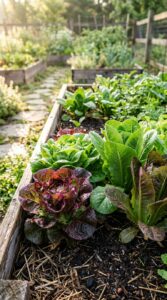
As gardening enthusiasts increasingly seek to cultivate beautiful and sustainable landscapes, the importance of native plants cannot be overstated. Keystone native plants play a crucial role in maintaining ecological balance, providing essential habitat for local wildlife, and enhancing the overall health of your garden. This article highlights 15 keystone native plants that every US gardener should consider growing, each chosen for its adaptability, beauty, and ecological benefits.
Incorporating these plants into your garden not only supports biodiversity but also reduces maintenance by minimizing the need for irrigation and fertilizers. By choosing native species, you can create a thriving ecosystem that attracts pollinators, birds, and beneficial insects, all while enjoying a stunning array of colors and textures throughout the seasons. Whether you’re a seasoned gardener or just starting, these native plants will transform your outdoor space into a vibrant sanctuary for both you and the local wildlife.
1. The Vibrant Black-Eyed Susan

Known for their cheerful, yellow petals and dark centers, Black-Eyed Susans are a staple in many gardens. These perennial wildflowers bloom from summer to fall, providing a long-lasting burst of color. They thrive in full sun and well-drained soil, making them perfect for sunny borders and meadows.
Plant them in groups for a more dramatic effect, and don’t forget to deadhead spent flowers to encourage more blooms. These flowers attract a variety of pollinators, including bees and butterflies, helping to support local wildlife. They also make excellent cut flowers, bringing the beauty of your garden indoors.
To ensure they thrive, consider pairing Black-Eyed Susans with other native plants like coneflowers or asters. This not only enhances their visual appeal but creates a diverse habitat for beneficial insects. With minimal care, these resilient beauties will brighten your garden for years to come.
2. The Resilient Eastern Red Cedar

The Eastern Red Cedar is a versatile evergreen that offers year-round interest in the garden. Known for its aromatic wood and dense foliage, this tree can thrive in various soil conditions and is particularly drought-resistant once established. Its scale-like leaves provide a lush backdrop for perennials and annuals, making it an excellent choice for mixed borders or as a focal point.
In addition to its aesthetic appeal, the Eastern Red Cedar plays a crucial role in supporting local wildlife. Its berries are a food source for birds, while its sturdy branches provide shelter for various creatures. This tree can also be pruned to create a more manicured look or left to grow naturally for a more rustic appearance.
Consider planting Eastern Red Cedar in areas that receive full sun, and ensure it has enough room to grow. Its adaptability and low maintenance requirements make it a wonderful addition to any garden, enhancing both beauty and biodiversity.
3. The Charming Coneflower

Coneflowers, or Echinacea, are beloved for their striking, daisy-like blossoms that attract butterflies and bees. These hardy perennials bloom from mid-summer to fall, creating a colorful display that can easily brighten any garden. With a wide range of colors, including purple, pink, and white, coneflowers are incredibly versatile and can be integrated into various garden styles.
Plant coneflowers in well-drained soil and full sun for optimal growth. They are drought-tolerant once established, making them an excellent choice for low-maintenance gardens. Additionally, their seed heads provide food for birds in the winter, ensuring year-round interest in your garden.
When designing your garden, consider pairing coneflowers with other native plants like Black-Eyed Susans or asters. This creates a beautiful tapestry of color and texture, attracting a variety of pollinators while enhancing the overall ecological health of your landscape.
4. The Graceful Native Fern

Native ferns add a touch of elegance and texture to any garden. Varieties such as the Christmas fern and the Maidenhair fern thrive in shady areas, making them perfect for woodland gardens or under larger plants. Their lush, green fronds create a soft, calming atmosphere, perfect for creating serene outdoor spaces.
Plant ferns in rich, moisture-retentive soil to mimic their natural habitat. They often do well in areas with dappled sunlight or full shade, making them versatile companions in mixed plantings. To enhance their beauty, consider incorporating stones or logs as natural accents within fern beds.
Ferns also serve an ecological purpose by providing habitat for various insects and small wildlife. By adding native ferns to your garden, you not only beautify your space but also contribute to the health of local ecosystems, making them a wise choice for any gardener.
5. The Hardy Butterfly Bush

Butterfly bushes are a favorite among gardeners for their ability to attract a multitude of butterflies and hummingbirds. These perennial shrubs bloom profusely from summer to fall, creating a vibrant spectacle of color. With clusters of tubular flowers in shades of purple, pink, and white, they create a stunning focal point in gardens.
Plant butterfly bushes in sunny locations with well-drained soil for the best results. They thrive with minimal care, requiring only occasional pruning to maintain shape and encourage new growth. Their ability to attract pollinators makes them an essential addition for gardeners looking to support local wildlife.
Pair butterfly bushes with other flowering plants to create a pollinator-friendly garden. By incorporating a variety of colors and textures, you can create an inviting space that buzzes with life throughout the growing season. The visual and ecological benefits of butterfly bushes make them a must-have for any garden enthusiast.
6. The Versatile Prairie Dropseed

Prairie Dropseed is a resilient native grass that provides both beauty and ecological function. With its fine texture and graceful form, it makes an excellent addition to borders, meadows, or even container gardens. This drought-tolerant grass thrives in well-drained soils and full sun, making it suitable for a variety of garden conditions.
In addition to its aesthetic appeal, Prairie Dropseed provides habitat for wildlife and is an excellent choice for erosion control. Its clumping nature helps to stabilize soil while creating a visually appealing landscape. As it matures, this grass produces delicate seed heads that sway gracefully in the breeze, adding movement and interest to your garden.
When planting Prairie Dropseed, consider combining it with other native grasses and wildflowers for a naturalistic look. This creates a dynamic garden space that not only looks beautiful but also supports local ecosystems. Its adaptability and low maintenance make it a wise choice for any gardener looking to enhance their outdoor space.
7. The Majestic Wild Blueberry

Wild Blueberries are not only a delicious treat but also a beautiful addition to your garden. These low-growing shrubs produce sweet, juicy berries in the summer, attracting birds and beneficial insects. Their delicate white flowers bloom in spring, providing early-season nectar for pollinators.
Plant Wild Blueberries in well-drained, acidic soil with plenty of sunlight for optimal growth. They can be used as a ground cover or planted in clusters for a more substantial impact. During the fall, their leaves turn vibrant shades of red and orange, adding seasonal interest to your landscape.
Incorporating Wild Blueberries into your garden supports local wildlife and offers a sustainable source of food for your family. Additionally, they can be easily integrated into edible gardens or mixed borders, making them a versatile choice for any gardener looking to enhance their outdoor space with both beauty and functionality.
9. The Lively Black-eyed Susan

The Black-eyed Susan (Rudbeckia hirta) is a vibrant perennial that brightens any garden with its sunny yellow petals and dark centers. This native flower is not only visually appealing but also attracts pollinators such as bees and butterflies, making it a popular choice for wildlife gardens. Plant these cheerful flowers in clusters to create a striking impact and encourage more visitors to your garden.
These hardy plants thrive in full sun and well-drained soil, making them perfect for various landscapes, including borders, meadows, and cottage gardens. To encourage continuous blooming throughout the summer, deadhead spent flowers regularly. You can also divide the plants every few years to maintain their vigor and expand your garden.
Incorporating Black-eyed Susans into your garden design can create a lively, dynamic atmosphere. Pair them with other native plants like the Purple Coneflower or Grasses for a harmonious look. Their adaptability and resilience to drought make them a sustainable choice for gardeners looking to reduce their water usage while still enjoying a beautiful landscape.
10. The Resilient Eastern Red Cedar
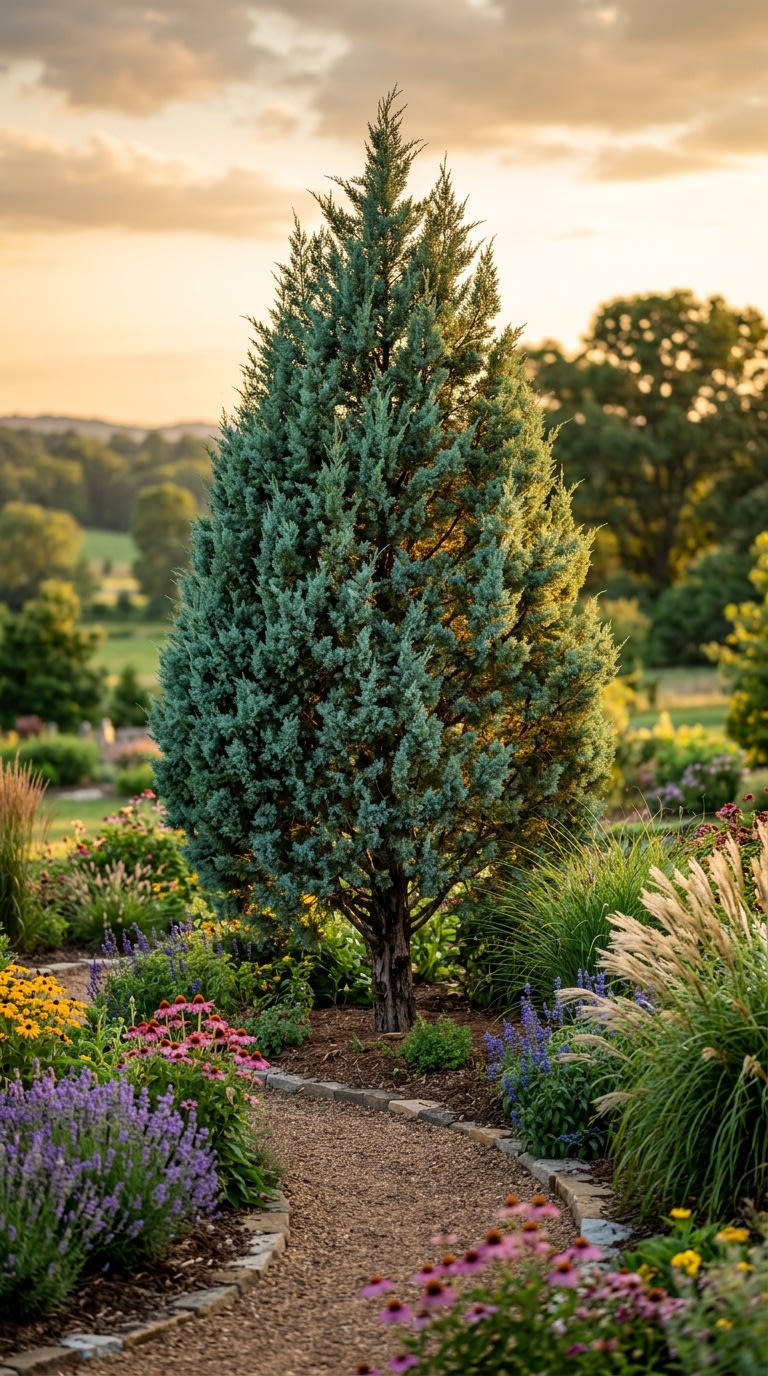
The Eastern Red Cedar (Juniperus virginiana) is a versatile evergreen tree that offers year-round interest and structure to your garden. With its attractive blue-green foliage and aromatic wood, this native tree can grow as a tall shrub or a stately tree, depending on your landscape needs. It’s an excellent choice for privacy screening or as a focal point in larger gardens.
This hardy tree thrives in various soil types and is highly drought-resistant once established. When planting, select a sunny spot with good drainage to ensure optimal growth. Given its robust nature, the Eastern Red Cedar can withstand poor soil conditions, making it a low-maintenance option for gardeners.
Incorporate this native tree into your design by planting it alongside flowering perennials and ornamental grasses to create a striking contrast throughout the seasons. Its dense foliage provides shelter for birds and other wildlife, adding ecological value to your outdoor space. The Eastern Red Cedar not only enhances your garden’s aesthetic but also contributes to local biodiversity.
11. The Vibrant Bloodroot

Bloodroot (Sanguinaria canadensis) is a captivating spring-blooming perennial known for its striking white flowers and unique foliage. This native plant thrives in shaded woodland gardens and is often one of the first to bloom, heralding the arrival of spring. Its delicate white flowers emerge before the leaves fully unfurl, creating a stunning visual display that’s hard to miss.
Bloodroot prefers moist, well-drained soil and can be beneficial in areas with dappled sunlight or full shade. To encourage growth, consider planting it in clusters among ferns or other shade-loving plants. As a bonus, Bloodroot’s leaves can provide intriguing texture to your garden even after the blooms have faded, maintaining visual interest throughout the growing season.
This plant is also known for its medicinal properties, adding another layer of value to your garden. Planting Bloodroot not only enhances your landscape with its beauty but also creates a serene woodland environment that supports local wildlife. Its adaptability and resilience make it an essential addition to any native garden.
12. The Charming Wild Ginger

Wild Ginger (Asarum canadense) is a unique ground cover that adds lush greenery and interest to shaded areas of the garden. Its distinctive heart-shaped leaves, along with the intriguing cup-shaped flowers, create a charming aesthetic that is both whimsical and elegant. This native plant thrives in woodland settings, making it an excellent choice for those looking to enhance their shade gardens.
This perennial prefers rich, moist soil and can tolerate various light conditions, although it thrives best in partial to full shade. When planting, consider grouping them with other woodlanders like ferns or hostas for a more layered look. Wild Ginger is also excellent for erosion control, making it a practical choice for sloped areas.
Not only does Wild Ginger offer aesthetic benefits, but it also plays a role in your garden’s ecosystem by providing habitat for small wildlife. Its subtle beauty and adaptability make it a valuable addition to any landscape design focused on native plants. With minimal maintenance, this charming ground cover can transform shaded areas into lush, vibrant havens.
13. The Hardy Joe Pye Weed

Joe Pye Weed (Eutrochium purpureum) is a towering perennial that commands attention with its impressive height and large clusters of pink flowers. Known for attracting butterflies and other pollinators, this native plant is a must-have for any wildlife garden. Joe Pye Weed thrives in moist soil, making it ideal for rain gardens or areas that receive regular water.
When planting Joe Pye Weed, choose a spot that receives full sun to partial shade. It grows best in fertile, well-drained soil, and can reach heights of up to 7 feet. Because of its size, it works well as a backdrop in flower borders or as a focal point in larger landscapes. To maintain its shape, consider cutting it back in early spring.
Beyond its striking beauty, Joe Pye Weed is also valuable for its medicinal properties, historically used by Native Americans. Integrating this plant into your garden not only enhances its visual appeal but also enriches the local ecosystem. Its ability to thrive in various conditions makes it a resilient choice for gardeners looking to add height and color.
14. The Delicate Virginia Bluebell
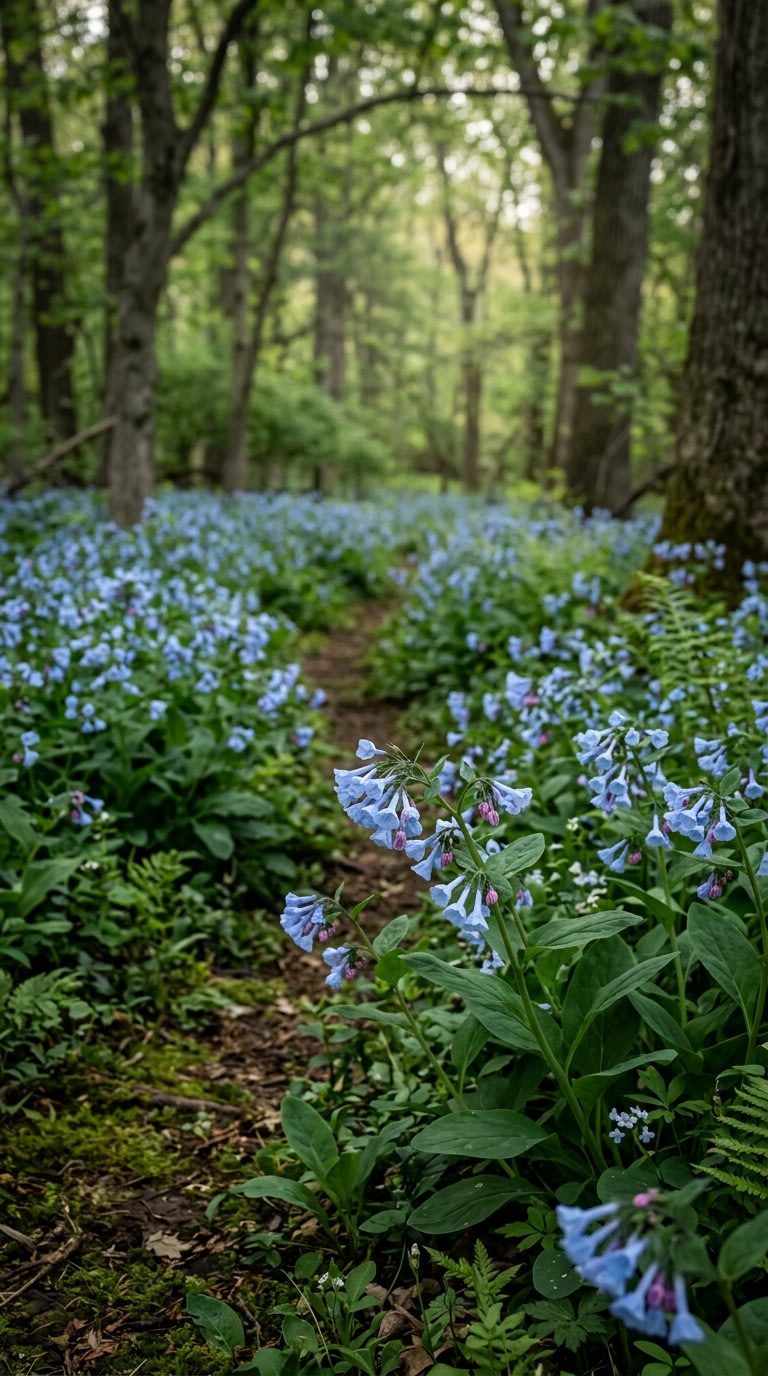
Virginia Bluebells (Mertensia virginica) are enchanting spring bloomers that bring a burst of soft blue color to woodland gardens. These native wildflowers thrive in moist, well-drained soils and are tolerant of partial to full shade. Their nodding, bell-shaped flowers create a captivating display that often attracts pollinators like bees and butterflies.
To maximize their beauty, plant Virginia Bluebells in clusters where they can naturalize and spread over time. They pair beautifully with other spring ephemerals, such as Trillium and Bloodroot, creating a harmonious blend of color and texture. Once their blooms fade, the foliage remains attractive and can help suppress weeds in your garden.
In addition to their aesthetic appeal, Virginia Bluebells contribute to local ecosystems by providing vital food sources for early-season pollinators. Their ability to thrive in shaded areas makes them an ideal choice for gardeners looking to create a serene, woodland-like environment. Incorporating these delicate beauties will enhance your garden’s diversity and seasonal interest.
15. The Graceful Sweetfern

Sweetfern (Comptonia peregrina) is a unique native shrub that provides not only beauty but also ecological benefits in a variety of garden settings. Its finely textured, fern-like leaves offer a delicate appearance, while the plant is known for its sweet, aromatic scent when crushed. Sweetfern thrives in poor, sandy soils, making it an excellent choice for low-maintenance gardens.
This adaptable shrub can be used in borders, mass plantings, or as a natural ground cover. It grows best in full sun to partial shade and can tolerate drought conditions, making it a suitable option for sustainable landscaping. Consider planting Sweetfern alongside other native plants to create a cohesive and wildlife-friendly environment.
In addition to its ornamental value, Sweetfern plays a role in soil stabilization and improvement, helping to prevent erosion. Its ability to attract beneficial insects and support local wildlife makes it a valuable addition to any garden. Incorporating Sweetfern into your landscape not only enhances its beauty but also contributes positively to the local ecosystem.
Frequently Asked Questions
Why should I choose native plants for my garden?
Choosing native plants is essential for creating a sustainable garden that benefits the local ecosystem. Native plants are adapted to the local climate, soil, and wildlife, which makes them more resilient and easier to care for compared to non-native species. They require less water, fewer fertilizers, and pesticides, leading to lower maintenance costs and a healthier garden.
Additionally, native plants support local wildlife, including pollinators such as bees and butterflies, by providing essential food and habitat. This fosters biodiversity and helps maintain ecological balance. By selecting native species, you are not only enhancing your garden’s beauty but also contributing positively to the environment.
How can I incorporate native plants into my existing garden?
Incorporating native plants into your existing garden can be done gradually and thoughtfully. Start by identifying areas where native plants can thrive, such as sunny borders, shady spots, or damp areas. Research which native species are best suited for your local climate and soil conditions, and choose a mix of perennials, shrubs, and grasses for variety.
Consider replacing non-native or invasive species with native alternatives to enhance your garden’s ecological value. You can also create a pollinator garden by clustering native flowering plants to attract bees and butterflies. Over time, as you introduce more native species, your garden will transform into a vibrant and sustainable ecosystem.
When is the best time to plant native plants?
The best time to plant native plants depends on the specific species and local climate. Generally, spring and fall are the ideal seasons for planting, as the weather conditions are milder, and the soil is typically moist. In spring, plants can establish their roots before the heat of summer, while fall planting allows them to become established before winter.
It’s important to research the specific planting times for the native species you choose, as some may have unique requirements. Additionally, consider local weather patterns and soil conditions to ensure your plants have the best chance for successful establishment.
Do native plants require special care?
Native plants typically require less care than non-native species, as they are adapted to thrive in local conditions. However, some basic care is still necessary to ensure their success. It’s important to research the specific needs of the native plants you choose, including sunlight, soil type, and moisture levels.
During their establishment phase, native plants may need regular watering, especially in dry periods. Once established, they usually become drought-tolerant and require minimal maintenance. Periodic pruning, deadheading spent flowers, and removing invasive species can help maintain a healthy garden. Overall, the low-maintenance nature of native plants makes them an excellent choice for busy gardeners.
Can I grow native plants in containers?
Yes, many native plants can be successfully grown in containers, making them a versatile choice for gardeners with limited space or those looking to add greenery to patios and balconies. When selecting native plants for containers, choose species that are suited for the pot size and can thrive in confined spaces.
Ensure that the containers have proper drainage holes and use high-quality potting soil to provide the necessary nutrients. Additionally, consider the light requirements of the plants you choose and place the containers accordingly. Native plants in containers not only beautify outdoor spaces but also create opportunities to support local wildlife, even in urban settings.
Incorporating keystone native plants into your garden not only enhances its beauty but also supports local ecosystems and fosters biodiversity. By choosing species that thrive in your region, you can create a sustainable and low-maintenance landscape that attracts pollinators, birds, and beneficial insects. These plants are resilient, adaptable, and provide essential habitat for wildlife, making them a smart choice for any gardener.
As you explore the wonderful world of native gardening, consider starting with a few of the featured plants in this article. By gradually integrating these species into your outdoor space, you will be taking meaningful steps toward creating a vibrant and ecologically sound garden. Embrace the beauty and benefits of native plants and watch your garden flourish for years to come.