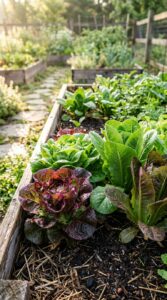
Gardening with native plants offers an incredible opportunity for both beauty and sustainability in your outdoor living spaces. Native plants are adapted to the local climate and soils, requiring less water and maintenance, while providing essential habitat for local wildlife, such as pollinators. By incorporating these plants into your garden, you not only create a stunning landscape but also contribute to the conservation of local ecosystems.
In this article, we will explore 15 keystone native plants that every US gardener should consider growing. These selections are not only visually striking but also play crucial roles in their ecosystems, supporting various forms of wildlife while thriving in their natural habitat. Whether you have a sprawling yard or a small urban garden, these plants can enhance your space’s charm and ecological value, making your garden a true sanctuary of biodiversity.
1. Echinacea: The Resilient Coneflower

Echinacea, commonly known as coneflower, is a must-have native plant for any garden. This perennial thrives in well-drained soil and full sun, making it an ideal choice for gardeners across various regions. Not only does it produce stunning, daisy-like flowers in shades of purple, pink, and white, but it also attracts beneficial pollinators such as bees and butterflies.
Plant Echinacea in clumps for a more natural look and to enhance its ability to attract wildlife. It’s a low-maintenance plant that requires minimal watering once established, allowing you to enjoy a beautiful garden without extensive upkeep. Additionally, the dried seed heads offer winter interest and food for birds, making it a year-round asset in your garden.
When planning your garden layout, consider pairing Echinacea with other native plants like Rudbeckia and Monarda for a stunning, colorful display. This combination not only provides visual appeal but also supports local ecosystems, enriching the biodiversity of your outdoor space.
2. Rudbeckia: The Golden Black-Eyed Susan

Rudbeckia, or black-eyed Susan, is a staple in many gardens thanks to its bright yellow petals and dark centers. This hardy perennial thrives in a variety of soil types and is particularly drought-resistant, making it perfect for low-maintenance gardens. Rudbeckia blooms from summer into fall, providing a long-lasting burst of color that attracts pollinators and serves as a striking focal point in any garden.
Plant these cheerful flowers in groups for a more dramatic impact, and they will thrive in full sun. They are versatile and can be used in borders, meadows, or cutting gardens, adding both beauty and function to your outdoor space. With their ability to tolerate poor soil conditions, they can fill in areas where other plants might struggle.
Consider pairing Rudbeckia with taller plants like Joe Pye Weed for added height and contrast. This combination not only enhances the aesthetic appeal but also supports a diverse range of wildlife, ensuring that your garden becomes a sanctuary for local pollinators and birds.
3. Monarda: The Fragrant Bee Balm

Monarda, commonly known as bee balm, is not only a visual delight but also a fragrant addition to any garden. This native plant is renowned for its clusters of tubular flowers that come in shades of red, pink, and purple, attracting bees, butterflies, and hummingbirds. Monarda thrives in rich, moist soil and partial shade, making it a versatile option for shaded areas of your garden.
Beyond its beauty, bee balm serves as a medicinal herb, historically used for its soothing properties. Plant it in large groups to create a stunning display, and don’t hesitate to cut back spent blooms to encourage further flowering and maintain a tidy appearance. Its aromatic foliage can also be used in teas and culinary dishes, adding functionality to its ornamental value.
For an eye-catching combination, pair Monarda with other native plants like Echinacea and Aster. This mix not only provides a continuous bloom throughout the growing season but also supports a thriving ecosystem, ensuring your garden is a sanctuary for various pollinators.
4. Asclepias: The Essential Milkweed

Asclepias, or milkweed, is a crucial plant for supporting Monarch butterfly populations, making it a vital addition to any garden. Its unique flowers, which can be pink, orange, or white, bloom throughout the summer, attracting not only butterflies but also a myriad of other pollinators. Milkweed prefers well-drained soils and full sun, making it ideal for sunny borders and meadows.
Planting Asclepias in clusters enhances its visual impact and provides a reliable food source for butterflies during their migration. Additionally, the plant has a deep taproot that helps it resist drought, ensuring its longevity and resilience. It’s also a host plant for caterpillars, creating a complete ecosystem within your garden.
To create a stunning visual display, combine milkweed with other native perennials like Rudbeckia and Echinacea. This combination not only supports local wildlife but also provides a vibrant, colorful garden that changes with the seasons, ensuring your outdoor space is alive with activity.
5. Aster: The Late-Season Star

Aster is a charming native perennial that brings a burst of color to the late summer and fall garden. With a variety of species offering blooms in shades of blue, purple, and white, Aster is a favorite among gardeners looking to extend the flowering season. Thriving in both sunny and partially shaded areas, these adaptable plants can fit into many garden designs.
Asters are excellent for attracting butterflies and other pollinators, making them a vital component of any wildlife-friendly garden. They are relatively low-maintenance, requiring well-drained soil and occasional watering during dry spells. When planted in groups, they create a stunning display that can serve as a focal point or a colorful backdrop.
To enhance your garden’s appeal, consider combining Aster with fall-blooming plants like Sedum or ornamental grasses. This blend not only provides a colorful spectacle but also supports local wildlife, ensuring your garden remains vibrant and engaging even as the seasons change.
6. Solidago: The Goldenrod Wonder

Solidago, or goldenrod, is a stunning native plant that flourishes in meadows and prairies, characterized by its tall, golden flower spikes. This perennial is known for its late summer to fall blooms, providing a vital source of nectar for pollinators when many other flowers have faded. Goldenrod is adaptable to various soil types and can thrive in both full sun and partial shade, making it a versatile addition to any garden.
Planting Solidago in clusters creates a striking visual impact while attracting bees, butterflies, and other beneficial insects. It is also a low-maintenance plant that tolerates drought once established, allowing you to enjoy a vibrant garden with minimal effort. Its dense foliage provides shelter for various wildlife, enhancing the ecological value of your space.
To create a beautiful display, consider planting Solidago alongside Aster and other late-blooming natives. This combination not only creates a colorful panorama but also supports a thriving ecosystem, ensuring that your garden is a bustling hub of life all season long.
7. Cornus: The Elegant Dogwood

Cornus, or dogwood, is a versatile shrub that adds structure and beauty to any landscape. Known for its stunning flowers in spring and vibrant foliage in the fall, dogwoods are a favorite among gardeners looking to create a multi-season garden. They thrive in well-drained soil and can adapt to a variety of light conditions, from full sun to partial shade.
Plant Cornus as a standalone specimen or as part of a mixed border to create visual interest throughout the year. The white or pink blooms in spring are followed by attractive berries that feed birds and other wildlife. In the fall, the leaves turn a brilliant red, providing a striking contrast against the garden’s backdrop.
To enhance their aesthetic appeal, consider pairing dogwoods with other native flowering plants like Aster and Echinacea. This combination not only showcases the beauty of each plant but also supports local ecosystems, ensuring your garden is a vibrant and inviting space for both humans and wildlife.
9. Echinacea: The Resilient Coneflower

Echinacea, commonly known as coneflower, is a stunning addition to any garden, celebrated for its vibrant flowers and adaptability. This native perennial thrives in well-drained soil and can handle drought conditions, making it a low-maintenance choice for gardeners. With its striking purple petals and prominent central cone, Echinacea attracts not only the eye but also pollinators like bees and butterflies, enhancing biodiversity in your outdoor space.
Plant Echinacea in clusters for a dramatic visual impact and to maximize its appeal to pollinators. These plants prefer full sun but can tolerate partial shade, so choose a location that receives adequate sunlight throughout the day. Deadheading spent blooms will encourage a longer flowering period, typically from mid-summer to early fall, providing continuous color in your landscape.
In addition to its beauty, Echinacea has medicinal properties, often used for its immune-boosting effects. Consider incorporating this versatile plant into your garden not just for its aesthetic value, but also for its various benefits to wildlife and human health alike.
10. Rudbeckia: The Cheerful Black-Eyed Susan

Rudbeckia, popularly known as black-eyed Susan, is a hardy perennial that radiates warmth and cheer in any garden. With its bright yellow petals and dark brown center, this plant is a favorite among gardeners for its vibrant color and long blooming season from summer to fall. Rudbeckia thrives in full sun and can tolerate a variety of soil types, making it a versatile choice for different landscapes.
For best results, plant black-eyed Susans in clusters to create a striking display, which also helps in attracting beneficial insects. This native wildflower is drought-tolerant once established, requiring minimal watering and care. To extend their blooming period, regularly deadhead the flowers and consider cutting back the foliage in late fall or early spring.
In addition to their visual appeal, black-eyed Susans are excellent for pollinator gardens, offering nectar to butterflies and bees. Their ability to self-seed means they can naturalize in your garden, creating a lush, perennial display with little effort. Incorporate Rudbeckia into your landscape for vibrant color and environmental benefits.
11. Calamagrostis: The Elegant Feather Reed Grass

Calamagrostis, or feather reed grass, is an elegant ornamental grass that adds texture and movement to gardens. Known for its graceful, feathery flower spikes that sway gently in the breeze, this perennial grass can reach heights of 3 to 5 feet, making it an excellent choice for creating vertical interest in landscape designs. Its upright growth habit and ability to thrive in poor soil conditions make it a versatile addition to native gardens.
Plant Calamagrostis in clumps to create a striking backdrop or as a standalone feature in your garden. It performs best in full sun to partial shade and is drought-tolerant once established. These grasses are also resilient in winter, offering visual interest even in colder months when their plumes take on a frosted appearance.
Incorporate feather reed grass into your landscape for a low-maintenance option that requires little care. The plumes can be used in dried arrangements and provide habitat for birds and small wildlife. Their stunning beauty and functional benefits make Calamagrostis a must-have in any native planting scheme.
12. Heuchera: The Colorful Coral Bells

Heuchera, or coral bells, is a stunning perennial known for its captivating foliage and delicate flowers. Available in a wide range of colors, from deep plum to bright chartreuse, Heuchera adds year-round interest to gardens without requiring extensive care. This shade-loving plant thrives in partial to full shade, making it an ideal choice for under trees or in shady corners of your landscape.
When planting Heuchera, be sure to incorporate organic matter into the soil to help retain moisture and improve drainage. Regular watering during dry spells will promote healthy growth and vibrant colors. Heuchera’s tiny bell-shaped flowers, which bloom in late spring to early summer, are also a magnet for pollinators, making them a great addition to wildlife-friendly gardens.
With its versatility and beauty, Heuchera can be used effectively in mixed borders, as ground cover, or in container gardens. Its unique leaf shapes and colors can provide contrast against other plants, enhancing the overall design of your outdoor space. Embrace the charm of coral bells for a striking yet easy-care garden feature.
13. Verbena: The Pollinator Magnet

Verbena is a delightful flowering plant that attracts pollinators while providing a splash of color in your garden. Known for its vibrant clusters of small blooms, Verbena thrives in sunny locations and is drought-tolerant, making it an excellent choice for low-maintenance gardens. Its long flowering period stretches from late spring through fall, which means your garden will be alive with color for months.
When planting Verbena, ensure it is in well-draining soil and receives at least six hours of sunlight each day. These plants can be included in borders, container gardens, or as ground cover. Regular deadheading will encourage more blooms and keep the plants looking tidy throughout the growing season.
Verbena’s ability to attract bees, butterflies, and hummingbirds makes it a fantastic addition to any wildlife garden. Its charming flowers create a lively, inviting atmosphere, enhancing the beauty of your landscape while supporting local ecosystems. Consider incorporating Verbena into your garden for a vibrant, pollinator-friendly option.
14. Amsonia: The Elegant Blue Star

Amsonia, also known as blue star, is a lesser-known gem that deserves a spot in every native garden. With its unique star-shaped blue flowers and striking fall foliage, Amsonia offers multi-season interest that captivates garden enthusiasts. This perennial thrives in well-drained soil and prefers full sun to partial shade, making it versatile for various garden settings.
To plant Amsonia, prepare a spot that allows for good air circulation and drainage. Regular watering is essential during its establishment phase, but once established, this plant is drought-tolerant. In late spring, the delicate blue flowers emerge, attracting bees and butterflies, while the leaves turn a beautiful golden-yellow in the fall, creating a stunning seasonal display.
Amsonia pairs beautifully with other native plants and can be used effectively in borders or as a focal point in garden designs. Its resilience and ability to thrive in adverse conditions make it an excellent choice for low-maintenance landscapes. By incorporating Amsonia, you not only enhance the beauty of your garden but also support local wildlife and promote biodiversity.
Frequently Asked Questions
Why are native plants important for gardens?
Native plants play a crucial role in supporting local wildlife and maintaining healthy ecosystems. They are adapted to the local climate and soil conditions, requiring less water and maintenance compared to non-native species. Additionally, native plants provide essential habitats for pollinators, birds, and other wildlife, promoting biodiversity in your garden.
Incorporating native plants can also enhance the beauty of your garden while reducing the need for chemical fertilizers and pesticides. By choosing native species, gardeners can create sustainable landscapes that benefit both the environment and their outdoor living spaces. This approach not only supports local wildlife but also contributes to the overall health of the ecosystem.
How do I choose the right native plants for my garden?
Choosing the right native plants for your garden involves considering several factors, including your local climate, soil type, and sunlight availability. Start by researching native plants that are well-suited to your region, as different areas have unique plant communities. Local extension services or native plant societies can provide valuable resources and recommendations.
Once you have a list of suitable plants, consider their growth habits, bloom times, and maintenance needs to create a diverse and visually appealing garden. Combining plants with varying heights, colors, and textures will enhance the overall aesthetic while ensuring a thriving ecosystem that attracts beneficial wildlife.
What maintenance do native plants require?
Native plants generally require less maintenance than non-native species, making them an ideal choice for busy gardeners. Once established, many native plants are drought-tolerant and can thrive with minimal watering. However, regular maintenance includes occasional weeding, deadheading spent blooms, and pruning to promote healthy growth.
It’s also beneficial to monitor for pests or diseases, although native plants are often more resilient to local pests compared to non-natives. Incorporating a mulch layer around your native plants can help suppress weeds and retain moisture, further reducing the need for extensive maintenance.
Can I grow native plants in containers?
Yes, many native plants can thrive in containers, making them a great option for urban gardens or small outdoor spaces. When selecting plants for containers, choose species that are well-suited for pot culture and consider their growth habits to ensure they have enough space to thrive. Be sure to use a high-quality potting mix and provide adequate drainage to prevent waterlogging.
Container gardening with native plants allows you to create a mobile garden that can be rearranged or moved to suit changing light conditions. Additionally, using native plants in containers can help attract local pollinators to your outdoor space, enriching the biodiversity of your garden.
How can I support pollinators in my garden?
Supporting pollinators in your garden can be achieved by planting a diverse array of native flowering plants that bloom at different times throughout the growing season. This ensures that pollinators have a consistent food source from spring to fall. Avoid using chemical pesticides and herbicides, as these can harm beneficial insects.
Creating habitats for pollinators, such as leaving some areas of your garden untidy with native grasses or wildflowers, can also provide nesting sites. Providing water sources, such as shallow dishes filled with pebbles and water, can further attract and support pollinator populations, enhancing the ecological value of your garden.
Incorporating keystone native plants into your garden is a rewarding endeavor that benefits not only your outdoor living space but also the local ecosystem. These plants are not only beautiful but also play a vital role in supporting wildlife, improving biodiversity, and reducing maintenance needs. By choosing plants adapted to your region, you can create a sustainable garden that flourishes year-round.
As you explore the various native plants highlighted in this article, consider how each can complement your garden’s design and contribute to a healthier environment. Start planning your native plant garden today and enjoy the beauty and benefits these plants bring to your landscape.