1. Rustic Cottage Garden: Embrace Charm with Perennials and Trellises

Rustic Cottage Garden: Embrace Charm with Perennials and Trellises
Creating a rustic cottage garden is a delightful way to embrace nature’s beauty while adding charm to your outdoor space. This style combines an abundance of perennials with the enchanting appeal of trellises, making your garden a serene retreat. Here’s how to get started.
Choosing the Right Perennials
Begin by selecting perennials that thrive in your climate. Opt for lavender, echinacea, and black-eyed Susans for vibrant colors and low maintenance. These flowers not only attract pollinators but also provide a continuous bloom throughout the seasons.
Building Your Trellis
A key feature of a rustic cottage garden is the trellis, which can support climbing plants like sweet peas or climbing roses. To construct a simple trellis:
- Gather materials: choose untreated wood or bamboo for a natural look.
- Measure and cut your materials to your desired height and width.
- Assemble the trellis using screws or nails for durability.
- Secure it in the ground where your climbing plants will thrive.
Expert Tips and Common Mistakes
When designing your garden, avoid overcrowding plants, which can lead to poor air circulation and disease. Instead, practice spacing for optimal growth. Additionally, remember to incorporate companion planting to enhance plant health and deter pests.
Best Practices for a Flourishing Garden
Regularly deadhead your perennials to encourage new blooms and keep an eye on soil moisture. Mulching around your plants not only retains moisture but also suppresses weeds, allowing your rustic cottage garden to flourish.
By following these expert guidelines, you’ll create a stunning rustic cottage garden that embodies charm and tranquility, showcasing the beauty of perennials and trellises in perfect harmony.
2. Modern Minimalist Garden: Clean Lines and Low-Maintenance Plants

Modern Minimalist Garden: Clean Lines and Low-Maintenance Plants
Creating a modern minimalist garden involves embracing simplicity, functionality, and a sleek aesthetic. This style is characterized by clean lines, open spaces, and the strategic use of low-maintenance plants that enhance the overall design without overwhelming it.
Choosing the Right Plants
- Succulents: Ideal for their architectural shapes and low water needs.
- Ornamental Grasses: These provide movement and texture with minimal upkeep.
- Native Perennials: Choose species that thrive in your local climate to reduce maintenance.
To start, select a few focal plants and arrange them in clusters for visual impact. Aim for a limited color palette, typically greens and whites, to maintain a cohesive look.
Designing Your Space
- Plan Your Layout: Use geometric shapes to define garden beds and pathways.
- Incorporate Hardscaping: Include materials like gravel, concrete, or stone for structure.
- Add Functional Features: Consider benches or raised beds that blend with the minimalist aesthetic.
Expert Tips and Common Mistakes
To achieve a successful modern minimalist garden:
- Limit plant variety to avoid clutter.
- Ensure proper spacing to allow each plant to shine.
- Regularly maintain the garden to prevent overgrowth, which can disrupt the clean lines.
By following these guidelines, you’ll create a chic, low-maintenance garden that not only looks stunning but also reflects your personal style. Embrace the tranquility of a modern minimalist garden and enjoy the beauty of simplicity!
3. Zen Japanese Garden: Create Serenity with Stones and Water Features

Zen Japanese Garden: Create Serenity with Stones and Water Features
Transform your outdoor space into a tranquil haven with a Zen Japanese garden that emphasizes harmony through stones and water features. This guide will provide you with expert-level gardening advice to help you create your serene escape.
Design Principles of a Zen Garden
Start by understanding the fundamental principles of Japanese garden design, which focus on simplicity, natural elements, and asymmetry. Incorporate gravel or sand for raked patterns that symbolize water. Use rocks and boulders to represent mountains and islands, enhancing the garden’s depth.
Step-by-Step Guide to Creating Your Zen Garden
- Choose a Location: Select a quiet area in your yard with partial shade.
- Prepare the Ground: Clear the space of debris and weeds. Level the soil for a smooth base.
- Add Stones: Place irregularly shaped rocks in groups of three or five to create visual interest.
- Incorporate Water Features: Consider adding a small pond or a fountain. The gentle sound of running water promotes relaxation.
- Plant Wisely: Use low-maintenance plants like moss and Japanese maples for added greenery.
Common Mistakes to Avoid
- Overcrowding: Keep the garden uncluttered to promote tranquility.
- Ignoring Scale: Use stones and plants that are proportional to your space.
- Lack of Maintenance: Regularly rake the gravel and prune plants to maintain order.
Gardening Best Practices
To enhance your Zen garden experience, consider incorporating lighting for evening tranquility and using natural materials for pathways. Remember, the key to a successful Zen garden lies in its peaceful simplicity and harmony with nature.
By following these expert tips, you can create a beautiful Zen Japanese garden, offering a serene escape right in your backyard.
4. Tropical Paradise Garden: Use Exotic Plants and Bold Colors

Tropical Paradise Garden: Use Exotic Plants and Bold Colors
Transform your outdoor space into a Tropical Paradise Garden by incorporating exotic plants and vibrant colors. This gardening trend not only enhances visual appeal but also creates a serene escape right at home.
Choosing Exotic Plants
Start by selecting plants native to tropical climates. Consider the following:
- Bird of Paradise: With its striking orange and blue flowers, it adds a dramatic flair.
- Hibiscus: Available in various colors, they deliver a vibrant tropical feel.
- Ornamental Banana: Large, lush leaves create a lush backdrop.
Bold Color Combinations
Utilize bold colors to make your garden pop. Pair deep purples with bright yellows or fiery reds. This contrast not only attracts attention but also brings life to your garden.
Step-by-Step Planting Guide
- Prepare the Soil: Ensure well-draining soil enriched with organic matter.
- Plan Your Layout: Arrange plants based on height and color for visual impact.
- Planting: Dig holes twice the width of the root ball, place your plants, and water thoroughly.
Expert Tips and Common Mistakes
To maintain your Tropical Paradise Garden, consider these best practices:
- Water regularly, especially during dry spells.
- Use mulch to retain moisture and suppress weeds.
- Avoid over-fertilizing; it can harm sensitive tropical plants.
By following these steps, you can create an exotic retreat that thrives. Embrace the bold colors and diverse textures, and watch your garden flourish!
5. Mediterranean Garden: Drought-Tolerant Plants for Sunny Spaces

Mediterranean Garden: Drought-Tolerant Plants for Sunny Spaces
Creating a Mediterranean garden is an excellent way to embrace vibrant aesthetics while promoting sustainability. With a focus on drought-tolerant plants, you can cultivate a stunning outdoor space that thrives under the sun with minimal water. Here are some expert-level tips to get you started.
Choosing the Right Plants
When selecting plants for your Mediterranean garden, consider these hardy options:
- Lavender: Known for its aromatic flowers and resilience, lavender thrives in well-drained soil and requires little water once established.
- Sage: This perennial herb not only adds flavor to your kitchen but also flourishes in dry environments.
- Agave: With its striking form, agave is a low-maintenance succulent that requires minimal watering.
- Olive Trees: Perfect for sunny spaces, these trees are drought-resistant and add an authentic Mediterranean feel to your garden.
Best Practices for Planting
Follow these steps for successful Mediterranean gardening:
- Site Selection: Choose a sunny location with well-draining soil.
- Soil Preparation: Amend the soil with organic matter to improve drainage and nutrient availability.
- Planting: Space plants appropriately to promote airflow and reduce disease risk.
- Mulching: Apply a layer of mulch to conserve moisture and suppress weeds.
Avoiding Common Mistakes
To ensure your Mediterranean garden flourishes, avoid these pitfalls:
- Overwatering: Drought-tolerant plants thrive on minimal water, so allow the soil to dry out between watering.
- Poor drainage: Ensure planting areas have proper drainage to prevent root rot.
- Neglecting sunlight: Most Mediterranean plants require full sun; make sure to plant them in well-lit areas.
By incorporating these techniques and choosing the right drought-tolerant plants, your Mediterranean garden will not only be beautiful but also sustainable. Embrace current gardening trends by creating a low-maintenance landscape that showcases the best of sunny spaces.
6. Vertical Garden: Maximize Space with Climbing Vines and Wall Planters

Vertical Garden: Maximize Space with Climbing Vines and Wall Planters
Creating a vertical garden is an excellent way to maximize your space while adding beauty and functionality to your outdoor or indoor area. By utilizing climbing vines and wall planters, you can transform any bare wall into a lush, green retreat.
Choosing the Right Climbing Vines
Selecting the right climbing vines is crucial for a thriving vertical garden. Consider these popular options:
- Sweet Peas: These fragrant flowers not only climb quickly but also add vibrant color.
- Morning Glory: Known for their rapid growth, these vines can easily cover a trellis or wall.
- Honeysuckle: A perennial favorite, honeysuckle attracts pollinators and provides stunning blooms.
Installing Wall Planters
To create an effective vertical garden, follow these simple steps:
- Select a Wall: Choose a sunny location that receives at least 6 hours of sunlight daily.
- Install Planters: Use wall-mounted planters or repurpose wooden pallets to create planting spaces.
- Prepare Soil: Use high-quality potting mix enriched with organic matter to ensure proper drainage and nutrients.
- Planting: Arrange your climbing vines at the base of the wall, allowing them to ascend as they grow.
Expert Tips and Common Mistakes
To ensure your vertical garden flourishes, avoid these common pitfalls:
- Overcrowding: Give each plant enough space to grow to prevent competition for nutrients.
- Neglecting Watering: Vertical gardens can dry out quickly; ensure consistent watering, especially in warmer months.
- Ignoring Structural Support: Ensure your climbing vines have adequate support as they grow to prevent damage to walls.
By following these best practices and incorporating current trends in garden DIY, you can create a stunning vertical garden that maximizes your available space. Happy gardening!
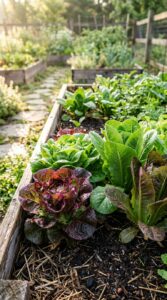
7. Edible Landscape: Combine Aesthetics with Herbs and Veggies

Edible Landscape: Combine Aesthetics with Herbs and Veggies
Creating an edible landscape is a fantastic way to marry beauty with functionality in your garden. By incorporating herbs and vegetables into your landscaping, you can enjoy fresh produce while enhancing your outdoor aesthetic. Here’s how to get started with expert-level gardening advice.
Choosing the Right Plants
Select a variety of herbs and vegetables that not only thrive in your climate but also complement your garden’s design. Consider planting:
- Basil and oregano for vibrant green foliage.
- Swiss chard with its colorful stems.
- Tomatoes trained on trellises for vertical interest.
Designing Your Space
When planning your edible landscape, think about:
- Layering plants for visual depth.
- Using raised beds for easy access and aesthetic appeal.
- Incorporating pathways that allow for easy maintenance.
Best Practices for Maintenance
Keep your edible garden thriving with these expert tips:
- Implement companion planting to deter pests.
- Water consistently, especially during dry spells.
- Mulch around plants to retain moisture and suppress weeds.
Avoiding Common Mistakes
New gardeners often make these mistakes:
- Overcrowding plants—allow space for growth.
- Neglecting soil health—amend your soil with organic matter.
- Ignoring sunlight requirements—ensure your plants get adequate light.
By following these guidelines, you can successfully create a stunning and productive edible landscape. This approach not only enriches your garden but also provides delicious homegrown produce right at your doorstep.
8. Wildflower Meadow Garden: Attract Pollinators with Native Species

Creating a Wildflower Meadow Garden: Attract Pollinators with Native Species
A wildflower meadow garden is not only a beautiful addition to your landscape but also a vital habitat for pollinators. Utilizing native species in your garden setup can significantly enhance biodiversity, attracting bees, butterflies, and other beneficial insects. Here’s how to create a thriving wildflower meadow that supports these essential creatures.
Step-by-Step Guidance
- Select the Right Location: Choose a sunny spot with well-drained soil. Pollinators thrive in areas that receive at least six hours of sunlight daily.
- Prepare the Soil: Remove existing grass and weeds. Till the soil to a depth of 12 inches and mix in organic compost to enrich it.
- Choose Native Wildflowers: Opt for species such as Black-eyed Susans, Purple Coneflower, and Butterfly Weed. These plants are adapted to your local climate and soil.
- Seed Sowing: Mix seeds with sand for even distribution and scatter them over the prepared area. Lightly rake the soil to ensure seeds make contact.
- Watering: Water the area gently, keeping the soil moist until seeds germinate. Avoid overwatering, as it can lead to seed rot.
Gardening Best Practices
- Conduct a soil test to ensure optimal pH levels for your chosen plants.
- Mulch around plants to retain moisture and suppress weeds.
- Practice seasonal maintenance by mowing once a year in late fall to promote healthy growth.
Avoid Common Mistakes
Many gardeners overlook the importance of local native species. Not all wildflowers are suitable for your region, which can hinder pollinator attraction. Additionally, avoid using pesticides, as they can be harmful to beneficial insects.
Incorporating a wildflower meadow garden not only enhances aesthetics but also supports the ecosystem. By following these expert tips and avoiding common pitfalls, you can create a flourishing garden that attracts pollinators and promotes biodiversity.
9. Shady Woodland Garden: Design with Ferns and Shade-Tolerant Blooms

Creating a Shady Woodland Garden with Ferns and Shade-Tolerant Blooms
Designing a shady woodland garden can transform your outdoor space into a serene retreat. By incorporating ferns and shade-tolerant blooms, you can create a lush, vibrant atmosphere that thrives in low-light conditions. Here’s how to get started.
Choosing the Right Plants
Ferns are the backbone of any shady garden. Popular varieties include:
- Japanese Painted Fern – Known for its striking silver and green foliage.
- Lady Fern – A classic choice with graceful fronds.
- Ostrich Fern – Ideal for larger areas, providing a bold texture.
For blooms, consider:
- Astilbe – Offers feathery flowers in various colors.
- Hostas – Great for foliage and produce lovely flowers.
- Trillium – A native wildflower that adds elegance.
Step-by-Step Gardening Guidance
- Site Assessment: Identify the shady areas of your garden. Observe how much sunlight these spots receive throughout the day.
- Soil Preparation: Ensure rich, well-draining soil. Amend the soil with organic matter such as compost to improve fertility.
- Planting: Arrange ferns and shade-tolerant blooms in clusters for visual impact. Aim for a mix of heights and textures for added interest.
- Mulching: Apply a 2-3 inch layer of organic mulch to retain moisture and suppress weeds.
Common Mistakes to Avoid
While creating your woodland garden, be mindful of these common pitfalls:
- Overcrowding plants, which can lead to competition for nutrients.
- Neglecting watering; even shade plants need consistent moisture.
- Forgetting to consider seasonal interest; choose plants that bloom at different times.
Best Practices
To maintain a thriving shady woodland garden, follow these expert tips:
- Regularly check for pests and diseases.
- Rotate your plants every few years to maintain soil health.
- Incorporate ground covers like sweet woodruff or creeping thyme to fill in gaps.
By embracing the beauty of ferns and shade-tolerant blooms, your woodland garden can flourish with minimal sunlight. With thoughtful planning and diligent care, you can create a tranquil oasis in your backyard.
10. Formal Garden: Structure and Symmetry with Boxwood Hedges

Creating a Formal Garden: Structure and Symmetry with Boxwood Hedges
A formal garden is characterized by its structured layout and symmetrical design, making it a timeless choice for any landscape. Incorporating boxwood hedges is a staple in achieving this aesthetic, offering a low-maintenance option that adds elegance and definition to your garden space.
Steps to Create Your Formal Garden
- Plan Your Layout: Start by sketching your garden. Use geometric shapes for paths and planting beds to ensure symmetry.
- Select Boxwood Varieties: Choose the right boxwood for your climate. Common varieties include Buxus sempervirens and Buxus microphylla.
- Prepare the Soil: Ensure well-draining soil enriched with organic matter. Boxwoods thrive in slightly acidic to neutral pH.
- Planting: Space your boxwoods appropriately (2-3 feet apart) to allow for growth. Dig a hole twice the width of the root ball.
- Prune Regularly: Maintain the desired shape by pruning your boxwoods at least once a year, ideally in late spring.
Expert Gardening Tips
- Water boxwoods deeply but infrequently. This encourages deep root growth.
- Mulch around the base to retain moisture and suppress weeds.
Common Gardening Mistakes to Avoid
Many gardeners neglect proper spacing, leading to overcrowding. Additionally, avoid excessive pruning, which can stunt growth and ruin the hedge’s shape.
Current Trends in Garden DIY
In 2023, sustainability and native plant integration are trending in formal gardens. Consider incorporating local flora alongside your boxwoods to enhance biodiversity and ecological health.
By following these expert tips and best practices, you can create a stunning formal garden that showcases structure and symmetry, all while enjoying the low-maintenance benefits of boxwood hedges.
11. Desert Xeriscape Garden: Water-Efficient Plants for Arid Conditions

Desert Xeriscape Garden: Water-Efficient Plants for Arid Conditions
Creating a desert xeriscape garden is an excellent way to embrace sustainable gardening in arid climates. This method not only conserves water but also showcases the beauty of drought-tolerant plants. Below, we outline essential steps and tips for establishing your own water-efficient garden.
Choosing the Right Plants
Start with selecting native and drought-resistant plants. Here are some excellent options:
- Succulents: Aloe vera and agave are stunning and require minimal water.
- Cacti: Varieties like the saguaro and barrel cactus add unique shapes.
- Perennials: Consider lavender and salvia for color and fragrance.
Designing Your Xeriscape
When designing your garden, follow these practical steps:
- Plan your layout: Group plants with similar water needs to optimize irrigation.
- Soil preparation: Amend the soil with organic matter to improve moisture retention.
- Irrigation system: Install a drip irrigation system to deliver water directly to the roots.
Expert Gardening Tips
To ensure your xeriscape garden thrives, keep these best practices in mind:
- Avoid overwatering, as many xeriscape plants are susceptible to root rot.
- Mulch around plants to reduce evaporation and suppress weeds.
- Regularly check soil moisture before watering to prevent unnecessary irrigation.
Common Mistakes to Avoid
Many gardeners fall into these traps:
- Using non-native plants that require more water.
- Neglecting proper spacing, leading to competition for resources.
- Forgetting to incorporate hardscaping elements like rocks and gravel to enhance aesthetics and reduce water loss.
By implementing these expert strategies, your desert xeriscape garden will flourish, making a stunning, low-maintenance landscape that conserves water and supports local wildlife.
12. Sustainable Permaculture Garden: Integrate Ecology and Food Production

Sustainable Permaculture Garden: Integrate Ecology and Food Production
Creating a sustainable permaculture garden is an innovative way to merge ecology with food production. This method emphasizes the synergy between plants, animals, and the environment, allowing for a self-sustaining ecosystem that yields healthy produce.
Step-by-Step Guide to Starting Your Permaculture Garden
- Design Your Layout: Begin by observing your garden space. Identify sun patterns, wind directions, and water drainage. Create zones that maximize space and resource efficiency.
- Choose Companion Plants: Select plants that support each other. For instance, intersperse nitrogen-fixing legumes with heavy feeders like tomatoes to enhance soil fertility.
- Implement Water Management: Use techniques such as swales or rain gardens to capture and utilize water efficiently. This reduces runoff and encourages groundwater recharge.
- Incorporate Perennial Crops: Incorporate perennial vegetables and herbs to reduce soil disturbance and provide year-round yields. Examples include asparagus and rhubarb.
Expert Tips and Common Mistakes
- Tip: Mulch regularly to suppress weeds and retain moisture.
- Mistake to Avoid: Over-reliance on chemical fertilizers can disrupt your garden’s natural balance. Opt for organic compost instead.
- Tip: Rotate crops annually to prevent soil depletion and pest build-up.
By following these best practices, you can create a thriving permaculture garden that not only produces food but also enhances local biodiversity. Embrace this sustainable approach and enjoy the fruits of your labor while contributing positively to the environment.
13. Romantic English Garden: Layered Blooms with Climbing Roses

Creating a Romantic English Garden with Layered Blooms and Climbing Roses
Designing a romantic English garden filled with layered blooms and climbing roses can transform your outdoor space into a picturesque retreat. This classic style emphasizes lush plantings, fragrant flowers, and a harmonious color palette, making it an ideal choice for gardeners seeking beauty and tranquility.
Step-by-Step Guidance for Your English Garden
Begin by selecting a variety of climbing roses, such as ‘New Dawn’ or ‘Eden’, known for their stunning blooms and vigorous growth. Plant these roses near trellises or arches to create vertical interest. Follow these steps for optimal results:
- Site Selection: Choose a sunny location (at least 6 hours of sun) with well-draining soil.
- Soil Preparation: Amend the soil with organic compost to enhance nutrients and drainage.
- Planting: Dig a hole twice the size of the root ball, ensuring the graft union sits above soil level.
- Watering: Water deeply after planting, and maintain consistent moisture during the growing season.
Layering for Depth
To achieve a lush, layered effect, incorporate perennials like lavender, delphiniums, and foxgloves around your climbing roses. This not only adds color but also attracts pollinators. Remember to:
- Plant taller perennials at the back and shorter ones in front for visibility.
- Consider seasonal blooms to ensure continuous color throughout the year.
Avoiding Common Mistakes
Many gardeners overlook proper spacing, which can lead to overcrowding and poor air circulation. Ensure each plant has adequate room to grow. Additionally, avoid planting in overly damp areas, as this can lead to root rot.
Final Thoughts
By following these expert tips and utilizing climbing roses in your design, you’ll cultivate a stunning romantic English garden. Embrace the current trend of layered blooms to create a vibrant, enchanting space that invites relaxation and admiration.
14. Butterfly Garden: Create Habitat with Nectar-Rich Flowers

Butterfly Garden: Create Habitat with Nectar-Rich Flowers
Creating a butterfly garden is an exciting DIY project that enhances your outdoor space while supporting local ecosystems. By incorporating nectar-rich flowers, you can attract a variety of butterfly species, providing them with food and habitat.
Choosing the Right Flowers
To build a successful butterfly garden, select a diverse range of nectar-rich flowers. Consider these expert-approved options:
- Milkweed: Essential for monarch butterflies.
- Lavender: Attracts a variety of pollinators.
- Echinacea (Coneflower): A resilient bloom that provides ample nectar.
- Butterfly Bush: Known for its fragrant spikes and butterfly allure.
Step-by-Step Planting Guide
Follow these steps to create your butterfly haven:
- Site Selection: Choose a sunny spot with at least 6 hours of sunlight.
- Soil Preparation: Ensure well-draining soil; amend it with organic compost.
- Planting: Space flowers about 12-18 inches apart to allow for growth.
- Watering: Water regularly, especially during dry spells, but avoid overwatering.
Avoiding Common Mistakes
To ensure the success of your butterfly garden, keep these common pitfalls in mind:
- Neglecting native plants which are crucial for local butterflies.
- Using pesticides that can harm both butterflies and beneficial insects.
- Overcrowding plants, which can limit air circulation and healthy growth.
Best Practices for a Thriving Butterfly Garden
Incorporate these best practices for optimal results:
- Rotate flowers seasonally for continuous bloom.
- Add host plants for caterpillars to complete the lifecycle.
- Provide shallow water sources for butterflies to drink.
By following these steps, you’ll create a vibrant butterfly garden filled with nectar-rich flowers, contributing to biodiversity and enhancing your gardening experience. Happy gardening!
15. Container Garden: Optimize Small Spaces with Versatile Planters

Container Garden: Optimize Small Spaces with Versatile Planters
Creating a container garden is an excellent way to optimize small spaces while adding beauty and functionality to your home. With the right planters and plants, you can transform balconies, patios, or even windowsills into lush green retreats. Here’s how to get started:
Choosing the Right Planters
When selecting containers, consider materials like ceramic, plastic, or metal, which offer durability and aesthetic appeal. Ensure your planters have drainage holes to prevent waterlogging, a common mistake among novice gardeners.
Step-by-Step Guide to Container Gardening
- Select Your Plants: Choose herbs, vegetables, or flowers that thrive in limited space. Popular options include cherry tomatoes, basil, or marigolds.
- Prepare the Soil: Use a high-quality potting mix enriched with organic matter for optimum growth. Avoid garden soil, which can compact and hinder root development.
- Planting: Position the plants according to their sunlight needs. Space them adequately to allow for air circulation and growth.
- Watering: Keep the soil consistently moist but not soggy. Regularly check the moisture level, especially in hot weather.
Expert Tips and Common Mistakes
- Avoid overcrowding your containers, as this can lead to competition for nutrients.
- Rotate your plants seasonally for a continuous harvest and to prevent pest buildup.
- Incorporate trellises for climbing plants to maximize vertical space.
By following these best practices, you can cultivate a thriving container garden that not only beautifies your small space but also yields fresh produce and fragrant herbs. Embrace this gardening trend and enjoy the fruits of your labor!
16. Rain Garden: Manage Stormwater with Native Wetland Plants

Rain Garden: Manage Stormwater with Native Wetland Plants
A rain garden is an eco-friendly landscaping solution designed to manage stormwater runoff while adding beauty to your garden. By utilizing native wetland plants, these gardens not only reduce erosion but also promote biodiversity, making them a popular choice for modern gardeners.
Step-by-Step Guide to Creating a Rain Garden
- Select the Location: Choose a low-lying area in your yard that naturally collects water. Avoid placing it too close to foundations or septic systems.
- Determine the Size: A rain garden should be approximately 10% of the size of the area draining into it. This ensures optimal absorption.
- Excavate the Area: Dig out the selected area to a depth of 6-12 inches, creating a bowl shape that allows for water retention.
- Soil Preparation: Mix native soil with compost to enhance drainage and nutrient availability. Aim for a well-aerated mix.
- Plant Selection: Choose native wetland plants such as Joe Pye weed, Swamp milkweed, and Blue flag iris. These plants are adapted to local conditions and thrive in wet environments.
- Mulching: Apply a 2-3 inch layer of mulch around the plants to suppress weeds and retain moisture.
Expert Tips and Common Mistakes
To ensure your rain garden thrives, consider the following:
- Place taller plants at the back and shorter ones at the front for visual appeal.
- Avoid planting invasive species that can outcompete native plants.
- Regularly monitor for pests and diseases to maintain plant health.
Best Practices for Rain Garden Maintenance
Water your rain garden during dry spells until plants are established. Regularly check for standing water, and if it persists, consider adjusting the soil composition. By following these expert gardening tips, you can create an effective rain garden that contributes to stormwater management while enhancing your landscape.
Frequently Asked Questions
How do I choose the right plants for a Rustic Cottage Garden?
To create a Rustic Cottage Garden, focus on perennials like lavender, daisies, and peonies that thrive in your climate. Incorporate trellises to support climbing plants, which add vertical interest. Choose plants with varied bloom times to ensure continuous color throughout the growing season.
Why is a Modern Minimalist Garden low-maintenance?
A Modern Minimalist Garden emphasizes clean lines and simplicity, typically using a limited palette of low-maintenance plants. This approach reduces the need for frequent pruning and weeding, allowing gardeners to enjoy a stylish landscape with less effort. Incorporate gravel or stone paths to further minimize upkeep.
What features should I include in a Zen Japanese Garden?
Essential features of a Zen Japanese Garden include carefully placed stones, gravel raked into patterns, and tranquil water elements like ponds or fountains. Use minimalistic plantings, such as moss or carefully pruned bonsai, to promote a sense of peace and meditation. Aim for harmony by balancing open spaces with natural elements.
How can I create a vibrant Tropical Paradise Garden?
To establish a Tropical Paradise Garden, select exotic plants like hibiscus, bird of paradise, and banana trees that thrive in warm climates. Incorporate bold colors and varied textures to create a lush, vibrant atmosphere. Ensure adequate sunlight and moisture, and consider using mulch to retain soil moisture and suppress weeds.
What are the best plants for a Mediterranean Garden?
In a Mediterranean Garden, drought-tolerant plants such as lavender, rosemary, and succulents are ideal. These plants thrive in sunny, dry conditions and require minimal watering once established. Use terracotta pots and gravel pathways to enhance the Mediterranean feel while promoting good drainage and heat retention.