Discover 18 easy home gardening ideas for beginners and transform your space into a green oasis. Start your gardening journey now!
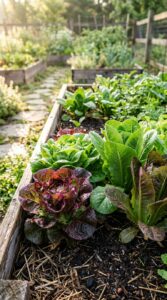
1. Create a Raised Vegetable Bed for Easy Home Gardening

Creating a raised vegetable bed is an excellent way to enjoy easy home gardening. This method not only improves soil drainage but also minimizes weeds and pests, making it a favorite among both novice and seasoned gardeners.
Step-by-Step Guide to Building Your Raised Vegetable Bed
- Select the Location: Choose a sunny spot with at least 6-8 hours of sunlight daily.
- Choose Your Materials: Use rot-resistant wood like cedar or composite materials to construct your frame.
- Build the Frame: Construct a rectangular frame, typically 4 feet wide by 6-8 feet long and 12-24 inches high for optimal depth.
- Prepare the Soil: Fill your bed with a mixture of high-quality topsoil, compost, and organic matter for nutrient-rich soil.
- Plant Your Vegetables: Follow companion planting principles to maximize space and productivity.
Expert Tips for Success
- Consider adding a drip irrigation system for efficient watering.
- Rotate your crops each season to prevent soil depletion and pest buildup.
- Mulch around your plants to retain moisture and suppress weeds.
Avoid Common Mistakes
Many gardeners overlook the importance of:
- Proper drainage—ensure the bottom of your bed allows excess water to escape.
- Soil quality—avoid using only native soil, as it might lack nutrients.
- Plant spacing— overcrowding can lead to poor air circulation and disease.
By following these best practices, you’ll be well on your way to creating a thriving raised vegetable bed, making home gardening a rewarding experience. Embrace the current trends in garden DIY, and enjoy the fruits of your labor!
2. Start Your Herb Garden with Container Planting Techniques

Starting an herb garden using container planting techniques is an excellent way to enhance your culinary adventures while maximizing limited space. This guide offers expert-level advice to help you cultivate your herbs effectively.
Choosing the Right Containers
Select containers that provide adequate drainage and are large enough for root growth. Terra cotta pots are a popular choice due to their breathability, while plastic pots are lightweight and easy to move. Ensure each container has drainage holes to prevent waterlogging.
Soil and Planting
Utilize a high-quality potting mix that retains moisture yet drains well. A mix of 60% potting soil and 40% perlite is ideal. When planting:
- Fill the container with soil, leaving about an inch of space at the top.
- Plant seeds or seedlings, spacing them according to the specific herb requirements.
- Water gently to settle the soil.
Optimal Growing Conditions
Most herbs thrive in full sun, requiring at least 6 hours of direct sunlight daily. Rotate your containers occasionally to ensure even growth. Consider current trends like vertical gardening, which can maximize space while providing the necessary light exposure.
Common Mistakes to Avoid
To ensure a successful herb garden, steer clear of:
- Overwatering: Allow the top inch of soil to dry out between waterings.
- Neglecting pruning: Regularly trim your herbs to encourage bushy growth.
Expert Tips for a Thriving Herb Garden
Incorporate companion planting by grouping herbs that benefit each other, such as basil and tomatoes. Additionally, consider using organic fertilizers to boost growth without harmful chemicals. Remember, patience is key; harvest herbs gradually to promote continued growth.
By following these container planting techniques, you’ll be well on your way to a flourishing herb garden, providing fresh flavors right at your fingertips!
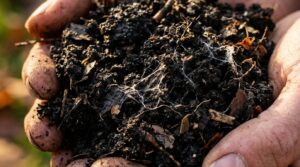
3. Build a Compost Bin for Sustainable Gardening Practices

Creating a compost bin is an essential step in sustainable gardening practices. It not only reduces waste but also enriches your garden soil, promoting healthy plant growth. Here’s how you can build an effective compost bin with expert guidance.
Materials Needed
- Wooden pallets or wire mesh
- Nails or screws
- Hinges (optional for access)
- Garden tools (shovel, rake)
Step-by-Step Guide
- Select a Location: Choose a well-drained area with good airflow, ideally near your garden.
- Build the Frame: Use wooden pallets to create a three-sided enclosure. This allows easy access for adding materials.
- Add Compost Materials: Layer green materials (kitchen scraps, grass clippings) with brown materials (dry leaves, cardboard) for a balanced compost mix.
- Maintain the Pile: Turn the compost every few weeks to aerate and speed up decomposition.
Expert Tips and Common Mistakes to Avoid
To maximize the benefits of your compost bin, consider these expert tips:
- Avoid adding meat or dairy, which can attract pests.
- Keep your compost moist but not soggy for optimal breakdown.
- Monitor the carbon-to-nitrogen ratio; aim for a balance of 30:1.
By following these best practices, you can create a thriving compost bin that enriches your garden soil and promotes sustainable gardening. Start today and transform your garden into a lush, eco-friendly paradise!
4. DIY Vertical Garden Ideas for Small Space Gardening

Transforming your limited space into a lush vertical garden is a fantastic way to maximize your gardening potential. Vertical gardens not only save space but also enhance aesthetics, creating a stunning green wall. Here’s how you can get started with practical DIY vertical garden ideas for small space gardening.
Step-by-Step Guide to Creating a Vertical Garden
- Choose Your Structure: Select a vertical garden frame, such as a trellis, wall planter, or pallet. Ensure it’s sturdy enough to support your chosen plants.
- Pick the Right Plants: Opt for space-efficient plants like herbs, succulents, or trailing vines. These thrive in smaller spaces and add visual interest.
- Prepare Your Soil: Use high-quality potting soil mixed with compost to ensure optimal drainage and nutrient availability.
- Plant and Arrange: Arrange your plants based on their light and moisture requirements. Taller plants should be at the top, with trailing varieties cascading down.
- Watering and Maintenance: Regularly check moisture levels, as vertical gardens can dry out quickly. Implement a drip irrigation system for convenience.
Expert Gardening Tips and Common Mistakes to Avoid
- Rotate Plants: Rotate your plants regularly to ensure even sunlight exposure.
- Avoid Overcrowding: Space your plants adequately to prevent competition for resources and promote healthy growth.
- Regular Pruning: Keep your vertical garden tidy by pruning dead leaves and stems, encouraging new growth.
Incorporating these DIY vertical garden ideas into your small space gardening will not only beautify your home but also provide a sustainable source of fresh herbs and vegetables. Embrace the trend of vertical gardening and maximize your gardening potential today!
5. Plant a Pollinator-Friendly Flower Bed to Attract Bees

Creating a pollinator-friendly flower bed is an excellent way to support local bee populations while enhancing your garden’s beauty. Bees play a crucial role in pollination, making it essential to provide them with a conducive environment. Follow these expert tips to design a vibrant and inviting flower bed.
Choosing the Right Flowers
Start by selecting a diverse range of native plants, as they are best suited for local pollinators. Consider including:
- Lavender: A bee favorite known for its fragrant blooms.
- Sunflowers: Tall and bright, they provide a generous pollen source.
- Echinacea (Coneflower): Offers nectar and attracts a variety of pollinators.
- Bee Balm: As the name suggests, it’s a magnet for bees.
Planting Techniques
To create an effective flower bed, follow these steps:
- Site Selection: Choose a sunny location with well-draining soil.
- Soil Preparation: Amend the soil with organic compost to boost nutrients.
- Planting: Space flowers according to their mature size, ensuring clusters for easy access.
- Watering: Water regularly, especially during dry spells, to establish roots.
Common Mistakes to Avoid
To ensure your flower bed thrives, avoid these pitfalls:
- Overcrowding plants, which can hinder airflow and attract pests.
- Neglecting to include a variety of bloom times for continuous forage.
- Using pesticides, which can harm beneficial insects.
Best Practices for Maintenance
Regular care is vital for a successful pollinator garden. Deadhead spent blooms to encourage more flowers, and practice mulching to suppress weeds and retain moisture. By following these expert gardening tips, you’ll create a stunning flower bed that attracts bees and supports biodiversity in your garden.
6. Grow Your Own Salad: Easy Leafy Greens for Beginners

If you’re looking to start your gardening journey, growing your own salad is a fulfilling and straightforward way to dive into the world of leafy greens. With just a little space and know-how, you can cultivate fresh, nutritious greens right in your backyard or on your balcony.
Step-by-Step Gardening Guidance
Follow these simple steps to get started:
- Choose Your Greens: Opt for beginner-friendly varieties like lettuce, spinach, or arugula. These greens grow quickly and thrive in cooler temperatures.
- Prepare the Soil: Use well-draining soil enriched with compost to provide essential nutrients. Aim for a pH level between 6.0 and 7.0 for optimal growth.
- Sow Seeds: Plant seeds about 1/4 inch deep, spacing them according to the seed packet instructions. Cover lightly with soil and water gently.
- Water Consistently: Keep the soil consistently moist but not waterlogged. Water in the morning to reduce evaporation loss.
- Harvest Wisely: Begin harvesting leaves as soon as they reach a usable size. Cut leaves from the outer edges to encourage continuous growth.
Expert Tips and Common Mistakes
To ensure a successful harvest, consider these expert tips:
- Rotate your crops to prevent soil depletion.
- Avoid overcrowding by thinning seedlings to allow for proper air circulation.
- Watch for pests and treat them promptly with organic solutions.
By incorporating these best practices, you’ll enjoy a bountiful salad garden in no time. Remember, patience is key. Happy gardening!
7. Start an Indoor Garden: Best Houseplants for New Gardeners

Starting an indoor garden can be a rewarding experience, especially for new gardeners. With the right houseplants, you can create a vibrant and healthy indoor environment. Here are some of the best houseplants that are perfect for beginners.
Top Houseplants for New Gardeners
- Snake Plant (Sansevieria): Low-maintenance and drought-tolerant, this plant thrives in various lighting conditions.
- Pothos (Epipremnum aureum): Known for its air-purifying qualities, pothos is incredibly forgiving and grows quickly.
- Spider Plant (Chlorophytum comosum): This resilient plant produces “babies,” making it easy for propagation and sharing.
- Peace Lily (Spathiphyllum): With its elegant white blooms, it’s not only beautiful but also helps cleanse indoor air.
Step-by-Step Guide to Starting Your Indoor Garden
- Choose the Right Location: Opt for a spot with adequate light; south-facing windows are ideal.
- Select Your Plants: Pick from the list above to ensure easy care.
- Use Quality Potting Mix: A well-draining potting mix is crucial for healthy root development.
- Water Wisely: Overwatering is a common mistake. Ensure pots have drainage holes and only water when the top inch of soil is dry.
Common Mistakes to Avoid
New gardeners often overwater their plants or place them in insufficient light. Always observe your plants for signs of stress, such as yellowing leaves or wilting. Additionally, avoid using regular garden soil, as it can compact in pots and hinder growth.
By following these expert tips and best practices, you can successfully start an indoor garden that brings beauty and life to your home. Happy gardening!
8. Design a Simple Drip Irrigation System for Efficient Watering

Creating a drip irrigation system is a sustainable and efficient way to water your garden. This method delivers water directly to the roots of plants, minimizing evaporation and reducing water waste. Here’s how to design a simple system that meets your garden’s needs.
Materials Needed
- Drip tubing
- Emitters
- Filter
- Pressure regulator
- Connecting fittings
- Timer (optional)
Step-by-Step Guide
- Plan Your Layout: Assess your garden’s layout to determine where your plants are located. Aim for even coverage.
- Measure and Cut Tubing: Cut the drip tubing to reach each plant or row of plants.
- Install Emitters: Place emitters at the base of each plant. Use adjustable emitters for varying watering needs.
- Connect Components: Attach the filter and pressure regulator to your water source, then connect the drip tubing.
- Test Your System: Turn on the water and check for leaks. Adjust emitter flow as needed.
Expert Tips
To enhance your system:
- Use a timer for consistent watering schedules.
- Group plants with similar watering needs to optimize efficiency.
Common Mistakes to Avoid
- Not checking emitter placement regularly can lead to dry spots.
- Ignoring seasonal adjustments may result in overwatering or underwatering.
By following these steps and tips, you can create a drip irrigation system that saves water and nurtures your garden effectively. Embrace this Garden DIY trend to elevate your gardening practices!
9. Make Natural Pest Repellent Using Essential Oils in the Garden

Creating a natural pest repellent using essential oils is an effective and eco-friendly way to protect your garden. Utilizing the power of nature, you can deter unwanted insects without relying on harsh chemicals. Here’s a comprehensive guide to crafting your own pest repellent.
Essential Ingredients
To make your natural pest repellent, gather the following:
- 10-15 drops of essential oils (e.g., peppermint, lavender, or eucalyptus)
- 2 cups of water
- 1 tablespoon of vegetable oil (optional for better adhesion)
- A spray bottle
Step-by-Step Instructions
- Combine Ingredients: In a spray bottle, mix the essential oils with water and vegetable oil. This helps the oils stick to plant surfaces.
- Shake Well: Before each use, shake the bottle to ensure the oil is well-distributed.
- Test Spray: Always test on a small area of your plants to check for any adverse reactions.
- Apply Regularly: Spray your plants in the early morning or late afternoon for maximum effectiveness, avoiding peak sunlight.
Expert Tips and Common Mistakes to Avoid
- Use a variety of essential oils to target different pests.
- Avoid over-application; too much oil can damage plant leaves.
- Store your repellent in a cool, dark place to maintain potency.
Best Practices for Pest Control
Incorporate companion planting and regular garden maintenance to enhance the effectiveness of your natural pest repellent. Keeping plants healthy reduces vulnerability to pests, making your essential oil repellent even more effective. Remember, patience is key; natural solutions may take time to show results.
By utilizing essential oils in your garden, you’re embracing a sustainable approach to pest management. This DIY solution not only protects your plants but also contributes to a healthier environment.
10. Create a Butterfly Garden with Native Plants for Beginners

Creating a butterfly garden with native plants is a delightful way to attract these beautiful pollinators while enhancing your outdoor space. This beginner-friendly guide will provide you with expert-level gardening advice, practical examples, and best practices to ensure your butterfly haven thrives.
Step-by-Step Gardening Guidance
- Select Native Plants: Start by choosing native plants that are well-suited to your local climate. Species such as milkweed, coneflower, and black-eyed Susan are excellent choices, as they provide food and habitat for butterflies.
- Create a Sunny Spot: Butterflies love the sun! Designate an area that receives at least six hours of sunlight each day, ensuring optimal conditions for your plants.
- Provide Water Sources: Incorporate shallow water dishes or small puddling areas. This allows butterflies to hydrate while adding an aesthetic element to your garden.
Expert Gardening Tips and Tricks
- Group Plants: Plant in clusters rather than single specimens. This makes it easier for butterflies to find food sources.
- Limit Pesticide Use: Avoid chemical pesticides that can harm butterflies. Opt for organic pest control methods instead.
- Observe and Learn: Regularly observe the types of butterflies visiting your garden. This can inform your future planting choices.
Avoid Common Gardening Mistakes
Many beginners make the mistake of planting non-native species or overcrowding their garden. Stick to native plants that support local ecosystems, and allow enough space for each plant to grow.
By following these guidelines and embracing current trends in Garden DIY, such as sustainability and biodiversity, you can create a thriving butterfly garden that not only beautifies your space but also supports essential pollinators.
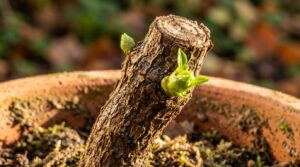
11. Learn to Propagate Succulents: A Beginner’s Guide

Succulent propagation is an exciting and rewarding gardening activity, perfect for beginners looking to expand their green thumb. This guide offers step-by-step instructions to help you successfully propagate your favorite succulent varieties.
Understanding Succulent Propagation
Succulent plants are resilient and can be propagated through several methods, including leaf cuttings, offsets, and stem cuttings. Each method has its own advantages, but leaf cuttings are the most popular among novice gardeners.
Step-by-Step Propagation Guide
- Gather Materials: You’ll need clean, sharp scissors, succulent soil mix, a small pot, and a container for your cuttings.
- Choose Your Succulent: Select a healthy plant with mature leaves. Avoid damaged or diseased specimens.
- Take Cuttings: Use your scissors to gently remove a leaf or stem. Allow the cut end to dry for 1-2 days to callous.
- Planting: Fill your pot with succulent soil mix. Place the calloused cutting on top of the soil and lightly mist it.
- Watering: Water sparingly until roots develop. Overwatering is a common mistake that can lead to rot.
Expert Tips for Successful Propagation
- Ensure adequate sunlight; place your cuttings in a bright location but avoid direct afternoon sun.
- Maintain humidity levels by placing a plastic bag over the pot to create a greenhouse effect.
- Be patient! Root development can take a few weeks, so resist the urge to dig up your cuttings.
Avoiding Common Mistakes
Many beginners overwater their cuttings or choose poor-quality soil. Use a well-draining soil mix and allow the soil to dry out between waterings. Additionally, ensure your cuttings are not placed in overly shaded areas, as this can hinder growth.
By following these guidelines, you’ll be well on your way to mastering succulent propagation. Enjoy the satisfaction of watching your garden flourish!
12. Establish a Rain Garden to Manage Stormwater Naturally

Creating a rain garden is an effective way to manage stormwater naturally while enhancing your landscape. A rain garden is a shallow, planted depression designed to absorb rainwater runoff from impervious surfaces like roofs and driveways. This sustainable gardening practice not only reduces flooding but also filters pollutants and supports local ecosystems.
Step-by-Step Guide to Creating Your Rain Garden
- Choose the Right Location: Select a spot at least 10 feet away from your home’s foundation and away from utility lines. Ensure it can capture runoff effectively.
- Determine Size and Depth: A rain garden should be about 20% of the size of the area from which it will collect water. Typically, a depth of 4-8 inches is ideal.
- Soil Preparation: Amend existing soil with compost to improve drainage and nutrient content. A sandy loam mix works best.
- Select Native Plants: Choose drought-resistant native plants such as coneflowers, black-eyed Susans, and sedges. These species thrive in wet conditions and attract beneficial pollinators.
- Mulching: Apply a layer of mulch to help retain moisture, suppress weeds, and enhance the garden’s aesthetic.
Expert Tips and Common Mistakes
- Tip: Incorporate a variety of plant heights and textures for visual interest and biodiversity.
- Mistake to Avoid: Do not place your rain garden too close to your house, as it may cause water to pool against your foundation.
Best Practices for a Thriving Rain Garden
Regular maintenance, including weeding and checking for erosion, will ensure your rain garden remains effective. Monitor water levels after heavy rains and adjust plant selections as needed. By following these expert gardening strategies, you can successfully establish a rain garden that manages stormwater naturally while beautifying your outdoor space.
13. Grow Tomatoes in Pots: Tips for Container Gardening Success

Growing tomatoes in pots is an excellent way to enjoy fresh produce, even in limited spaces. Container gardening allows for control over soil quality, drainage, and sunlight, making it ideal for various gardening conditions. Here are essential tips to ensure your container gardening success.
Choosing the Right Container
Start with a pot that is at least 5 gallons in size to provide ample root space. Opt for materials like clay, plastic, or fiberglass that offer good drainage. Ensure your container has drainage holes to prevent waterlogging, which can lead to root rot.
Soil and Fertilization
Use a high-quality potting mix, enriched with organic matter. Consider incorporating slow-release fertilizers to provide essential nutrients throughout the growing season. Regularly check the soil moisture; tomatoes prefer consistent moisture but dislike soggy conditions.
Planting and Care
- Spacing: Space your plants at least 24 inches apart to allow for air circulation and growth.
- Sunlight: Position your pots in a location that receives at least 6-8 hours of direct sunlight daily.
- Watering: Water deeply and consistently, especially during dry spells.
Common Mistakes to Avoid
Avoid overcrowding your pots, which can lead to competition for nutrients and light. Additionally, neglecting to prune your tomato plants can hinder airflow and promote diseases.
Conclusion
By following these expert tips, you can successfully grow tomatoes in pots and enjoy a rewarding gardening experience. Remember, container gardening is not just about convenience; it’s about creating a thriving ecosystem that supports your plants’ growth.
14. Craft a Garden Trellis for Climbing Plants and Vines

Creating a garden trellis is an excellent DIY project that not only enhances the aesthetics of your garden but also supports climbing plants and vines. Whether you’re growing tomatoes, cucumbers, or beautiful flowering vines, a well-crafted trellis can maximize your space and improve air circulation, reducing the risk of disease.
Materials Needed
- Wooden stakes or bamboo poles
- Wire mesh or twine
- Drill or hammer
- Screws or nails
- Paint (optional)
Step-by-Step Guide
- Design Your Trellis: Decide on the size and shape. A simple A-frame or a square lattice design works well.
- Gather Materials: Choose rot-resistant wood or bamboo for longevity.
- Construct the Frame: Assemble your trellis by securing the stakes with screws or nails. Ensure it’s sturdy enough to support weight.
- Add Support: Attach wire mesh or twine in a grid pattern to give plants a structure to climb. Space them adequately for plant growth.
- Finish and Install: Optionally paint your trellis to match your garden aesthetic. Finally, anchor it in the ground in a sunny location.
Expert Tips and Common Mistakes
To avoid common gardening mistakes, ensure your trellis is tall enough for the plants you choose. Avoid using untreated wood, as it can rot over time. Regularly check your trellis for stability and adjust any loose connections.
By crafting your own garden trellis, you not only embrace current DIY trends but also create a functional and beautiful addition to your garden. Happy gardening!
15. Start a Family-Friendly Garden with Edible Flowers

Creating a family-friendly garden with edible flowers is a delightful way to introduce children to gardening while adding beauty and flavor to your outdoor space. Edible flowers, such as nasturtiums, pansies, and calendula, are not only visually appealing but also safe to eat and packed with nutrients.
Choosing the Right Flowers
When starting your garden, select flowers that are easy to grow and thrive in your climate. Consider the following:
- Nasturtiums: These vibrant flowers have a peppery taste and can be added to salads.
- Pansies: With their sweet flavor, pansies make a colorful garnish for desserts.
- Calendula: Known for its healing properties, calendula petals can brighten up any dish.
Step-by-Step Gardening Guidance
Follow these simple steps to establish your edible flower garden:
- Choose a Location: Select a sunny spot with well-draining soil.
- Prepare the Soil: Enrich the soil with organic compost to promote healthy growth.
- Sow Seeds: Plant seeds according to package instructions, typically in early spring.
- Water Regularly: Ensure consistent moisture, especially during dry spells.
Expert Tips and Common Mistakes
To ensure a successful garden, keep these expert tips in mind:
- Avoid overcrowding your plants to reduce competition for nutrients.
- Use organic pest control methods to protect your flowers without harmful chemicals.
- Regularly deadhead spent blooms to encourage further flowering.
Starting a family-friendly garden with edible flowers not only fosters a love for gardening in children but also enhances your culinary creations. With the right practices and flowers, you can cultivate a vibrant, productive garden that everyone will enjoy!
16. Explore No-Dig Gardening Techniques for Healthy Soil

No-dig gardening is a revolutionary approach that promotes soil health while minimizing physical labor. This sustainable gardening technique allows you to cultivate flourishing plants without disrupting the soil structure, which can lead to enhanced microbial activity and improved nutrient availability.
Understanding No-Dig Gardening
At its core, no-dig gardening involves layering organic materials to create a nutrient-rich growing environment. Here are the essential steps to get started:
- Select Your Site: Choose a location with adequate sunlight and drainage.
- Prepare the Base: Clear the area of weeds and debris. You may use cardboard or newspaper as a weed barrier.
- Add Layers: Begin layering organic materials such as straw, compost, and well-rotted manure. Aim for a thickness of about 4-6 inches.
- Planting: After a few weeks, when the materials start to decompose, create small holes to plant your seeds or seedlings directly into the layers.
Expert Tips for Success
To maximize the benefits of no-dig gardening, consider these expert tips:
- Use Diverse Materials: Incorporate a variety of organic matter to enrich soil biodiversity.
- Avoid Compaction: Refrain from walking on the garden bed to maintain soil structure.
- Regular Maintenance: Add new layers of compost and organic material annually to replenish nutrients.
Avoid Common Mistakes
Many gardeners make mistakes while adopting no-dig techniques. Common pitfalls include:
- Using fresh grass clippings or green materials, which can lead to nitrogen burn.
- Neglecting to monitor moisture levels, as layered beds can dry out more quickly.
By utilizing no-dig gardening techniques, you can foster a vibrant garden ecosystem while ensuring healthy soil for years to come. Embrace this trend in Garden DIY and watch your plants thrive!
17. Build a Simple Birdhouse to Enhance Wildlife in Your Garden
![Handcrafted birdhouse in a colorful garden enhancing wildlife.]](https://polgarden.com/wp-content/uploads/2025/02/image_fx_-17-3.png)
Creating a birdhouse in your garden is a rewarding DIY project that not only enhances your outdoor space but also supports local wildlife. By providing shelter for birds, you can attract various species, contributing to the ecosystem’s health and beauty.
Materials Needed
- Untreated wood (cedar or pine)
- Wood screws or nails
- Wood glue
- Wood drill with a bit for entrance holes
- Sandpaper
- Paint (non-toxic, outdoor-safe)
Step-by-Step Guide
- Cut the Wood: Measure and cut the wood into appropriate dimensions. A typical birdhouse is about 6″x6″x8″ with an entrance hole of 1.5″ for small birds.
- Drill the Entrance: Use a wood drill to create the entrance hole, ensuring it is smooth and free from splinters.
- Assemble the House: Use wood screws or nails to attach the sides, bottom, and roof. Ensure there are drainage holes in the base for moisture management.
- Sand and Finish: Sand all edges to prevent injury to birds. Optionally, paint or treat the exterior with non-toxic finishes.
- Install Properly: Mount the birdhouse at least 5-10 feet off the ground in a sheltered area, away from predators.
Best Practices
To maximize your birdhouse’s effectiveness, monitor its condition regularly and clean it out after nesting season. Avoid common mistakes such as using treated wood or placing the house in direct sunlight.
Current Trends in Garden DIY
Eco-friendly gardening and sustainable practices are trending. Opt for natural materials and designs that promote bird safety and comfort.
By following these expert tips, you can build a simple birdhouse that enhances wildlife in your garden, creating a haven for birds while enriching your gardening experience.
18. Create a Seasonal Garden Calendar for Planting and Harvesting

Creating a seasonal garden calendar is essential for maximizing your gardening efforts. This guide will help you outline a clear timeline for planting and harvesting, ensuring a thriving garden throughout the year.
Step-by-Step Guide to Your Garden Calendar
- Research Your Zone: Identify your USDA Hardiness Zone to understand the best planting times for your region.
- Choose Your Crops: Select plants suited for your climate. Common choices include tomatoes, peppers, and leafy greens.
- Map Out Your Seasons: Divide the calendar into four sections: spring, summer, fall, and winter. Note peak planting times for each crop.
Current Trends in Garden DIY
In 2023, urban gardening and vertical gardens continue to rise in popularity. Incorporating these methods can help optimize space and yield.
Expert Tips and Common Mistakes
- Tip: Rotate your crops annually to prevent soil depletion and pest buildup.
- Common Mistake: Overlooking local frost dates can jeopardize your harvest. Always check the last frost date in spring and the first frost in fall.
Best Practices for Successful Gardening
Utilize companion planting to enhance growth and deter pests. For instance, planting basil alongside tomatoes can improve flavor and yield.
By following this guide to create a seasonal garden calendar, you’ll ensure a productive garden and enjoy the fruits of your labor throughout the year!
Frequently Asked Questions
How do I create a raised vegetable bed for my home garden?
To create a raised vegetable bed, choose a sunny location and use untreated wood or bricks to build a frame. Fill it with a mix of topsoil, compost, and organic matter to ensure healthy drainage and nutrients. Aim for a height of 12-24 inches to make planting and maintenance easier.
Why should I start an herb garden with container planting?
Starting an herb garden in containers allows for flexibility in placement and easy access to sunlight. It also helps control soil quality and drainage, which is crucial for herbs. Container gardening is ideal for beginners, as it’s low-maintenance and can be done on patios, balconies, or windowsills.
What materials do I need to build a compost bin at home?
To build a compost bin, gather materials like wooden pallets, wire mesh, or an old trash can with holes for aeration. You’ll also need a mix of green materials (like kitchen scraps) and brown materials (like dried leaves) to create a balanced compost. This setup will enable you to recycle organic waste and enrich your garden soil.
How can I create a vertical garden in a small space?
To create a vertical garden, consider using wall-mounted planters, repurposed pallets, or hanging pots. Ensure that you choose plants suited for vertical growth, such as climbing vines or trailing flowers. This space-saving method not only adds beauty but also maximizes your gardening area.
What plants should I include in a pollinator-friendly flower bed?
Include a variety of native flowers such as coneflowers, milkweed, and black-eyed Susans to attract bees and butterflies. Plant in clusters for better visibility to pollinators and aim for a mix of colors and bloom times to provide a continuous food source throughout the growing season. This practice supports local ecosystems and enhances your garden’s biodiversity.