Explore 21 modern garden design ideas to elevate your outdoor space with style and creativity.
1. Sustainable Vertical Gardens: Maximizing Small Spaces Effectively

Creating a sustainable vertical garden is an innovative solution for gardeners with limited space. By utilizing vertical gardening techniques, you can transform walls, fences, or even balconies into lush green spaces that enhance both aesthetics and air quality.
Steps to Create Your Vertical Garden
- Choose Your Location: Identify a sunny wall or railing that receives at least 6 hours of sunlight daily.
- Select Suitable Plants: Opt for herbs, succulents, or flowering plants that thrive in vertical setups. Varieties such as strawberries, ferns, and ivy are excellent choices.
- Build or Buy Vertical Planters: Use repurposed pallets, wall-mounted planters, or tiered shelving. Ensure they have proper drainage to prevent root rot.
- Install Your Garden: Secure the planters to your chosen surface, ensuring stability. Utilize hooks or brackets for added support.
- Water and Maintain: Implement a drip irrigation system or self-watering planters to reduce water usage. Regularly check for pests and dead leaves.
Expert Tips for Success
- Consider companion planting to maximize space and enhance growth.
- Rotate plants seasonally to ensure optimal sunlight exposure.
- Avoid overwatering; always check soil moisture levels before watering.
Avoid Common Mistakes
Many gardeners overlook the importance of plant spacing and drainage, leading to overcrowded and unhealthy plants. Always ensure adequate air circulation and avoid planting too closely together. Additionally, neglecting to consider the weight of the setup can result in structural damage.
By following these guidelines, you can effectively maximize your small space with a sustainable vertical garden that not only beautifies your environment but also contributes to biodiversity.
2. Creating a Zen Garden with Low-Maintenance Succulents and Rocks

Transform your outdoor space into a tranquil retreat by creating a Zen garden with low-maintenance succulents and carefully arranged rocks. This contemporary gardening trend not only fosters relaxation but also requires minimal upkeep, making it perfect for both novice and experienced gardeners.
Step-by-Step Guide
- Select a Location: Choose a quiet, sunny spot in your yard that receives at least six hours of sunlight daily.
- Design Your Layout: Sketch a simple design incorporating areas for sand, stone, and succulents. Consider asymmetrical patterns for a more organic feel.
- Prepare the Ground: Clear the area of grass and weeds. Use landscaping fabric to suppress future growth.
- Add Rocks and Gravel: Place larger stones strategically, then fill in the spaces with gravel or sand to mimic a natural landscape.
- Plant Succulents: Choose drought-resistant varieties like Echeveria, Sedum, or Agave. Space them appropriately to allow for growth and airflow.
Expert Tips and Common Mistakes
When creating your Zen garden:
- Avoid overcrowding your succulents—this can lead to rot.
- Ensure proper drainage to prevent water accumulation.
- Use a variety of textures and colors to enhance visual interest, but keep a consistent theme.
By following these guidelines, you’ll create a serene and low-maintenance garden space that embodies the essence of Zen. Embrace the beauty of simplicity with succulents and rocks, and enjoy a peaceful escape right in your backyard.
3. Incorporating Edible Plants into Modern Landscape Design

Integrating edible plants into modern landscape design not only enhances the aesthetic appeal of your garden but also promotes sustainability and self-sufficiency. This trend aligns with contemporary gardening practices that prioritize both beauty and functionality.
Choosing the Right Edible Plants
Begin by selecting plants that complement your existing landscape. Herbs such as rosemary, thyme, and basil can thrive in ornamental beds, while vibrant vegetables like kale and chard offer visual interest. Consider incorporating:
- Fruit-bearing shrubs like blueberries for texture and color.
- Vertical gardens with climbing plants such as peas or beans.
- Edible flowers like nasturtiums for a pop of color and taste.
Step-by-Step Guidance
To successfully integrate edible plants:
- Assess your space: Determine sunlight, soil quality, and moisture levels.
- Plan your layout: Use companion planting techniques to maximize growth and deter pests.
- Prepare the soil: Enrich with organic compost to enhance fertility.
- Plant wisely: Group plants with similar watering needs and growth habits.
Common Mistakes to Avoid
Many gardeners overlook essential practices, such as:
- Neglecting to consider plant height, which can overshadow shorter varieties.
- Overcrowding plants, leading to competition for nutrients.
- Ignoring seasonal changes that affect plant growth and yield.
Best Practices for a Thriving Edible Landscape
Regular maintenance is key. Water consistently, mulch to retain moisture, and practice crop rotation to prevent soil depletion. By following these guidelines, you can create a stunning and productive garden that showcases the beauty of edible plants while enhancing your outdoor living space.
4. Using Native Plants for a Sustainable and Resilient Garden

Creating a garden that is both sustainable and resilient starts with the careful selection of native plants. These plants are adapted to your local climate and soil conditions, making them easier to cultivate and maintain. By incorporating native species, you enhance biodiversity, attract beneficial wildlife, and reduce the need for chemical fertilizers and pesticides.
Step-by-Step Guide to Incorporating Native Plants
- Research Local Flora: Begin by identifying which native plants thrive in your region. Consult local extension services or native plant societies for guidance.
- Design Your Garden Layout: Plan your garden with a mix of species that bloom at different times to ensure continuous color and interest.
- Prepare the Soil: Native plants often require less soil amendment. Test your soil and amend only if necessary, focusing on organic options.
- Plant Strategically: Group plants with similar water and sunlight needs together to promote healthy growth and minimize maintenance.
- Mulch and Water Wisely: Use organic mulch to suppress weeds and retain moisture. Water new plants until established, then reduce frequency.
Expert Tips and Common Mistakes to Avoid
- Choose Diversity: A diverse planting strategy not only looks appealing but also supports a wider range of wildlife.
- Avoid Invasive Species: Steer clear of plants that may outcompete natives and disrupt local ecosystems.
- Monitor Growth: Regularly check your plants for signs of stress or disease, addressing issues promptly.
By following these best practices, you can create a garden that not only thrives but also contributes to the sustainability of your local environment. Embrace native plants for a resilient and eco-friendly gardening experience!
5. Designing a Modern Herb Spiral for Culinary Enthusiasts

Creating a modern herb spiral is an innovative and efficient way for culinary enthusiasts to maximize their gardening space while cultivating a variety of herbs. This vertical garden design not only enhances aesthetics but also promotes biodiversity and easy access to herbs.
Step-by-Step Guide to Building Your Herb Spiral
- Select Your Location: Choose a sunny spot in your garden, ideally receiving at least 6-8 hours of sunlight daily.
- Gather Materials: Use natural stones, bricks, or even recycled materials to build the spiral. Aim for a height of about 3 feet.
- Construct the Spiral: Start with a wide base, gradually spiraling upwards. Ensure that the center is the highest point to facilitate drainage.
- Fill with Soil: Use a mix of high-quality compost and garden soil to provide optimal nutrients for your herbs.
- Choose Your Herbs: Select culinary favorites such as basil, thyme, rosemary, and mint. Plant taller herbs at the top and shorter ones at the base.
Expert Tips and Common Mistakes to Avoid
- Watering Wisely: Avoid overwatering; the spiral’s design promotes natural drainage.
- Companion Planting: Pair herbs with compatible plants to enhance growth and deter pests.
- Seasonal Rotation: Rotate your herbs seasonally to maintain soil health and prevent depletion of nutrients.
Incorporating a modern herb spiral into your garden not only optimizes space but also aligns with current trends in sustainable gardening. By following these expert-level tips and avoiding common mistakes, you can create a thriving herb garden that will elevate your culinary creations.
6. Innovative Container Gardening Ideas for Urban Dwellers

Urban gardening presents unique challenges, but innovative container gardening ideas can transform small spaces into lush green havens. Container gardening is not only visually appealing but also practical for city dwellers with limited outdoor space.
Choose the Right Containers
Start with selecting the right containers. Consider using:
- Vertical planters to maximize space
- Self-watering pots for low-maintenance care
- Repurposed items like old wooden crates or tin cans for a rustic aesthetic
Optimal Plant Selection
Choose plants that thrive in containers. Herbs such as basil and mint are perfect for small spaces, while colorful flowers like petunias and geraniums add visual interest. Additionally, consider dwarf fruit trees, which can fit comfortably in larger pots.
Step-by-Step Container Gardening
Follow these expert steps for successful container gardening:
- Ensure proper drainage by choosing containers with holes. If using non-draining items, add gravel to the bottom.
- Fill containers with high-quality potting mix to provide essential nutrients.
- Plant your chosen flora, ensuring proper spacing for growth.
- Water thoroughly, allowing excess to drain.
- Fertilize every few weeks with a balanced fertilizer to encourage growth.
Avoid Common Mistakes
To ensure success, avoid these common gardening mistakes:
- Overwatering your plants; always check soil moisture first.
- Neglecting sunlight requirements; group plants with similar light needs.
- Not rotating crops which can lead to nutrient depletion.
By following these innovative container gardening ideas, urban dwellers can cultivate a thriving garden, even in limited spaces. Embrace these expert tips and witness the transformation of your urban environment!
7. Building a Backyard Fire Pit Surrounded by Ornamental Grasses

Creating a cozy outdoor haven with a backyard fire pit surrounded by ornamental grasses is a fantastic DIY project for any gardening enthusiast. This blend not only enhances the aesthetic appeal of your yard but also provides a tranquil space for relaxation and gatherings.
Step-by-Step Guide
- Choose the Location: Select a flat area at least 10 feet away from structures and trees. Ensure it complies with local fire regulations.
- Design the Fire Pit: Opt for a circular or square design. Use stones or bricks to create the structure, ensuring the walls are at least 12 inches high.
- Install the Fire Pit: Dig a shallow pit, place a gravel base for drainage, and build your stone or brick structure around it.
- Plant Ornamental Grasses: Choose drought-resistant varieties such as Miscanthus sinensis or Pennisetum alopecuroides to surround your fire pit. Space them 2-3 feet apart for optimal growth.
- Mulch and Water: Apply a layer of mulch around the grasses to retain moisture and suppress weeds. Water regularly until established.
Expert Tips and Common Mistakes
To ensure the success of your fire pit garden:
- Opt for native grasses that thrive in your region’s climate.
- Avoid overcrowding the grasses; this can lead to poor air circulation.
- Regularly trim grasses to maintain their shape and prevent them from becoming invasive.
By following these steps and incorporating ornamental grasses, you’ll create a stunning focal point in your backyard that encourages both relaxation and social gatherings. Happy gardening!
8. Crafting a Rain Garden to Enhance Drainage and Biodiversity

Creating a rain garden is an excellent way to improve drainage and enhance biodiversity in your outdoor space. This eco-friendly garden design captures stormwater runoff, allowing it to percolate into the ground while providing a habitat for various pollinators and wildlife.
Step-by-Step Guide to Building Your Rain Garden
- Choose the Right Location: Select a low-lying area away from buildings and foundations to prevent flooding.
- Determine Size and Shape: A rain garden should be about 20% of the area draining into it. Common shapes include crescent, oval, or kidney-shaped.
- Excavate the Area: Dig out a shallow depression, typically 6-12 inches deep, to hold water. Ensure the bottom is level.
- Amend the Soil: Mix in compost and sand to improve drainage and nutrient availability.
- Select Native Plants: Opt for native species like coneflowers, black-eyed Susans, and ornamental grasses. These plants thrive in wet conditions and support local wildlife.
- Mulch and Water: Apply a layer of mulch to retain moisture and suppress weeds. Water your plants regularly until established.
Expert Tips and Common Mistakes
- Ensure proper slope toward the garden to facilitate drainage.
- Avoid planting invasive species that may disrupt local ecosystems.
- Do not place the rain garden too close to your home’s foundation to prevent water issues.
Embrace current trends in Garden DIY by using rain gardens to create sustainable landscapes that benefit both your property and the environment. By following these best practices, you’ll enhance drainage, promote biodiversity, and enjoy a beautiful, functional garden.
9. Transforming Your Patio with Stylish Decking and Planters

Transforming your patio into a serene oasis requires the right blend of stylish decking and vibrant planters. With current trends leaning towards sustainable materials and vertical gardening, you can create an inviting space that reflects your personal style while enhancing outdoor living.
Choosing the Right Decking
Begin with selecting eco-friendly decking options such as composite materials or reclaimed wood. These not only provide durability but also add a rustic charm to your patio. When installing, ensure you:
- Level the ground to prevent water pooling.
- Leave gaps between boards for drainage and airflow.
- Use a non-toxic sealant to protect your decking from the elements.
Incorporating Stylish Planters
Next, enhance your patio aesthetics with planters. Consider the following:
- Mix materials: Use terracotta, ceramic, and metal to create visual interest.
- Choose the right size: Larger planters for statement plants and smaller ones for herbs.
- Incorporate height: Use vertical planters or hanging options to maximize space.
Common Mistakes to Avoid
While transforming your patio, avoid these common pitfalls:
- Neglecting sunlight and shade patterns when placing plants.
- Overcrowding planters, which can lead to poor air circulation.
- Forgetting about regular maintenance, including watering and pruning.
Best Practices for a Lush Patio
To achieve the best results, remember to:
- Choose plants that thrive in your climate zone.
- Incorporate a mix of perennials and annuals for year-round color.
- Use organic fertilizers to promote healthy growth.
By following these expert tips and incorporating stylish decking and planters, you can transform your patio into a beautiful retreat that invites relaxation and enjoyment.
10. Integrating Smart Irrigation Solutions for Eco-Friendly Watering

In today’s eco-conscious gardening landscape, integrating smart irrigation solutions is a game-changer for sustainable watering practices. These innovative systems are designed to optimize water usage, ensuring your plants thrive while conserving precious resources.
Understanding Smart Irrigation
Smart irrigation systems utilize technology such as soil moisture sensors, weather data, and automated timers to deliver precise watering schedules. By assessing environmental conditions, these systems minimize overwatering and maximize plant health. Consider installing a drip irrigation system combined with a smart controller to achieve efficient water distribution.
Step-by-Step Guidance for Implementation
- Assess Your Garden: Evaluate your garden’s layout and plant types to determine the best irrigation method.
- Choose the Right System: Select a smart irrigation controller that integrates with your existing setup. Look for features like remote access and weather adaptation.
- Install Sensors: Place soil moisture sensors in various zones to monitor hydration levels accurately.
- Set Up Timers: Program your system based on plant needs and local weather conditions. Adjust schedules seasonally.
- Monitor and Adjust: Regularly check your system’s performance and make necessary tweaks to optimize efficiency.
Common Mistakes to Avoid
- Neglecting regular maintenance of irrigation components can lead to inefficiencies.
- Over-relying on automation without personal observation may harm sensitive plants.
- Ignoring local weather patterns can result in unnecessary water usage.
Best Practices for Eco-Friendly Watering
To enhance your eco-friendly watering strategy, consider the following tips:
- Group plants with similar water needs together to optimize irrigation.
- Mulch around plants to retain moisture and reduce evaporation.
- Utilize rainwater harvesting systems to supplement your irrigation needs.
By integrating smart irrigation solutions into your gardening routine, you not only contribute to environmental sustainability but also create a thriving garden ecosystem. Stay ahead of current trends and embrace technology for a greener future!
11. Creating a Pollinator Garden to Attract Bees and Butterflies

Creating a pollinator garden is an excellent way to support local ecosystems while enhancing your garden’s aesthetic appeal. By strategically selecting plants that attract bees and butterflies, you can create a vibrant and thriving space. Here’s a step-by-step guide to help you design the perfect pollinator garden.
Step 1: Choose the Right Location
Begin by selecting a sunny spot in your yard, as most pollinators prefer bright, warm areas. Aim for a location with at least 6-8 hours of sunlight daily.
Step 2: Select Bee and Butterfly-Friendly Plants
Incorporate a diverse range of native plants that bloom at different times throughout the growing season. Here are some excellent choices:
- Bee Balm (Monarda): Attracts both bees and hummingbirds.
- Echinacea (Coneflower): Provides nectar for butterflies.
- Milkweed: Essential for Monarch butterflies.
Step 3: Design for Diversity
Utilize a mix of flowers, shrubs, and grasses to create layers within your garden. This not only attracts a variety of pollinators but also enhances the overall biodiversity.
Common Mistakes to Avoid
Many gardeners overlook the importance of avoiding pesticides and herbicides, which can harm pollinator populations. Additionally, ensure that your garden has a water source, such as a shallow dish filled with pebbles.
Gardening Best Practices
Regularly deadhead flowers to promote more blooms and ensure that your plants are well-watered but not overwatered. Mulching can help retain moisture and suppress weeds, further benefiting your pollinator garden.
By following these expert tips and utilizing the right plants, you’ll create a flourishing pollinator garden that supports bees and butterflies while beautifying your outdoor space.
12. Utilizing Hardscaping: Pathways and Patios for Modern Appeal

In today’s garden design, hardscaping elements such as pathways and patios play a pivotal role in enhancing both functionality and aesthetics. By incorporating these features, you can create a modern outdoor space that reflects your style while improving accessibility.
Why Choose Hardscaping?
Hardscaping provides structure to your garden, offering durability and low maintenance compared to traditional planting. Current trends favor materials like natural stone, pavers, and composite decking, which blend seamlessly with surrounding greenery. Here are some expert tips to consider:
- Define Your Space: Use pathways to guide visitors through your garden, creating a natural flow from one area to another.
- Layer with Plants: Incorporate plant beds alongside patios to soften the hard surfaces and add vibrancy.
- Choose Complementary Colors: Select materials that complement your home’s exterior for a cohesive look.
Step-by-Step Guidance
- Plan Your Layout: Sketch a design that includes your pathways and patio, considering traffic patterns and focal points.
- Prepare the Site: Clear the area of any debris, and level the ground where necessary.
- Install Base Material: Lay down gravel or sand to create a stable foundation for your hardscaping elements.
- Place Your Pavers: Start from a corner and work your way out, ensuring even spacing and alignment.
- Finish with Edging: Add stone or metal edging to keep your pathways defined and prevent erosion.
Avoid Common Mistakes
While designing your hardscaping, be cautious of:
- Overcrowding: Leave enough space between features for easy movement.
- Poor Drainage: Ensure your pathways slope away from structures to prevent water pooling.
- Ignoring Maintenance: Choose materials that are easy to clean and maintain over time.
By leveraging hardscaping, you can create visually appealing pathways and patios that enhance your garden’s overall charm. These elements not only improve accessibility but also add modern appeal to your outdoor living space.
13. Designing a Colorful Perennial Border for Year-Round Interest

Creating a vibrant perennial border is a rewarding garden DIY project that adds year-round interest to your landscape. With the right selection of plants and a thoughtful design, you can ensure your border bursts with color in every season.
Selecting the Right Perennials
Start by choosing a mix of perennials that bloom at different times throughout the year. Consider:
- Spring Bloomers: Peonies and Bleeding Hearts
- Summer Stars: Echinacea and Daylilies
- Autumn Beauties: Asters and Sedums
- Winter Interest: Ornamental Grasses and Evergreen Perennials
Designing Your Border
Begin by mapping out your border. Use the following steps for a balanced design:
- Layering: Plant taller varieties at the back and shorter ones in the front to create depth.
- Color Coordination: Select a color palette that complements your home and existing garden.
- Texture Variation: Combine foliage types to create visual interest even when flowers are not in bloom.
Expert Tips and Common Mistakes
To achieve a stunning perennial border, keep these expert tips in mind:
- Regularly deadhead spent blooms to encourage new growth.
- Avoid overcrowding your plants; allow adequate space for air circulation.
- Incorporate mulch to suppress weeds and retain moisture.
By following these best practices, you can design a colorful perennial border that provides beauty and structure, ensuring your garden remains captivating through every season.
14. Incorporating Garden Art: Sculptures and Installations for Flair

Enhancing your garden with artful sculptures and installations can elevate its aesthetic appeal and create a unique atmosphere. Incorporating garden art not only reflects your personal style but also adds flair and interest to your outdoor space. Here’s how to effectively integrate these artistic elements into your garden design.
Choose the Right Location
When selecting a spot for your garden art, consider visibility and harmony with existing plants. Ideal locations include:
- Near pathways to draw the eye
- In focal points such as at the end of a garden vista
- Amidst flower beds to create a delightful contrast
Incorporate Different Materials
Current trends in garden DIY emphasize using diverse materials. Consider:
- Metal sculptures for a modern touch
- Wooden installations that blend with nature
- Glass art pieces for a playful sparkle
Expert Tips for Installation
To ensure your garden art thrives:
- Secure sculptures with stable bases to prevent tipping.
- Choose weather-resistant materials for longevity.
- Use complementary colors that enhance your garden’s palette.
Avoid Common Mistakes
Be mindful of these pitfalls:
- Overcrowding your garden with too many pieces.
- Neglecting scale; ensure art complements your plant sizes.
- Forgetting about maintenance; choose pieces that are easy to clean.
Incorporating garden art can transform your outdoor space into a captivating oasis. By following these expert-level guidelines, you will not only enhance your garden’s charm but also create an inviting environment for relaxation and enjoyment.
15. Using Garden Lighting to Enhance Evening Outdoor Spaces

Transform your outdoor garden into a magical evening retreat with the strategic use of garden lighting. Proper illumination not only enhances aesthetics but also extends your outdoor living space well into the night. Here’s a guide to help you effectively utilize garden lighting.
Choose the Right Lighting Fixtures
Start by selecting appropriate lighting fixtures that align with your garden’s style. Consider these popular options:
- String Lights: Perfect for draping over trees or patios for a cozy ambiance.
- Pathway Lights: Ideal for guiding guests along walkways while highlighting your favorite plants.
- Spotlights: Use these to accentuate focal points like sculptures or water features.
Expert Tips for Effective Illumination
To achieve a balanced and inviting atmosphere, follow these expert tips:
- Layer your lighting: Combine ambient, task, and accent lights for depth.
- Use timers and dimmers: Control brightness and save energy.
- Highlight textures: Use lights to bring out the unique patterns in foliage and structures.
Avoid Common Mistakes
While installing garden lighting, be mindful of these common pitfalls:
- Over-lighting: Too much light can create glare and detract from your garden’s beauty.
- Poor placement: Ensure lights are positioned to enhance rather than obscure garden elements.
Final Thoughts
Utilizing garden lighting effectively can significantly enhance your outdoor spaces. Whether you’re hosting a gathering or enjoying a quiet evening, the right lighting can create an enchanting atmosphere. Remember, thoughtful placement and a variety of lighting types are key to achieving your ideal garden retreat.
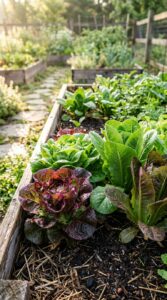
16. Building a Raised Bed Garden: Best Practices for Soil Health

Creating a raised bed garden is an excellent way to enhance soil health and improve your gardening success. Here are some best practices to consider when establishing your raised bed garden.
1. Selecting the Right Location
Choose a spot that receives at least 6-8 hours of sunlight daily. Ensure good drainage and easy access for watering and maintenance. Avoid areas where water tends to pool after heavy rains.
2. Choosing Materials for the Bed
Use untreated wood, such as cedar or redwood, to construct your raised bed. These materials resist rot and are safe for growing edible plants. Aim for beds that are 4 feet wide for easy access to the center.
3. Layering Your Soil
To build healthy soil, follow the “lasagna gardening” method:
- Bottom Layer: Start with coarse materials like branches or straw for drainage.
- Middle Layer: Add compost and aged manure to enrich the soil.
- Top Layer: Finish with a mix of topsoil and organic matter.
4. Regular Maintenance
Incorporating cover crops like clover or buckwheat during the off-season can enhance soil nutrients. Regularly check for pests and diseases to maintain plant health.
Common Mistakes to Avoid
- Not testing soil pH and nutrient levels before planting.
- Overcrowding plants, which can lead to poor air circulation.
- Neglecting crop rotation to prevent soil depletion.
By following these expert tips and best practices, you can create a thriving raised bed garden that promotes exceptional soil health and boosts your gardening yield.
17. Creating a Focal Point with a Modern Water Feature

Adding a modern water feature is an excellent way to create a stunning focal point in your garden. Not only does it enhance the aesthetic appeal, but it also brings the soothing sound of water, attracting wildlife and promoting relaxation.
Choosing the Right Water Feature
When selecting a water feature, consider the size and style of your garden. Popular options include:
- Wall-mounted fountains for small spaces
- Free-standing sculptures for a contemporary look
- Reflecting pools for a tranquil vibe
Step-by-Step Installation Guide
Follow these steps to ensure a successful installation:
- Site Selection: Choose a location that receives partial sunlight and complements existing plants.
- Prepare the Area: Clear debris and level the ground; ensure proper drainage.
- Install the Feature: Follow the manufacturer’s instructions carefully to set up your water feature.
- Add Plants: Surround your feature with moisture-loving plants like ferns or hostas to enhance the natural look.
- Maintain Regularly: Clean the feature regularly to prevent algae buildup and check the pump to ensure functionality.
Expert Gardening Tips
To maximize the impact of your water feature, consider these expert tips:
- Incorporate LED lighting for evening ambiance.
- Use natural stones to blend the feature with your landscape.
- Choose a feature with adjustable water flow for versatility.
Avoid Common Mistakes
To ensure your project is a success, avoid these common pitfalls:
- Failing to check local regulations regarding water features.
- Neglecting to factor in maintenance needs.
- Overlooking the scale—ensure the feature fits your garden’s proportions.
By following these guidelines, you can create a stunning modern water feature that serves as a captivating focal point in your garden, enhancing both its beauty and tranquility.
18. Designing a Woodland Garden with Shade-Tolerant Plants

Creating a woodland garden is a delightful way to embrace nature while enhancing your outdoor space. These gardens thrive in shaded environments, making them perfect for areas that receive limited sunlight. Below, we’ll explore how to design a woodland garden using shade-tolerant plants and provide expert-level gardening advice.
Step-by-Step Gardening Guidance
- Choose the Right Location: Identify a shaded area, preferably beneath trees or structures, where your woodland garden will flourish.
- Select Shade-Tolerant Plants: Incorporate a mix of perennials and groundcovers. Consider Hostas, Ferns, and Astilbes for foliage interest and Trillium or Wild Ginger for blooms.
- Plan Your Layout: Layer plants by height; tall plants at the back and shorter ones at the front. This creates depth and visual interest.
- Add Organic Matter: Improve soil quality by mixing in compost or leaf mold to enhance drainage and nutrient availability.
- Mulch Your Garden: Use organic mulch to retain moisture and suppress weeds, which is crucial in a woodland setting.
Expert Tips and Common Mistakes
To ensure your woodland garden thrives, keep these tips in mind:
- Avoid overwatering; woodland plants prefer moisture but can suffer from soggy roots.
- Don’t overcrowd plants; give them space to grow and breathe.
- Regularly monitor for pests and diseases, as shaded areas can harbor unwanted critters.
By incorporating these best practices and embracing current trends like using native plants, your woodland garden will not only be a sanctuary for you but also a haven for wildlife. Enjoy your gardening journey!
19. Establishing a Modern Wildlife Habitat with Native Flora

Creating a modern wildlife habitat with native flora is a fulfilling gardening project that supports local ecosystems while enhancing your garden’s beauty. By focusing on native plants, you can attract beneficial wildlife such as butterflies, bees, and birds, all while minimizing maintenance and resources.
Step-by-Step Guidance
- Research Native Plants: Start by identifying native species suited to your region. Use resources like local extension services or native plant societies to find plants that thrive in your soil and climate.
- Prepare Your Site: Choose a sunny location and clear away invasive species. Proper site preparation is crucial for the success of your native flora.
- Design Your Habitat: Incorporate a mix of plants that bloom at different times to provide year-round food sources. Layering plants, with taller species at the back and shorter ones in front, creates visual interest.
- Plant Wisely: Follow best practices by planting in groups rather than single specimens to create a more inviting habitat for wildlife. Ensure proper spacing to promote air circulation and prevent disease.
- Maintain Responsibly: Regularly monitor for pests and diseases, but avoid chemical treatments that can harm beneficial insects. Embrace organic gardening techniques.
Expert Tips and Common Mistakes
- Avoid Over-Watering: Native plants are often drought-resistant; thus, over-watering can lead to root rot.
- Include Nectar-Rich Flowers: Prioritize plants that provide high nectar and pollen content for pollinators.
- Provide Shelter: Incorporate logs, rocks, or brush piles to create habitats for small wildlife.
By following these guidelines, you can successfully establish a modern wildlife habitat with native flora, fostering a vibrant ecosystem right in your backyard. Remember, the key to success lies in understanding the natural relationships within your garden.
20. Choosing the Right Gravel for Contemporary Pathways and Borders

When it comes to enhancing your garden’s aesthetics and functionality, selecting the right gravel for contemporary pathways and borders is essential. Gravel not only provides a durable surface but also complements modern landscaping trends. Here’s a guide to help you make the right choice.
Understanding Gravel Types
The first step is to understand the various types of gravel available:
- Pea Gravel: Small, smooth stones ideal for a soft, natural look.
- Crushed Stone: Angular stones that provide a more structured appearance and excellent drainage.
- River Rock: Larger, rounded stones that lend a rustic charm and work well in borders.
Expert Gardening Tips
Follow these expert tips to create stunning pathways and borders:
- Consider Color: Choose gravel shades that harmonize with your plants and home.
- Layering: Use a landscaping fabric beneath the gravel to prevent weed growth.
- Edging: Implement garden edging to keep gravel contained and maintain clean lines.
Common Mistakes to Avoid
To ensure a successful installation, avoid these common gardening mistakes:
- Using gravel that is too large for pathways, which can be uncomfortable to walk on.
- Neglecting drainage; ensure proper grading to avoid water pooling.
Best Practices for Installation
For a professional finish, follow these step-by-step guidelines:
- Clear the area of existing vegetation and debris.
- Excavate to a depth of about 3-4 inches.
- Install landscaping fabric to inhibit weeds.
- Add gravel, leveling it for an even surface.
By carefully choosing the right gravel and following these expert tips, you can create contemporary pathways and borders that enhance your garden’s beauty and utility. Embrace the current trends in Garden DIY and transform your outdoor space today!
21. Incorporating Biophilic Design Principles in Your Garden Layout

Biophilic design is a trend gaining traction in the gardening world, emphasizing the connection between nature and human well-being. By integrating biophilic principles into your garden layout, you can create a serene, restorative environment that enhances your outdoor experience.
Key Strategies to Implement Biophilic Design
Here are some expert-level gardening tips for incorporating biophilic design principles:
- Use Native Plants: Select plants that are indigenous to your area. They require less maintenance and foster local biodiversity.
- Incorporate Water Features: Adding a small pond or fountain not only beautifies but also provides soothing sounds, attracting wildlife.
- Create Visual Layers: Use varying heights of plants and structures to create depth. Raised beds, trellises, and vertical gardens can enhance this effect.
- Design Pathways: Naturalistic pathways made from stone or gravel can encourage exploration and interaction with your garden.
Step-by-Step Guidance
To get started, follow these steps:
- Assess Your Space: Evaluate sunlight, soil, and existing flora. This will help you make informed decisions.
- Plan Your Layout: Sketch a design that includes clusters of plants, seating areas, and water features.
- Select Materials: Choose sustainable materials for hardscaping, like reclaimed wood or permeable pavers.
- Plant Strategically: Group plants by water and light needs, ensuring a harmonious ecosystem.
Common Mistakes to Avoid
When designing your biophilic garden, steer clear of these pitfalls:
- Overcrowding plants, which can lead to competition for resources.
- Ignoring local climate conditions, resulting in plant stress.
- Neglecting maintenance, which can diminish the garden’s beauty.
By integrating biophilic design principles in your garden layout, you not only enhance its beauty but also promote a healthier, more sustainable environment. Embrace these gardening best practices for a flourishing outdoor sanctuary.
Frequently Asked Questions
How do I create a sustainable vertical garden in a small space?
To create a sustainable vertical garden in a small space, start by selecting a sturdy wall or fence and using modular planters or wall-mounted containers. Choose drought-resistant plants like succulents or herbs that thrive in vertical arrangements, and ensure you have a reliable irrigation system to maintain moisture without overwatering.
Why should I incorporate edible plants into my modern garden design?
Incorporating edible plants into your modern garden design not only enhances aesthetics but also promotes sustainability by providing fresh produce right at your doorstep. Edible plants like herbs, fruits, and vegetables can be integrated seamlessly with ornamental plants, creating a visually appealing and functional landscape.
What are the best native plants to use for a sustainable garden?
The best native plants for a sustainable garden vary by region, but common choices include coneflowers, black-eyed Susans, and butterfly weed. These plants require less water and maintenance while attracting local wildlife, such as pollinators, thus enhancing biodiversity and resilience in your garden.
How can I troubleshoot issues with low-maintenance succulents in my Zen garden?
If your low-maintenance succulents are wilting or turning brown, check for overwatering, as succulents prefer well-drained soil and infrequent watering. Ensure they are getting sufficient sunlight, and consider repotting them in a mix designed for cacti and succulents to improve drainage and aeration.
What are the best practices for designing a modern herb spiral?
To design a modern herb spiral, start by creating a circular base with stones or bricks, then build upward to create varying heights. Choose herbs that thrive in different light and moisture levels, placing those that need more water at the base and drought-tolerant varieties at the top, ensuring easy access for harvesting.