7 essential steps to starting a vegetable garden from scratch
1. Digging Into Planning: Choosing the Perfect Location

Choosing the perfect location for your vegetable garden is crucial for ensuring a bountiful harvest. Start by selecting a spot that receives at least 6 to 8 hours of direct sunlight each day, as most vegetables thrive in bright conditions. Assess the soil quality, looking for well-drained, nutrient-rich earth; if your soil is poor, consider raised beds or container gardening. Additionally, ensure the area is sheltered from strong winds and has easy access to water for regular irrigation. Take note of nearby structures or trees that might cast shadows or compete for nutrients. Finally, think about convenience; a location close to your kitchen will make harvesting and cooking much more enjoyable. Effective planning at this stage will set the foundation for a successful garden.
2. Soil Secrets: Testing and Amending Your Earth

To cultivate a thriving vegetable garden, understanding your soil is paramount. Begin by testing your soil’s pH and nutrient levels using a home testing kit or sending samples to a local extension service. This will inform you about essential amendments needed for optimal growth. For instance, if your soil is too acidic, adding lime can help raise the pH, while sulfur can lower it if too alkaline. Additionally, enhancing your soil with organic matter, such as compost or well-rotted manure, improves its structure, drainage, and nutrient content. Regularly amending your soil not only fosters healthy plants but also encourages beneficial microorganisms, creating a lively ecosystem that supports growth. Investing time into soil health pays dividends, providing a firm foundation for your vegetable garden’s success.
3. Seed Selection: Picking the Right Veggies for Your Plate

Seed selection is a crucial step in establishing a thriving vegetable garden, as choosing the right varieties can significantly impact your harvest and enjoyment. Begin by considering your climate, the length of your growing season, and the space available in your garden. Opt for seeds that are well-suited to your local conditions; for instance, if you’re in a cooler area, select cold-tolerant varieties like kale or peas. Additionally, think about your culinary preferences and choose vegetables that you and your family enjoy eating. Heirloom varieties can offer unique flavors and better adaptability, while hybrids often boast disease resistance and higher yields. Lastly, consider starting with easier-to-grow seeds, like radishes and lettuce, to build your confidence before tackling more challenging crops.
4. The Art of Planting: Timing and Techniques for Success

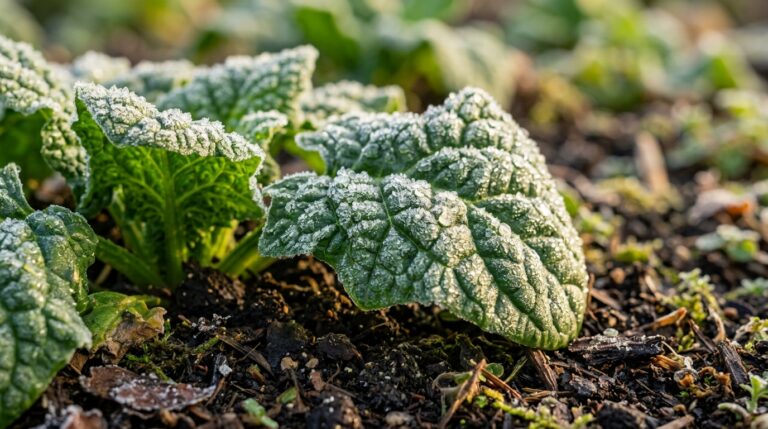
Timing and techniques are crucial for successful vegetable planting in your garden. Begin by understanding your local climate and the last frost date; this will guide you on when to start seeds indoors or sow them directly outside. For optimal growth, choose the right planting depth and spacing based on the specific vegetable varieties you are cultivating. Employ techniques such as companion planting, which allows compatible plants to thrive together while naturally deterring pests. Additionally, consider using raised beds or containers to improve soil drainage and control the growing environment. Always ensure to water your plants adequately after planting, as consistent moisture is vital for seed germination and root establishment. With careful planning and precision, your vegetable garden will flourish and yield a bountiful harvest.
5. Water Wisely: Mastering Irrigation for Optimal Growth

Effective irrigation is crucial for ensuring that your vegetable garden flourishes. To master this skill, start by assessing the specific needs of your plants and the characteristics of your soil. Deep watering, rather than frequent light watering, encourages roots to grow deeper, making them more resilient to drought. Aim to irrigate in the early morning or late afternoon to minimize evaporation loss and allow foliage to dry, reducing the risk of fungal diseases. Consider using drip irrigation systems or soaker hoses, which deliver water directly to the root zone, maximizing efficiency and minimizing waste. Regularly monitor soil moisture levels with a soil moisture meter to determine when your plants need watering, thereby enhancing growth while conserving water resources. By implementing these strategies, you will cultivate a vibrant and productive vegetable garden.
6. Pest Patrol: Protecting Your Garden from Unwanted Guests

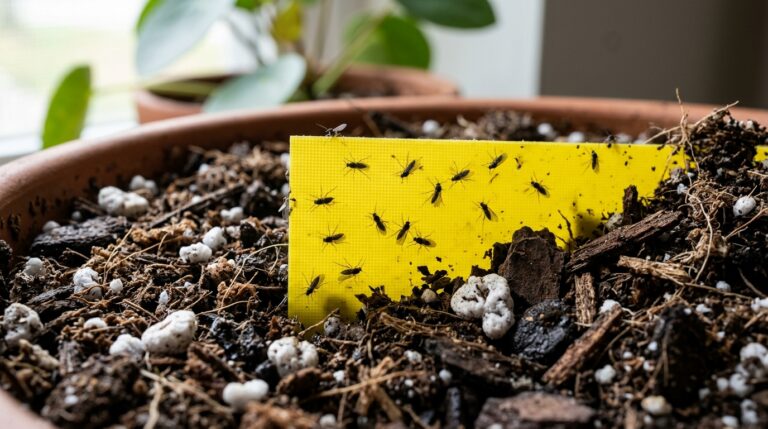
To effectively protect your vegetable garden from unwanted pests, it’s essential to adopt a proactive pest management strategy. Start by encouraging beneficial insects such as ladybugs and lacewings, which naturally prey on harmful pests. Implement physical barriers like row covers or netting to shield young plants from insects. Regularly inspect your plants for signs of infestation, such as discolored leaves or holes, and promptly remove any affected foliage. Consider using organic pesticides or homemade solutions, like neem oil, to minimize chemical exposure. Furthermore, practice crop rotation and companion planting to disrupt pest life cycles and promote a balanced ecosystem within your garden. By being vigilant and employing these tactics, you can maintain a healthy garden while reducing reliance on harmful chemicals.
7. Harvest Happiness: Knowing When and How to Reap Your Rewards

Harvesting your vegetables at the right time is crucial for maximizing both flavor and nutritional value. Each type of vegetable has its own specific signs of readiness; for instance, tomatoes should be picked when they are fully colored and slightly soft to the touch, while carrots are best when they reach a decent size and can be easily pulled from the ground. To ensure you’re harvesting at the optimal time, regularly check your garden and refer to seed packets or gardening resources for guidance. Use clean, sharp tools to avoid damaging the plants and store your harvested produce in a cool, dry place to prolong freshness. Remember, harvesting not only rewards you with delicious food but also encourages plant growth and can inspire future gardening endeavors, making it an essential step in your gardening journey.