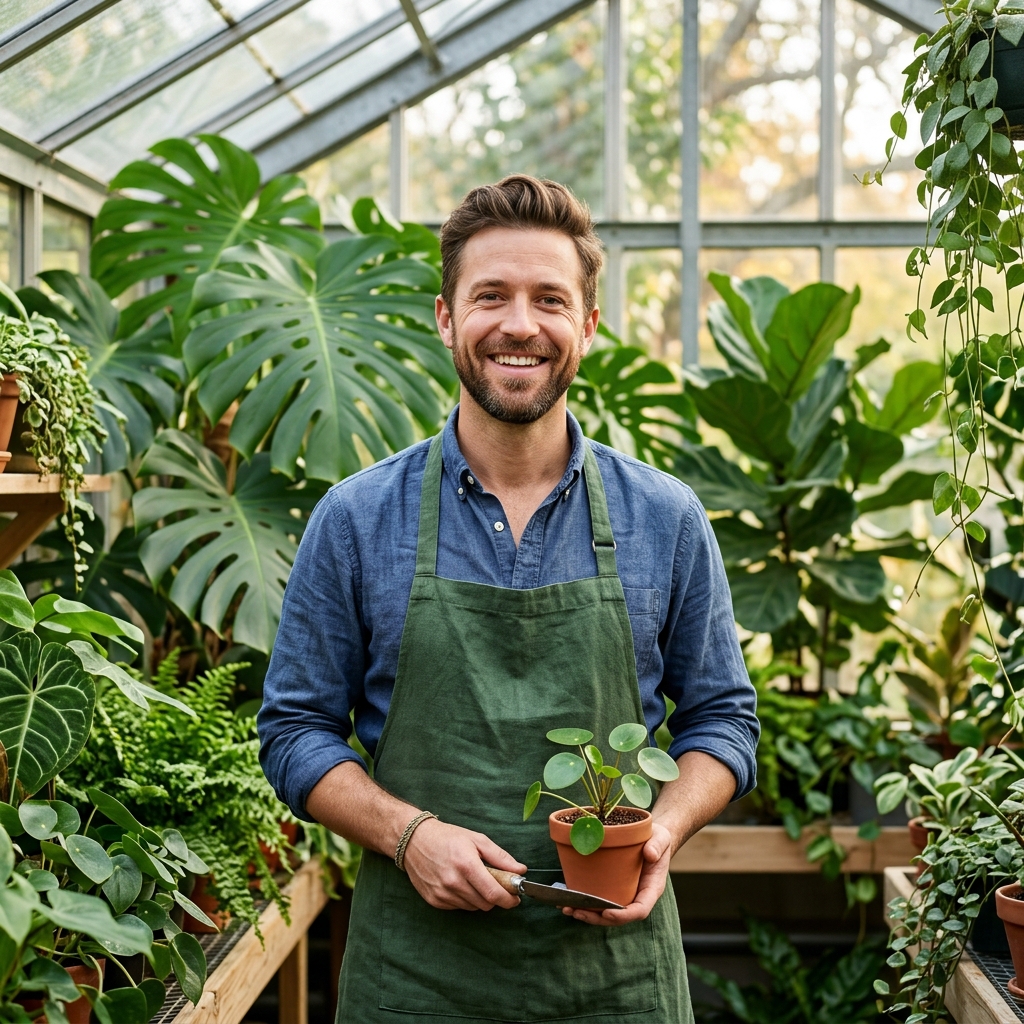
Plants can add vibrancy and life to your home decor, but maintaining their health is crucial to achieving that lush aesthetic. One of the most common mistakes homeowners make is overwatering their plants, leading to a slew of issues that can compromise their beauty and longevity. Understanding the signs of overwatering can help you preserve your green companions and maintain your interior spaces in optimal condition.
In this article, we will explore the seven telltale signs that indicate you might be giving your plants too much water. From drooping leaves to moldy soil, these clues will help you understand your plants’ needs better. By learning how to recognize and address these issues, you can create a thriving indoor garden that enhances your home’s decor while ensuring your plants remain healthy and happy.
1. Leaves Turning Yellow and Drooping

One of the most noticeable signs of overwatering is the yellowing and drooping of leaves. When plants receive too much water, their roots can become waterlogged, hindering their ability to absorb essential nutrients. This leads to a decline in overall health, causing leaves to lose their vibrant color and begin to droop.
If you notice yellow leaves, it’s crucial to check the soil moisture. Stick your finger into the soil about an inch deep; if it feels wet, it’s a sign of overwatering. To remedy this, allow the soil to dry out before watering again. Adjusting your watering schedule based on the plant’s needs and the environmental conditions can help prevent this issue from recurring.
Consider using pots with drainage holes to allow excess water to escape. Additionally, changing the potting mix to one that retains moisture yet drains well can promote healthy root growth and prevent yellowing leaves.
2. Mold Growth on Soil Surface

If you spot white or fuzzy mold on the surface of your plant’s soil, it’s a clear indicator of overwatering. Mold thrives in damp environments, and excess moisture in the soil can lead to a fungal outbreak. This not only looks unsightly but can also harm your plant’s health by inhibiting root growth.
To combat this problem, first, remove the moldy layer of soil and replace it with fresh, dry soil. Ensure that your plant pot has adequate drainage and consider using a well-draining potting mix to prevent future mold growth. Reducing the frequency of watering will also help keep the soil dry enough to prevent mold from returning.
Additionally, increasing air circulation around your plants can deter mold. Placing them in brighter areas or using a small fan can help keep the moisture levels in check, promoting a healthier environment for your plants.
3. Root Rot: The Hidden Danger

Root rot is a severe consequence of overwatering that can go unnoticed until it’s too late. This condition occurs when the roots sit in waterlogged soil, causing them to decay and leading to a decline in the plant’s overall health. Symptoms of root rot include wilting, stunted growth, and the presence of black, mushy roots.
To check for root rot, carefully remove the plant from its pot and inspect the roots. Healthy roots should be firm and white, while rotting roots will appear brown or black and feel mushy. If you notice signs of rot, you’ll need to trim away the affected roots and repot the plant in fresh, dry soil.
To prevent root rot, always use pots with drainage holes and ensure the soil allows for proper aeration. Monitor your watering habits closely, adjusting based on the plant’s requirements and the season.
4. Soil That Never Dries Out

If your plant’s soil remains consistently wet, it’s a sure sign of overwatering. Healthy soil should dry out between watering sessions, allowing roots to breathe and absorb nutrients. Soil that remains perpetually soggy can lead to a host of problems, including root rot and nutrient deficiency.
To address this issue, first, check if your pot has adequate drainage. If not, consider switching to a pot that allows excess water to escape. Additionally, choose a potting mix designed for your specific plant type, as some plants require drier conditions than others.
To enhance drainage, you can also add perlite or sand to your potting mix. This will help aerate the soil and enhance water retention, ensuring that your plants receive the right amount of moisture without becoming waterlogged.
5. Wilting Despite Excess Moisture

It may seem counterintuitive, but overwatered plants can actually appear wilted. When roots are damaged from sitting in too much water, they are unable to take up the moisture they need, leading to wilting. This can be particularly confusing for plant owners who are diligent about watering.
If your plant is wilting despite a wet soil environment, check for other signs of distress, such as yellowing leaves or mold. This often indicates that the roots are not functioning properly, and it might be time to reassess your watering habits. Reducing the frequency of watering and allowing the soil to dry out completely can help revive your plant.
Consider using a moisture meter to better gauge when your plant actually needs water. This will help you create a more consistent watering schedule and prevent future issues, resulting in healthier, more vibrant plants.
6. Foul Odor from the Soil

A foul smell emanating from your plant’s soil is another alarming sign of overwatering. This odor often indicates anaerobic bacteria, which thrive in saturated conditions and can lead to root rot and other health issues for your plant. When you detect this unpleasant scent, it’s essential to take action quickly to prevent further damage.
To address the situation, first, remove the plant from its pot and inspect the roots. Trim away any rotting sections and replace the old soil with fresh, dry mix. Ensure that your pot has good drainage and consider repotting your plant in a slightly larger container to give its roots more space to breathe.
Going forward, adjust your watering routine based on the needs of your plant. Understanding the moisture requirements of each species will help you create a healthier environment, preventing odors and promoting robust growth.
Frequently Asked Questions
How often should I water my plants?
The frequency of watering your plants can depend on several factors, including the type of plant, pot size, and environmental conditions. Generally, it’s best to allow the top inch of soil to dry out before watering again. For most indoor plants, this means watering every 1-2 weeks.
During warmer months, you may find that your plants require more frequent watering, while in cooler months, watering may be less frequent. Always check the moisture level in the soil to determine the right timing for your specific plant. Remember, it’s better to underwater slightly than to overwater.
What types of plants are more susceptible to overwatering?
Certain plants are particularly sensitive to overwatering due to their root systems and natural habitats. Succulents, cacti, and many tropical plants thrive in drier conditions and can suffer quickly from excess moisture. Additionally, plants like ferns and peace lilies can be tricky, as their needs for moisture can vary significantly.
Understanding the native environment of your plants can help you tailor your care approach. Researching specific care instructions for each species will ensure you provide the right conditions and avoid the pitfalls of overwatering.
Can I save a plant that has been overwatered?
Yes, you can often save a plant that has been overwatered, but prompt action is key. First, assess the situation by checking the soil moisture and the condition of the roots. If the roots are rotting, you’ll need to trim away the affected parts and repot the plant in fresh, dry soil.
After repotting, adjust your watering schedule to allow the soil to dry out between sessions. With proper care and attention, your plant can recover and thrive once again, returning to its vibrant state.
What are the signs of a healthy plant?
Healthy plants generally exhibit vibrant green leaves, sturdy stems, and robust growth. Their leaves should be free from discoloration and pests, and the soil should be moist but not soggy. Additionally, a healthy plant will show new growth, whether in the form of new leaves, flowers, or roots.
Regularly inspecting your plants can help you identify any issues before they escalate. Providing the right balance of light, water, and nutrients will ensure that your plants remain healthy and contribute beautifully to your home decor.
What should I do if my plant is still wilting after adjusting watering?
If your plant continues to wilt despite adjusting your watering routine, it may be a sign of other underlying issues. Check for pests or diseases that could be affecting its health. Additionally, consider the light conditions your plant is receiving – insufficient light can also lead to wilting.
If the plant’s leaves are still drooping, it may need repotting or a change in its environment. By addressing all potential factors, you can create a more suitable setting for your plant to thrive.
In conclusion, understanding the signs of overwatering is essential for maintaining the health and beauty of your indoor plants. By being attentive to your plants and adjusting your care routines, you can create a thriving environment that enhances your home decor. Remember, a little knowledge goes a long way in keeping your plants happy and vibrant.
Take a moment to assess your current plant care practices, and make adjustments as needed. With the right attention and care, your indoor garden can flourish, adding a touch of nature’s elegance to your living spaces. Start implementing these tips today to ensure your plants remain vibrant and healthy!