1. Create Nutrient-Rich Compost for Healthy Spring Soil Amendments

Create Nutrient-Rich Compost for Healthy Spring Soil Amendments
Creating a nutrient-rich compost is essential for healthy spring soil amendments, ensuring your garden flourishes with vibrant plants. Composting not only enriches the soil but also reduces waste, making it a vital practice for eco-conscious gardeners. Here’s how to get started with your composting journey.
Step-by-Step Guide to Composting
- Choose the Right Location: Select a well-drained, sunny spot in your garden for your compost bin. This encourages microbial activity.
- Gather Materials: Use a balanced mix of ‘greens’ (nitrogen-rich materials like kitchen scraps, grass clippings) and ‘browns’ (carbon-rich materials like dried leaves and cardboard).
- Layering: Start with a layer of browns, followed by greens. Alternate layers to maintain a healthy balance.
- Maintain Moisture: Keep your compost pile moist but not soggy. A damp sponge-like consistency is ideal.
- Turn Regularly: Aerate your compost every few weeks by turning it with a pitchfork to speed up decomposition.
Expert Tips and Common Mistakes
- Avoid Overloading with Greens: Too many nitrogen-rich materials can lead to a foul smell. Balance is key.
- Monitor Temperature: A hot compost pile (130°F to 160°F) indicates active decomposition. Adjust moisture and aeration as needed.
Following these best practices will help you create nutrient-rich compost, perfect for enriching your spring garden soil. Embrace the current trends in garden DIY by incorporating composting into your routine, and watch your plants thrive!
2. Test and Adjust Soil pH for Optimal Plant Growth This Spring

Test and Adjust Soil pH for Optimal Plant Growth This Spring
Spring is the perfect time to enhance your garden’s health by testing and adjusting soil pH. Soil pH plays a crucial role in nutrient availability, influencing plant growth and vitality.
Why Soil pH Matters
Soil pH affects the chemical processes that occur in the soil. Most plants thrive in a pH range of 6.0 to 7.0. If your soil is too acidic (below 6.0) or too alkaline (above 7.0), it can hinder nutrient absorption, leading to stunted growth.
Step-by-Step Soil pH Testing
- Gather Supplies: You will need a soil pH test kit, a clean container, and distilled water.
- Collect Soil Samples: Take samples from various locations in your garden, at a depth of 6-8 inches.
- Mix and Test: Combine samples in a clean container, add distilled water, and follow the test kit instructions for accurate results.
Adjusting Your Soil pH
If your soil pH is too low, consider adding lime to raise it. Conversely, if it’s too high, sulfur can help lower the pH. Always incorporate these amendments into the top 6 inches of soil for effective results.
Common Gardening Mistakes to Avoid
- Neglecting to test soil regularly.
- Over-applying amendments, which can harm plant health.
- Ignoring specific plant needs; different species may require unique pH levels.
Best Practices for Soil Health
Incorporate organic matter like compost to improve soil structure and nutrient content. Regular testing, ideally once a year, ensures your garden remains vibrant and productive.
By following these expert tips, you can create an optimal environment for your plants, ensuring robust growth this spring. Happy gardening!
3. Select the Best Early-Blooming Perennials for Your Spring Garden

Select the Best Early-Blooming Perennials for Your Spring Garden
Transform your spring garden with vibrant early-blooming perennials. These hardy plants not only signal the end of winter but also provide essential structure and color to your landscape. Choosing the right varieties can enhance your garden’s appeal while ensuring a continuous display of blooms.
Top Early-Blooming Perennials
- Hellebores: Also known as Lenten roses, these shade-loving perennials bloom as early as February, offering unique, nodding flowers in various colors.
- Primula: With their cheerful clusters of blooms, primroses thrive in moist, well-drained soil and can bring life to any garden bed.
- Columbine: Known for their delicate, spurred flowers, columbines attract pollinators and perform well in both full sun and partial shade.
- Bleeding Heart: This perennial showcases heart-shaped flowers that dangle from arching stems, perfect for shady corners of your garden.
Expert Gardening Tips
To achieve a thriving early spring garden, consider the following best practices:
- Soil Preparation: Ensure your soil is rich in organic matter. Amend with compost to promote healthy growth.
- Planting Time: Aim to plant your perennials in early spring or fall for optimal root establishment.
- Watering Needs: Early bloomers require consistent moisture, especially in their first growing season.
Avoid Common Mistakes
Many gardeners overlook essential factors that can hinder plant performance:
- Overcrowding: Ensure adequate spacing between plants to promote air circulation and prevent disease.
- Ignoring Sunlight Needs: Pay attention to each plant’s light requirements to avoid poor growth.
By selecting the best early-blooming perennials and adhering to these expert tips, you can create a stunning spring garden that flourishes year after year.
4. Cultivate Seedlings Indoors: Timing and Techniques for Success

Cultivate Seedlings Indoors: Timing and Techniques for Success
Successfully cultivating seedlings indoors is a rewarding experience that sets the foundation for a thriving garden. Understanding the right timing and employing effective techniques can significantly boost your gardening success.
Optimal Timing for Indoor Seedlings
The best time to start your seedlings indoors is typically 6-8 weeks before the last expected frost date in your area. Popular vegetables such as tomatoes, peppers, and eggplants benefit from this early start. Use a reliable gardening calendar or local extension service to determine your specific timing.
Essential Techniques for Indoor Seedling Culture
Here are some expert techniques to ensure your seedlings thrive:
- Seed Starting Mix: Use a sterile seed starting mix that drains well and is free from pathogens.
- Containers: Opt for biodegradable pots or seed trays; these promote root health and ease transplanting.
- Light Requirements: Provide 12-16 hours of grow light or natural sunlight daily. Position your lights about 2-4 inches above the seedlings.
Common Mistakes to Avoid
Many novice gardeners make crucial mistakes that hinder seedling growth:
- Overwatering: Ensure that the soil is moist but not soggy to prevent damping-off disease.
- Insufficient Light: Failing to provide adequate light can lead to leggy, weak seedlings.
Gardening Best Practices
To maximize your success:
- Thin seedlings as they grow to prevent overcrowding.
- Fertilize with a diluted, balanced fertilizer once the first true leaves appear.
- Gradually acclimatize seedlings to outdoor conditions before transplanting, a process known as hardening off.
By following these expert tips and techniques, you’ll be well on your way to cultivating robust seedlings indoors, ensuring a bountiful harvest in your garden!
5. Plan and Design Your Vegetable Garden Layout for Spring Harvests

Plan and Design Your Vegetable Garden Layout for Spring Harvests
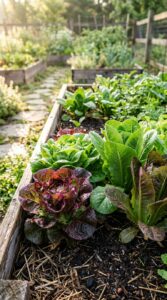
Creating a successful vegetable garden layout is essential for maximizing your spring harvests. A well-thought-out plan not only enhances productivity but also promotes plant health. Here’s how to design your garden effectively.
Step-by-Step Garden Layout Planning
- Choose the Right Location: Select a sunny spot that receives at least 6-8 hours of sunlight daily. Good drainage is crucial.
- Define Your Garden Size: Determine how much space you have. Raised beds are popular for controlling soil quality and managing weeds.
- Plan for Companion Planting: Pair plants that benefit each other. For example, plant tomatoes with basil, which can enhance flavor and repel pests.
- Incorporate Crop Rotation: Plan for rotation in subsequent seasons to prevent soil depletion and reduce pest issues.
Current Trends in Garden DIY
Raised garden beds and vertical gardening are trending, especially for small spaces. These methods improve air circulation and make harvesting easier.
Expert Gardening Tips
- Use organic compost to enrich your soil.
- Group plants with similar water and sunlight needs together.
- Avoid overcrowding: Follow recommended spacing guidelines to reduce competition for resources.
Common Mistakes to Avoid
- Neglecting to plan for shade and wind protection.
- Choosing the wrong plants for your climate zone.
- Ignoring soil health; regular testing can prevent nutrient deficiencies.
By following these expert-level tips and best practices, you’ll be well on your way to a thriving vegetable garden. Plan wisely for abundant spring harvests!
6. Prune Dormant Trees and Shrubs for Robust Spring Growth

Prune Dormant Trees and Shrubs for Robust Spring Growth
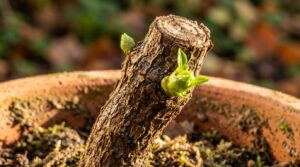
Pruning dormant trees and shrubs is a crucial gardening practice that promotes healthy spring growth. As winter recedes, it’s the perfect time to prepare your plants for the upcoming season. This guide provides expert-level advice on how to effectively prune your garden’s woody plants, ensuring they flourish when warmer weather arrives.
Step-by-Step Pruning Guidance
- Choose the Right Tools: Use sharp, clean pruning shears, loppers, and a saw for larger branches. This helps prevent damage to the plants and reduces the risk of disease.
- Assess Plant Health: Inspect your trees and shrubs for dead, damaged, or diseased branches. Focus on removing these first to encourage robust growth.
- Follow the 1/3 Rule: When pruning, avoid removing more than one-third of a plant’s total growth in a single season. This practice helps maintain plant health and vigor.
- Make Clean Cuts: Cut at a 45-degree angle, just above a bud or lateral branch to promote healing and new growth.
Common Mistakes to Avoid
- Avoid pruning in late winter or early spring when plants are starting to leaf out.
- Do not leave stubs after cutting; always make clean cuts to prevent injury.
- Refrain from over-pruning, which can lead to weak plants and reduced blooms.
Gardening Best Practices
Incorporating these pruning techniques not only enhances plant health but also aligns with current Garden DIY trends, emphasizing sustainability and longevity in garden care. Remember to keep your tools sanitized and always research specific species requirements, as different plants have unique needs.
By following these expert tips, you’ll set your dormant trees and shrubs up for a vibrant and bountiful spring growth, ensuring your garden thrives.
7. Implement Effective Mulching Techniques for Spring Weed Control

Implement Effective Mulching Techniques for Spring Weed Control
As spring approaches, effective mulching techniques become essential for controlling weeds in your garden. Mulching not only suppresses weed growth but also enhances soil moisture and improves soil health. Here’s a step-by-step guide to maximizing your mulching efforts this season.
Choosing the Right Mulch
Start by selecting an appropriate mulch for your garden type. Organic options such as shredded bark, straw, or wood chips provide nutrients as they decompose, while inorganic options like landscape fabric or gravel offer longevity. Consider the following:
- Shredded Bark: Ideal for flower beds and perennial gardens.
- Straw: Great for vegetable gardens; it decomposes quickly.
- Landscape Fabric: Best for pathways and areas where you want long-lasting weed control.
Application Techniques
For optimal results, follow these expert tips:
- Prepare the Soil: Clear the area of weeds and debris before applying mulch.
- Apply a Weed Barrier: For added protection, lay down a weed barrier fabric before mulching.
- Spread Evenly: Apply a 2-4 inch layer of mulch around plants, ensuring it does not touch the stems to prevent rot.
Common Mistakes to Avoid
Avoid these pitfalls to enhance your mulching effectiveness:
- Over-mulching, which can suffocate plants.
- Using fresh wood chips, which can tie up nitrogen in the soil.
- Neglecting to replenish mulch annually, as it breaks down over time.
By implementing these effective mulching techniques for spring weed control, you’ll not only keep your garden thriving but also stay ahead of the latest trends in Garden DIY. Remember, proper mulching is a key practice for any successful gardener.
8. Establish a Routine for Pest Monitoring and Organic Control Methods

Establish a Routine for Pest Monitoring and Organic Control Methods
Establishing a routine for pest monitoring and implementing organic control methods are crucial for maintaining a thriving garden. This proactive approach not only helps you identify issues early but also minimizes damage to your plants while promoting sustainable gardening practices.
Step-by-Step Pest Monitoring Routine
- Regular Inspections: Dedicate time each week to inspect your plants for signs of pests, such as holes in leaves or sticky residue. Early detection is key!
- Use Sticky Traps: Place yellow sticky traps around your garden to catch flying pests like whiteflies. This visual cue can help you assess pest populations.
- Record Observations: Keep a gardening journal detailing pest sightings and damage. This will help identify patterns and inform your control strategy.
Organic Control Methods
Once you’ve identified pests, employ these organic control methods:
- Neem Oil: A natural pesticide that disrupts the life cycle of pests. Apply it during the cooler parts of the day to avoid leaf burn.
- Insecticidal Soap: Effective against soft-bodied insects like aphids. Spray directly onto the pests for best results.
- Beneficial Insects: Introduce ladybugs or lacewings to your garden as natural predators of harmful pests.
Avoid Common Gardening Mistakes
To maximize your pest control efforts, avoid these common mistakes:
- Neglecting to monitor regularly, which can lead to larger infestations.
- Using chemical pesticides that harm beneficial insects.
- Failing to rotate crops, which can increase pest populations.
By establishing a routine for pest monitoring and using organic control methods, you can protect your garden effectively while promoting ecological balance. Stay informed about current trends in Garden DIY, and remember that a well-maintained garden is a thriving one!
Frequently Asked Questions
How do I create nutrient-rich compost for my spring garden?
To create nutrient-rich compost, combine equal parts of green materials (like kitchen scraps) and brown materials (like dried leaves). Turn the pile regularly to aerate it and speed up decomposition, ensuring it stays moist but not soggy. In about 6-12 weeks, you’ll have compost ready to enrich your spring garden soil.
Why is testing soil pH important for my garden this spring?
Testing soil pH is crucial because it affects nutrient availability to plants. Most garden plants thrive in a pH range of 6.0 to 7.0; if your soil is too acidic or alkaline, consider adding amendments like lime or sulfur to adjust it. Proper pH levels ensure your plants can absorb essential nutrients effectively.
What are the best early-blooming perennials to plant for spring?
Some of the best early-blooming perennials include Hellebores, Crocus, and Primrose. These flowers are hardy and can withstand cooler temperatures, providing vibrant color in your garden as spring arrives. Selecting drought-tolerant varieties can also help reduce maintenance later in the season.
How do I cultivate seedlings indoors for my spring garden?
To cultivate seedlings indoors, start by choosing the right containers filled with seed-starting mix. Plant seeds according to package instructions and provide adequate light, either from a sunny window or grow lights. Keep the soil consistently moist but not waterlogged, and thin seedlings as they grow to ensure healthy development.
What should I consider when planning my vegetable garden layout for spring?
When planning your vegetable garden layout, consider sunlight exposure, plant spacing, and companion planting. Opt for a layout that maximizes sunlight for all plants, allows for air circulation, and pairs compatible plants to deter pests and enhance growth. Additionally, plan for crop rotation in future seasons to maintain soil health.