1. Understanding the Carbon-to-Nitrogen Ratio for Optimal Composting

Understanding the Carbon-to-Nitrogen Ratio for Optimal Composting
Composting is a fundamental practice in sustainable gardening, and understanding the carbon-to-nitrogen ratio is essential for creating nutrient-rich compost. This ratio, often expressed as C:N, plays a critical role in the composting process, influencing microbial activity and decomposition speed.
What is the Ideal C:N Ratio?
The ideal carbon-to-nitrogen ratio for composting is approximately 30:1. This means for every 30 parts of carbon-rich materials, you should add 1 part nitrogen-rich materials. Carbon sources, or “browns,” include:
- Dried leaves
- Straw
- Wood chips
Meanwhile, nitrogen sources, or “greens,” consist of:
- Grass clippings
- Fruit and vegetable scraps
- Coffee grounds
Step-by-Step Guidance for Balancing C:N Ratios
1. Collect Materials: Gather both brown and green materials.
2. Layering: Start with a base layer of browns, followed by greens. Alternate layers to maintain the ratio.
3. Monitor Moisture: Ensure your compost pile is moist but not soggy. A good rule of thumb is to keep it about as damp as a wrung-out sponge.
4. Aerate Regularly: Turn your compost every few weeks to introduce oxygen, which speeds up the decomposition process.
Common Mistakes to Avoid
- Using too much of one type of material (e.g., too many greens can lead to odor issues).
- Neglecting aeration, which can slow down decomposition.
- Ignoring moisture levels, leading to a dry, non-functional pile.
Best Practices for Successful Composting
Stay updated with current trends in Garden DIY by incorporating kitchen scraps and yard waste into your compost. This not only reduces waste but also enriches your soil. Remember, patience is key; optimal composting can take several months, but with the right balance of carbon and nitrogen, you’ll reap the benefits of a thriving garden.
2. Choosing the Right Compost Bin: Types and Benefits for Gardeners

Choosing the Right Compost Bin: Types and Benefits for Gardeners
When it comes to sustainable gardening, choosing the right compost bin is essential for enriching your soil and promoting healthy plant growth. Understanding the various types of compost bins available can help you make an informed decision that suits your gardening needs.
Types of Compost Bins
- Open Bins: Ideal for larger gardens, these bins allow for good air circulation and easy access. They can be made from pallets or wire mesh.
- Closed Bins: Perfect for smaller spaces, these bins retain heat and moisture while deterring pests. Look for models with a tumbling feature for quick composting.
- Worm Bins: Utilizing vermicomposting, these bins use worms to break down organic matter quickly. They’re excellent for indoor gardening.
Benefits of Using a Compost Bin
Implementing a compost bin offers numerous advantages:
- Soil Enrichment: Compost improves soil structure, aeration, and moisture retention.
- Waste Reduction: Composting reduces the amount of kitchen and garden waste sent to landfills.
- Cost-Effective: By creating your own compost, you save money on fertilizers and soil amendments.
Expert Tips and Common Mistakes
To maximize your composting efforts, follow these expert tips:
- Balance green (nitrogen-rich) and brown (carbon-rich) materials.
- Aerate your compost regularly to avoid odors and accelerate decomposition.
- Avoid composting meats, dairy, and oily foods to prevent attracting pests.
In summary, choosing the right compost bin is a significant step in enhancing your garden’s productivity. By understanding the types available and their benefits, you’ll be well-equipped to create rich, organic compost that supports your gardening endeavors.
3. Essential Kitchen Scraps: What to Compost for Healthy Soil

Essential Kitchen Scraps: What to Compost for Healthy Soil
Composting is an essential practice for gardeners aiming to enrich their soil naturally. Utilizing kitchen scraps can significantly enhance the nutrient profile of your compost, leading to healthier plants and a flourishing garden. Here’s a detailed guide on what to compost and best practices to follow.
What to Compost
Many common kitchen scraps are excellent for composting, including:
- Fruit and vegetable peels: Banana peels, apple cores, and carrot tops are packed with nutrients.
- Coffee grounds: Rich in nitrogen, they also attract beneficial earthworms.
- Eggshells: A great source of calcium, they help strengthen plant cell walls.
- Onion and garlic skins: These can repel pests while adding organic matter.
Step-by-Step Composting Guide
- Collect your scraps: Use a compost bin or dedicated container in your kitchen.
- Layer your materials: Alternate between green (nitrogen-rich) and brown (carbon-rich) materials for optimal decomposition.
- Maintain moisture: Keep your compost damp but not soggy; aim for a soil-like consistency.
- Turn the pile: Aerate your compost regularly to speed up the decomposition process.
Common Mistakes to Avoid
To ensure successful composting, avoid these pitfalls:
- Don’t add meat or dairy, which can attract pests.
- Avoid large chunks of material; chop scraps to speed up decomposition.
- Don’t let your compost dry out; moisture is crucial for microbial activity.
By incorporating these essential kitchen scraps into your compost, you’ll create a rich, organic soil amendment that promotes plant health and sustainability in your garden. Happy composting!
4. How to Layer Your Compost: Building the Perfect Pile

How to Layer Your Compost: Building the Perfect Pile
Layering your compost is essential for creating a nutrient-rich soil amendment that promotes healthy plant growth. By understanding the components of a successful compost pile, you can harness the natural decomposition process to enrich your garden. Below, we outline expert tips and a step-by-step guide to building the perfect compost pile.
Step-by-Step Guide to Layering Compost
- Start with a Base Layer: Use coarse materials like small branches or straw to create aeration and drainage at the bottom of your pile.
- Add Nitrogen-Rich Green Materials: Incorporate kitchen scraps, grass clippings, and green leaves. Aim for a 2:1 ratio of green to brown materials to facilitate decomposition.
- Introduce Carbon-Rich Brown Materials: Include dried leaves, cardboard, or shredded paper to balance the nitrogen. These materials provide the carbon necessary for microbial activity.
- Moisten the Layers: Ensure your pile is damp but not soggy. Water as you layer to create an ideal environment for microorganisms.
- Repeat the Process: Continue alternating layers of green and brown materials, building your pile to a height of at least three feet for optimal heat generation.
Common Gardening Mistakes to Avoid
- Neglecting to aerate the pile; turn it every few weeks to enhance decomposition.
- Using diseased plants or non-compostable items like meat and dairy.
- Failing to monitor moisture content; a dry pile stalls decomposition.
Best Practices for Perfect Composting
Current trends in Garden DIY emphasize sustainable practices. By layering your compost correctly, you’re not only reducing waste but also improving soil health naturally. Remember to keep your compost pile balanced, aerated, and moist. Following these expert tips will lead to rich, dark compost that can transform your garden.
5. Moisture Management: Keeping Your Compost Bin Balanced

Moisture Management: Keeping Your Compost Bin Balanced
Effective moisture management is crucial for maintaining a balanced compost bin. A well-aerated and moisture-controlled compost ensures optimal decomposition, resulting in rich, nutrient-dense compost for your garden. Here’s how to achieve that perfect balance.
Understanding the Ideal Moisture Level
For successful composting, aim for a moisture level between 40-60%. This range mimics the natural conditions found in a forest floor. To check moisture:
- Grab a handful of compost and squeeze it. If a few drops of water escape, it’s just right.
- If it crumbles easily, it’s too dry; add water gradually.
- If it’s soggy, mix in dry materials like shredded leaves or straw.
Practical Tips for Maintaining Moisture
Here are some expert gardening tips to manage moisture effectively:
- Layer Wisely: Alternate between green materials (nitrogen-rich) and brown materials (carbon-rich) to create a balanced mix.
- Aerate Regularly: Turn your compost every few weeks to promote airflow and prevent excess moisture buildup.
- Cover Your Bin: Use a tarp or lid during heavy rains to prevent waterlogging.
Avoid Common Gardening Mistakes
Many gardeners struggle with compost moisture management due to:
- Neglecting to monitor moisture levels regularly.
- Overloading the bin with wet materials.
- Failing to aerate the compost.
By following these best practices and tips, you can ensure a well-balanced compost bin that enriches your garden soil. Happy composting!
6. Aeration Techniques: Turning Your Compost for Faster Decomposition

Aeration Techniques: Turning Your Compost for Faster Decomposition
Composting is an essential practice for gardeners looking to enrich their soil naturally. One of the most effective aeration techniques to accelerate compost decomposition is turning your compost regularly. This process enhances aeration, encourages microbial activity, and prevents unpleasant odors. Here’s how to do it effectively.
Step-by-Step Guide to Aerating Your Compost
- Choose the Right Tools: Utilize a pitchfork or compost aerator to turn your compost. These tools help mix materials thoroughly.
- Turn Regularly: Aim to turn your compost every 1-2 weeks. This frequency ensures that oxygen penetrates the pile, which is crucial for aerobic decomposition.
- Monitor Moisture Levels: Ensure your compost is damp but not overly wet. If it feels too dry, add water or green materials like kitchen scraps. If it’s too soggy, mix in dry leaves or straw.
- Check Temperature: A well-aerated compost pile should reach temperatures of 130-160°F (54-71°C). If it cools down, it may need more turning.
Common Mistakes to Avoid
- Neglecting the Carbon-Nitrogen Ratio: Aim for a balanced mix of brown (carbon-rich) and green (nitrogen-rich) materials for optimal decomposition.
- Overturning: While turning is essential, excessive agitation can disrupt the delicate microbial balance required for effective composting.
Best Practices for Effective Composting
To maximize the benefits of your compost, incorporate the following tips:
- Layer materials to improve airflow.
- Chop large items into smaller pieces for faster breakdown.
- Use a compost thermometer to monitor heat levels.
By employing these aeration techniques, you can significantly enhance the efficiency of your composting process. This not only results in nutrient-rich compost but also contributes to sustainable gardening practices. Happy gardening!
7. Troubleshooting Common Composting Problems: Odors and Pests

Troubleshooting Common Composting Problems: Odors and Pests
Composting is an essential gardening practice that enriches soil, but it can sometimes lead to unpleasant odors and pest issues. Understanding how to troubleshoot these common composting problems is crucial for maintaining a healthy compost pile.
Identifying Odors in Your Compost
Odors, particularly a strong ammonia or rotten smell, indicate an imbalance in your compost. This typically results from:
- Excess Nitrogen: Too many green materials like grass clippings can cause a stench.
- Poor Aeration: A compacted pile limits oxygen flow, fostering anaerobic conditions.
To remedy this, follow these steps:
- Mix in brown materials such as dried leaves or shredded paper to balance nitrogen.
- Turn the pile regularly to aerate and encourage aerobic decomposition.
Managing Pests in Your Compost
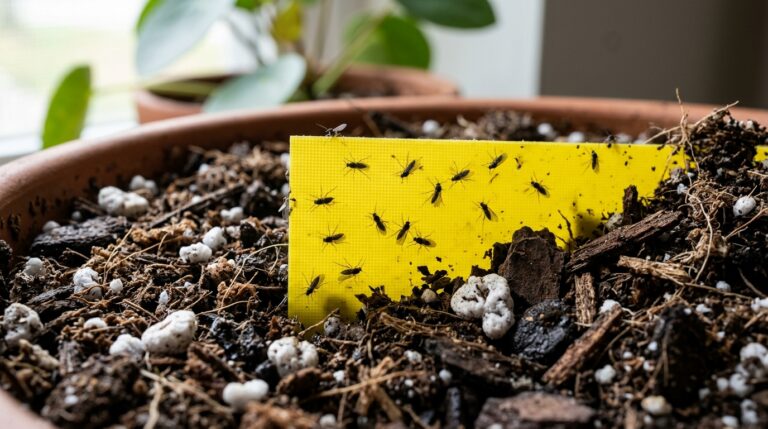
While pests like fruit flies and rodents can be nuisances, they often indicate that your compost pile isn’t properly maintained. Here’s what to do:
- Cover Food Scraps: Bury kitchen scraps under brown material to minimize attraction.
- Avoid Meat and Dairy: These items can attract unwanted animals.
- Secure Your Bin: Use a closed compost bin if pests are a recurring problem.
By implementing these expert gardening tips, you can prevent common composting issues, ensuring a healthy and efficient composting process. Embrace these gardening best practices for a thriving garden!
8. Using Finished Compost: Best Practices for Enriching Your Garden Soil

Using Finished Compost: Best Practices for Enriching Your Garden Soil
Finished compost is a gardener’s gold, providing essential nutrients and improving soil structure. To maximize its benefits, follow these expert-level best practices to enrich your garden soil effectively.
1. When to Apply Finished Compost
Apply finished compost in the spring or fall. This timing allows nutrients to integrate well into the soil before planting. As a rule of thumb, aim for a 1-2 inch layer on the soil surface.
2. How to Incorporate It into Your Soil
- Top Dressing: Spread a layer of compost directly on top of your garden beds. This method improves moisture retention and suppresses weeds.
- Soil Amendment: Mix compost into the soil before planting. Aim for a 25-30% compost to 70-75% soil ratio for optimal results.
- Compost Tea: Brew compost tea by steeping compost in water. Use this nutrient-rich liquid to water your plants for a quick nutrient boost.
3. Common Mistakes to Avoid
Many gardeners overlook the importance of using only finished compost, which can introduce pathogens. Additionally, avoid over-applying; too much compost can lead to nutrient burn.
4. Current Trends in Garden DIY
Embrace the trend of sustainable gardening by utilizing kitchen scraps for composting. This not only enriches your soil but also reduces waste. Furthermore, integrating cover crops can enhance soil health alongside compost application.
By following these best practices, you will not only enrich your garden soil but also foster a thriving ecosystem in your backyard. Remember, the key to successful gardening lies in healthy soil!
Frequently Asked Questions
How do I maintain the right carbon-to-nitrogen ratio in my compost?
To maintain the optimal carbon-to-nitrogen ratio of 30:1, balance “browns” (carbon-rich materials like dried leaves and straw) with “greens” (nitrogen-rich materials like kitchen scraps and grass clippings). Regularly turning your compost pile ensures proper aeration and helps to mix these materials effectively, promoting faster decomposition.
What type of compost bin is best for beginners?
For beginners, a simple compost bin like a tumbler or a wire mesh bin is ideal. Tumblers are easy to turn and manage, while mesh bins provide excellent airflow. Both options help maintain a balanced compost pile, making it easier for you to create nutrient-rich soil for your garden.
What kitchen scraps should I avoid putting in my compost?
Avoid composting meat, dairy, and oily foods, as they can attract pests and create odors. Instead, focus on vegetable scraps, coffee grounds, and eggshells, which provide essential nutrients to your compost and ultimately enrich your garden soil.
How can I layer my compost for effective decomposition?
To layer your compost effectively, start with a base of coarse materials like twigs for aeration, followed by alternating layers of greens and browns. Aim for a balanced mixture and consider adding a handful of soil or finished compost between layers to introduce beneficial microorganisms that speed up the breakdown process.
What should I do if my compost pile smells bad?
If your compost pile has an unpleasant odor, it may be too wet or contain too many nitrogen-rich materials. To remedy this, add more carbon-rich “browns” to the pile, turn it to aerate, and ensure proper moisture levels. A well-balanced compost pile should have a pleasant earthy smell.