Are you tired of bland, store-bought vegetables lacking flavor and nutrients? Imagine plucking fresh, vibrant produce right from your home! Growing indoor vegetable plants is not just a trend; it’s a rewarding journey towards healthier living. Whether you have a green thumb or are just starting out, cultivating your own indoor garden brings numerous benefits, from enhanced air quality to the joy of nurturing life. In this article, we’ll explore the 9 best indoor vegetable plants that are perfect for any space, regardless of size or experience. You’ll discover how easy and satisfying it can be to grow your own food, and we’ll guide you through the best options to ensure success. Say goodbye to bland groceries and hello to fresh, homegrown flavors that elevate your meals. Are you ready to transform your living space into a lush, productive oasis? Let’s dive in and unlock the secrets of successful indoor gardening!
Top 9 Indoor Vegetable Plants for Small Spaces
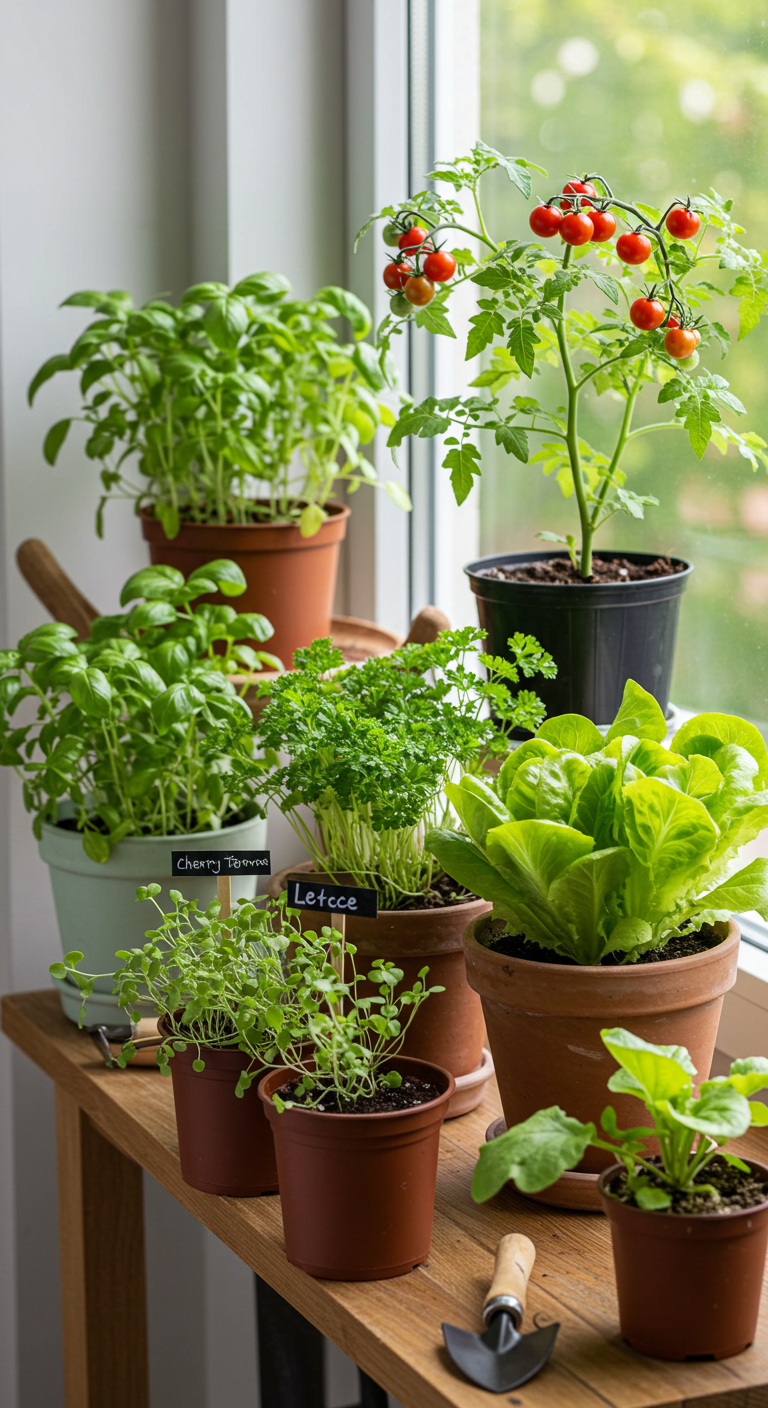
If you’re short on outdoor space but still want to grow your own vegetables, indoor gardening is a great solution. Here are some top vegetable plants that thrive in small spaces and can be easily maintained indoors.
- Herbs: Basil, parsley, and cilantro are compact and grow well on windowsills, adding flavor to your dishes.
- Cherry Tomatoes: These small plants require minimal space and produce sweet, juicy tomatoes perfect for snacking.
- Lettuce: Quick-growing and space-efficient, lettuce can be harvested multiple times, providing fresh salads throughout the season.
- Radishes: Fast-growing and requiring little care, radishes can be grown in small pots and harvested in just a few weeks.
Opt for these vegetables to enjoy a productive indoor garden while maximizing your limited space.
How to Choose the Right Pot for Indoor Vegetables
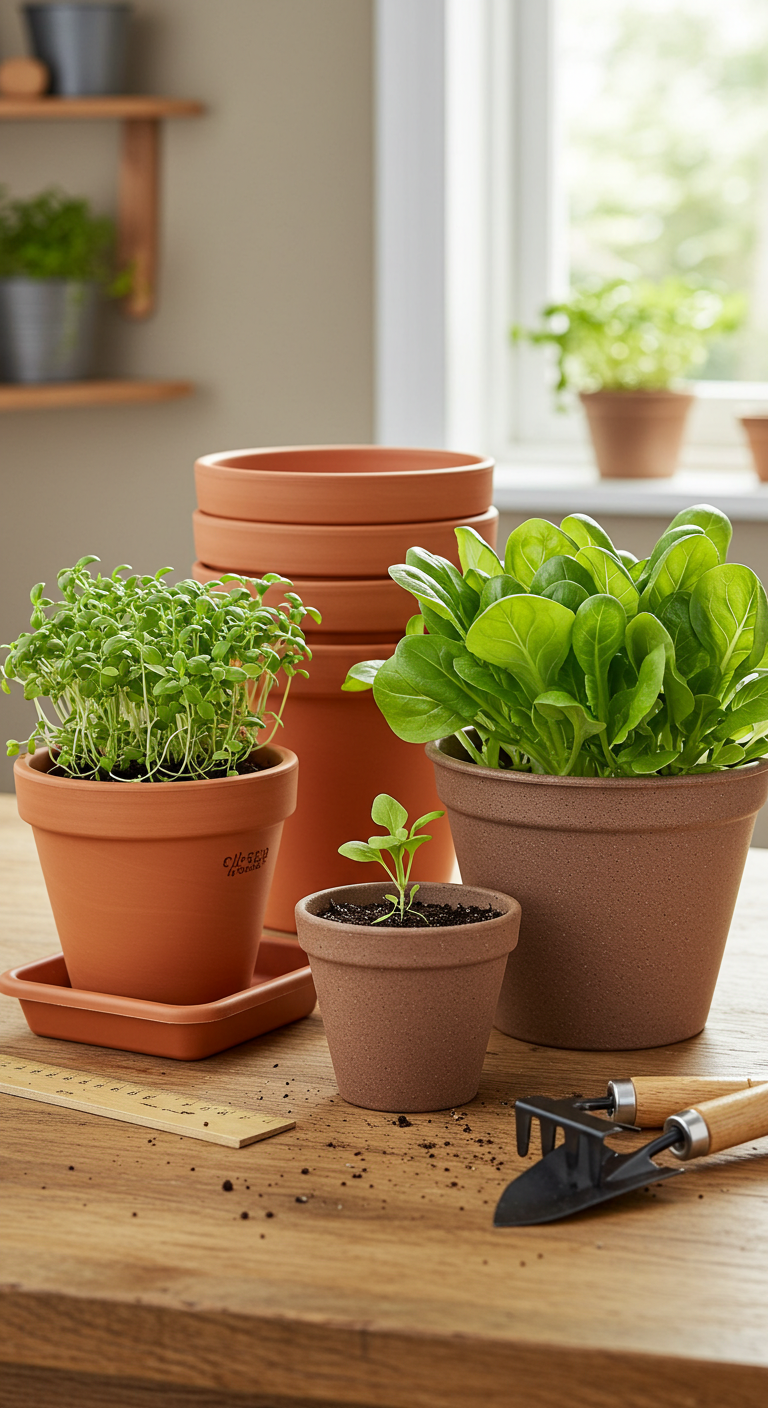
Choosing the right pot for indoor vegetables is crucial for their growth and health. The right pot not only provides adequate space but also supports proper drainage and air circulation. Here are some key factors to consider when selecting your pots.
- Size: Choose a pot that offers enough room for root growth; larger plants require bigger pots to thrive.
- Material: Opt for materials like clay or plastic; clay pots provide better aeration, while plastic pots are lightweight and retain moisture longer.
- Drainage: Ensure the pot has drainage holes to prevent waterlogging, which can harm the roots and lead to root rot.
- Weight: Consider the weight of the pot when filled with soil; lighter pots are easier to move, especially for indoor gardening.
Selecting the right pot will significantly enhance your indoor gardening experience and the health of your vegetables.
Best Soil Types for Thriving Indoor Vegetables
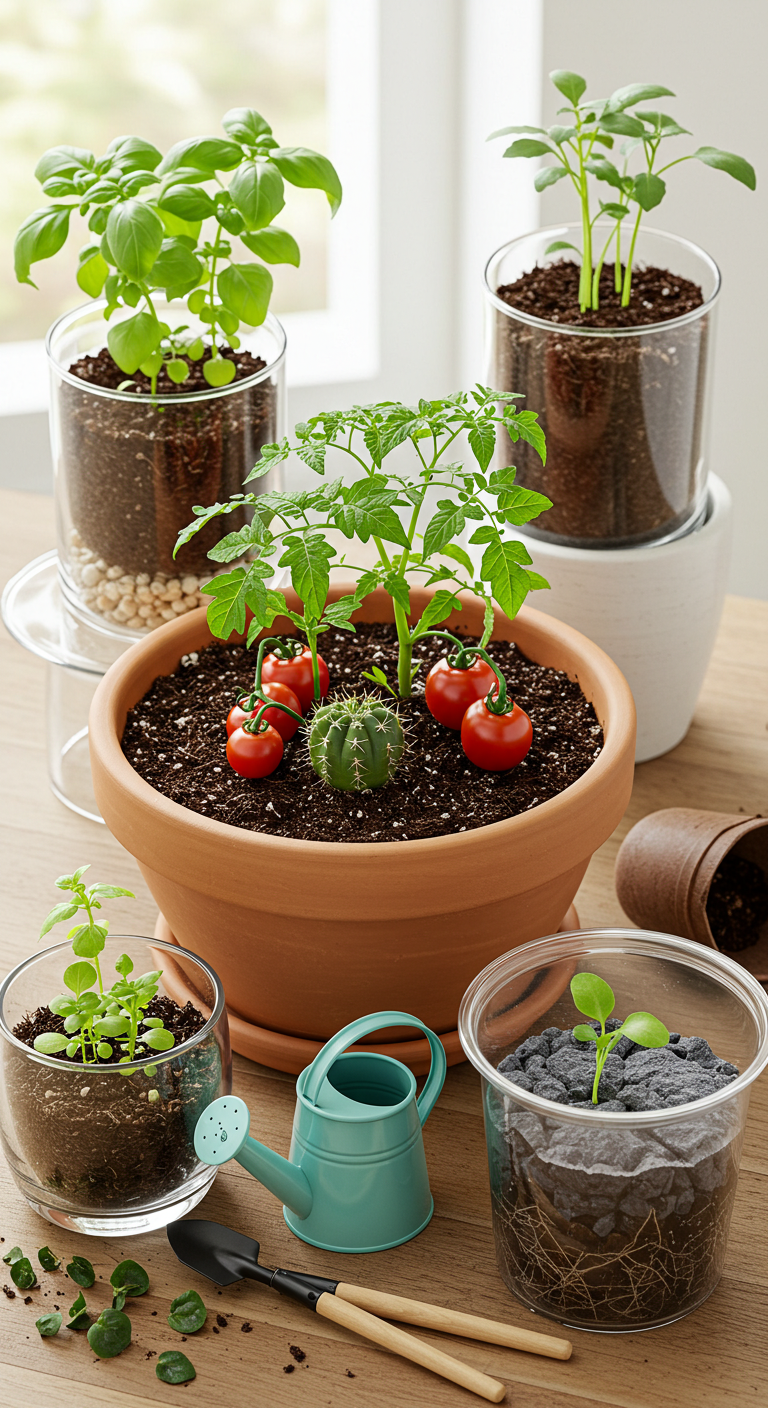
Choosing the right soil type is crucial for the success of indoor vegetable gardening. The ideal soil not only supports healthy growth but also enhances nutrient availability and drainage.
- Potting Mix: A balanced potting mix is lightweight and often includes ingredients like peat moss, vermiculite, and perlite, providing excellent drainage and aeration.
- Organic Soil: Organic soil is enriched with natural compost and nutrients, promoting a healthy ecosystem for plants while ensuring chemical-free growth.
- Cactus Mix: For succulents and certain vegetables, a cactus mix offers superior drainage due to its sandy texture, preventing root rot while retaining some moisture.
- Hydroponic Medium: Using a hydroponic medium like coconut coir or rock wool allows for soilless growing, providing excellent support and aeration for roots while being easy to manage.
Ultimately, selecting the right soil type tailored to your indoor vegetables will lead to a more fruitful and enjoyable gardening experience.
Essential Lighting Tips for Indoor Vegetable Growth
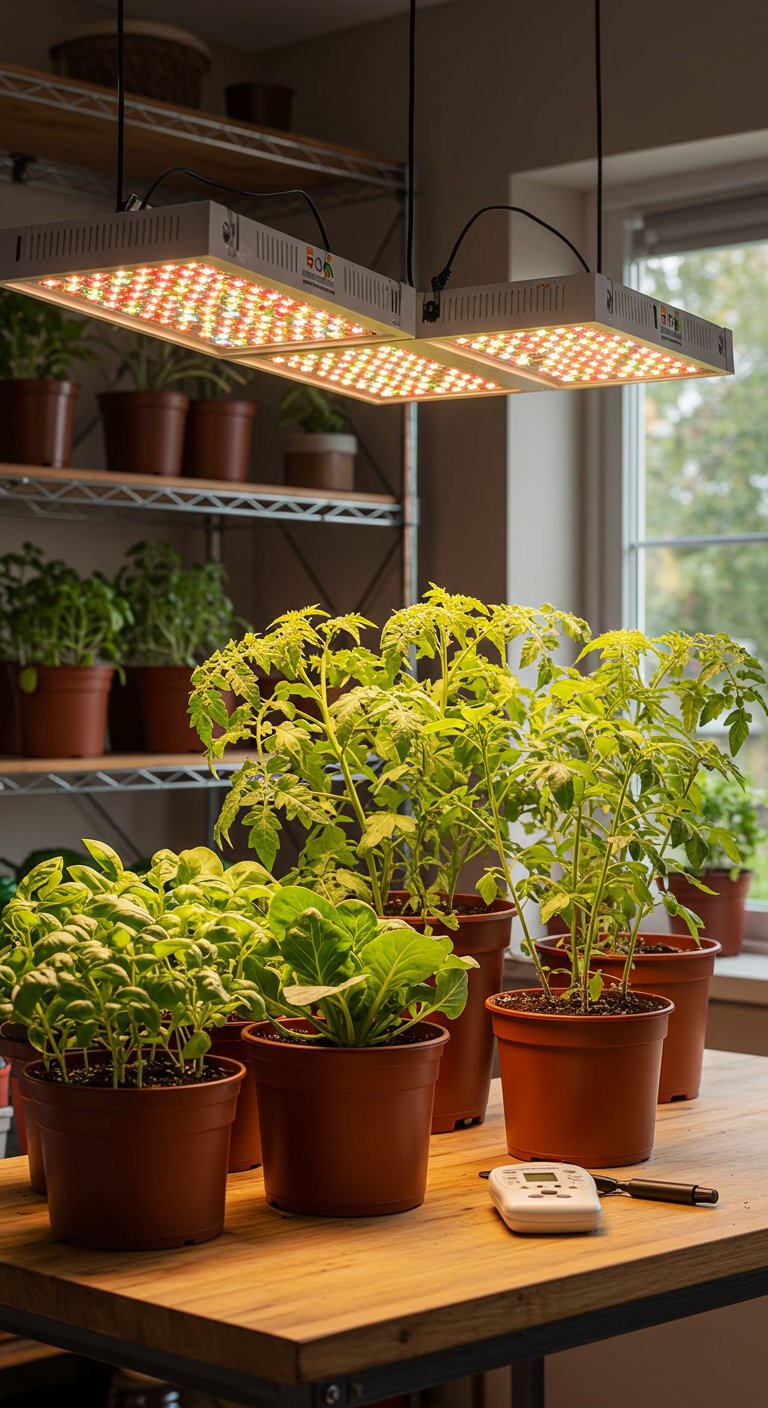
Indoor vegetable growth thrives on proper lighting. Understanding the needs of your plants and providing adequate light can significantly enhance growth and yield. Here are some essential lighting tips to help you cultivate a successful indoor garden.
- Choose the Right Light Type: Use full-spectrum LED grow lights, which provide a balanced light spectrum suitable for all growth stages.
- Determine Light Duration: Most vegetables require 12-16 hours of light per day, so use timers to maintain a consistent schedule.
- Position Lights Correctly: Position lights 6-12 inches above your plants to prevent light burn while ensuring adequate coverage.
- Monitor Plant Response: Adjust light intensity and duration based on how your plants respond, ensuring optimal growth conditions.
By following these lighting tips, you can create an ideal environment for your indoor vegetable garden, maximizing your harvest potential.
Watering Techniques for Healthy Indoor Plants
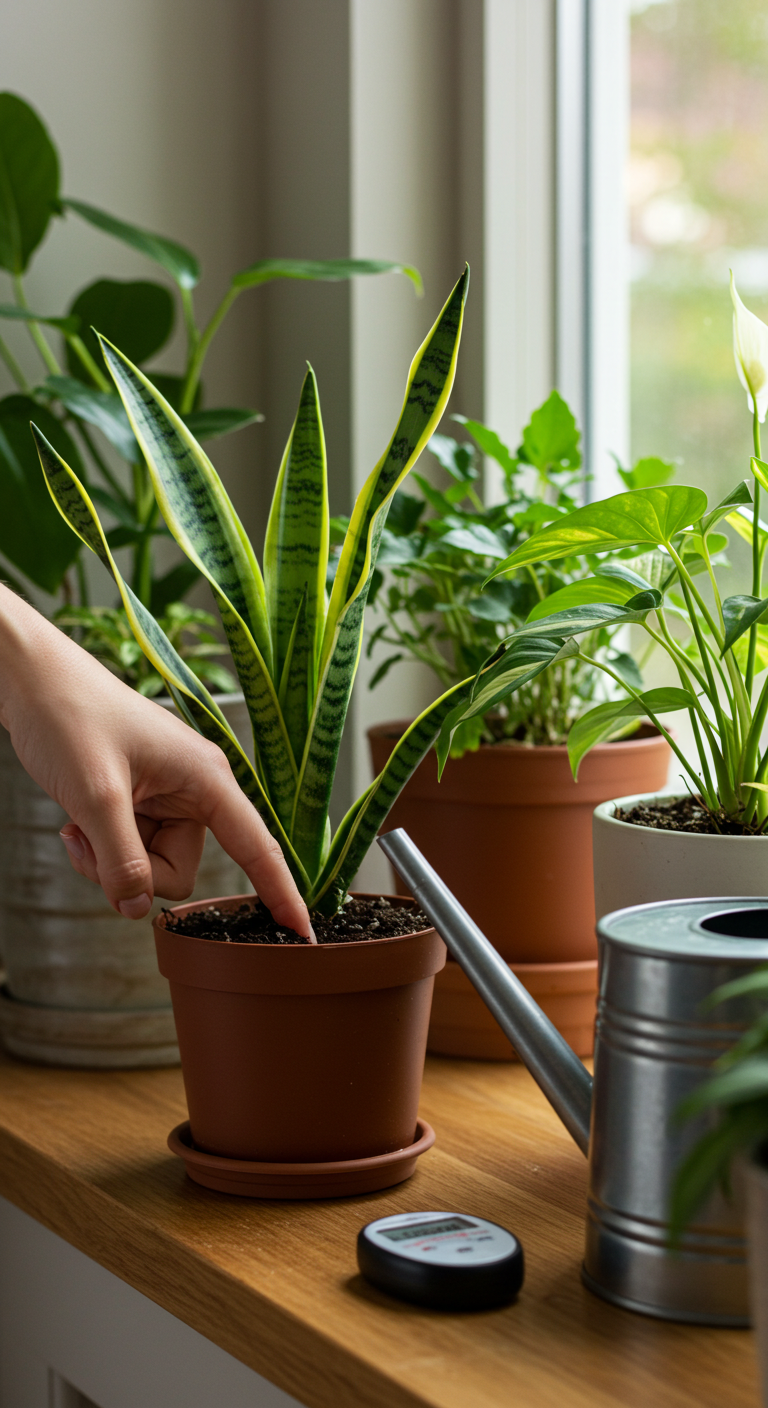
Watering techniques play a crucial role in maintaining the health of indoor plants. Understanding the right methods can help prevent overwatering and underwatering, ensuring your plants thrive. Here are some effective watering techniques to keep your indoor greenery flourishing.
- Check Soil Moisture: Always check the soil moisture before watering; stick your finger about an inch into the soil. If it feels dry, it’s time to water.
- Water Thoroughly: When watering, ensure that the water penetrates the root zone. Water until you see it drainage from the bottom of the pot.
- Use Room Temperature Water: Use water that is at room temperature to avoid shocking the plant. Cold water can stress the roots.
- Adjust Frequency with Seasons: Change your watering frequency based on the season; plants typically need more water in the growing season and less in the dormant period.
By following these techniques, you can promote a thriving indoor plant environment.
Common Pests and Solutions for Indoor Vegetables
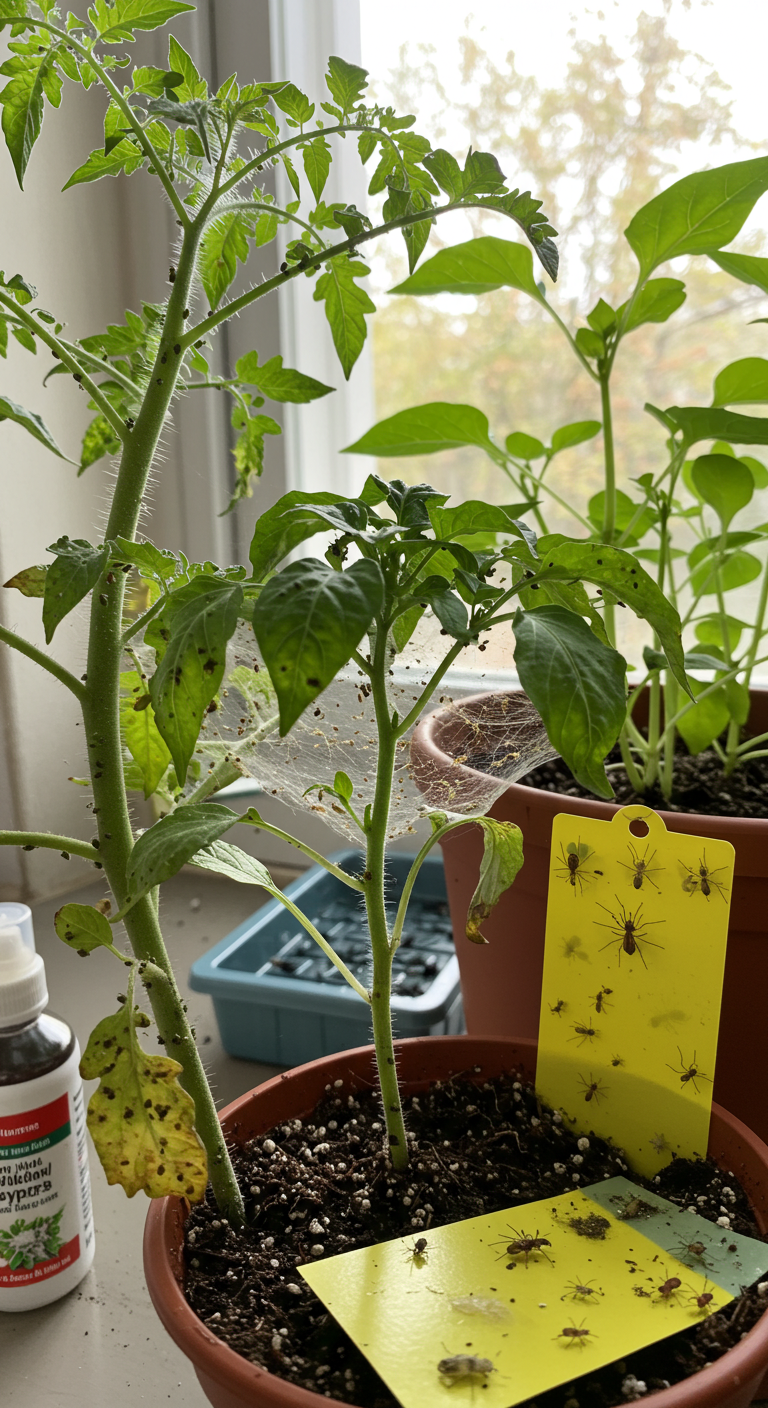
Indoor vegetable gardening can be a rewarding experience, but it often comes with its own set of challenges, particularly pests. Identifying common pests and implementing effective solutions is crucial for maintaining healthy plants and maximizing yields.
- Aphids: These small insects suck sap from plants, leading to stunted growth. Use insecticidal soap or neem oil to control their population.
- Spider Mites: These pests create fine webs and can cause leaf discoloration. Increase humidity and apply miticides or insecticidal soap to eliminate them.
- Fungus Gnats: The larvae feed on plant roots, causing damage. Allow the soil to dry between waterings and use yellow sticky traps to monitor and reduce their numbers.
- Whiteflies: These tiny, white insects also feed on plant sap and can be controlled using sticky traps and insecticidal soap.
Regular monitoring and prompt action can help keep your indoor vegetable garden thriving.
Fertilization Strategies for Indoor Plant Success
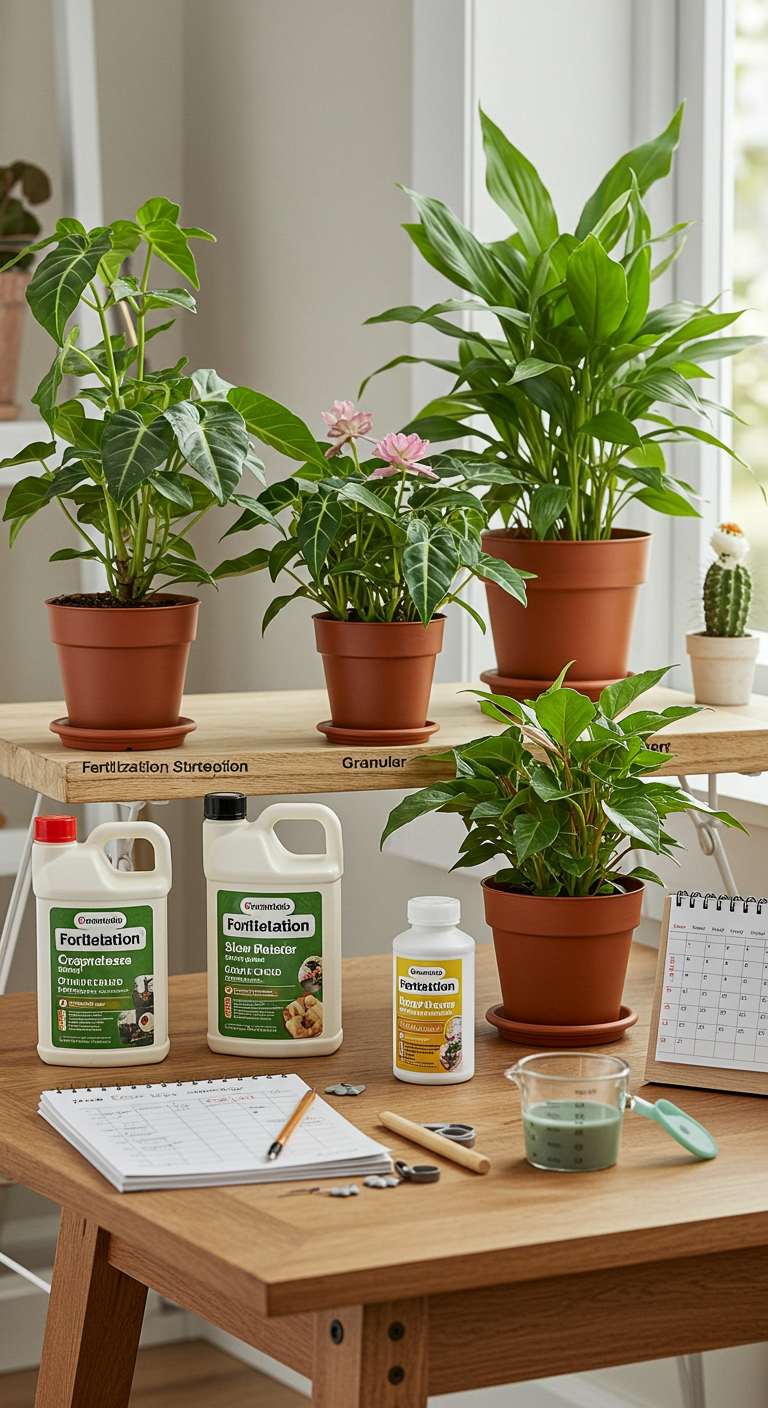
Fertilization is crucial for the health and growth of indoor plants. Understanding the right strategies can help you provide the necessary nutrients for thriving greenery in your home.
- Choose the Right Fertilizer: Select a balanced fertilizer that suits the specific needs of your plants, whether it’s liquid, granular, or slow-release.
- Follow a Schedule: Create a fertilization schedule based on your plant’s growth cycle, typically every 4-6 weeks during the growing season.
- Monitor Plant Health: Regularly check for signs of nutrient deficiency, such as yellowing leaves, and adjust your fertilization approach accordingly.
- Consider Environmental Factors: Take into account factors like light, humidity, and temperature, as they can influence how often and how much you should fertilize.
By applying these strategies, you can ensure your indoor plants receive the nutrients they need for optimal growth and health.
Seasonal Indoor Vegetable Planting Guide
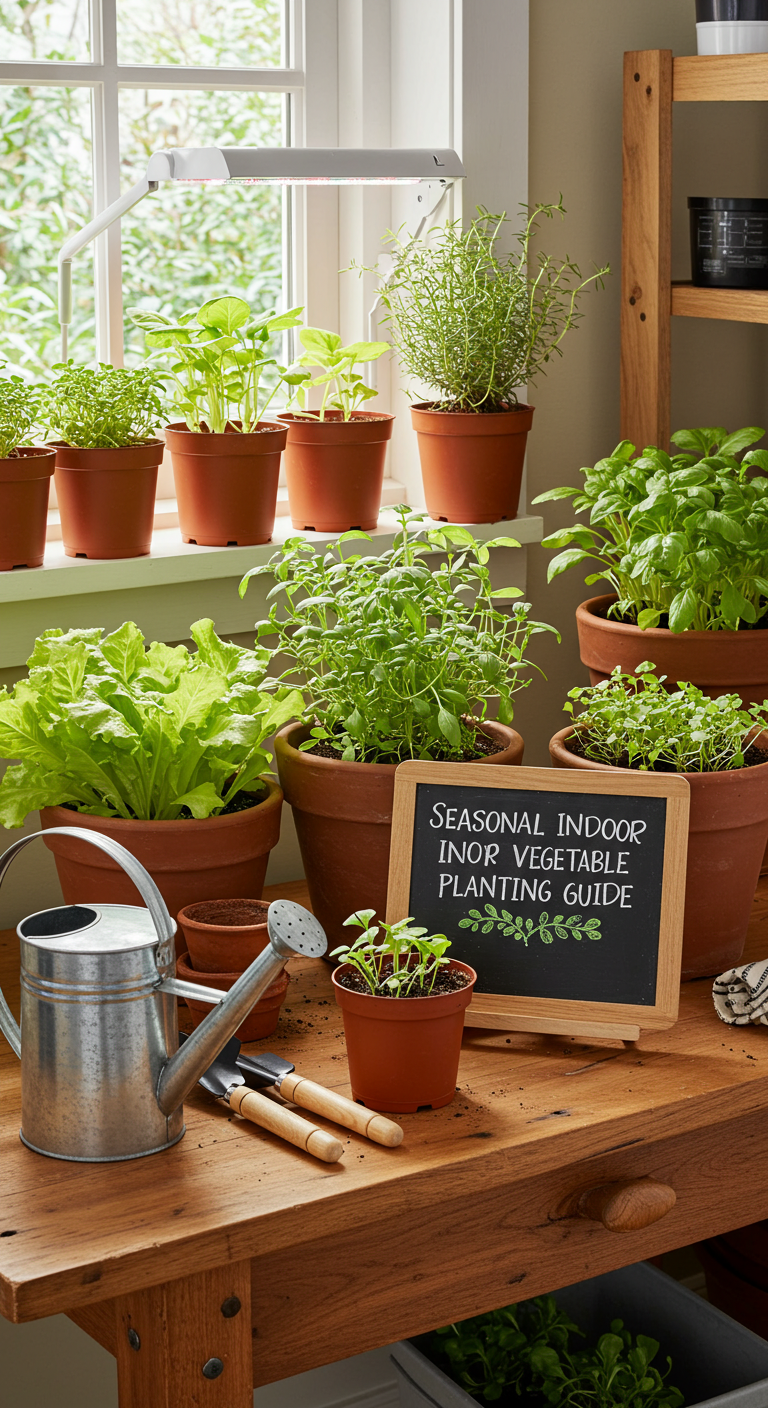
Indoor vegetable gardening can be a rewarding way to enjoy fresh produce throughout the year. By understanding seasonal planting cycles, you can optimize your indoor space for various vegetables. This guide provides essential tips for successful indoor planting.
- Choose the Right Vegetables: Select fast-growing, compact vegetables like lettuce, radishes, and herbs that thrive in limited space and light conditions.
- Monitor Light Conditions: Ensure your plants receive adequate light, either from natural sunlight or grow lights, to promote healthy growth.
- Maintain Optimal Temperature: Keep indoor temperatures between 65°F and 75°F (18°C – 24°C) to create a comfortable environment for most vegetables.
- Water Wisely: Water your plants consistently, allowing the top inch of soil to dry out before rehydrating to prevent root rot.
By following these guidelines, you can successfully grow a variety of vegetables indoors, enhancing your culinary experience year-round.
Creative Ways to Display Indoor Vegetable Plants
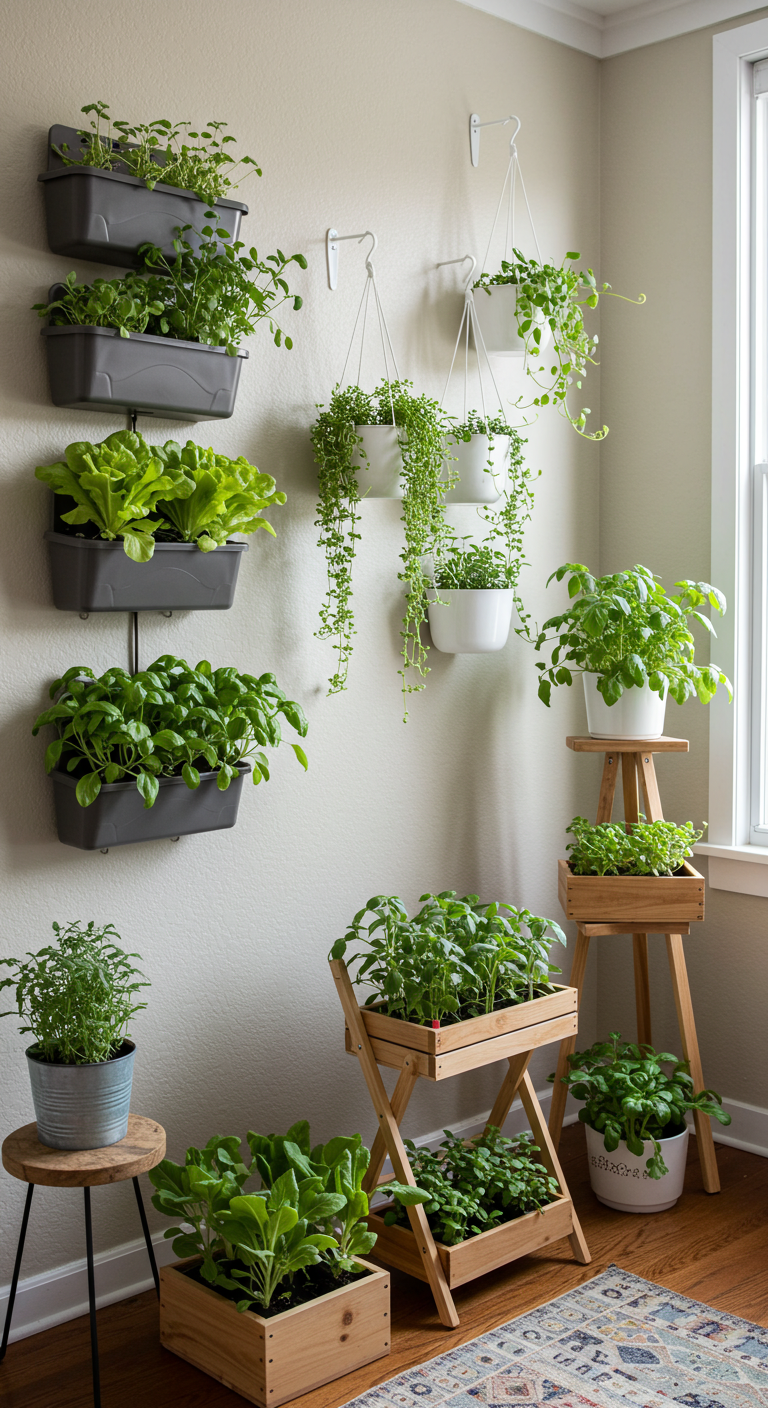
Indoor vegetable gardening can be a rewarding way to incorporate greenery into your home while also providing fresh produce. Creative displays not only enhance the aesthetic of your space but also optimize plant growth. Here are some innovative ways to showcase your indoor vegetable plants.
- Vertical Gardens: Utilize wall-mounted planters or shelves to create a vertical garden, saving floor space while showcasing your plants in a trendy way.
- Hanging Planters: Suspend pots from the ceiling or wall brackets to add dimension and interest, making sure to choose lightweight options for easy maintenance.
- Tiered Plant Stands: Use multi-tiered plant stands to display various vegetable plants at different heights, ensuring each plant receives adequate light and attention.
- Repurposed Containers: Transform unique items like wooden crates or old teacups into charming plant holders, adding character while being eco-friendly.
Embrace your creativity to turn your indoor vegetable garden into a stunning focal point in your home.