If you’ve noticed your tomato leaves turning yellow, it’s a sign that something is off in your garden. While tomatoes are known for their vibrant green foliage, yellowing leaves can be an indication of various underlying issues that need your attention. Understanding the reasons for this change is essential for ensuring the health of your plants and maximizing your harvest.
In this article, we’ll explore nine common reasons why tomato leaves may turn yellow, providing you with actionable insights and practical solutions. From nutrient deficiencies to environmental stressors, each factor plays a crucial role in your plant’s overall vitality. By identifying the cause of yellowing leaves, you’ll empower yourself to nurture your tomato plants back to health and enjoy a bountiful crop.
Whether you’re a seasoned gardener or just starting, this guide will equip you with the knowledge to diagnose and remedy your tomato plant issues. Let’s dive into the world of tomato care and ensure your plants thrive as they grow towards delicious, juicy fruits.
1. Nutrient Deficiencies Need Attention
One of the most common reasons for yellowing tomato leaves is nutrient deficiencies, particularly in nitrogen, magnesium, or iron. Nitrogen is essential for leaf growth and overall plant vigor, so when levels are low, older leaves may yellow and drop. Magnesium is crucial for chlorophyll production, and a deficiency can also lead to yellowing, especially between the veins of the leaves.
To address nutrient deficiencies, consider conducting a soil test to determine what your tomato plants are lacking. Based on the results, you can amend the soil with organic fertilizers or nutrient-rich compost to restore balance. For instance, adding a balanced fertilizer that contains nitrogen can quickly revive yellowing leaves, while Epsom salt can supplement magnesium levels.
Additionally, ensuring that you are watering your plants appropriately can aid in nutrient uptake. When plants are under-watered or over-watered, they may struggle to absorb essential nutrients, leading to symptoms like yellowing leaves. Regularly monitor your soil moisture and adjust your watering schedule as needed.
2. Pests Are Hiding in the Foliage
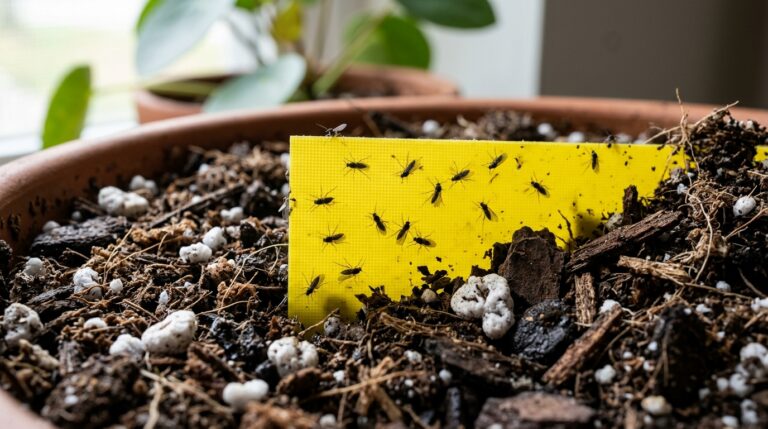
Pest infestations are another culprit behind yellowing tomato leaves. Common pests such as aphids, spider mites, and whiteflies can sap the plant’s vitality by feeding on the sap and weakening the leaves. This stress can manifest as yellowing or curling leaves, particularly on tender new growth.
To combat pests, start by inspecting your plants regularly for any signs of infestations. Look for small insects, webbing, or sticky residue on the leaves. If you suspect pests, you can use insecticidal soap or neem oil, both of which are effective natural solutions that won’t harm beneficial insects. Regularly washing your plants with water can also help dislodge pests.
In addition, introducing beneficial insects like ladybugs can help control pest populations naturally. These insects feed on aphids and other harmful pests, providing an eco-friendly way to keep your garden thriving. By staying vigilant and proactive, you can maintain healthy tomato plants free from pest-induced stress.
3. Overwatering Leads to Stress
Overwatering is a common mistake that can lead to yellowing leaves in tomato plants. When the soil remains consistently wet, it can suffocate the roots and lead to root rot, which prevents the plant from absorbing nutrients effectively. Symptoms of overwatering often include yellowing leaves, wilting, and a general decline in plant health.
To remedy this, assess your watering schedule. Tomatoes generally prefer to dry out slightly between waterings, so it’s essential to allow the top inch of soil to dry before watering again. Consider using well-draining soil and pots with drainage holes to prevent water from pooling at the roots.
If you suspect root rot has set in, you may need to remove the affected plants and replant them in fresh soil. To avoid future issues, monitor the weather and adjust your watering frequency accordingly, especially during rainy periods. By maintaining a consistent and appropriate watering routine, your tomato plants will thrive without the stress of overwatering.
4. Temperature Extremes Can Shock Plants
Tomatoes thrive in warm temperatures, but extreme heat or cold can lead to yellowing leaves. When temperatures soar above 90°F (32°C) during the day or drop below 50°F (10°C) at night, your tomato plants may experience stress. Heat stress can cause leaf drop, while cold stress can slow growth and lead to yellowing.
To protect your plants from temperature extremes, consider using row covers during cold nights or providing shade cloth during heat waves. These protective measures can help regulate the environment around your plants, minimizing temperature fluctuations that may cause stress.
Additionally, selecting heat-tolerant or cold-resistant tomato varieties can make a significant difference in your garden’s success. By understanding and addressing temperature extremes, you can create a more stable growing environment for your tomatoes, promoting healthy foliage and fruit production.
5. Insufficient Sunlight Affects Growth
Tomatoes require plenty of sunlight to grow healthy and strong, ideally around 6-8 hours of direct sunlight each day. If your plants are not receiving enough light, they may become leggy, and the leaves can turn yellow as the plant struggles to photosynthesize effectively.
To remedy insufficient sunlight, evaluate the placement of your tomato plants. If they are shaded by other plants or structures, consider relocating them to a sunnier spot in your garden or using reflective materials to direct more sunlight toward them. Container-grown tomatoes can be easily moved to sunnier locations if needed.
In addition to sunlight, ensure that your plants have adequate airflow around them. This can help with photosynthesis and reduce the risk of fungal diseases. By maximizing sun exposure and airflow, you’ll encourage vibrant green growth and healthier tomato plants.
6. Soil pH Imbalances Cause Distress
Soil pH plays a crucial role in nutrient availability, and an imbalance can lead to yellowing leaves in tomato plants. Tomatoes prefer a slightly acidic soil pH between 6.0 and 6.8. If the pH is too high or too low, essential nutrients may become unavailable, leading to deficiencies that manifest as yellow leaves.
To check your soil’s pH, consider using a home testing kit, which can provide valuable insights into the acidity or alkalinity of your soil. If you find that your soil pH is off, you can amend it using products like lime to raise pH or sulfur to lower it.
Regularly testing and adjusting your soil pH can lead to healthier plants and a more productive harvest. Additionally, incorporating organic matter such as compost can help buffer pH levels and improve soil health over time, ensuring your tomatoes thrive in optimal conditions.
7. Root Bound Plants Struggle to Thrive
If your tomato plants are growing in containers, they may become root bound, leading to yellowing leaves and stunted growth. When roots run out of space to grow, they can become cramped and tangled, impeding the plant’s ability to absorb water and nutrients effectively.
To prevent root bound conditions, choose appropriately sized containers that allow for ample root growth. If you notice yellowing leaves and a lack of growth, it may be time to repot your tomatoes into larger containers with fresh soil. This will give the roots more space to expand and improve overall plant health.
Regularly check the drainage holes of your pots to ensure proper drainage, as standing water can further exacerbate stress. By providing your tomato plants with ample room to grow, you can help them flourish and produce a bountiful harvest.
8. Transplant Shock Can Hinder Growth
Transplanting tomato plants can lead to transplant shock, which is often characterized by yellowing leaves and slowed growth. This shock occurs when the plants are moved from one location to another, disrupting their root systems and environmental conditions. It’s essential to handle your plants with care during this transition to minimize stress.
To reduce the risk of transplant shock, ensure that you harden off your seedlings before transferring them outdoors. This process involves gradually acclimatizing them to outdoor conditions over a week or two. Additionally, be mindful of the timing of your transplanting; choose a cloudy day or transplant in the evening to lessen the shock.
After transplanting, provide your plants with consistent watering and avoid fertilizing them immediately, as they need time to adjust. By taking these steps, you can help your tomato plants recover from transplant shock and encourage healthy growth.
Frequently Asked Questions
What causes yellow leaves on tomato plants?
Yellow leaves on tomato plants can result from a variety of factors, including nutrient deficiencies, overwatering, pests, and environmental stress. Nutrient deficiencies, particularly in nitrogen, magnesium, or iron, can lead to yellowing, as the plants struggle to produce chlorophyll. Overwatering or poor drainage often results in root rot, which impairs nutrient uptake and can cause yellowing leaves.
Additionally, extreme temperatures, insufficient sunlight, or transplant shock can contribute to yellow foliage. Regular monitoring of your plants and addressing any of these issues promptly can help maintain their health and vigor.
How can I fix yellowing leaves on my tomato plants?
To fix yellowing leaves on tomato plants, start by diagnosing the underlying cause. If nutrient deficiencies are suspected, consider amending the soil with organic fertilizers or compost to restore essential nutrients. For overwatering issues, adjust your watering schedule and ensure proper drainage in the pots or garden beds.
If pests are present, treat your plants with insecticidal soap or neem oil to eliminate the infestations. Furthermore, ensure that your plants receive adequate sunlight and are protected from extreme temperature fluctuations. By addressing these factors, you can help your tomato plants regain their vibrant green color.
When should I be concerned about yellowing leaves?
You should be concerned about yellowing leaves if the condition persists or worsens despite your efforts to address it. If you notice a significant number of leaves turning yellow, especially if they are accompanied by wilting, drooping, or other signs of distress, it may indicate a more serious issue such as root rot or severe pest infestations.
Additionally, if yellowing occurs rapidly or spreads from one plant to another, it could point to an infectious disease or environmental stress. In such cases, it’s crucial to take immediate action to diagnose and rectify the issue to prevent further damage to your plants.
Can yellow leaves recover?
In some cases, yellow leaves on tomato plants can recover if the underlying issue is promptly addressed. For instance, if the yellowing is due to a temporary nutrient deficiency or slight overwatering, correcting these problems can lead to new growth and healthier leaves. However, if leaves are severely damaged, they may not turn green again but can still contribute to the plant’s overall health until they naturally fall off.
It’s essential to focus on improving the overall care and conditions for your tomato plants, as this will encourage new growth and healthier foliage. Regular monitoring and adjustments can help ensure your plants thrive moving forward.
How can I prevent yellow leaves on my tomato plants?
Preventing yellow leaves on tomato plants involves proactive care and attention to their needs. Start by ensuring your plants receive adequate sunlight, water, and nutrients. Regularly inspect for pests and diseases, and use preventive measures such as crop rotation or companion planting to reduce the risk of infestations.
Additionally, maintain proper soil pH and drainage to create an optimal growing environment. Incorporating organic matter into the soil can also enhance its nutritional content and structure, reducing the likelihood of nutrient deficiencies. By taking these preventative steps, you can help keep your tomato plants healthy and vibrant.
Understanding the reasons behind yellowing leaves in tomato plants is crucial for any gardener aiming for a successful harvest. By addressing nutrient deficiencies, managing watering practices, and protecting your plants from pests and environmental stress, you can foster a thriving growing environment. Regular monitoring and swift action will not only help restore your tomato plants but also enhance your overall gardening experience.
As you apply these insights and solutions, remember that gardening is a journey of learning and adaptation. Embrace the challenges, celebrate your successes, and enjoy the process of nurturing your plants to a fruitful harvest. Start implementing these tips today, and watch your tomato plants flourish like never before.