1. DIY Trellis Designs for Vertical Vegetable Gardens

DIY Trellis Designs for Vertical Vegetable Gardens
Creating a vertical vegetable garden not only maximizes your space but also enhances the aesthetic appeal of your garden. DIY trellis designs are an excellent solution for supporting climbing vegetables such as tomatoes, cucumbers, and peas. Here’s a guide to crafting effective trellises that suit your gardening needs.
Simple Trellis Designs
Consider these easy-to-build trellis options:
- A-Frame Trellis: Constructed from two wooden posts and connected with a crossbeam at the top, this design is perfect for beans and peas.
- Wire Mesh Trellis: Attach wire mesh to a wooden frame; this is ideal for cucumbers and squash, providing ample support.
- Recycled Pallet Trellis: Upcycle a wooden pallet by leaning it against a wall. It’s a rustic option for tomatoes and climbing flowers.
Step-by-Step Guidance
To build a basic A-frame trellis:
- Gather materials: two 6-foot wooden stakes and a crossbeam (around 4 feet).
- Drive the stakes into the ground at a 45-degree angle.
- Attach the crossbeam at the top to connect both stakes.
- Secure with screws for added stability.
Expert Tips and Common Mistakes
To ensure your vertical garden thrives:
- Choose the right materials—avoid untreated wood that might rot.
- Position your trellis in full sun for optimal growth.
- Regularly check for pests and diseases that can affect climbing plants.
Common mistakes to avoid include overloading your trellis and neglecting to provide adequate watering, as vertical gardens can dry out faster than traditional beds.
Utilizing these DIY trellis designs can significantly enhance your vegetable gardening experience, allowing you to cultivate a wider variety of crops while conserving space. Embrace vertical gardening today!
2. Building a Raised Bed Enclosure: Tips and Techniques

Building a Raised Bed Enclosure: Tips and Techniques
Creating a raised bed enclosure is an excellent way to enhance your vegetable gardening experience. This technique not only provides a defined space for your plants but also protects them from pests and improves soil drainage. Here are some expert tips and techniques to get you started.
Choosing the Right Materials
Select durable materials such as cedar, redwood, or composite lumber for your raised bed. Avoid treated wood, as chemicals can leach into the soil. Aim for a height of 12-24 inches to facilitate easy access and optimal root development.
Step-by-Step Guide to Building Your Raised Bed Enclosure
- Location: Choose a sunny spot that receives at least 6-8 hours of sunlight daily.
- Dimensions: Construct your raised bed to be at least 4 feet wide for easy access from both sides.
- Assembly: Secure the corners using brackets or screws for stability. Consider adding a removable top to deter larger pests.
- Soil Preparation: Fill the enclosure with a mix of topsoil, compost, and organic matter to create a nutrient-rich environment.
Common Mistakes to Avoid
- Ignoring Drainage: Ensure your raised bed has adequate drainage holes to prevent waterlogging.
- Overcrowding Plants: Follow spacing guidelines for each vegetable to promote healthy growth.
- Neglecting Maintenance: Regularly monitor for pests and weeds to keep your garden thriving.
Best Practices for Success
Incorporate crop rotation and companion planting to maximize your yield. Utilize mulch to retain moisture and suppress weeds. Stay informed about current trends like vertical gardening and permaculture principles to further enhance your raised bed enclosure.
By following these expert tips and techniques, you can successfully build a raised bed enclosure that will improve your vegetable gardening efforts while providing a sustainable and productive growing environment.
3. Using Fencing to Protect Your Vegetable Garden from Pests

Using Fencing to Protect Your Vegetable Garden from Pests
Protecting your vegetable garden from pests is crucial for a thriving harvest. One of the most effective methods is using fencing. In this guide, we’ll explore how to choose the right fence, common gardening mistakes to avoid, and best practices to ensure your garden flourishes.
Choosing the Right Fence
When selecting fencing for your vegetable garden, consider these factors:
- Height: A fence should be at least 3-4 feet tall to deter larger animals such as deer.
- Material: Use sturdy materials like chicken wire or welded wire for smaller pests, or opt for wooden or vinyl fencing for added durability.
- Design: Ensure the fence is well-constructed without gaps, as even small openings can allow pests like rabbits or raccoons to enter.
Common Gardening Mistakes to Avoid
Many gardeners overlook fencing or choose ineffective designs. Here are key mistakes to avoid:
- Neglecting to secure the base, allowing burrowing pests to enter.
- Using materials that degrade quickly under weather conditions.
- Failing to consider the types of pests in your area.
Best Practices for Fencing Your Garden
To maximize the effectiveness of your garden fencing, follow these expert tips:
- Regular Inspections: Check your fence regularly for damages or signs of wear.
- Combine Strategies: Use fencing in conjunction with other pest control methods, such as companion planting or organic repellents.
- Seasonal Adjustments: Adjust your fencing based on seasonal pest activity to stay ahead of potential invasions.
By implementing these strategies, you can safeguard your vegetable garden from pests effectively. Remember, a well-fenced garden is the foundation of a successful harvest!
4. Creating a Greenhouse: The Perfect Enclosure for Vegetables

Creating a Greenhouse: The Perfect Enclosure for Vegetables
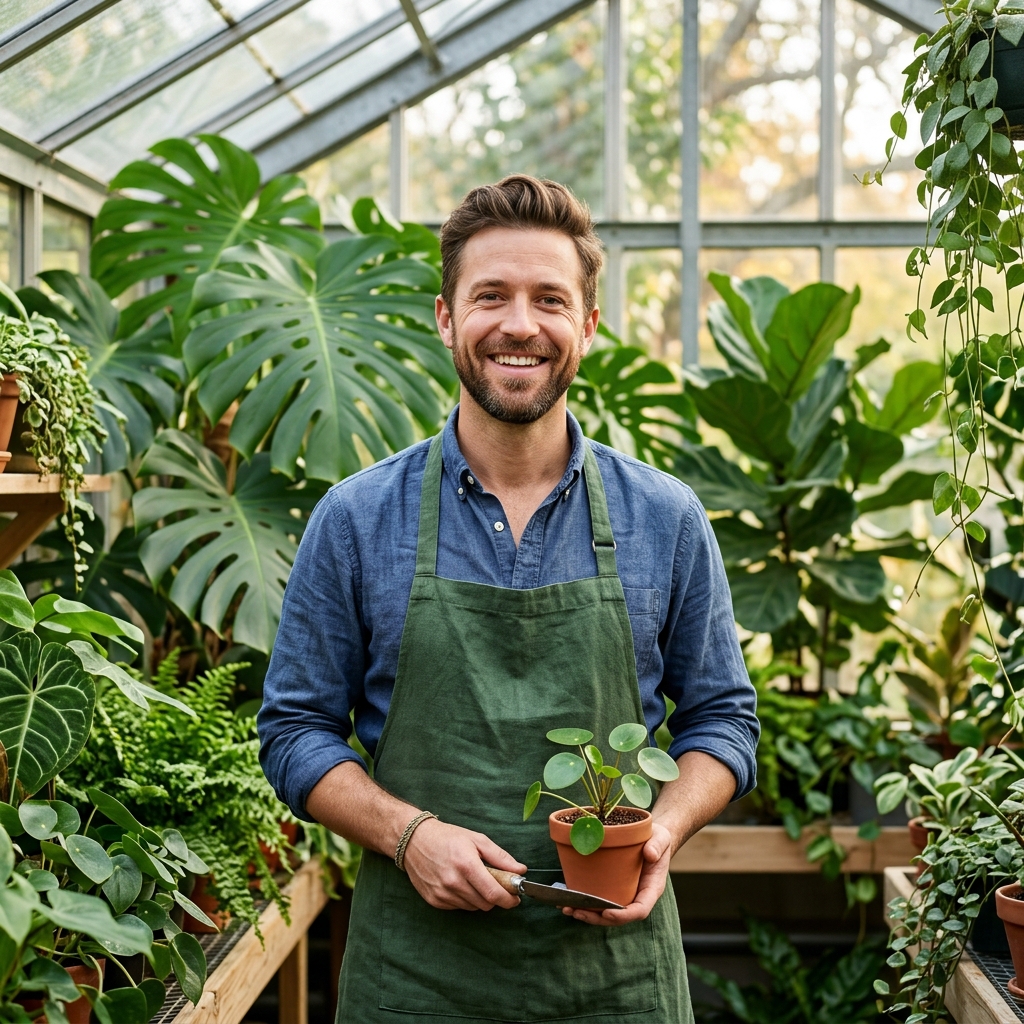
Building a greenhouse is an excellent way to extend your vegetable gardening season and create a controlled environment for optimal plant growth. This enclosure allows you to grow various vegetables year-round, providing protection from harsh weather conditions and pests.
Step-by-Step Guide to Building Your Greenhouse
- Choose the Right Location: Select a sunny spot that receives at least 6-8 hours of sunlight daily. Ensure good drainage and accessibility.
- Select Materials: Common materials include polycarbonate panels for durability or greenhouse film for cost-effectiveness. Consider using a sturdy frame made from aluminum or wood.
- Design Your Layout: Plan the interior layout for optimal airflow and space. Incorporate shelves for herbs and smaller vegetables, and designate areas for larger plants.
- Ventilation: Ensure proper ventilation with roof vents and side windows to maintain humidity levels and temperature, crucial for vegetable health.
Expert Gardening Tips and Tricks
To maximize your greenhouse’s potential, consider the following:
- Utilize vertical gardening techniques to save space.
- Implement a drip irrigation system to efficiently water your crops.
- Rotate your vegetable crops annually to prevent soil depletion and pest buildup.
Common Gardening Mistakes to Avoid
When creating a greenhouse, avoid these pitfalls:
- Neglecting to monitor temperature and humidity levels, which can harm your plants.
- Overcrowding your greenhouse, leading to poor air circulation and increased disease risk.
- Failing to invest in quality materials, which may result in structural issues over time.
By following these best practices and utilizing current trends in vegetable gardening, such as hydroponics and companion planting, you can create a thriving greenhouse that supports your gardening ambitions.
5. Composting Bins as a Dual-Purpose Garden Enclosure

Composting Bins as a Dual-Purpose Garden Enclosure
Composting bins are not only essential for recycling organic waste but can also serve as a functional garden enclosure. By integrating your composting system into your vegetable garden, you can create a dual-purpose space that enhances both waste management and garden aesthetics.
Why Use a Composting Bin?
Composting bins offer several benefits, including:
- Efficient Waste Management: Reduce kitchen scraps and yard waste.
- Nutrient-Rich Soil: Produce high-quality compost to enrich your vegetable garden.
- Space Optimization: Utilize vertical space by selecting compact bin designs.
Steps to Create Your Composting Bin Enclosure
- Select the Right Location: Choose a well-drained, sunny area near your vegetable garden.
- Choose Your Bin Style: Opt for a wooden, wire, or plastic bin based on your garden’s aesthetics and space.
- Layer Materials: Start with coarse materials like twigs, followed by green (nitrogen-rich) and brown (carbon-rich) materials.
- Turn Regularly: Aerate your compost every few weeks to accelerate decomposition.
- Monitor Moisture: Keep the compost damp but not soggy; this is crucial for effective breakdown.
Expert Tips and Common Mistakes
To maximize your composting efforts:
- Avoid adding meat or dairy, which can attract pests.
- Balance green and brown materials to maintain healthy microbial activity.
- Ensure your bin has adequate airflow to prevent odor and encourage decomposition.
Incorporating a composting bin into your vegetable gardening practice not only helps in waste reduction but also supports sustainable gardening trends. By following best practices and avoiding common mistakes, you’ll create a thriving ecosystem that benefits both your plants and the environment.
6. Natural Shade Structures for Heat-Tolerant Vegetable Gardens

Natural Shade Structures for Heat-Tolerant Vegetable Gardens
Creating a thriving vegetable garden in hot climates can be challenging. Implementing natural shade structures is an excellent strategy to protect your heat-tolerant vegetables from excessive sun exposure. These structures not only help regulate soil temperature but also enhance moisture retention, promoting healthier growth.
Choosing the Right Shade Materials
When selecting materials for your shade structure, consider the following options:
- Shade Cloth: Available in various densities, it allows filtered light while reducing heat.
- Native Plants: Strategically planting taller crops like sunflowers can create natural canopies.
- Trellises: Use trellises with climbing plants to provide vertical shade.
Step-by-Step Guide to Building Your Shade Structure
- Assess Your Garden: Identify areas where vegetables require shade, especially during peak sunlight hours.
- Select Materials: Choose your shade materials based on durability and the level of shade required.
- Construct the Structure: For a simple shade frame, use stakes and attach shade cloth securely. Ensure it’s high enough to allow air circulation.
- Monitor Plant Health: After implementation, observe plant growth and adjust shade levels as needed.
Common Mistakes to Avoid
While implementing shade structures, steer clear of these common gardening mistakes:
- Over-shading: Too much shade can hinder growth; aim for a balance.
- Poor airflow: Ensure structures do not block essential wind currents.
Best Practices for Successful Shade Gardening
To maximize the effectiveness of your natural shade structures:
- Rotate your crops annually to prevent soil depletion.
- Choose heat-tolerant varieties like tomatoes and peppers that thrive in partial shade.
By incorporating these natural shade structures, you can enhance your heat-tolerant vegetable garden’s resilience and productivity, ensuring a bountiful harvest even in the hottest months.
7. Incorporating Cold Frames to Extend Your Vegetable Growing Season

Incorporating Cold Frames to Extend Your Vegetable Growing Season
Cold frames are an effective solution for gardeners looking to extend their vegetable growing season. By creating a microclimate, cold frames protect plants from harsh weather, allowing you to start your garden earlier in the spring and harvest later into the fall.
What is a Cold Frame?
A cold frame is a simple structure, usually made of wood and glass, designed to trap heat from sunlight. This makes it ideal for nurturing seedlings and protecting tender vegetables like lettuce, spinach, and radishes. With current trends leaning towards sustainable gardening, cold frames are an eco-friendly option to enhance your yields.
Step-by-Step Guidance
- Choose a Location: Select a sunny spot in your garden, ideally facing south to maximize sunlight exposure.
- Build or Buy a Cold Frame: Construct one using untreated wood and clear glazing material, or purchase a pre-made unit.
- Prepare the Soil: Fill the cold frame with rich, well-draining soil to promote healthy root development.
- Plant Your Seeds: Start with cold-tolerant crops and monitor their growth regularly.
- Ventilation: Open the cold frame during sunny days to prevent overheating and close it at night to retain warmth.
Expert Tips and Common Mistakes
To ensure success, avoid these common mistakes:
- Neglecting ventilation, which can lead to overheating.
- Overcrowding plants, as this can hinder growth.
- Failing to monitor nighttime temperatures, risking frost damage.
By incorporating cold frames into your gardening routine, you can significantly extend your vegetable growing season and enjoy a more fruitful harvest. Remember to adjust your planting schedule based on your local climate for optimal results!
8. Using Edible Hedges as a Living Fence for Your Garden

Using Edible Hedges as a Living Fence for Your Garden
Transforming your garden with edible hedges is not only a practical choice but also an aesthetically pleasing one. Edible hedges serve as a living fence, providing structure while yielding delicious crops. This gardening trend enhances biodiversity and offers a sustainable solution for privacy and boundary creation.
Choosing the Right Edible Plants
When selecting plants for your edible hedge, consider a mix of perennial and annual species. Some popular choices include:
- Blueberry bushes: These not only produce sweet berries but also have beautiful foliage.
- Raspberries: A vigorous grower that can provide ample harvests.
- Hawthorn: Offers berries for wildlife and can be pruned for shape.
Step-by-Step Planting Guide
- Site Selection: Choose a location that receives full sun and has well-draining soil.
- Soil Preparation: Amend the soil with compost to enhance fertility.
- Planting: Space your chosen plants 2-3 feet apart to allow for growth.
- Watering: Ensure consistent moisture, especially during the first growing season.
Common Mistakes to Avoid
To ensure your edible hedge thrives, avoid these common pitfalls:
- Neglecting soil quality: Always test and improve your soil before planting.
- Overcrowding: Give plants enough space to grow and air out, preventing disease.
- Ignoring maintenance: Regular pruning encourages healthy growth and fruit production.
Best Practices for Maintenance
For optimal results, follow these best practices:
- Mulch around your plants to retain moisture and suppress weeds.
- Fertilize with organic options to promote healthy growth.
- Monitor pests and diseases regularly, employing organic solutions when necessary.
By incorporating edible hedges as a living fence, you not only enhance your garden’s beauty but also create a functional space that produces food. This approach aligns with current trends in sustainable gardening, making it a rewarding project for any gardener.
9. Designing a Polytunnel: Maximizing Space for Your Vegetables

Designing a Polytunnel: Maximizing Space for Your Vegetables
Designing a polytunnel can significantly enhance your vegetable gardening experience, allowing you to maximize space and extend your growing season. With the right approach, you can cultivate a diverse range of vegetables, even in small areas.
Step-by-Step Guide to Designing Your Polytunnel
- Choose the Right Location: Select a spot with full sun exposure. Consider wind protection and easy access to water.
- Plan Your Layout: Use a grid layout for planting. This method maximizes space and facilitates crop rotation.
- Select Companion Plants: Integrate plants that benefit each other, such as tomatoes with basil, to optimize growth.
- Vertical Gardening: Utilize trellises for climbing vegetables like cucumbers and peas. This frees up ground space.
- Implement Raised Beds: Raised beds improve drainage and soil quality, making them ideal for growing a variety of vegetables.
Expert Tips and Common Mistakes to Avoid
To ensure a successful polytunnel garden, consider these expert gardening tips:
- Regularly monitor humidity and temperature to prevent disease.
- Rotate crops annually to maintain soil health.
- Avoid overcrowding; give each plant sufficient space to grow.
Common mistakes include neglecting ventilation and failing to plan for seasonal changes. Proper airflow is essential to prevent heat buildup and plant stress.
Current Trends in Vegetable Gardening
Embrace current trends such as permaculture techniques and organic gardening practices within your polytunnel. These methods not only enhance sustainability but also promote biodiversity, making your polytunnel a thriving ecosystem.
By following these guidelines and incorporating best practices, you can design a polytunnel that maximizes space for your vegetables, ensuring a fruitful and productive gardening season.
Frequently Asked Questions
How do I build a DIY trellis for my vertical vegetable garden?
To build a DIY trellis, start by selecting sturdy materials like wood or metal. Assemble a frame with vertical supports and cross beams to create a grid. Secure it in your garden bed, ensuring it’s tall enough for your climbing vegetables like beans or cucumbers, and consider adding twine or mesh for additional support.
Why should I use fencing around my vegetable garden?
Using fencing around your vegetable garden is essential for protecting your crops from pests like rabbits and deer. A well-constructed fence not only keeps animals out but can also deter insects, allowing your plants to thrive without the constant threat of being eaten. Choose a height and material that suits the wildlife in your area.
What are the benefits of creating a greenhouse for my vegetables?
Creating a greenhouse provides a controlled environment that extends your growing season, allowing you to start seedlings early and protect mature plants from harsh weather. Greenhouses also enable you to regulate temperature and humidity, which is crucial for growing heat-sensitive vegetables like tomatoes and peppers.
How can I troubleshoot common issues with my raised bed enclosure?
If you notice poor drainage or pest infiltration in your raised bed enclosure, start by checking for proper soil composition and adding organic matter to improve drainage. For pests, consider integrating companion planting or using barriers to deter them. Regular maintenance and monitoring will help prevent these issues from escalating.
What are the best practices for using composting bins as a garden enclosure?
Using composting bins as a dual-purpose garden enclosure can enhance nutrient availability while providing a barrier for pests. Ensure your bins are located near your garden for easy access and maintain a balance of green and brown materials for optimal composting. Regularly turning the compost will keep it aerated and effective for enriching your garden soil.