15 Container Garden Ideas for Zone 9 Plants
Are you ready to transform your outdoor space into a vibrant oasis? Discovering the best Container Garden Ideas for Zone 9 can unlock a world of colorful blooms and delicious herbs, all while maximizing your space and minimizing maintenance. Whether you’re a seasoned gardener or just starting out, container gardening offers an exciting way to add life to your patio, balcony, or backyard. With the right plants and design, you can create a stunning display that not only beautifies your environment but also provides fresh produce right at your fingertips. Imagine stepping outside to pick your own tomatoes or fragrant basil—there’s nothing quite like it! In this article, we’ll explore 15 innovative and inspiring container garden ideas specifically tailored for Zone 9, ensuring your plants thrive in the warm climate. Get ready to cultivate your green thumb and elevate your gardening game—let’s dive into these creative concepts that will breathe life into your outdoor space!
Create a Succulent Paradise in Containers
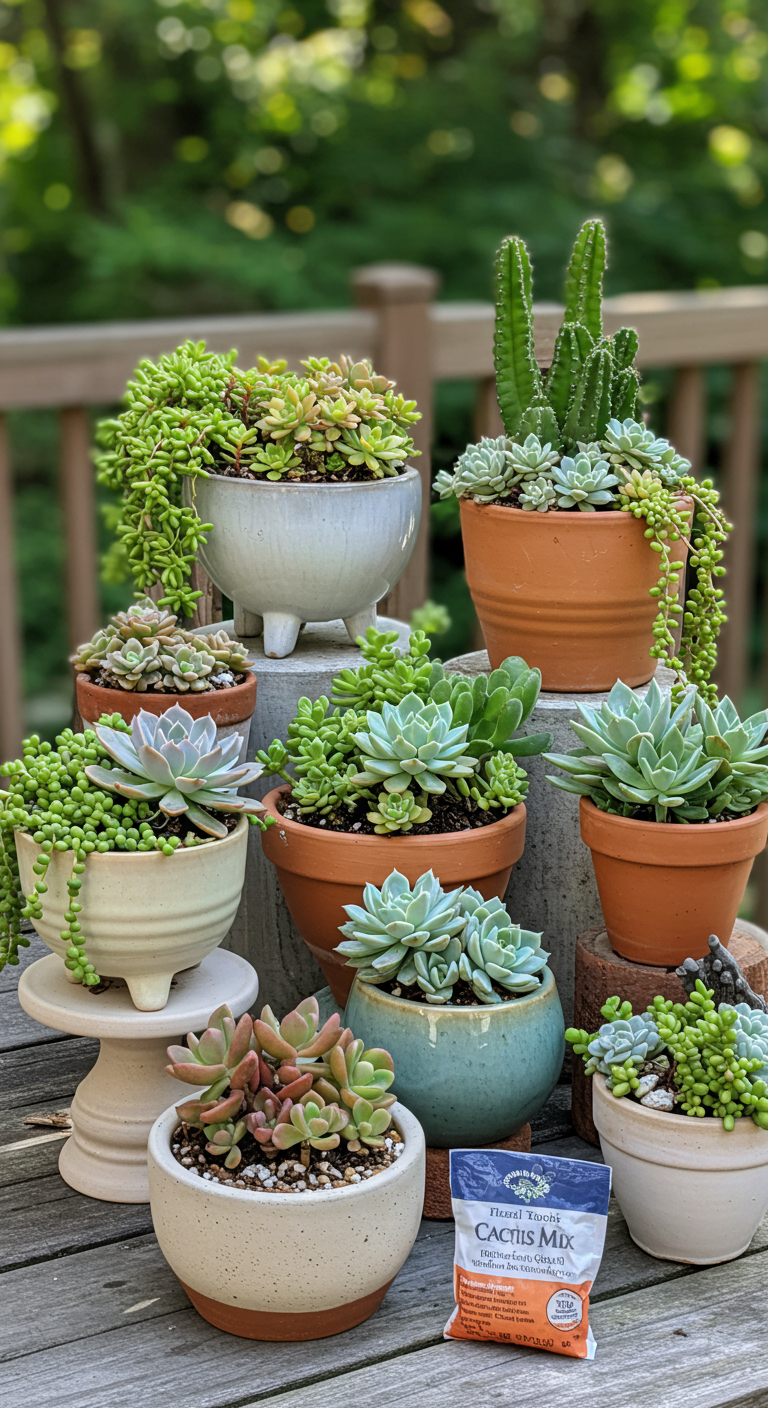
Creating a succulent paradise in containers allows you to enjoy these beautiful plants in a manageable and versatile way. With the right selection of plants and care, you can transform any space into a vibrant oasis. Follow these key points to create your ideal succulent garden.
- Choose the Right Containers: Select pots with drainage holes to prevent waterlogging and promote healthy root growth.
- Use Quality Soil: Opt for a well-draining cactus mix to provide the ideal environment for your succulents to thrive.
- Select Complementary Plants: Combine different succulent varieties with contrasting shapes and colors for visual interest and harmony.
- Position Wisely: Place your containers in a location that receives adequate sunlight, ideally 6 hours of indirect light daily.
With these tips, you can cultivate a stunning succulent display that enhances your living space.
Grow Colorful Herbs for Culinary Delights
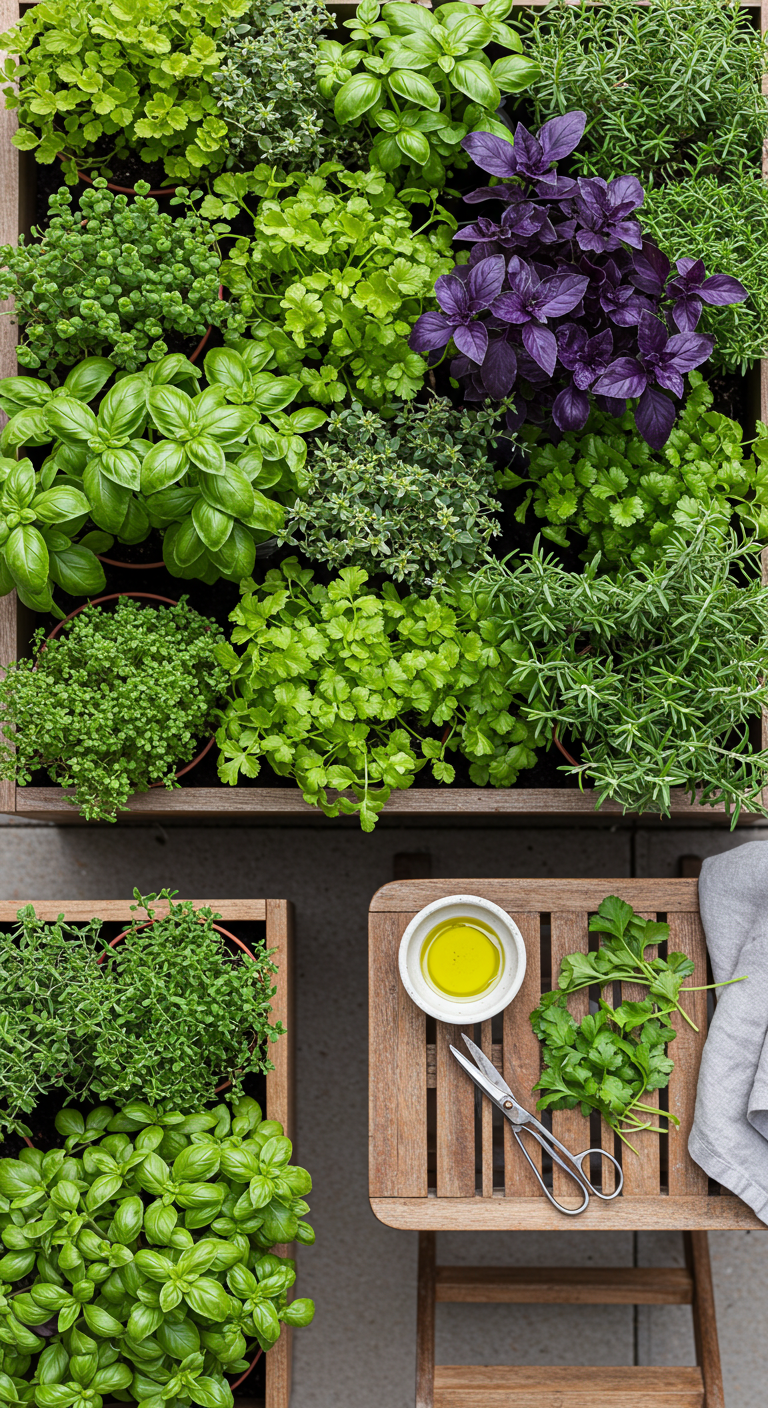
Growing colorful herbs can elevate your culinary creations while adding vibrant flavors and aromas to your dishes. These herbs not only enhance the taste but also bring visual appeal to your meals. Here are some key points to consider when cultivating your own herb garden.
- Choose a Variety of Herbs: Opt for a mix of herbs such as basil, cilantro, and rosemary to create diverse flavors and colors.
- Utilize Proper Lighting: Ensure your herbs receive at least 6 hours of sunlight daily, or use grow lights if you’re growing indoors.
- Maintain Soil Quality: Use well-draining, nutrient-rich soil to promote healthy growth and robust flavors.
- Regularly Harvest: Continuously snip your herbs to encourage new growth and prevent them from flowering too early.
Start your colorful herb garden today to enjoy fresh, flavorful ingredients in your cooking!
Design a Pollinator-Friendly Flower Garden
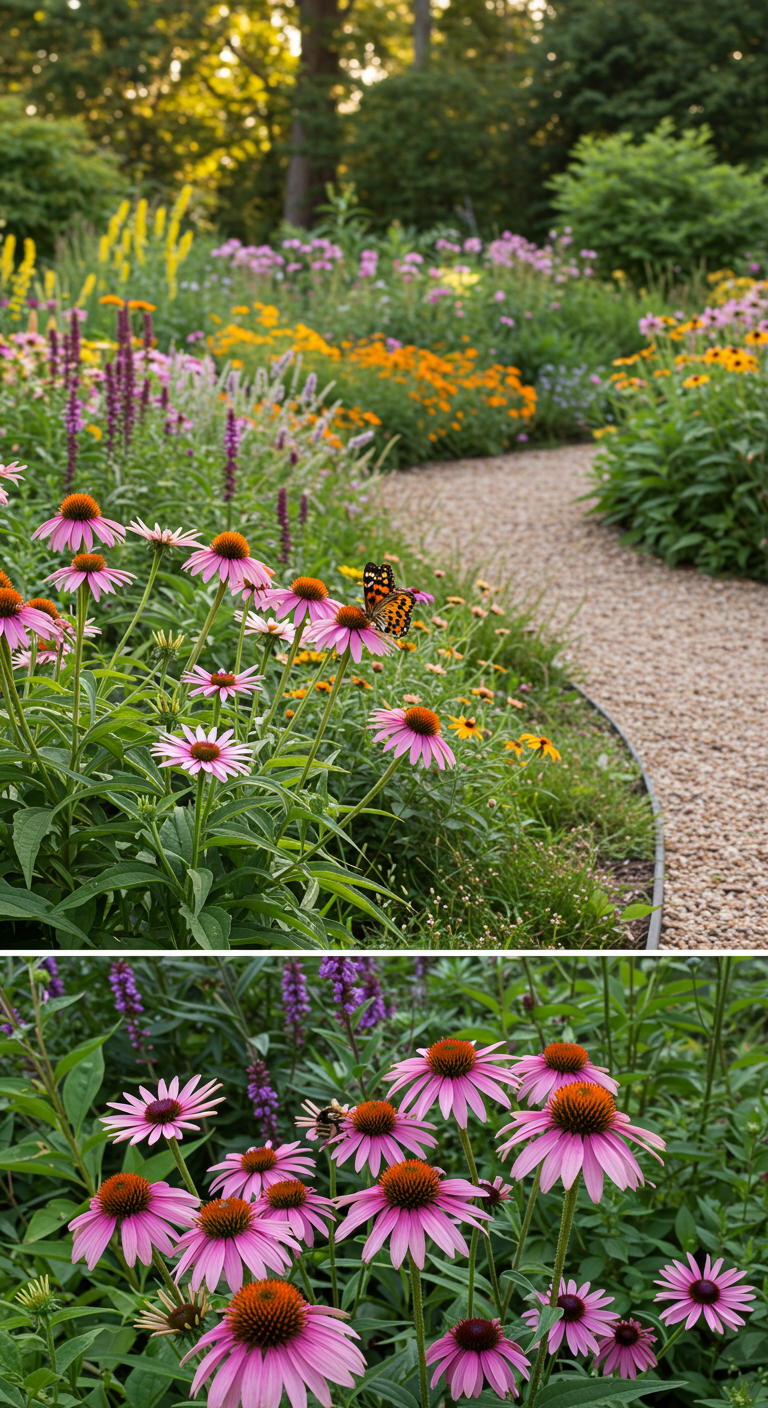
Designing a pollinator-friendly flower garden is an excellent way to support local wildlife while enhancing the beauty of your outdoor space. By selecting the right plants and creating a welcoming environment, you can attract bees, butterflies, and other beneficial insects. Here are some key points to consider when planning your garden.
- Choose Native Plants: Native flowers are better suited to your local climate and provide essential resources for local pollinators.
- Provide Continuous Blooms: Select a variety of plants that bloom at different times to ensure a consistent food source throughout the growing season.
- Include Diverse Flower Shapes: Offer a range of flower types and colors to cater to different pollinator species, as each has its preferences.
- Avoid Pesticides: Minimize or eliminate pesticide use to create a safe environment for pollinators to thrive.
By implementing these strategies, you can create a vibrant and supportive habitat for pollinators in your garden.
Cultivate Shade-Loving Plants in Containers

Container gardening is an excellent way to showcase shade-loving plants, allowing you to create vibrant displays even in low-light areas. By carefully selecting the right plants and containers, you can enhance your outdoor or indoor spaces with lush greenery.
- Choose the Right Containers: Opt for pots with good drainage to prevent waterlogging, which can harm shade-loving plants.
- Select Suitable Plants: Look for varieties such as ferns, hostas, and impatiens that thrive in shady conditions.
- Use Quality Soil: Invest in quality potting mix designed for containers to provide adequate nutrients and moisture retention.
- Maintain Regular Watering: Ensure consistent moisture, as containers can dry out more quickly than garden beds, especially in warmer weather.
By following these tips, you can successfully cultivate a stunning array of shade-loving plants in containers, enhancing your space beautifully.
Explore Vertical Gardening with Trellis Systems
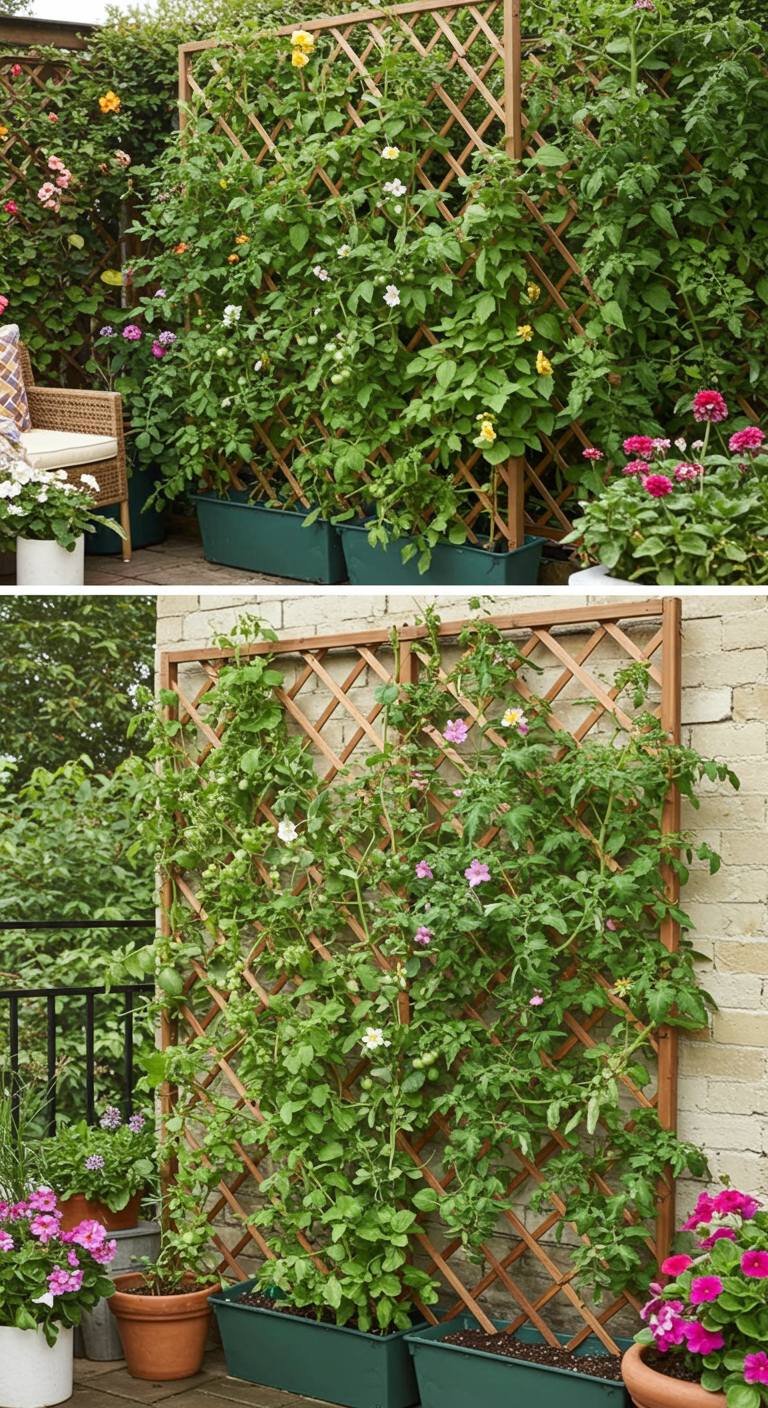
Explore the exciting world of vertical gardening with trellis systems, which maximize space and enhance plant growth. By utilizing vertical structures, you can cultivate a variety of plants in smaller areas while adding beauty to your garden.
- Space Efficiency: Trellis systems allow you to grow plants upward, saving ground space and making them suitable for patios, balconies, and small yards.
- Improved Air Circulation: Vertical gardening promotes better airflow around plants, reducing the risk of diseases and pests, and leading to healthier growth.
- Enhanced Light Exposure: By training plants to grow vertically, you ensure that all parts receive adequate sunlight, resulting in increased yields and healthier plants.
- Aesthetic Appeal: Trellises add vertical interest to your garden, creating stunning visual displays that can enhance any outdoor space.
Consider integrating a trellis system into your gardening strategy for a productive and visually appealing garden.
Use Colorful Annuals for Vibrant Displays
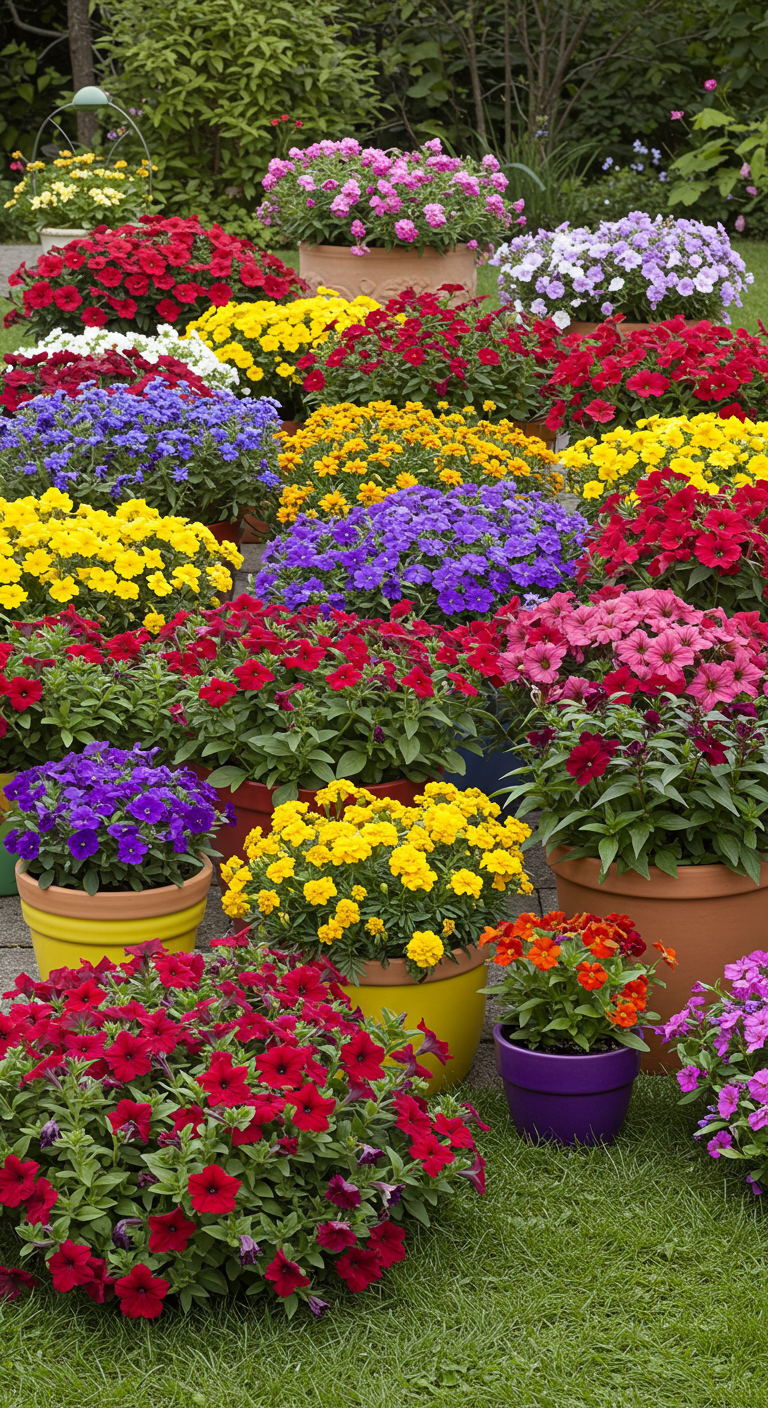
Colorful annuals are an excellent choice for creating vibrant displays in your garden or landscape. Their ability to bloom continuously throughout the growing season allows for a dynamic and eye-catching aesthetic.
- Variety of Colors: Choose from a wide spectrum of hues to create striking contrasts and visually appealing arrangements.
- Seasonal Highlights: Planting annuals at different times can ensure that your garden remains colorful from spring through fall.
- Easy to Grow: Most annuals are low-maintenance, making them perfect for both novice and experienced gardeners.
- Container Friendly: Many annuals thrive in pots, allowing you to create portable displays that can be rearranged as desired.
Incorporating colorful annuals into your gardening plans will provide lasting beauty and excitement throughout the seasons.
Implement Edible Container Gardens for Fresh Produce
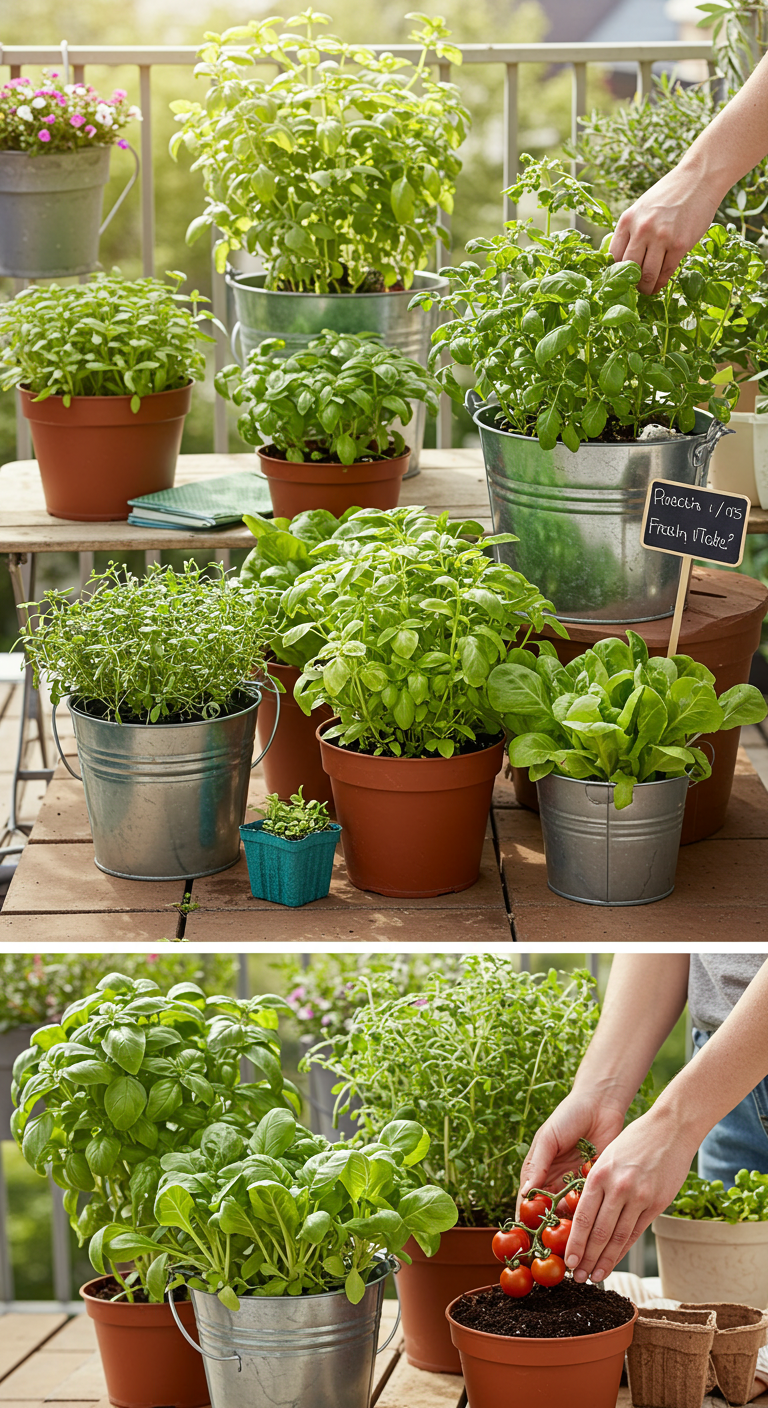
Implementing edible container gardens is an excellent way to access fresh produce while maximizing limited space. These gardens can thrive on patios, balconies, and even windowsills, providing a sustainable source of herbs, vegetables, and fruits. With a few simple steps, anyone can enjoy the benefits of homegrown food.
- Choose the Right Containers: Select containers that provide adequate drainage and space for root growth, such as pots, buckets, or raised beds.
- Use Quality Soil: Fill your containers with nutrient-rich potting soil that retains moisture while allowing for proper drainage.
- Select Suitable Plants: Opt for fast-growing and space-efficient plants like lettuce, herbs, or cherry tomatoes that thrive in confined spaces.
- Ensure Proper Sunlight: Place your containers in a location that receives at least 6-8 hours of sunlight daily to promote healthy growth.
By following these guidelines, you can create a thriving edible garden that enhances your meals and contributes to a healthier lifestyle.
Mix Perennials for Year-Round Interest
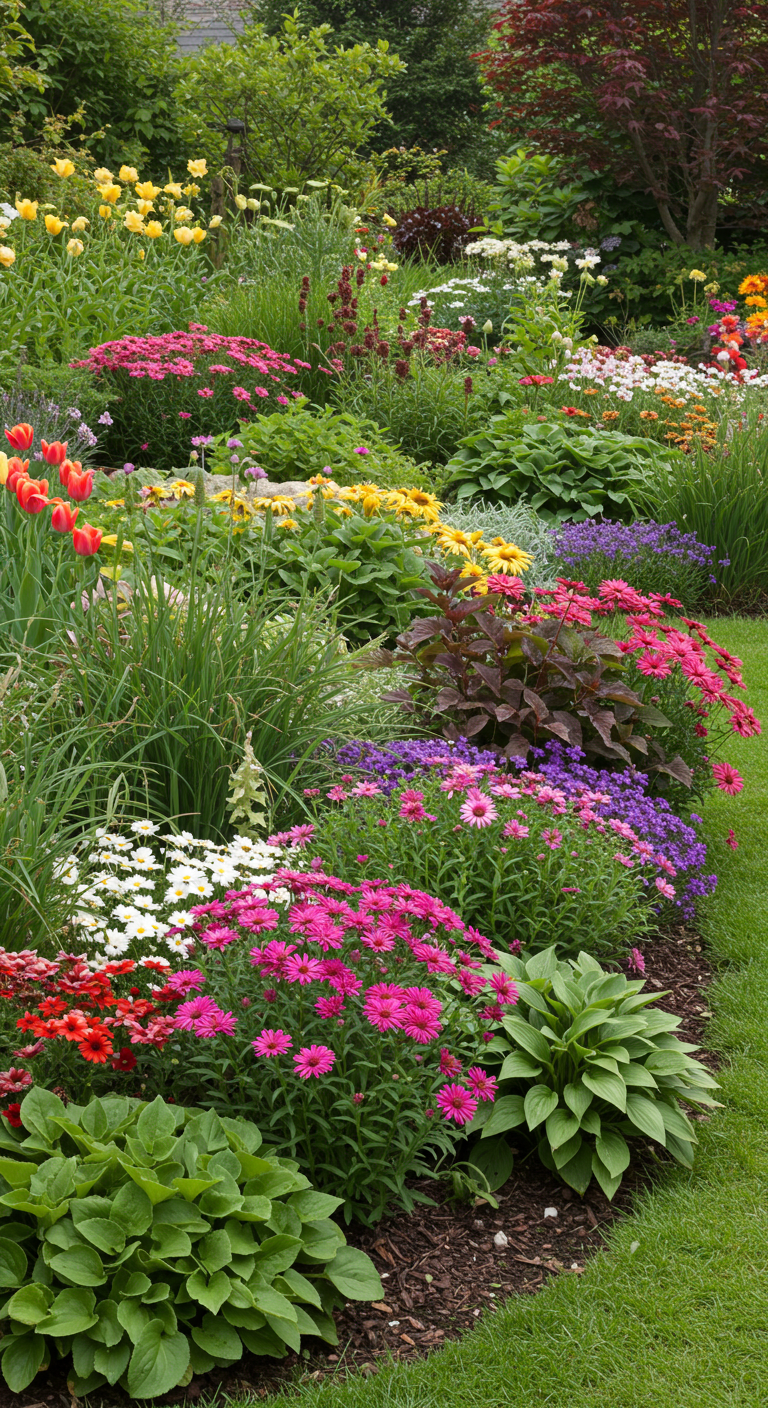
Mixing perennials in your garden can create vibrant displays throughout the year, providing both beauty and ecological benefits. By selecting a diverse array of plants, you can ensure continuous blooming and varied textures, adding depth to your landscape. Here are some key strategies to achieve year-round interest with perennials.
- Choose Varieties with Different Bloom Times: Select perennials that bloom in different seasons to ensure flowers are present from spring until fall.
- Incorporate Foliage Plants: Include plants with striking foliage that add color and interest even when flowers are not in bloom.
- Utilize Height Variation: Mix tall, medium, and low-growing perennials to create layers and visual interest in your garden.
- Plan for Seasonal Changes: Select perennials that offer seasonal changes, such as fall color or winter structure, to keep the garden dynamic year-round.
By thoughtfully mixing perennials, you can create a garden that delights the senses in every season.
Craft a Butterfly Garden with Nectar Plants
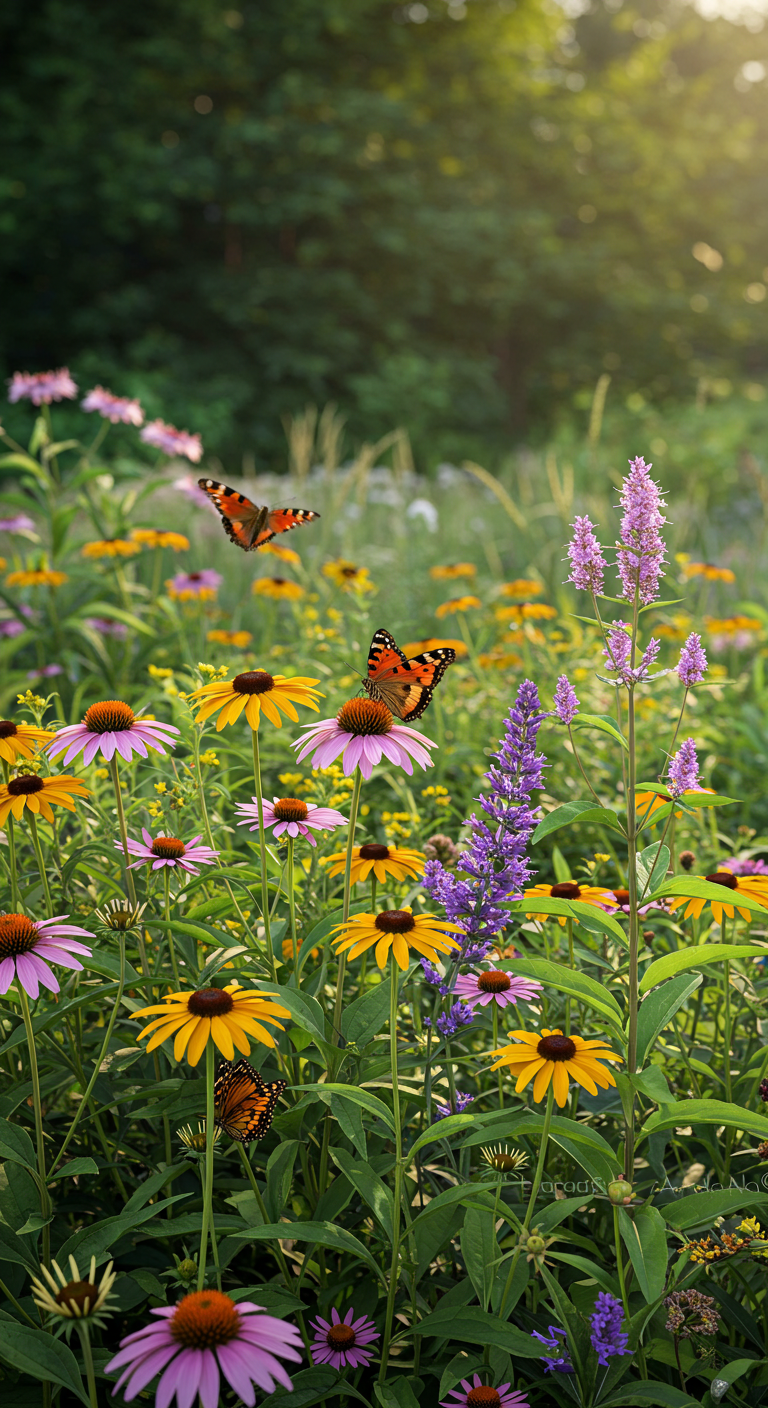
Creating a butterfly garden filled with nectar plants not only enhances your outdoor space but also supports local ecosystems. By choosing the right plants and designing a welcoming environment, you can attract a variety of butterfly species to your garden.
- Select Native Nectar Plants: Choose plants that are native to your region as they are more likely to attract local butterfly species.
- Provide Continuous Blooms: Incorporate a mix of flowers that bloom at different times throughout the growing season to ensure a constant food source for butterflies.
- Add Host Plants: Include plants that caterpillars feed on, such as milkweed for monarchs, to support the entire butterfly lifecycle.
- Design a Sunny Space: Create open, sunny areas in your garden, as butterflies are attracted to warm, sunlit spots for basking.
By following these guidelines, you can create a vibrant butterfly garden that delights both you and your fluttering visitors.
Select Drought-Resistant Plants for Low Maintenance
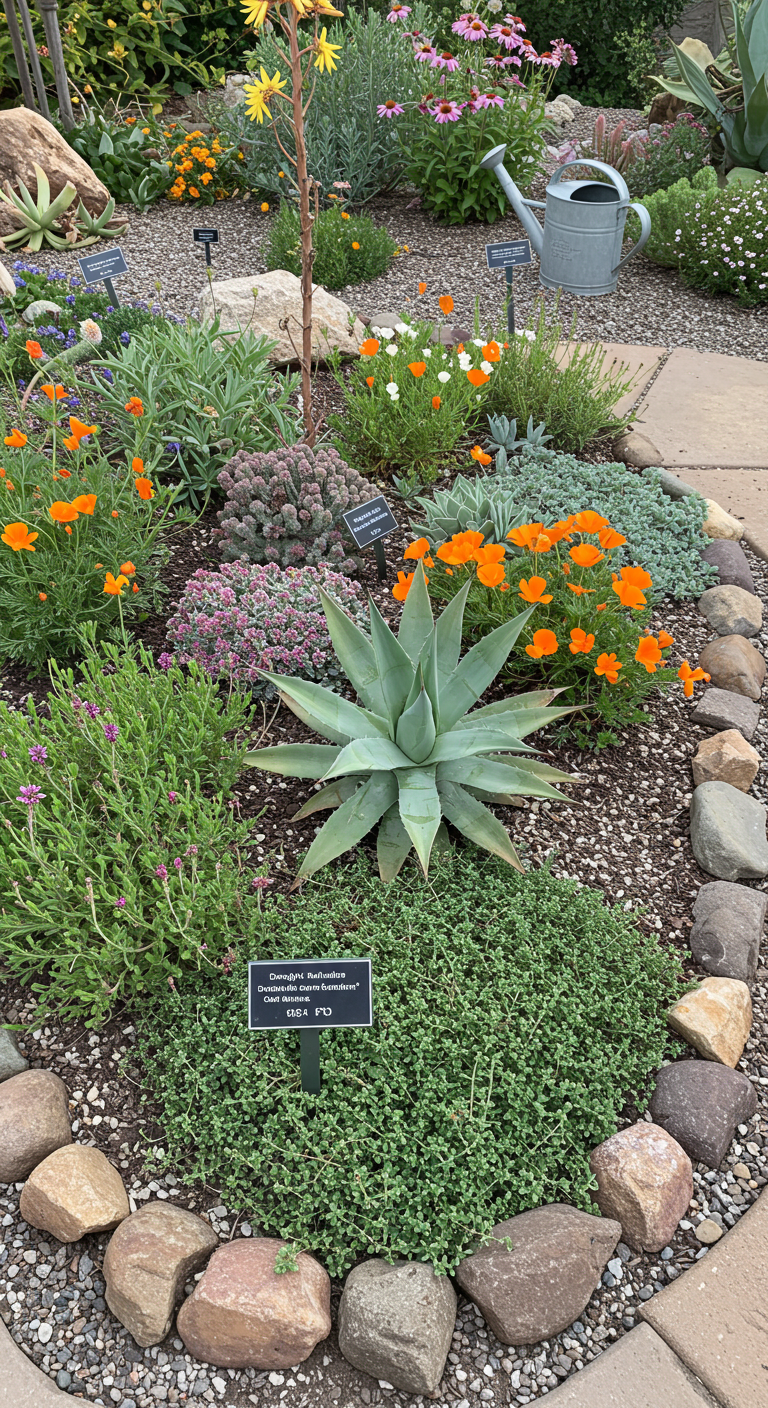
Drought-resistant plants are an excellent choice for low-maintenance gardens, requiring minimal water while still providing beauty and structure. Selecting the right varieties can significantly reduce your gardening efforts and conserve water resources.
- Choose Native Species: Native plants are adapted to local climates and soil conditions, making them more resilient and easier to care for.
- Opt for Succulents: Succulents store water in their leaves, making them ideal for dry conditions and requiring infrequent watering.
- Incorporate Perennials: Drought-tolerant perennials return year after year, providing consistent blooms without the need for replanting.
- Consider Groundcovers: Drought-resistant groundcovers can reduce soil erosion and suppress weeds while requiring less water than traditional lawns.
Selecting the right drought-resistant plants can lead to a thriving garden that demands less attention and resources.
Create a Tropical Oasis with Exotic Foliage
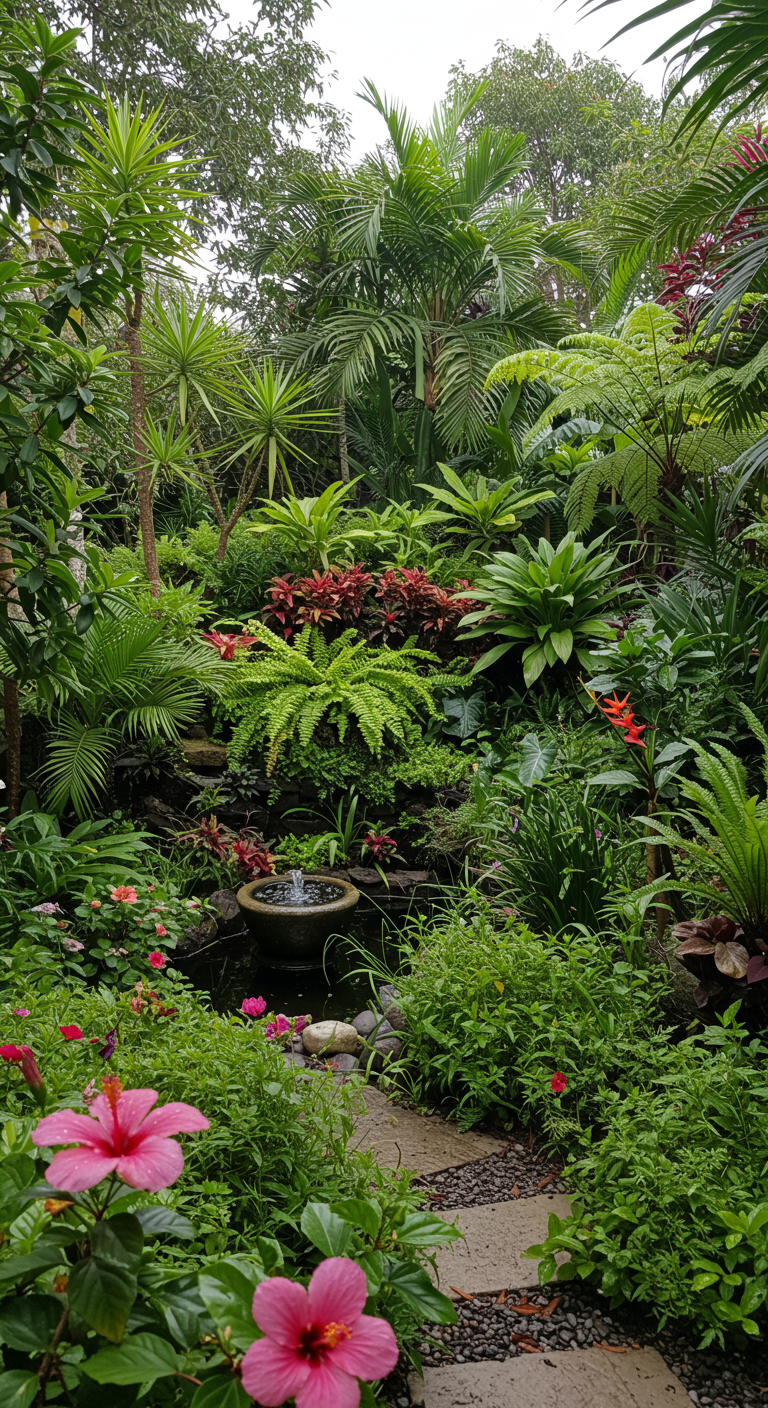
Transform your backyard into a tropical oasis by incorporating exotic foliage that brings life and vibrancy to your space. With the right selection of plants and thoughtful arrangement, you can create a serene retreat that mimics the lush environments of tropical regions.
- Choose the Right Plants: Opt for tropical plants such as palms, ferns, and hibiscus that thrive in warm climates and add striking visuals.
- Layer Your Planting: Arrange plants in layers, placing taller varieties in the back and shorter ones in the front to create depth and interest.
- Incorporate Water Features: Adding a small pond, fountain, or birdbath can enhance the tropical feel while attracting wildlife.
- Utilize Colorful Accents: Mix in vibrant flowers and foliage to create a dynamic color palette that complements the green tones.
By following these tips, you can easily cultivate a lush, inviting tropical escape in your own backyard.
Incorporate Fragrant Flowers for Sensory Appeal
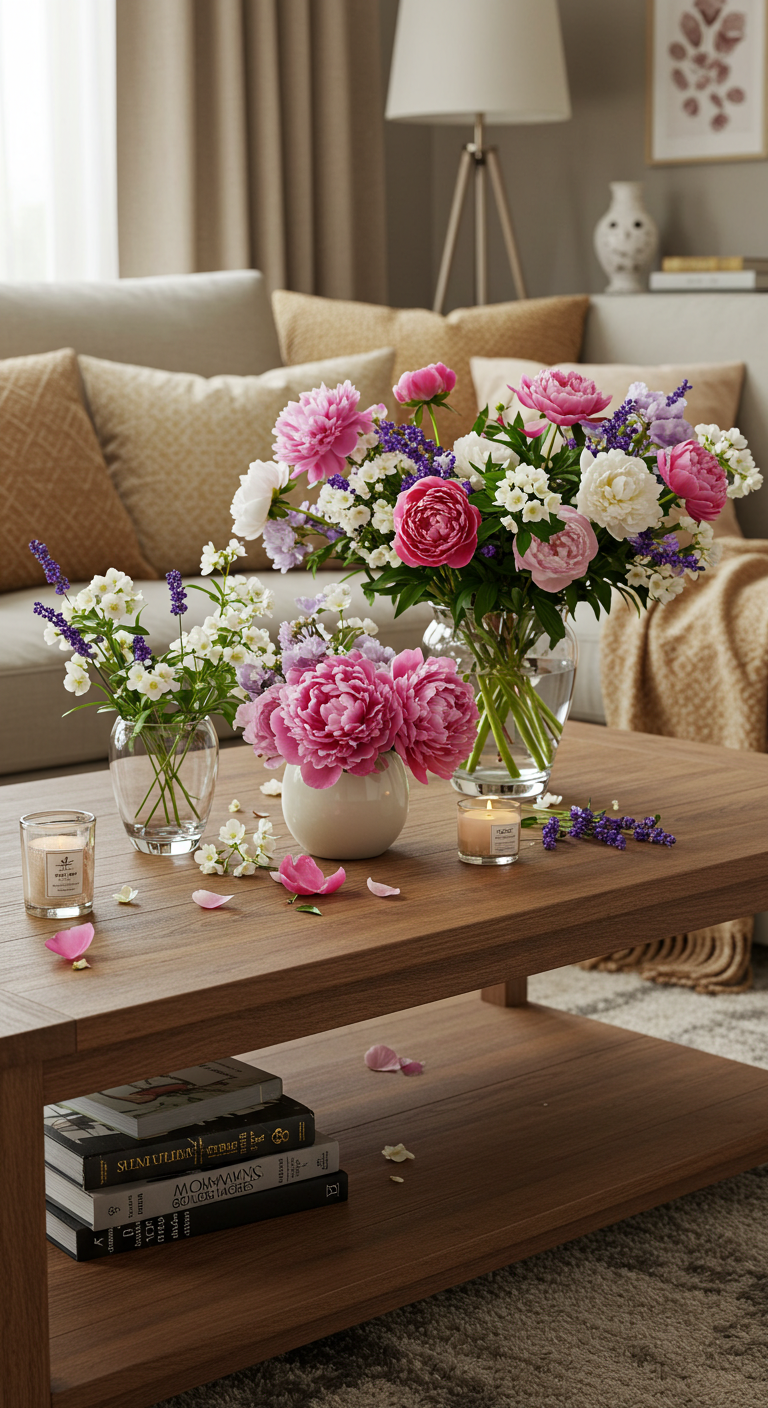
Incorporating fragrant flowers into your environment can significantly enhance sensory appeal, creating a more inviting and pleasant atmosphere. The right blooms can elevate your space, engage your senses, and even influence mood. Here are some key considerations for using fragrant flowers effectively.
- Choose Seasonal Blooms: Select flowers that are in season for optimal fragrance and vibrancy.
- Mix Varieties: Combine different types of fragrant flowers to create a layered scent profile that captivates the senses.
- Strategic Placement: Position fragrant flowers in areas where you spend the most time, such as living rooms or entryways, to maximize their impact.
- Consider Allergies: Be mindful of guests’ sensitivities; opt for hypoallergenic options if necessary to ensure everyone can enjoy the aroma.
By thoughtfully incorporating fragrant flowers, you can transform your space into a sensory delight.
Use Decorative Pots for Unique Aesthetics
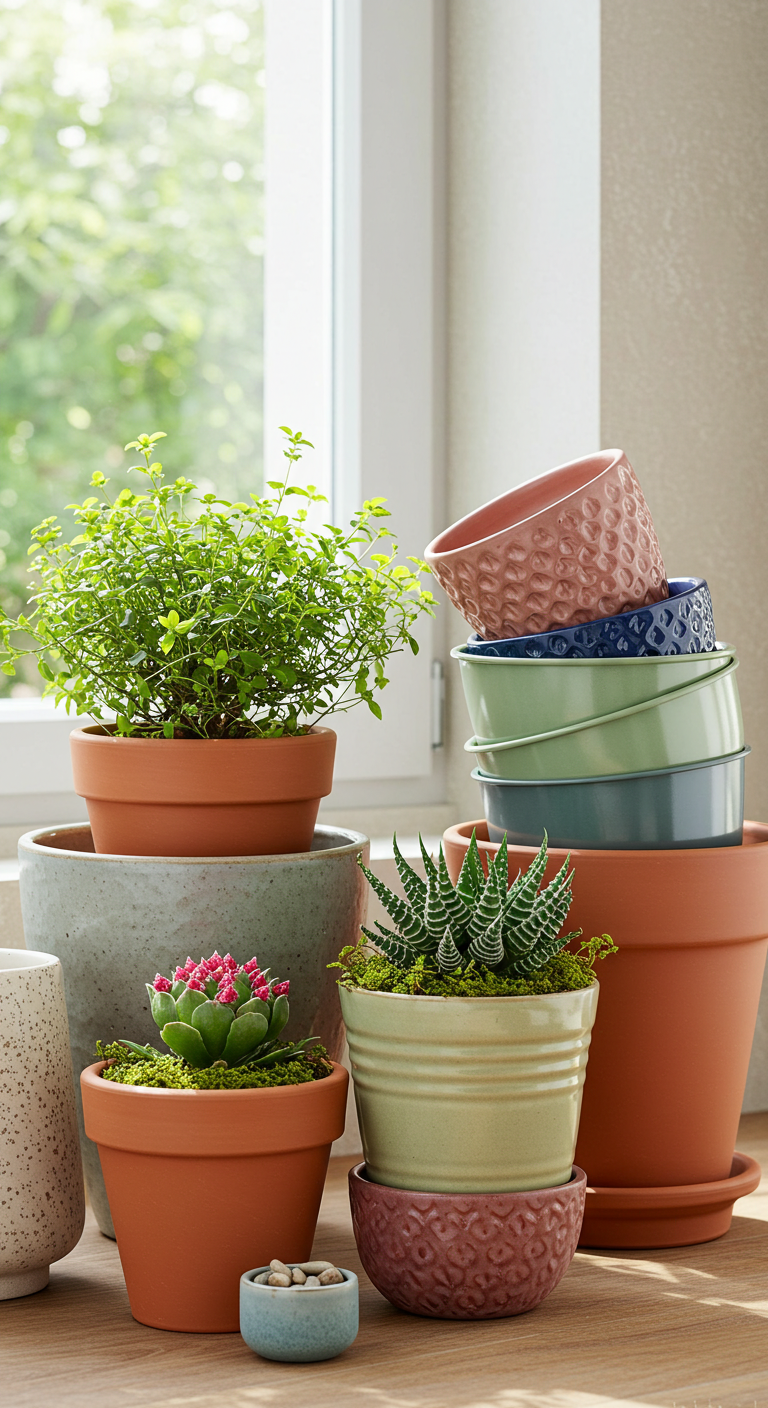
Decorative pots can transform any space, adding a unique aesthetic that reflects personal style. By selecting the right pots, you can enhance your home or garden and create focal points that draw the eye.
- Variety of Materials: Choose from ceramic, terracotta, metal, or plastic to match your decor. Each material offers a distinct look and feel, contributing to the overall ambiance.
- Color Coordination: Use pots in complementary or contrasting colors to create visual interest. Bright, vibrant pots can liven up a neutral space, while muted tones can provide elegance.
- Unique Shapes and Designs: Opt for pots with unconventional shapes or intricate designs to serve as conversation starters. Sculptural pieces can double as art installations.
- Layering Heights: Arrange pots at varying heights to create depth in your display. Incorporate stands or hangers to elevate smaller pots, adding dimension to your arrangement.
Incorporating decorative pots into your decor not only enhances your space but also allows for personal expression.
Establish a Container Vegetable Garden for Freshness
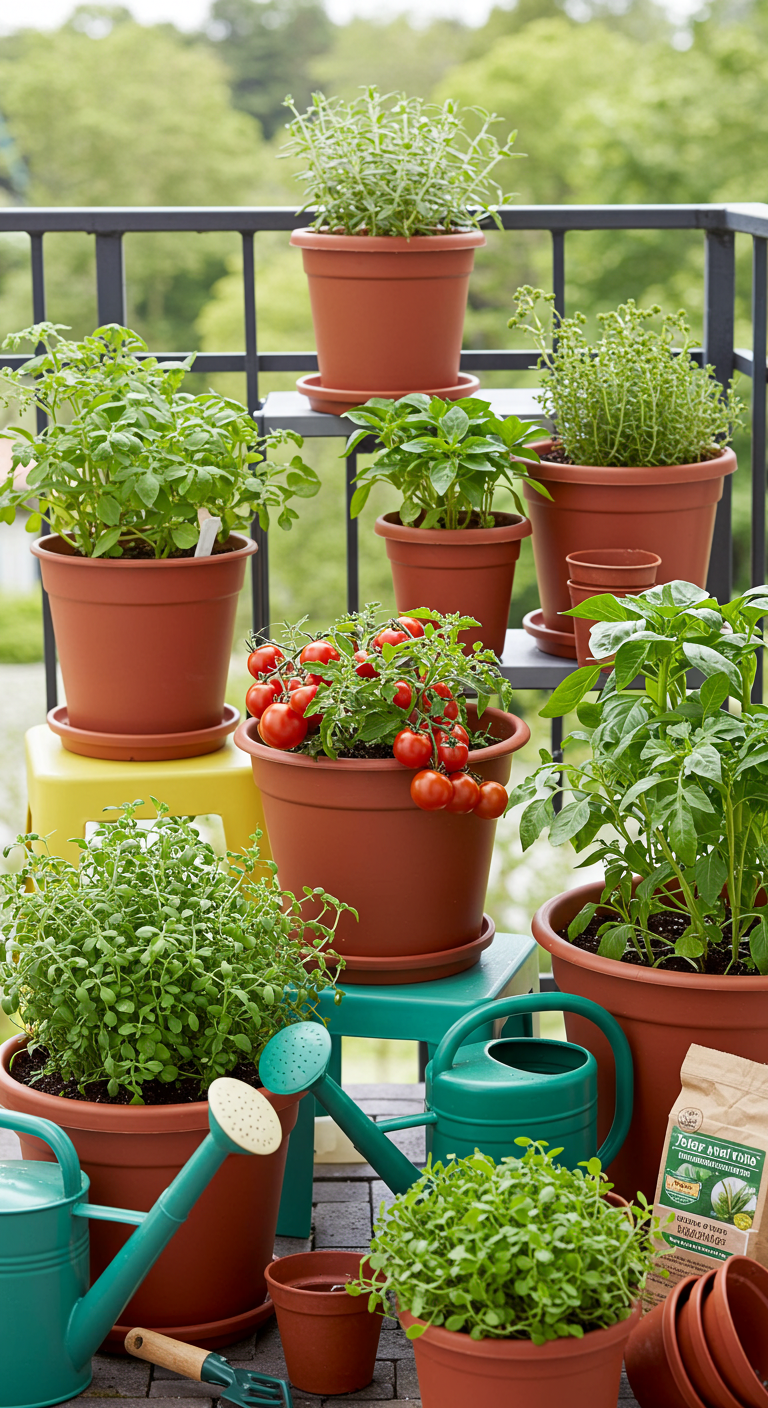
Establishing a container vegetable garden allows you to enjoy fresh produce right at your doorstep. It’s a practical solution for limited spaces, enabling you to grow a variety of vegetables with minimal effort. With the right approach, you can cultivate your own healthy ingredients.
- Choose the Right Containers: Select pots that are large enough to accommodate the root systems of your chosen vegetables, ensuring proper drainage.
- Select Suitable Vegetables: Opt for easy-to-grow varieties like tomatoes, peppers, and herbs, which flourish in containers and provide a quick yield.
- Use Quality Soil: Invest in high-quality potting mix that retains moisture and provides essential nutrients for your plants.
- Regular Maintenance: Water your plants consistently and apply organic fertilizers to promote growth and enhance flavor.
With these tips, you can successfully create a thriving container vegetable garden that delivers fresh produce throughout the season.
Design Seasonal Displays for Year-Round Beauty
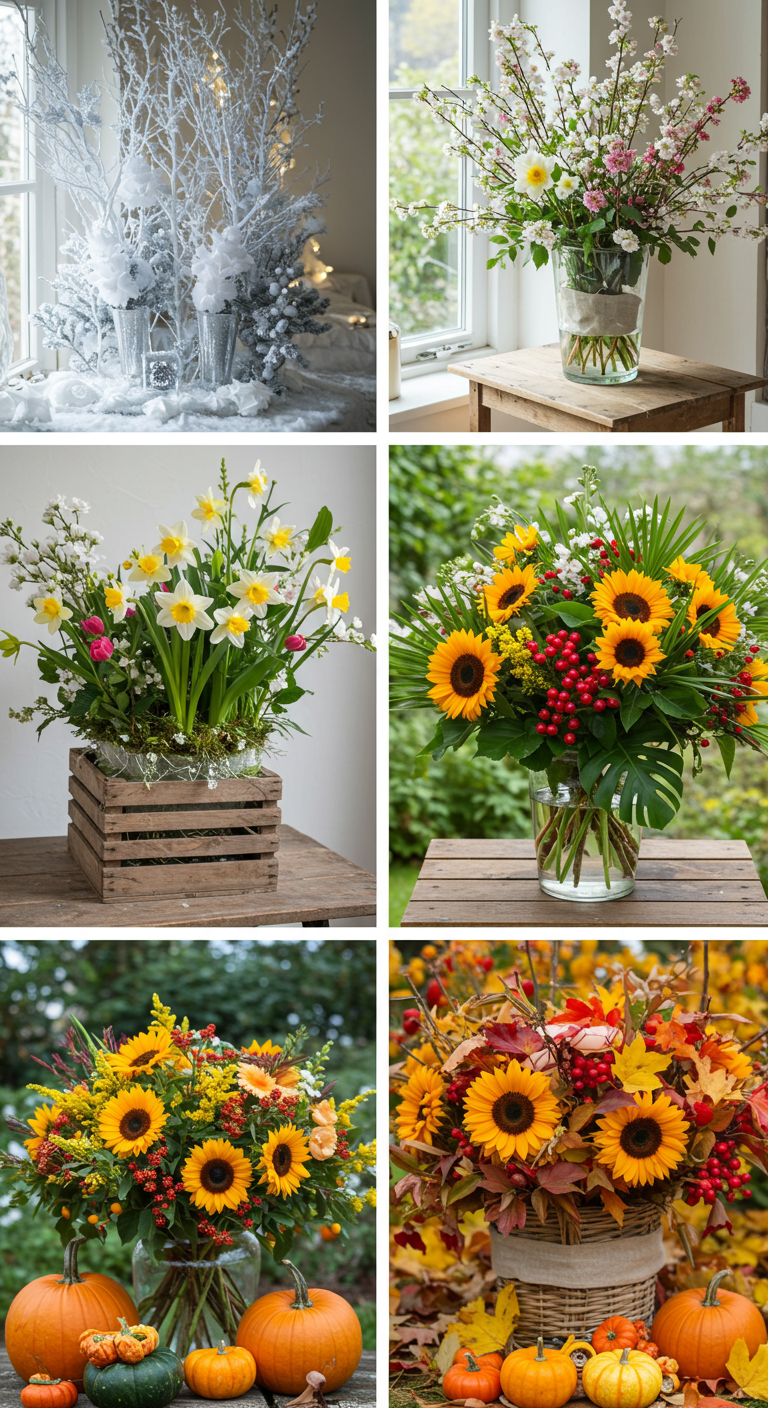
Designing seasonal displays allows you to infuse your space with the beauty and spirit of each time of year. By thoughtfully curating elements that reflect seasonal themes, you can create a visually appealing environment that delights and inspires. Here are some key strategies for achieving year-round beauty in your displays.
- Choose a Theme: Select a seasonal theme that resonates with your personal style, such as winter wonderland or summer garden, to create a cohesive look.
- Incorporate Natural Elements: Use seasonal flowers, branches, and foliage to bring the outdoors inside and enhance the display’s authenticity.
- Utilize Color Schemes: Opt for color palettes that reflect the season, such as warm tones for fall or cool hues for winter, to evoke the desired mood.
- Rotate Regularly: Update your displays every season to keep your decor fresh and engaging, ensuring your space remains vibrant year-round.
Regularly refreshing your seasonal displays will keep your environment lively and engaging throughout the year.