

Have you ever strolled through a charming cottage garden and felt a wave of tranquility wash over you? The lush blooms, intertwined vines, and rustic pathways create an enchanting ambiance that seems almost otherworldly. If you’ve been dreaming of transforming your own outdoor space into a romantic retreat, you’re not alone. Many of us yearn for that picturesque look that blends nature with a touch of whimsy.
Creating a cottage garden style isn’t just about planting flowers; it’s about crafting an experience. This guide will walk you through the essential steps, from selecting the right plants to designing inviting spaces. Whether you have a sprawling yard or a cozy patio, you’ll discover how to cultivate a lush, vibrant garden that reflects your personal style and invites relaxation. Let’s dive into the enchanting world of cottage gardens together and turn your vision into reality.
Table of Contents
- What is Cottage Garden Style?
- How Cottage Gardens Work
- Benefits of a Cottage Garden
- Steps to Create Your Cottage Garden
- Advanced Tips for the Enthusiast
- Recommended Tools and Resources
- Frequently Asked Questions
- Conclusion
What Is It?
Cottage garden style is a delightful blend of colors, textures, and fragrances that creates a lush and romantic outdoor space. Originating from the English countryside, this gardening style emphasizes a relaxed, informal arrangement of plants, often featuring a mix of perennials, annuals, and even vegetables. You’ll find flowers spilling over pathways and mingling together, creating a charmingly chaotic beauty that feels both inviting and nurturing.
At its heart, a cottage garden is about celebrating nature’s abundance. It encourages biodiversity by attracting pollinators and other wildlife while providing a serene retreat for you and your family. This gardening style is perfect for those who appreciate a relaxed atmosphere and want to cultivate a garden that feels alive and vibrant, rather than rigid and structured.
- Emphasizes a mix of flowers, herbs, and vegetables.
- Encourages a relaxed, informal design with plant overlap.
- Supports biodiversity by attracting pollinators.
- Ideal for small spaces or larger landscapes.
How It Works
Cottage gardens thrive on the principle of mixing plants together in a way that mimics nature’s own design. By layering different heights, colors, and textures, you create a visually interesting space that feels abundant and lush. The use of companion planting enhances growth and health, creating a thriving ecosystem right in your backyard.
Additionally, these gardens often incorporate organic practices, focusing on nurturing the soil and using native plants that are well adapted to local conditions. This approach not only reduces maintenance but also encourages a healthy environment for beneficial insects and wildlife, making your garden a sanctuary for both plants and creatures alike.
- Mixing different plant types creates visual interest.
- Companion planting promotes healthy growth.
- Organic practices enhance soil health and reduce maintenance.
- Native plants support local wildlife.
Key Benefits
- Aesthetic Appeal — Cottage gardens are visually stunning, offering a continuous display of colors and textures throughout the seasons. The relaxed design creates an inviting atmosphere that can instantly uplift your mood and enhance your outdoor space.
- Biodiversity — By planting a variety of species, you contribute to local biodiversity, attracting essential pollinators like bees and butterflies. This not only helps your garden thrive but also supports the ecosystem in your area.
- Year-Round Interest — With careful planning, you can ensure your cottage garden remains vibrant throughout the year. Choosing a mix of early bloomers, summer favorites, and late-season flowers creates a dynamic display that changes with the seasons.
- Personal Sanctuary — A cottage garden offers a peaceful retreat where you can unwind and reconnect with nature. This tranquil space encourages relaxation, creativity, and mindfulness, making it a perfect escape from daily stresses.
- Sustainable Gardening — Cottage gardens often use organic gardening methods that promote healthy soil and reduce the need for chemical pesticides. This sustainable approach allows you to enjoy gardening while being kind to the environment.
Step-by-Step Guide
Step 1: Choose Your Location

Finding the right spot for your cottage garden is the first crucial step. Look for an area with plenty of sunlight, ideally receiving at least six hours of direct sun each day. Consider the layout of your space; whether it’s a small backyard or a front garden, ensure you have room for the variety of plants you want to include. The location should also be accessible for maintenance and enjoyment.
Evaluate the soil quality in your chosen spot. You may need to amend it with compost or organic matter to ensure your plants thrive. A well-draining soil rich in nutrients will give your garden the best chance for success.
Example: For instance, if you have a sunny corner of your yard that isn’t too windy, that could be your perfect spot.
Pro Tips:
- Observe how the sun moves across your garden throughout the day.
- Take note of any areas prone to water pooling after rain.
- Consider accessibility for watering and weeding.
Step 2: Design Your Layout
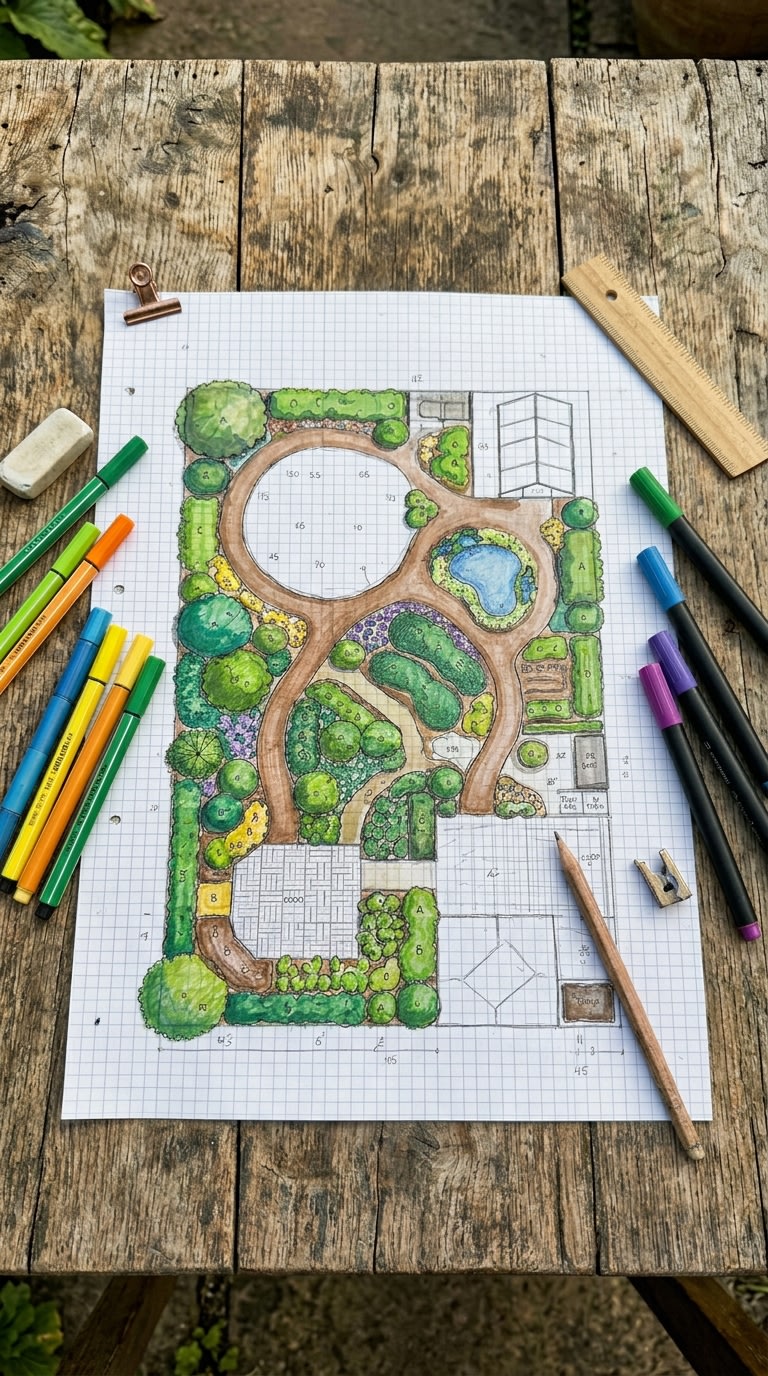
Once you’ve chosen your location, it’s time to design the layout of your cottage garden. Start by sketching your ideas on paper or using garden design software. Think about how you want to position your plants, considering their heights and bloom times. You may want taller plants at the back and shorter ones in front to create depth and visual interest.
Incorporate pathways or stepping stones to allow easy access to your plants while adding charm to your garden. Curved lines in your design can create a more natural feel compared to straight edges. Don’t forget to leave space for garden furniture or decor that will enhance the inviting atmosphere.
Example: For example, you might want to create a circular flower bed with a pathway that leads to a cozy bench.
Pro Tips:
- Use a mix of curves and straight lines for a natural look.
- Consider adding a focal point, like a birdbath or sculpture.
- Leave plenty of room for plants to grow.
Step 3: Select Your Plants

Choosing the right plants is essential to achieving that lush, cottage garden look. Aim for a mix of perennials, annuals, and even some edibles. Popular choices for cottage gardens include roses, peonies, foxgloves, and lavender. These flowers not only provide color but also attract pollinators. Incorporating herbs like thyme, mint, and chives can add both beauty and functionality to your garden.
Consider the bloom times and colors of your chosen plants to ensure that there is always something in bloom throughout the growing season. Mixing different heights and textures will create depth and visual interest, making your garden feel alive.
Example: For instance, planting lavender alongside roses creates a beautiful contrast and attracts bees.
Pro Tips:
- Choose native plants that thrive in your local climate.
- Mix plants with different bloom times for continuous color.
- Don’t shy away from using some edible plants.
Step 4: Prepare Your Soil

Healthy soil is the foundation of a thriving garden, so take the time to prepare it properly. Start by clearing the area of any weeds, rocks, or debris. Then, use a garden fork or tiller to loosen the soil, allowing for better drainage and root penetration. If your soil is heavy clay or sandy, consider amending it with organic matter such as compost or well-rotted manure to improve its structure and nutrient content.
Aim for a pH level between 6.0 and 7.0 for optimal plant growth. You can test your soil using a home testing kit available at garden centers. Once you’ve amended your soil, rake it smooth and level before planting.
Example: For example, if you find your soil is too acidic, you can add lime to balance the pH.
Pro Tips:
- Add a layer of mulch to help retain moisture and suppress weeds.
- Test your soil pH for the best plant choices.
- Consider using a soil conditioner for improved drainage.
Step 5: Plant Your Selections

Now that your soil is prepared, it’s time to plant your selected flowers and greenery. Start by spacing your plants according to their mature size, ensuring that you don’t overcrowd them. Dig a hole that is twice the size of the root ball, gently loosening any tightly bound roots before placing the plant in the ground. Backfill with soil and water thoroughly to help settle the roots.
As you plant, think about color combinations and textures. Grouping plants in odd numbers can create a more natural appearance. Don’t forget to include some herbs or vegetables for added variety and utility in your garden.
Example: For instance, plant three lavender plants together for a striking effect.
Pro Tips:
- Water plants well immediately after planting to reduce shock.
- Follow the planting depth recommendations for each type of plant.
- Consider using a planting guide for spacing recommendations.
Step 6: Incorporate Pathways

Creating pathways through your cottage garden adds structure and invites exploration. Choose materials that complement your garden’s aesthetic; gravel, stepping stones, or even rustic wood can work beautifully. Lay your pathways in a meandering manner to mimic the natural flow of a countryside garden. This not only makes your garden more accessible but also encourages wandering and discovery.
As you design your pathways, think about their width and how they connect different areas of your garden. You might want to create a focal point at the end of a path, like a bench or a trellis adorned with climbing plants, to enhance the inviting atmosphere.
Example: For instance, a winding gravel path can lead visitors through a beautiful display of flowers.
Pro Tips:
- Use materials that blend well with the natural surroundings.
- Consider adding low-growing plants along the edges of pathways.
- Make sure pathways are wide enough for comfortable walking.
Step 7: Add Decorative Touches
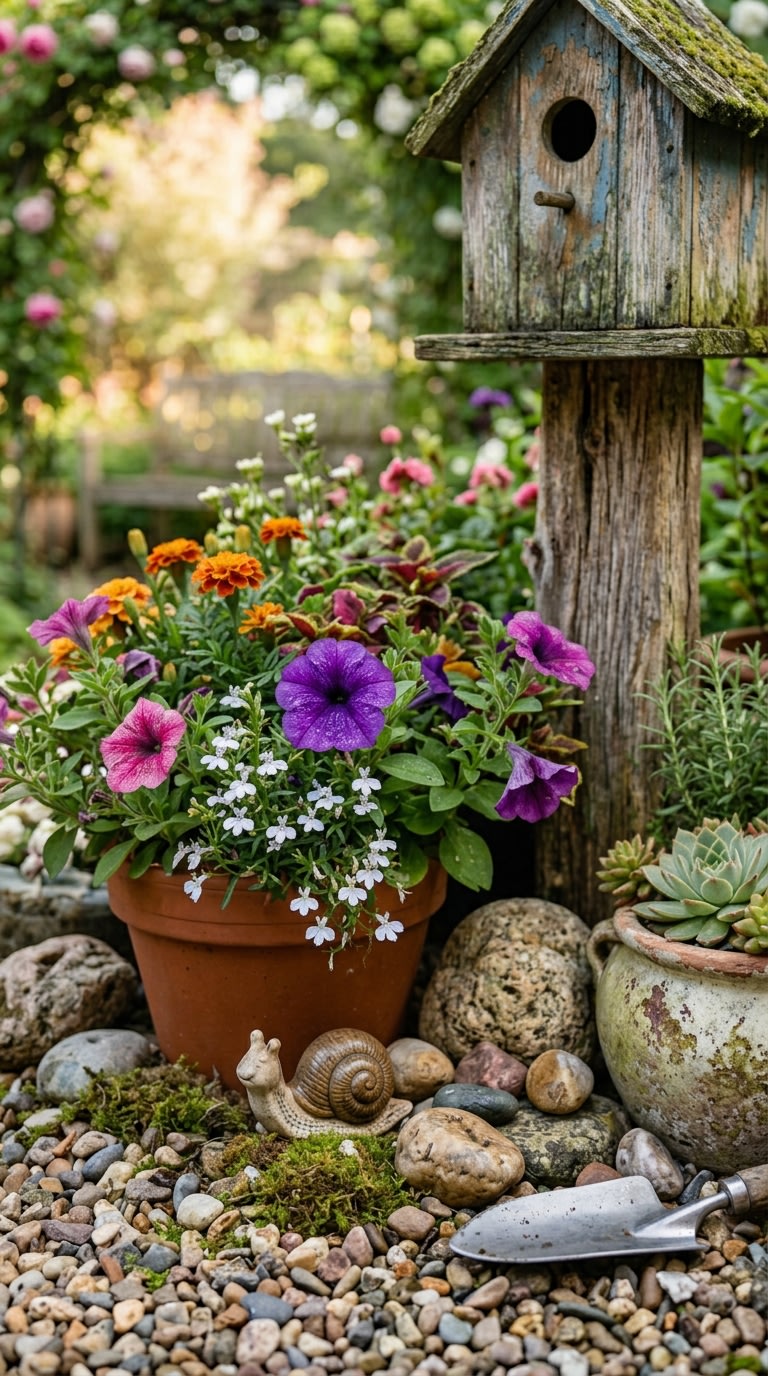
Personalizing your cottage garden with decorative elements can enhance its charm and character. Consider adding rustic touches such as birdhouses, trellises, or vintage garden tools displayed as art. You might also want to introduce garden furniture like a cozy bench or a charming table and chairs for enjoying your garden space.
Incorporate pots and containers filled with seasonal flowers or herbs to add layers and height to your design. Decorative stones and sculptures can serve as focal points, drawing the eye and inviting admiration. These touches not only beautify your space but also make it more enjoyable to spend time in your garden.
Example: For example, a weathered birdhouse hanging from a tree adds a whimsical touch.
Pro Tips:
- Choose decor that reflects your personal style.
- Incorporate elements that attract wildlife, like bird feeders.
- Mix different materials for visual interest.
Step 8: Maintain Your Garden

Now that your cottage garden is planted and designed, regular maintenance is key to keeping it vibrant and healthy. Water your plants consistently, especially during dry spells, and consider implementing a mulching strategy to retain moisture and suppress weeds. Regularly deadhead flowers to encourage new blooms and maintain the garden’s beauty.
Fertilizing your plants a few times during the growing season can also help them thrive, especially in nutrient-poor soils. Keep an eye out for pests and diseases, and address any issues promptly to prevent damage. Enjoy the process of caring for your garden, as it will provide you with ongoing joy and satisfaction.
Example: For instance, deadheading roses can promote a second bloom later in the season.
Pro Tips:
- Create a watering schedule to ensure plants thrive.
- Use organic fertilizers for a healthier garden.
- Regularly check for pests and treat them naturally.
Advanced Tips
Integrate Vertical Gardening
To maximize space and add dimension, consider incorporating vertical gardening techniques. Use trellises, arbors, and wall-mounted planters to grow climbing plants like sweet peas or morning glories. This not only enhances your garden’s aesthetics but also allows you to maximize planting in smaller areas, creating a lush, layered look.
Emphasize Seasonal Layers
For year-round interest, plan your garden with seasonal layers in mind. Choose early bloomers for spring, mid-summer favorites, and late-season flowers to keep the garden vibrant throughout the year. This strategic planning ensures that there is always something blooming, providing a continuous display of colors and textures.
Create Wildlife Habitats
Enhancing biodiversity can be achieved by creating habitats for wildlife within your garden. Plant native species, provide water sources, and create shelter with brush piles or wildflower patches. This not only supports local ecosystems but also enriches your gardening experience as you observe the wildlife your garden attracts.
Experiment with Color Theory
Utilize color theory to create harmonious plant combinations in your cottage garden. Understanding complementary, analogous, and monochromatic color schemes can help you choose plants that not only look good together but also evoke the desired mood in your outdoor space.
Tools & Resources
- Garden Trowel — A garden trowel is essential for digging, planting, and transferring soil. Its pointed blade allows for precision, making it perfect for planting bulbs or seedlings. — Available at: Home Depot, Lowe’s, Amazon
- Soil Testing Kit — A soil testing kit helps you determine the pH and nutrient levels of your garden soil. This information is crucial for amending your soil properly for healthy plant growth. — Available at: Home improvement stores, garden centers, Amazon
- Mulch — Organic mulch helps retain moisture in the soil, suppresses weeds, and adds nutrients as it breaks down. It is an essential component for maintaining a healthy garden. — Available at: Home Depot, local garden centers, Amazon
- Watering Can — A watering can is perfect for gently watering your plants, especially fragile seedlings. Look for one with a removable spout for versatility. — Available at: Target, Walmart, Amazon
- Garden Gloves — Protect your hands while gardening with a good pair of garden gloves. They are essential for preventing blisters and keeping your hands clean while working in the soil. — Available at: Home Depot, Lowe’s, Amazon
Frequently Asked Questions
What plants are best for a cottage garden?
Cottage gardens thrive on a mix of perennials, annuals, and herbs. Popular choices include roses, peonies, foxgloves, and lavender. Incorporating flowering herbs like thyme, mint, and chives not only adds beauty but also utility to your garden. Choose plants that are suited to your local climate and soil conditions for the best results.
Additionally, consider using native plants, as they are well-adapted to your environment and can attract local wildlife, further enhancing your garden’s biodiversity.
How do I maintain a cottage garden?
Maintaining a cottage garden involves regular watering, weeding, and deadheading. Create a watering schedule to ensure your plants receive adequate moisture, especially during dry spells. Mulching around your plants can help retain moisture and suppress weeds, making maintenance easier.
Keep an eye out for pests and diseases, addressing issues promptly to prevent damage. Regularly deadhead flowers to encourage new blooms and enjoy the ongoing beauty of your garden.
Can I create a cottage garden in a small space?
Absolutely! Cottage gardens can be designed to fit any space, including small backyards or balconies. Use vertical gardening techniques to maximize space by incorporating trellises or wall planters. Choose plants that can grow well in containers, such as smaller varieties of herbs and flowers.
With thoughtful design and plant selection, you can create a lush, inviting cottage garden even in a limited area. Just remember to consider sunlight and accessibility when planning your layout.
What is the best time to plant a cottage garden?
The best time to plant a cottage garden typically falls in the spring after the last frost, as this allows plants to establish roots before the heat of summer. However, you can also plant in the fall for early blooms the following spring. Timing may vary based on your local climate, so it’s essential to check the frost dates in your area.
Spring planting allows for a longer growing season, giving your plants time to thrive and bloom beautifully throughout the summer and fall.
How do I choose a design for my cottage garden?
Choosing a design for your cottage garden starts with considering your space and personal style. Sketch out a layout that incorporates winding pathways and clusters of plants for a natural look. Use a mix of heights and colors to create visual interest, and don’t forget to add decorative elements like benches or birdhouses.
Look for inspiration in local gardens or online, and think about how you want your garden to feel—inviting, whimsical, or tranquil. The design should reflect your personality and create a space you’ll love to spend time in.
Congratulations on taking the first steps toward creating your very own cottage garden! By following this guide, you’re not only crafting a beautiful outdoor space but also fostering a sanctuary for yourself and local wildlife. Remember, gardening is a journey, and every season will bring new challenges and joys.
Keep nurturing your garden, and don’t hesitate to experiment with different plants and designs. Enjoy the fruits of your labor and the peaceful moments that come from cultivating your lush, romantic escape. Now get out there and start digging in—your dream garden awaits!


