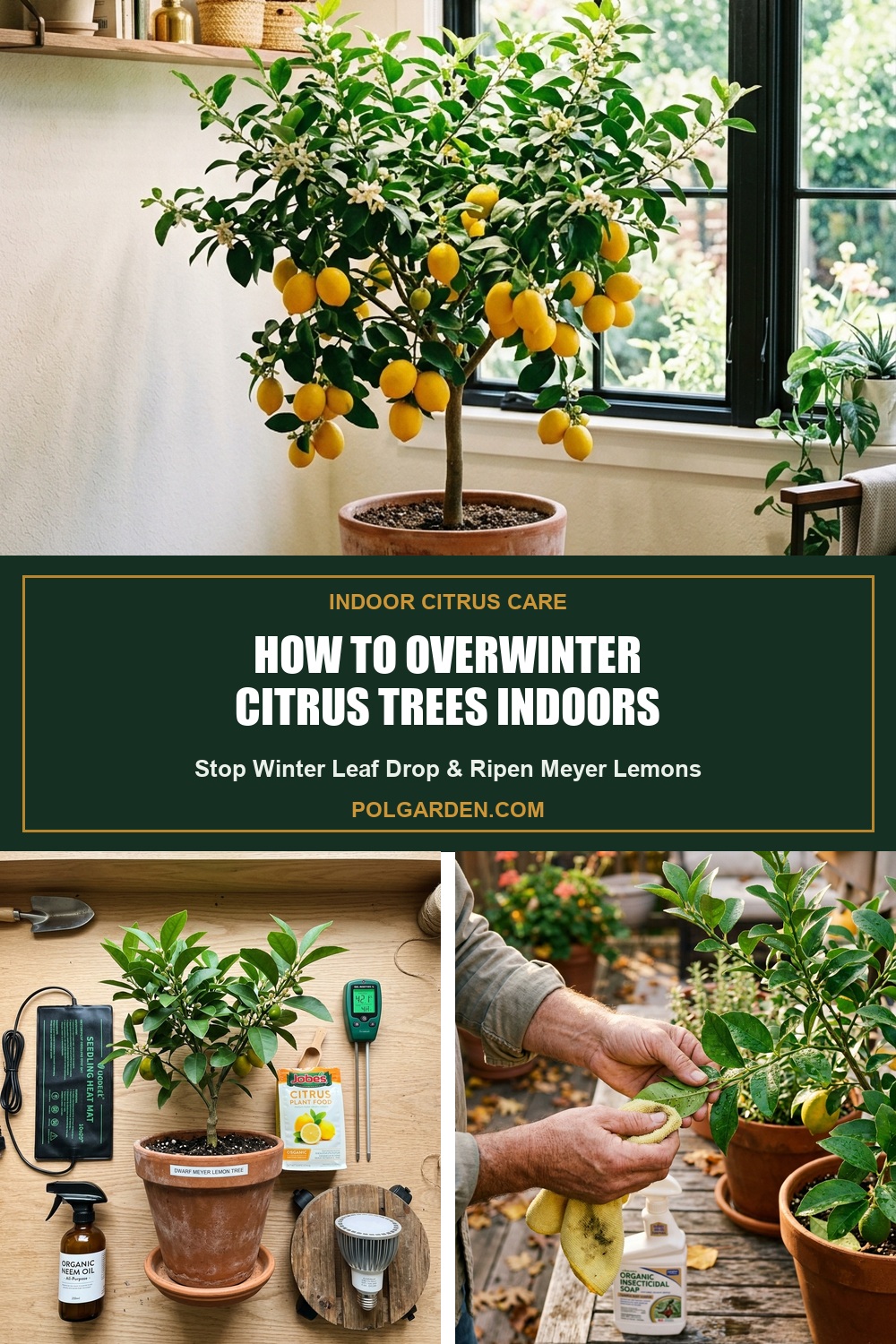
There is nothing quite as rewarding in container gardening as picking fragrant, sun-kissed Meyer lemons, limes, or calamondins straight from your patio during the peak of summer. But when autumn chill arrives and temperatures plummet toward freezing, potted citrus trees face their greatest survival test of the year. Transitioning subtropical fruit trees from the radiant outdoor sun into the dim, dry sanctuary of a winter living room triggers a notorious botanical crisis known as Winter Leaf Drop (WLD). Without proper acclimatization, pest mitigation, and root zone warming, a once-lush tree can shed every green leaf within two weeks of crossing your threshold.
Unlike deciduous fruit crops that enter deep, leafless winter dormancy, citrus trees are broadleaf evergreens native to Southeast Asia’s subtropical climates. They continue photosynthesis, transpiration, and fruit maturation throughout the colder months. When brought inside, citrus plants struggle primarily because of a physiological disconnect: warm indoor air stimulates active transpiration in the canopy, while cold window drafts or chilly floorboards keep container soil below 55°F (13°C). In cold soil, citrus root hairs become completely inactive and cannot pump water upward, causing the tree to jettison its leaves to conserve moisture. By understanding this metabolic balance and executing a disciplined 4-step overwintering protocol, you can eliminate leaf drop entirely and keep your citrus flourishing with fragrant winter blossoms and juicy golden fruit.
Why You’ll Love This Indoor Citrus Winterization Protocol
- Zero Winter Leaf Drop: Stabilizing root zone temperatures and light exposure prevents the classic shock-induced defoliation that weakens potted trees.
- Pest-Free Living Spaces: A thorough two-stage pre-move washdown stops hitchhiking spider mites, scale insects, and aphids before they enter your home.
- Continuous Winter Fruit Ripening: Strategic grow lighting keeps sugars accumulating in developing lemons, limes, and kumquats without stunting growth.
- Seamless Spring Re-emergence: Healthy, fully leafed trees rebound immediately in spring, producing profuse fragrant blooms weeks ahead of neglected trees.
Key Supplies & Pre-Winter Prep Station

Gather these vital supplies in early autumn before nighttime temperatures dip below 50°F (10°C):
- Organic Insecticidal Soap & Cold-Pressed Neem Oil: Essential for a pre-move foliage drench that eradicates insect eggs, nymphs, and fungal spores hiding beneath glossy leaves.
- Heavy-Duty Rolling Plant Caddy: Large terracotta or ceramic citrus containers can weigh 50 to 80 pounds; wheels make relocation and weekly light rotation effortless.
- Full-Spectrum High-Output LED Grow Light: Winter daylight through modern double-pane windows provides less than 20% of the photosynthetic active radiation (PAR) citrus demands. A 35W to 50W full-spectrum LED bulb bridges the solar deficit.
- Long-Probe Soil Moisture Meter: Citrus roots demand excellent aeration. A moisture probe prevents the catastrophic overwatering that causes root rot in slow-drying indoor soil. Similar to overwintering potted rosemary, drainage precision is non-negotiable.
- Waterproof Seedling Heat Mat or Cork Insulation Riser: Elevates the container bottom off cold tile or hardwood floors to keep root zone temperatures at a cozy 65°F to 70°F (18°C to 21°C).
Step-by-Step Walkthrough to Overwinter Citrus Trees Indoors
1. Step One: Timing & Gradual Autumn Acclimatization: Do not wait for frost warnings to scramble your citrus indoors. Meyer lemons and calamondins tolerate light cold down to 32°F (0°C), but abrupt temperature swings shock the tree. Move your container indoors when nighttime temperatures consistently fall to 50°F (10°C). Begin two weeks prior by shifting the container into dappled shade on your porch or patio. This gradual reduction in outdoor light intensity encourages the tree to produce larger, darker green shade-adapted chloroplasts before entering indoor conditions.
2. Step Two: The Two-Stage Pre-Move Pest Eradication Bath: Outdoor trees inevitably harbor microscopic spider mites, scale, and mealybugs that multiply explosively in heated winter indoor air. Three days before bringing the tree inside, hose down the entire foliage canopy with a strong water spray, paying special attention to the undersides of leaves and branch crotches. Allow the leaves to dry, then thoroughly spray all surfaces with an organic insecticidal soap solution mixed with cold-pressed neem oil. Repeat this treatment once more right before bringing the pot inside.

3. Step Three: Indoor Placement & Supplemental Grow Lighting: Position your citrus tree in the sunniest spot available, ideally in front of an unobstructed south-facing or southwest-facing window. Keep the foliage at least 3 feet away from forced-air heat vents, radiators, and wood stoves, which create dry, desiccating microclimates. Position a full-spectrum LED grow light 12 to 18 inches above the highest leaves and run it on a timer for 10 to 12 hours daily. This ensures continuous metabolic energy to hold existing foliage and ripen swelling fruit.
4. Step Four: The “Warm Feet” Root Zone & Strict Watering Protocol: The single biggest cause of winter mortality is soggy, cold soil. Potted citrus plants drink significantly slower indoors. Only water when the top 2 to 3 inches of potting mix feel dry to the touch. When watering, apply lukewarm room-temperature water until it drains freely from the pot’s bottom holes, and empty the saucer immediately after 15 minutes. Never let the pot sit in standing water. If your pot rests on a concrete, tile, or uninsulated floor, place a cork mat or seedling heat mat underneath to maintain soil warmth. For outdoor orchard trees, you can contrast this container care with our guide to winterizing fruit trees against frost cracks.
3 Citrus Specialist Secrets for Non-Stop Winter Vigor
1. Balance Root and Foliar Temperatures: If your citrus tree is placed near a sunny window, the leaves absorb solar warmth and reach 75°F (24°C), but the ceramic pot sitting on cold tiles stays at 50°F (10°C). This creates severe physiological stress where roots cannot supply the active leaves with moisture, triggering massive leaf drop. Elevating the pot on a rolling plant caddy or insulated mat keeps roots and leaves thermally aligned.
2. Boost Ambient Humidity with Pebble Trays, Not Leaf Misting: Indoor winter heating drops indoor relative humidity below 30%, whereas citrus prefers 50% or higher. Misting leaves with a spray bottle provides only fleeting minutes of moisture and can promote fungal leaf spot indoors. Instead, set the pot on a wide tray filled with river pebbles and water, ensuring the water level stays below the bottom of the pot. A nearby cool-mist room humidifier provides exceptional leaf hydration, similar to techniques used in indoor tropical houseplant winter care.
3. Pause High-Nitrogen Feeding Until Late Winter: Citrus trees do not require heavy feeding during short winter days. Applying high-nitrogen fertilizer stimulates soft, leggy, pale green shoots that are highly vulnerable to aphids and powdery mildew. Suspend routine fertilizing from November through January. In mid-February, when daylight hours lengthen and flower buds begin swelling, resume feeding with a gentle, half-strength organic citrus fertilizer fortified with chelated iron and zinc.
Spring Awakening & Outdoor Reintroduction

When spring arrives, reintroducing your indoor tree back to the garden requires patience to prevent intense sunburn on shade-accustomed leaves:
- Wait for Safe Spring Temperatures: Keep the tree indoors until all danger of hard frost has passed and night temperatures reliably exceed 50°F (10°C).
- The 7-Day Hardening Off Process: Place your citrus tree in full, sheltered shade for the first 3 to 4 days outside. Over the next 4 days, gradually introduce it to 2 to 3 hours of gentle morning sun before shifting it to its permanent all-day summer sun location.
- Hand Pollination for Indoor Blossoms: If your citrus tree blossoms indoors during late winter, indoor rooms lack natural pollinators like bees. Gently swirl a soft watercolor paintbrush inside each open blossom to transfer pollen from anthers to the central stigma, ensuring bumper fruit sets. Similar care is essential when caring for tender Mediterranean perennials like winterizing fig trees in cold climates.
Troubleshooting Common Winter Citrus Problems
- Sudden, Massive Green Leaf Drop: Almost universally caused by “cold soil, warm canopy” shock or abrupt light reduction. Elevate the pot off cold floors, check that soil is moist but not waterlogged, and set up a full-spectrum grow light immediately.
- Yellowing Leaves with Prominent Dark Green Veins: Classic sign of winter chlorosis (iron deficiency), exacerbated when cold soil locks out micronutrient uptake. Ensure soil stays above 65°F and apply a foliar spray of chelated iron if symptoms persist into early spring.
- Sticky Sap on Leaves and Floorboards: Excreted honeydew from brown scale insects or mealybugs clinging along leaf veins and green stems. Wipe stems down with a cotton pad soaked in 70% isopropyl alcohol and spray weekly with neem oil.
- Curling, Crispy Brown Leaf Tips: Caused by hot dry air blowing directly from heating registers, or accumulated fertilizer salts in the soil. Move the pot away from heat drafts and flush the potting mix thoroughly with clean rainwater.
Frequently Asked Questions
Can Meyer lemon trees produce fruit indoors during the winter?
Yes! Meyer lemons naturally flower and ripen fruit simultaneously throughout late fall and winter. As long as the tree receives 8 to 12 hours of combined sunlight and LED grow light illumination, fruit will mature from green to fragrant, edible yellow-gold indoors.
Why are my indoor lemon tree leaves falling off after moving it inside?
Winter leaf drop occurs when indoor light levels plunge or when container roots sit in cold, soggy soil while indoor room air is warm. Acclimatize trees gradually in fall, water only when the top few inches are dry, and elevate pots off cold flooring.
How often should I water my indoor citrus tree in winter?
Most potted indoor citrus trees require watering only once every 7 to 14 days during winter. Always test with a long-probe moisture meter or finger check: water thoroughly until liquid exits drainage holes only when the top 2 to 3 inches feel completely dry.
Do citrus trees need a grow light indoors?
While trees placed in huge, unblocked south-facing bay windows can scrape by, a full-spectrum LED grow light running 10 to 12 hours daily dramatically increases leaf retention, prevents branch dieback, and fuels fruit ripening throughout dark winter months.
Save This Winter Garden Guide for Later
Love this guide? Save this pin to your Pinterest gardening, indoor citrus, patio plants, or winter garden care board so you have the 4-step cold protection schedule ready whenever temperatures drop!