
Renowned for their intoxicating tropical fragrance, velvety spiral petals, and sculptural architectural branches, plumerias (Plumeria rubra and Plumeria obtusa, commonly celebrated as frangipani or Hawaiian lei flowers) bring the exotic romance of tropical island paradises directly to sunny patios and garden terraces. Throughout sizzling summer heat waves, these sun-worshipping tropical trees thrive on scorching sunlight and high humidity, perfuming summer evenings with notes of sweet jasmine, citrus, and vanilla. However, plumerias possess absolutely zero genetic adaptation to freezing weather. As late autumn arrives and night temperatures consistently plunge below 50°F (10°C), plant metabolism grinds to a halt. If left outdoors during a light frost (32°F / 0°C), their thick, succulent stems—which store large volumes of liquid sap—will freeze solid, rupturing internal vascular tissues and reducing prize multi-branched trees into black, rotting mush. Fortunately, plumeria is naturally deciduous and enters an obligate winter dormancy that makes overwintering surprisingly effortless. By learning how to overwinter plumeria indoors through our proven 4-step protocol—sanitary leaf removal, bare-root or container dormancy, cool dry dark storage, and gradual spring re-awakening—you can preserve your trees for decades in any cold climate.
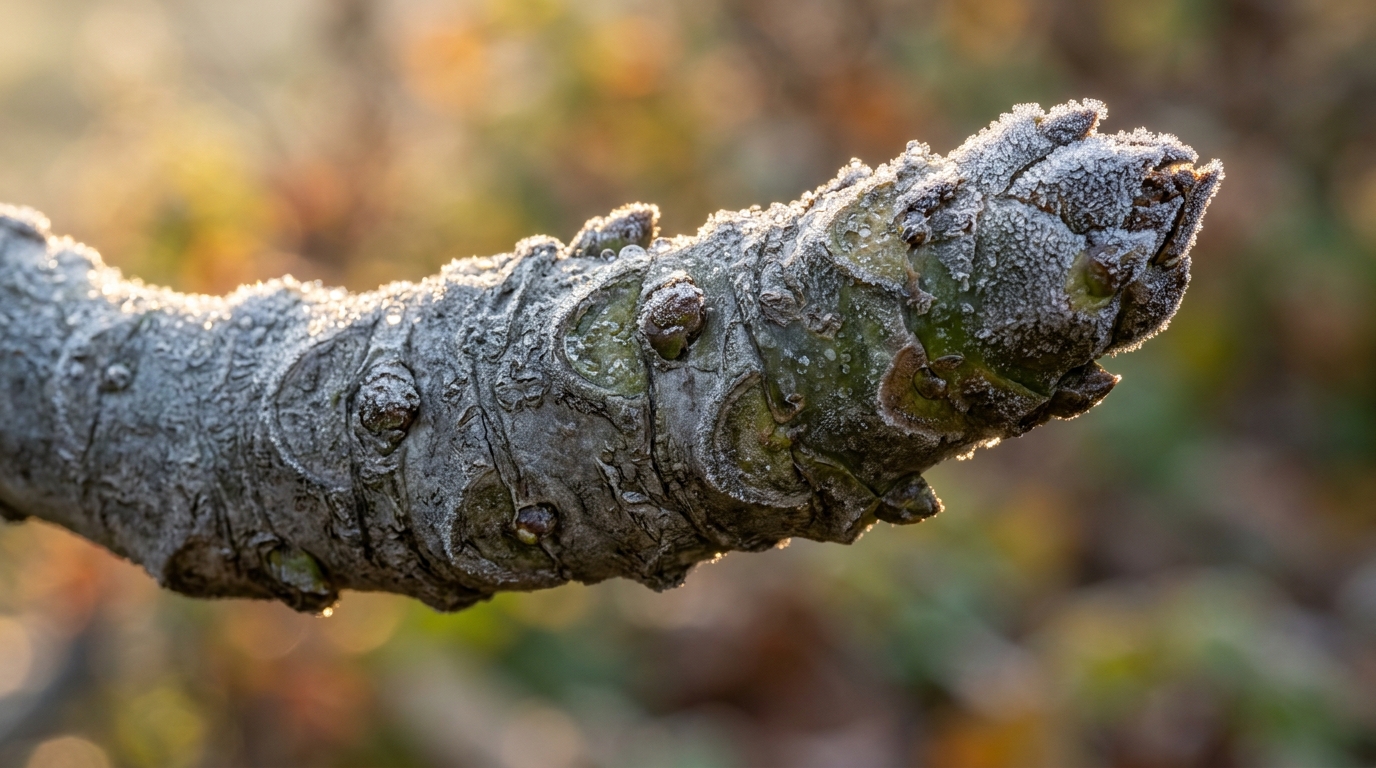
To successfully overwinter plumeria indoors, gardeners must understand the crucial physiological distinction between evergreen houseplants and winter-dormant succulents. Unlike tropical vines such as overwintered mandevilla plants or potted tropical hibiscus, plumeria does not require expensive grow lights, high ambient humidity, or weekly watering during winter. In fact, attempting to keep a plumeria actively growing in a warm, low-light living room while watering it regularly is the single fastest way to induce lethal black stem rot (tip blight) and root suffocation! In their native Central American and Caribbean habitats, plumerias survive prolonged dry seasons by dropping all their foliage and entering complete dormancy. Much like storing dormant elephant ear tubers or overwintering fuchsias, embracing bare-root dry storage in a closet, unheated basement, or garage allows large 6-foot trees to hibernate in complete darkness without taking up valuable living space.
Why Indoor Winter Dormancy Protects Succulent Stems & Future Blooms
- Total Elimination of Lethal Winter Freeze-Rot: Plumeria stems are composed of soft, water-storing succulent pith. Freezing temperatures freeze internal moisture into jagged ice crystals that rupture cellular walls, causing catastrophic collapse.
- Space-Saving Bare-Root Storage: Because dormant plumerias shed their leaves and cease root water absorption, large mature trees can be unpotted, shaken free of soil, and stacked horizontally on shelves or hung in closets, freeing up prime indoor floor space.
- Protection Against Winter Pest Outbreaks: Stripping foliage before moving trees indoors permanently eliminates spider mites, mealybugs, and scale insects that would otherwise thrive in dry heated indoor home air.
- Stimulation of Heavy Summer Inflorescences: A cool, bone-dry 90-day winter dormancy mimics the natural tropical dry season, triggering the hormonal shift required for mature branch tips to initiate abundant flower inflorescences (plumeria flower spikes) next summer.
Essential Supplies & Smart Winter Storage Toolkit

- Sterilized Bypass Pruning Shears: Sharp pruners deliver clean cuts when removing yellowing autumn foliage, leaving small petiole stubs that naturally seal off without wounding main stems.
- 70% Isopropyl Alcohol or Disinfectant Wipes: Used to clean shears between cuts to eliminate any spread of fungal spores or sap-borne bacteria.
- Breathable Cardboard Boxes or Large Brown Paper Bags: The ideal containers for bare-root tree storage. Paper and cardboard allow ambient air circulation while absorbing residual moisture.
- Horticultural Sulfur Powder: An indispensable natural antifungal powder dusted over any accidental branch scrapes, cuts, or root tears to prevent mold during winter storage.
- Coarse Natural Burlap & Jute Twine: Used to wrap and secure the root ball of containerized or bare-root trees to contain loose soil and prevent root breakage.
Step-by-Step Plumeria Overwintering Walkthrough
Step 1: Timing & Inducing Autumn Dormancy
Begin preparing plumerias for winter in early to mid-autumn when outdoor nighttime temperatures drop below 55°F (13°C). Completely withhold all fertilizers by late August. In mid-autumn, stop watering your plumeria entirely. Allowing the potting soil to dry out completely signals to the tree’s internal hormonal clock that the dry winter season has arrived, prompting the lower leaves to yellow naturally.

Step 2: Strip All Leaves (The Petiole Cut Technique)
Never pull or rip leaves downward off plumeria branches, as tearing damages the fragile growth nodes and releases sticky white latex sap. Instead, use clean bypass pruners to snip through each leaf petiole, leaving a 1-inch stub attached to the stem. Within 7 to 10 days, these short stubs will naturally yellow, form a clean corky abscission layer, and fall off cleanly on their own, leaving zero open wounds for pathogens to enter.
Step 3: Select Your Storage Method (Bare-Root vs. In-Pot)
Choose the method that best matches your available indoor space:
• Method A: Bare-Root Storage (Ultimate Space Saver): Gently slide the dry root ball out of its pot. Shake away loose soil from the fibrous roots. Wrap the root system loosely in dry breathable burlap or a brown paper grocery bag secured with jute twine. You can now store your bare-root plumeria trees horizontally on garage shelves, under a bed, or hanging vertically in a dark closet!
• Method B: In-Pot Dry Storage: If you have ample garage or cellar space, simply leave the defoliated tree in its container. Allow the soil to remain bone-dry throughout the winter.
Step 4: Dark, Cool, Frost-Free Storage Protocol
Move the dormant plumeria into a dark, dry indoor location where temperatures consistently remain between 45°F and 60°F (7°C to 15°C)—such as an unheated basement, insulated garage, or cool storage closet. Because the tree is completely dormant and leafless, it requires zero light. Crucially, do not water dormant plumeria during winter! The succulent stems store all the hydration the tree needs until spring.
3 Master Secrets for Flawless Plumeria Dormancy
1. The “Zero Water” Golden Rule: The number one killer of overwintered plumerias is well-intentioned winter watering. In cold, dormant conditions, plumeria roots are completely inactive. Applying water to dormant pots causes stagnant moisture to rot the roots and creep up the central trunk, turning firm gray wood into hollow, squishy mush. Put your watering can away until April!
2. Beware of Milky White Latex Sap: When pruned or nicked, plumeria bleeds a milky white latex sap containing plumerid toxins. This sap can cause contact dermatitis and skin irritation and is toxic if ingested by pets. Always wear rubber gardening gloves when stripping leaves and wipe pruning blades with alcohol immediately after use.
3. The “Firm Tip” Health Check: Once a month during winter, perform a gentle health check by lightly squeezing the branch tips. Healthy dormant plumeria tips remain rock-hard, firm, and plump. If a tip feels soft, spongy, or wrinkled, it may indicate black tip fungus; immediately slice away the soft portion with an alcohol-sanitized blade down to healthy white wood and dust with sulfur powder.
Bare-Root vs. Containerized Storage: Choosing Your Strategy

- Bare-Root Storage (Ideal for Large 4+ Foot Trees): Unpotting eliminates 80% of container weight, making cumbersome trees easy to transport indoors. Perfect for gardeners overwintering multiple specimens in small closets or crawl spaces.
- In-Pot Storage (Ideal for Young 1-2 Year Cuttings): Immature plumerias with small, delicate root systems benefit from remaining in their containers to avoid root disturbance. Simply place the pot in a dry, dark room without adding a drop of water.
- Warm Sunny Window Method (For Tropical Enthusiasts): If you prefer to keep your plumeria awake all winter, place it in your sunniest south-facing window with an LED grow light and heating mat (maintaining 70°F+ / 21°C+). Water very sparingly only when the pot is feather-light.
- Compare with Outdoor Container Care: While tropical plumerias must come indoors, cold-hardy perennials can remain outside. Read our companion guide on winterizing potted plants outdoors.
Spring Awakening & Outdoor Hardening-Off Protocol
- Late Winter Wake-Up Call (March – Early April): In early spring as days lengthen, move dormant trees from dark storage into a warm, bright room (65°F to 75°F / 18°C to 24°C) near a sunny window.
- Repotting Bare-Root Trees: If stored bare-root, pot the tree into a well-draining cactus/succulent potting mix enriched with coarse perlite and pumice. Firm the soil around the root crown.
- The First Cautious Watering: Give the pot one moderate watering to settle the root ball, then do not water again until you see green claw-like leaves unfolding at the branch tips. Overwatering before leaves develop will rot the roots.
- Gradual Outdoor Acclimatization in May: When outdoor night temperatures reliably exceed 55°F (13°C), move the tree outside. Start with 3 days in deep shade, gradually shifting into full radiant sun over two weeks to avoid burning sensitive dormant bark.
Frequently Asked Questions
Can I leave my plumeria outside in a greenhouse over winter?
Only if the greenhouse is actively heated and thermostatically regulated so temperatures never drop below 40°F (4°C). Unheated plastic greenhouses offer virtually zero thermal protection against hard frosts; in sub-freezing weather, internal greenhouse temperatures plummet to ambient outdoor levels, resulting in fatal branch freezing.
Why are the branch tips on my overwintered plumeria shriveling slightly?
Mild wrinkling or slight softening of branch bark during late winter is normal as the tree metabolizes stored water reserves. As long as the wood remains green beneath the outer gray skin and does not turn black or squishy, the branches will plump up rapidly once spring watering resumes.
When should I resume fertilizing my plumeria in spring?
Wait until the tree has fully leafed out with at least 3 to 4 true green leaves on each branch tip (typically late spring). Then begin feeding with a high-phosphorus bloom booster fertilizer (such as 10-52-10 or 10-30-10) every two weeks to stimulate massive, fragrant floral clusters.

Pin This Plumeria Overwintering Guide for Later
Love this guide? Save this pin to your Pinterest gardening board so you have the bare-root storage steps, leaf removal tips, and spring watering rules ready before the first autumn freeze arrives!