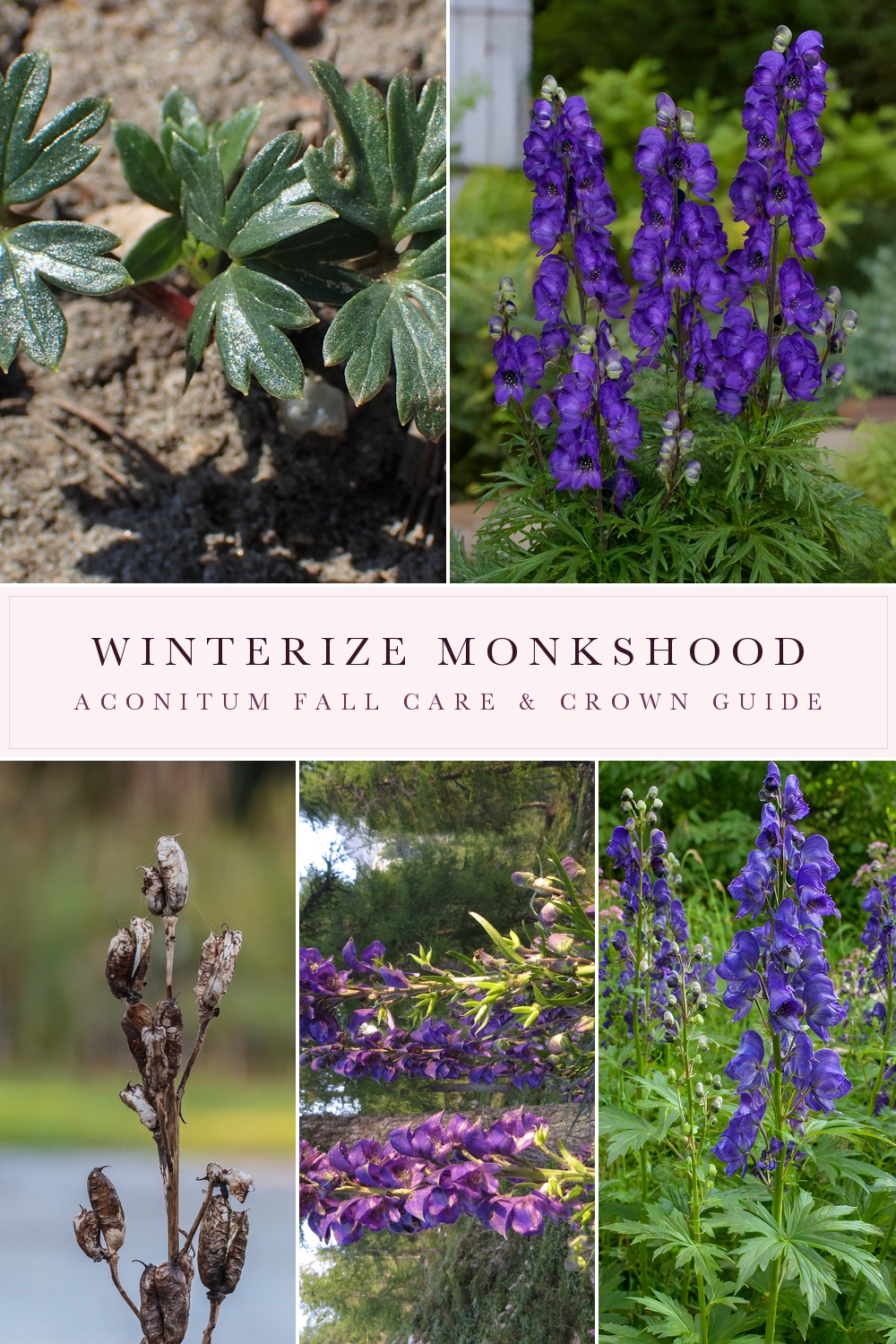
As autumn paints northern gardens in hues of copper and gold, few late-season perennials deliver the dramatic intensity of Monkshood (Aconitum). Rising on stately, upright stalks crowned with helmet-shaped, deep violet and sapphire blossoms, monkshood extends vibrant color well past the first light frosts when most summer flowers have long faded. Yet behind this breathtaking alpine beauty lies a plant whose winterizing demands strict horticultural precision: all parts of the plant contain potent aconite alkaloids, making autumn cutback a task that requires impervious gloves, careful hygiene, and strategic crown insulation against damaging winter freeze-thaw cycles.
Native to moisture-retentive mountain meadows and woodland edges across Europe, Asia, and North America, common varieties like Aconitum napellus and late-blooming Aconitum carmichaelii (Azure Monkshood) are exceptionally cold-hardy, flourishing from USDA Zones 3 through 8. Beneath the soil, monkshood anchors itself with fleshy, tuberous root clusters that act as subterranean energy banks. Unlike soft-stemmed perennials that collapse into mush, monkshood stalks remain fibrous and stiff even after freezing temperatures. Winterizing therefore revolves around three crucial priorities: practicing non-negotiable personal safety while cutting stalks, removing diseased foliage to halt fungal spore transmission, and applying an airy mulch blanket that shields shallow tuber collars without trapping waterlogged sludge.
Why You’ll Love This Winter Care Routine
- Time / Speed: Takes only 15 minutes of focused maintenance in late autumn once the late floral display finishes.
- Absolute Safety & Alkaloid Containment: Establishes a seamless, foolproof protocol to handle toxic plant parts safely and prevent accidental skin absorption.
- Disease & Verticillium Prevention: Eliminating spent autumn stems removes the prime breeding ground for powdery mildew, crown rot, and overwintering stem borers.
- Stately Spring Flower Power: Protects underground tuberous growing points, ensuring robust, multi-branched floral spires reach 4 to 5 feet next summer.
Key Supplies & Seasonal Timing

- Heavy-Duty Nitrile or Leather Gardening Gloves: The single most vital tool. Aconite toxins absorb readily through skin pores and small abrasions; never handle cut stems bare-handed.
- Sharp Bypass Hand Pruners: Precise blades cut cleanly through fibrous stalks without crushing or tearing shallow tuber connections.
- Designated Disposal Bags: Heavy-duty municipal paper bags or contractor sacks for immediate removal; never add monkshood debris to household compost piles.
- Shredded Bark or Evergreen Boughs: A breathable 2-to-3-inch organic layer buffers against frost heave while allowing moisture evaporation.
Step-by-Step Monkshood Winterizing Walkthrough
1. Suit Up with Protective Gear: Before picking up your pruners, slip into long pants, a long-sleeved gardening jacket, and impermeable gloves. Ensure no bare skin on your wrists or arms comes in direct contact with broken stems or fresh sap during autumn pruning.
2. Allow Natural Foliage Senescence: Because monkshood blooms so late in the season (often through late October), do not rush the cutback. Let flowers fade into decorative brown seed capsules, allowing the finely cut leaves to turn yellow or bronzed after a hard killing freeze. This enables the plant to finish translocating starch down into its underground tuber cluster.

3. Cut Stems Cleanly to 2–3 Inches: Using bypass shears, cut each stalk cleanly 2 to 3 inches above the soil line. Leaving a short stub marks the crown location and prevents moisture from entering directly into the tuber collar. Place all severed stems directly into your disposal bag as you work to avoid scattering toxic leaf debris across garden paths.
4. Safe Tool Hygiene & Clean Up: Once pruning is finished, thoroughly wipe down your pruner blades with rubbing alcohol or hot soapy water to eliminate sap residue before storing. Peel gloves off inside-out and wash your hands thoroughly with warm water and soap as an added safety precaution.
5. Apply an Airy Insulating Mulch Ring: Spread a 2-to-3-inch layer of pine bark mulch, pine needles, or well-shredded leaf mold over the root zone. Ensure the mulch tapers slightly around the central stem stubs so trapped standing water does not foster winter fungal rot.
3 Horticultural Secrets for Flawless Spring Monkshood
1. Strict No-Compost Rule: Never discard monkshood stalks, roots, or seed heads into compost bins that will be used around vegetable plots, herb spirals, or berry patches. The aconite alkaloid remains chemically active through most standard home decomposition processes. Always consign monkshood debris to municipal yard waste or burn piles.
2. Avoid Unnecessary Root Disturbance: Unlike daylilies or hostas that welcome frequent division, monkshood develops brittle, sensitive tuberous roots that detest disturbance. Clumps thrive undisturbed for 5 to 7 years. If division is strictly necessary to rejuvenate an overgrown clump, perform it in early autumn with gloves, dividing tubers gently with a sharp garden knife rather than prying them apart.
3. Winter Soil Drainage Management: While monkshood requires consistent moisture throughout summer heat, resting tubers are notoriously vulnerable to winter rot if planted in heavy, waterlogged clay. Ensure autumn beds are amended with coarse leaf mold or planted on slight slopes where melting snow drains away freely from dormant crowns.
What to Pair With Monkshood in Winter Borders

- Bold Foliage Contrast: Pair behind broad-leafed leopard plant (Ligularia) and arching Solomon’s seal (Polygonatum) to establish layered woodland architecture that dies back simultaneously in late autumn.
- Ground-Covering Skirts: Underplant with semi-evergreen barrenwort (Epimedium) and velvety lady’s mantle (Alchemilla mollis), which insulate surrounding soil and prevent mud splashing.
- Late-Autumn Floral Harmony: Weave alongside late-flowering Japanese anemones, whose delicate pink and white petals contrast brilliantly with monkshood’s deep royal-blue spires.
- Moisture-Loving Textures: Group with moisture-loving astilbes and lungwort (Pulmonaria) for seamless companion bed management.
Winter Monitoring, Cold Hardiness & Spring Care
- Extreme Cold Tolerance: Established monkshood plants easily endure temperatures down to -35°F (-37°C) across USDA Zones 3 to 8, needing no heavy cloches or heating wraps.
- Container Care: If growing monkshood in large pots, sink the entire container into an empty garden trench or relocate to an unheated garage to keep root balls from freezing solid through repeated freeze-thaw cycles.
- Immunity to Deer, Rabbits & Voles: Because of its intense alkaloid concentration, wildlife instinctively avoids touching monkshood. Tubers remain 100% immune to winter rodent damage beneath the snow.
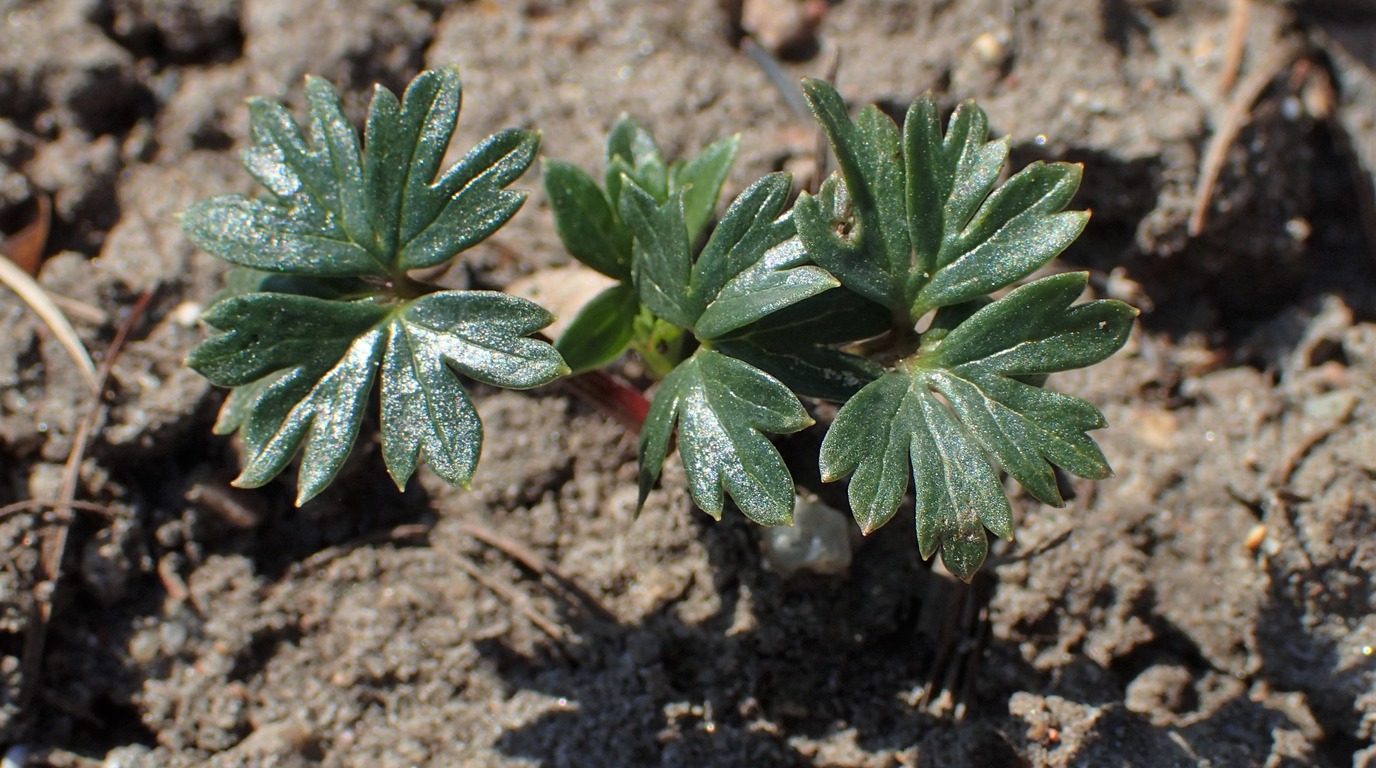
- Spring Re-Emergence: In late April or early May, monkshood pushes up muscular, glossy green rosettes. Gradually clear away excess winter mulch so young shoots absorb sunlight freely.
Frequently Asked Questions
Can I compost monkshood stems and leaves?
No, never compost monkshood. The plant’s toxic diterpene alkaloids do not break down reliably in standard home compost piles. Compost made from monkshood debris could contaminate soil if used in vegetable gardens or berry beds. Always dispose of cuttings in municipal green waste or burning facilities.
Why must I wear gloves when pruning monkshood in the fall?
All parts of Aconitum contain aconitine, a potent neurotoxin that penetrates through microscopic skin abrasions and open pores. Pruning without gloves can result in skin numbness, tingling, nausea, and cardiac irregularities. Sturdy waterproof nitrile or leather gloves prevent all contact with the sap.
Do monkshood tubers need to be dug up and stored indoors for winter?
No. Monkshood is fully hardy in USDA Zones 3 through 8. Tubers remain in the ground all winter long without needing lifting or indoor storage, provided soil does not sit in stagnant water.
How early does monkshood wake up in spring?
Monkshood is a steady, deliberate grower, emerging in late April to early May once the soil warms reliably. It establishes rich lacy foliage before sending up tall flower spikes in mid-to-late summer.
Save This Monkshood Winter Guide
Loved this Monkshood winterizing guide? Save this pin to your Pinterest perennial care and cottage gardening boards so you have these essential safety protocols and pruning tips ready every autumn!