1. Essential Hand Trowels: Choosing the Right Size for Container Gardening

Essential Hand Trowels: Choosing the Right Size for Container Gardening
When it comes to container gardening, selecting the right hand trowel is crucial for achieving optimal results. A hand trowel is an indispensable tool that helps with planting, transplanting, and soil aeration. However, the size of the trowel can significantly impact your gardening experience and the health of your plants.
Understanding Trowel Sizes
Hand trowels typically range from 6 to 12 inches in width. For small containers, a narrower trowel (around 6-8 inches) allows for precise movements, making it easier to dig into tight spaces without disturbing nearby roots. On the other hand, for larger containers, a wider trowel (10-12 inches) can help you cover more ground quickly, perfect for mixing soil or adding compost.
Expert Gardening Tips
- Choose the Right Material: Stainless steel trowels are durable and resistant to rust, while plastic trowels are lightweight and easy to handle.
- Comfort Matters: Look for ergonomic handles that provide a secure grip, reducing hand fatigue during extended gardening sessions.
Avoiding Common Mistakes
Many gardeners overlook the importance of size when selecting a trowel. Using a trowel that is too large can lead to soil compaction in small containers, hindering root growth. Additionally, avoid using trowels with sharp edges on delicate plants to prevent damage.
Best Practices for Container Gardening
Incorporate a routine of cleaning your trowel after each use to ensure longevity and prevent the spread of diseases. Always assess the size of your containers before making a trowel purchase, as this will enhance your gardening efficiency and plant health.
With the right hand trowel in your toolkit, you’ll be well-equipped to nurture your container garden into a thriving oasis. Choose wisely, and enjoy the fruits of your labor!
2. Ergonomic Pruning Shears: The Key to Healthier Shrubs and Plants

Ergonomic Pruning Shears: The Key to Healthier Shrubs and Plants
When it comes to maintaining a vibrant garden, ergonomic pruning shears are essential tools that can significantly enhance your gardening experience. These specially designed shears minimize strain on your hands and wrists, allowing for prolonged use without discomfort, which is crucial for tasks like shaping shrubs and maintaining plant health.
Choosing the Right Ergonomic Pruning Shears
When selecting ergonomic pruning shears, look for features such as:
- Comfortable, soft-grip handles
- Lightweight materials to reduce fatigue
- Rotating handles to promote natural wrist motion
Current trends in Garden DIY emphasize the importance of using tools that support sustainable gardening practices. Ergonomic shears not only improve efficiency but also help prevent repetitive strain injuries.
Step-by-Step Guide to Pruning
Follow these steps to effectively prune your shrubs:
- Assess the plant’s health and shape. Look for dead or diseased branches.
- Use your ergonomic shears to make clean cuts at a 45-degree angle, promoting quicker healing.
- Remove no more than one-third of the plant at a time to prevent shock.
- Clean your tools regularly to maintain sharpness and prevent disease transfer.
Avoiding Common Mistakes
Many gardeners make the mistake of:
- Using dull pruning shears, which can damage plants.
- Failing to sanitize their tools, risking the spread of pathogens.
- Pruning at the wrong time of year, which can hinder flowering.
By incorporating ergonomic pruning shears into your gardening routine, you not only promote healthier shrubs and plants but also ensure a more enjoyable gardening experience. Remember, regular maintenance is key to a thriving garden!
3. Quality Garden Forks: Essential for Aerating Your Vegetable Bed

Quality Garden Forks: Essential for Aerating Your Vegetable Bed
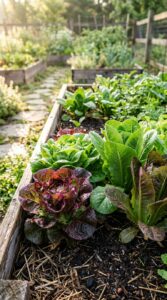
A quality garden fork is a vital tool for every gardener aiming to cultivate a thriving vegetable bed. Not only does it aid in aerating the soil, but it also helps in breaking up compacted earth, ensuring that your plants receive the best nutrients and water.
Why Aeration Matters
Aerating your vegetable bed enhances soil structure and promotes healthy root growth. By using a garden fork, you create small holes in the soil, allowing air, water, and nutrients to penetrate deeper. This is particularly important in dense soils that can hinder plant growth.
Step-by-Step Guide to Aerating Your Vegetable Bed
- Select the Right Fork: Choose a durable garden fork with strong tines. Stainless steel forks are ideal for breaking tough soil.
- Prepare Your Bed: Remove any debris, weeds, or old plant material from your vegetable bed.
- Aerate the Soil: Insert the fork into the soil to a depth of about 6-8 inches, then gently pull back the handle to lift the soil. Repeat this process in rows, ensuring even coverage.
- Follow Up with Amendments: After aerating, consider adding organic matter, such as compost or well-rotted manure, to enrich the soil.
Common Mistakes to Avoid
- Neglecting to aerate regularly: Aim to aerate at least once a season.
- Using a dull or weak fork: Invest in a quality garden fork for best results.
- Over-aerating: Too much aeration can disturb beneficial soil organisms. Aim for balance.
Best Practices for Vegetable Bed Maintenance
Incorporating aeration into your gardening routine not only improves soil health but also supports current trends in Garden DIY, such as organic gardening and sustainable practices. Remember to monitor soil moisture and adjust your watering schedule accordingly to complement your aeration efforts.
By following these expert tips, you can ensure that your vegetable bed remains fertile and productive throughout the growing season. Happy gardening!
4. Adjustable Garden Kneeler: Protecting Your Knees While Weeding

Adjustable Garden Kneeler: Protecting Your Knees While Weeding
Gardening can be a joyous and fulfilling activity, but it often comes with physical strain, particularly on your knees. An adjustable garden kneeler is an essential tool for any gardener looking to protect their knees while weeding, planting, or tending to their garden beds.
Why Use an Adjustable Garden Kneeler?
These kneelers provide cushioned support, allowing you to comfortably kneel for extended periods. With their adjustable height feature, they cater to different gardening tasks and personal preferences, making them a versatile addition to your gardening toolkit.
Step-by-Step Guide to Using Your Kneeler
- Choose the Right Height: Adjust the kneeler to a height that suits your gardening style. A lower setting is ideal for weeding, while a higher setting works well for planting.
- Position the Kneeler: Place it next to the area you’ll be working on. Ensure the surface is stable and free from debris.
- Get Comfortable: Ease into a kneeling position or flip it over to use as a seat when taking breaks.
- Utilize the Tool Pockets: Keep your tools handy by using the side pockets for easy access while you work.
Expert Tips and Common Mistakes to Avoid
- Maintain Good Posture: Avoid slouching, which can lead to back pain.
- Take Breaks: Don’t forget to stand and stretch periodically to prevent stiffness.
- Check for Stability: Always ensure the kneeler is on a flat surface to avoid accidents.
By incorporating an adjustable garden kneeler into your routine, you not only protect your knees but also enhance your overall gardening experience. Remember, a well-cared-for gardener is a happy gardener!
Embrace this current trend in Garden DIY and enjoy a more comfortable weeding session with the right tools at your fingertips.
5. Durable Hose and Nozzle: Efficient Watering Techniques for Gardens

Durable Hose and Nozzle: Efficient Watering Techniques for Gardens
Creating a thriving garden requires efficient watering techniques, and investing in a durable hose and nozzle is essential. A high-quality garden hose not only withstands wear and tear but also ensures consistent water flow, promoting healthy plant growth.
Choosing the Right Hose
When selecting a hose, look for materials like reinforced rubber or vinyl that resist kinks and UV damage. Aim for a 5/8-inch diameter for optimal water pressure, making it suitable for various garden sizes. Additionally, consider a hose with a length that eliminates the need for excessive maneuvering.
Selecting an Effective Nozzle
A multifunctional nozzle is ideal for different watering tasks. Choose one with adjustable settings—from a gentle mist for seedlings to a powerful jet for cleaning garden tools. This versatility not only saves time but also conserves water.
Expert Watering Techniques
- Water Early or Late: Watering during the cooler parts of the day reduces evaporation.
- Deep Watering: Encourage deep root growth by watering less frequently but thoroughly.
- Soaker Hoses: Consider using soaker hoses for efficient, slow watering directly at the root zone.
Avoid Common Mistakes
Many gardeners make the mistake of overwatering or using a hose that is too short. Ensure your hose reaches all areas of your garden without stretching, and always check soil moisture before watering to prevent waterlogging.
Best Practices for Garden Watering
Regular maintenance of your hose and nozzle will enhance their lifespan. Clean nozzles regularly to avoid clogs and store hoses properly to prevent damage. By following these practices, you will ensure a healthy, vibrant garden with efficient watering techniques.
6. Compost Bins: Best Tools for Sustainable Organic Gardening Practices

Compost Bins: Best Tools for Sustainable Organic Gardening Practices
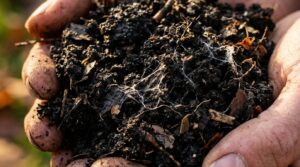
Composting is an essential practice for sustainable organic gardening, allowing you to recycle kitchen scraps and yard waste into nutrient-rich soil. To optimize your composting process, selecting the right compost bin is crucial.
Choosing the Right Compost Bin
There are several types of compost bins available, each catering to different gardening needs:
- Closed Compost Tumblers: Ideal for quick composting, these bins accelerate decomposition through aeration.
- Open Bins: Great for larger gardens, these bins allow for easy access and aeration but require more maintenance.
- Bokashi Bins: Perfect for indoor use, Bokashi bins ferment kitchen waste, enabling composting in limited spaces.
Essential Tools for Effective Composting
To maximize your composting efficiency, consider these essential tools:
- Pitchfork: For aerating your compost and mixing materials.
- Thermometer: To monitor the temperature of your compost, ensuring optimal decomposition.
- Compost Aerator: A handy tool for turning your compost without heavy lifting.
Best Practices for Composting
Follow these expert tips to avoid common gardening mistakes:
- Aim for a balanced mix of green (nitrogen-rich) and brown (carbon-rich) materials.
- Aerate your compost regularly to speed up the process.
- Keep your compost moist, but not soggy, to promote healthy microbial activity.
By implementing these strategies and choosing the right compost bin, you can enhance your organic gardening practices while contributing to a healthier ecosystem. Happy composting!
7. Garden Rakes: Selecting the Right Type for Soil Preparation

Garden Rakes: Selecting the Right Type for Soil Preparation
Choosing the right garden rake is essential for effective soil preparation. Whether you’re planning to start a vegetable garden or revamp your flower beds, understanding the different types of rakes can enhance your gardening experience.
Types of Rakes
- Garden Rake: Ideal for leveling and spreading soil, this rake features sturdy tines that can break up compacted earth.
- Leaf Rake: Perfect for collecting leaves and debris, its flexible tines make it easy to gather organic materials without damaging your soil.
- Bow Rake: With its heavy-duty structure, this rake is excellent for breaking up hard soil and mixing compost into your garden beds.
Step-by-Step Guidance for Soil Preparation
- Start by assessing your soil type—sandy, clay, or loamy. Each requires a different approach.
- Choose the appropriate rake based on your soil assessment. For compacted soil, a bow rake is recommended.
- Clear your garden area of debris and weeds using a leaf rake.
- Use your selected rake to level the soil and mix in any amendments like compost or fertilizers.
Expert Tips and Common Mistakes
One common mistake is using the wrong rake type, which can lead to ineffective soil preparation. Always opt for a rake with sturdy tines for compacted soil, and avoid using excessive force that can lead to soil erosion. Additionally, consider current trends like ergonomic handles for comfort during long gardening sessions.
By selecting the right garden rake and following these best practices, you can effortlessly prepare your soil for a thriving garden. Happy gardening!
8. Heavy-Duty Shovels: Choosing the Best for Landscape Projects

Heavy-Duty Shovels: Choosing the Best for Landscape Projects
When embarking on landscape projects, selecting the right tools is crucial. Heavy-duty shovels are essential for tasks such as digging, moving soil, and breaking ground. Here’s how to choose the best heavy-duty shovel for your gardening needs.
Understanding Your Needs
Start by identifying the specific tasks you’ll tackle:
- Soil Type: Consider whether you’re working with sandy, clay, or rocky soil—each requires different shovel features.
- Size Matters: Choose a shovel that fits your height and strength; a longer handle provides leverage for heavy-duty work.
Material and Design Features
Heavy-duty shovels typically come in steel or carbon steel blades. Look for:
- Reinforced Edges: These help with cutting through tough roots and compacted soil.
- Comfort Grip: Ergonomically designed handles can reduce strain during prolonged use.
Current Trends in Garden DIY
As sustainability becomes a priority, consider tools made from recycled materials. These eco-friendly options not only benefit you but also the environment.
Expert Gardening Tips
To optimize your landscaping efforts, avoid common mistakes:
- Using the wrong shovel for the job can lead to fatigue and inefficiency.
- Neglecting maintenance; clean and store your shovel properly to prolong its life.
In summary, selecting the right heavy-duty shovel involves understanding your specific gardening needs, recognizing the materials and design features that suit your tasks, and adhering to best practices to enhance your landscaping projects. With the right tools, you can transform your garden effectively and efficiently.
9. Seedling Trays: Essential Tools for Successful Vegetable Propagation

Seedling Trays: Essential Tools for Successful Vegetable Propagation
Seedling trays are a gardener’s best friend when it comes to successful vegetable propagation. These essential tools allow you to start seeds indoors or in controlled environments, ensuring optimal growth conditions for your plants. Below, we’ll explore the benefits of using seedling trays, current trends, and best practices to elevate your gardening experience.
Why Choose Seedling Trays?
Seedling trays offer several advantages:
- Space Efficiency: Their compact design allows for maximum seedling density, perfect for small gardens.
- Controlled Environment: Trays help maintain moisture and warmth, crucial for germination.
- Easy Transplanting: Many trays feature individual cells, making it simple to transplant seedlings without root disturbance.
Step-by-Step Guide for Using Seedling Trays
- Select Your Trays: Choose between plastic or biodegradable trays based on your environmental preferences.
- Fill with Quality Seed-Starting Mix: Use a fine, sterile mix that promotes drainage and aeration.
- Sow Seeds: Follow the recommended depth for your vegetable variety, and ensure adequate spacing.
- Watering: Mist the soil gently to avoid displacing seeds; maintain consistent moisture without waterlogging.
- Provide Light: Position trays under grow lights or in a sunny window to promote healthy growth.
- Transplanting: Once seedlings develop true leaves, carefully transplant them into larger pots or directly into your garden.
Common Mistakes to Avoid
Many gardeners face challenges when using seedling trays. Here are key mistakes to avoid:
- Overwatering, which can lead to root rot.
- Neglecting light requirements, resulting in leggy seedlings.
- Transplanting too early, causing stress to the seedlings.
Expert Tips for Success
To maximize your success with seedling trays:
- Rotate your trays for even light exposure.
- Use a heat mat to maintain ideal soil temperatures for germination.
- Consider using a humidity dome to retain moisture during the germination phase.
By incorporating seedling trays into your gardening routine, you enhance your vegetable propagation efforts significantly. With these expert tips and best practices, you’ll be well on your way to nurturing healthy, robust seedlings.
10. Soil Moisture Meters: Ensuring Optimal Watering for Plant Health

Soil Moisture Meters: Ensuring Optimal Watering for Plant Health
In the world of Garden DIY, soil moisture meters have emerged as essential tools for gardeners seeking to maintain optimal watering practices. These devices provide real-time data on soil moisture levels, allowing you to make informed decisions that enhance plant health.
Understanding Soil Moisture Levels
Using a soil moisture meter is straightforward. Here’s how to get started:
- Insert the Probe: Place the meter’s probe into the soil, ideally at the root depth of your plants.
- Read the Gauge: Check the reading. Most meters will have a scale indicating dry, moist, and wet conditions.
- Water Accordingly: If the meter shows dry, it’s time to water; if moist, hold off.
Expert Tips and Common Mistakes
While soil moisture meters are invaluable, here are some expert gardening tips and common mistakes to avoid:
- Don’t Overwater: Many gardeners tend to water too frequently, leading to root rot.
- Calibrate Your Meter: Ensure you’re using the right settings for different plant types.
- Consider Soil Type: Sandy soils drain quickly, while clay retains moisture longer.
Best Practices for Successful Watering
Incorporate the following best practices into your gardening routine:
- Use a moisture meter weekly during growing seasons.
- Combine readings with weather conditions for precise watering.
- Monitor changes in plant behavior as a secondary check on moisture levels.
With the rise of technology in Garden DIY, utilizing a soil moisture meter can significantly improve your watering efficiency, ensuring your garden thrives. Embrace this tool and watch your plants flourish!
Frequently Asked Questions
How do I choose the right size hand trowel for container gardening?
When selecting a hand trowel for container gardening, consider the size of your containers and the depth of soil you need to work with. A smaller trowel is ideal for tight spaces and shallow pots, while a medium-sized trowel can handle larger containers. Look for a sturdy, ergonomic design to ensure comfort during prolonged use.
Why are ergonomic pruning shears important for my garden?
Ergonomic pruning shears are designed to reduce strain on your hands and wrists, which is crucial for maintaining healthy shrubs and plants. They make precise cuts while minimizing fatigue, allowing you to prune more efficiently. Investing in quality shears can significantly enhance your gardening experience and promote better plant health.
What features should I look for in a quality garden fork?
A quality garden fork should have strong, durable tines made of stainless steel to prevent bending during aeration. Look for a comfortable, non-slip handle, preferably ergonomic, which allows for better grip and control. Additionally, a fork with a slightly curved head can help you break up soil more effectively, making it easier to aerate your vegetable bed.
How can an adjustable garden kneeler help me while weeding?
An adjustable garden kneeler provides the flexibility to work at different heights, reducing strain on your knees and back while weeding. By using it as a seat or kneeling pad, you can comfortably tend to your garden without excessive bending. This tool is especially beneficial for gardeners with mobility issues or those who spend long hours working in the garden.
What are the best practices for using a durable hose and nozzle in my garden?
To effectively use a durable hose and nozzle, always check for leaks and ensure connections are secure to prevent water wastage. Use the nozzle to control water flow, adjusting it based on the needs of your plants—gentle sprays for seedlings and stronger jets for established plants. Regular maintenance, such as coiling the hose properly after use, will extend its lifespan and improve your watering efficiency.