1. Sustainable Garden Design: Incorporating Native Plants for Biodiversity

Sustainable Garden Design: Incorporating Native Plants for Biodiversity
Creating a sustainable garden design is not just a trend; it’s a necessity for enhancing biodiversity. By incorporating native plants, gardeners can create habitats that support local wildlife while reducing maintenance and resource consumption. Here’s how to get started on your sustainable garden journey.
Benefits of Native Plants
Native plants are adapted to your local climate and soil conditions, making them more resilient and less demanding. They attract beneficial pollinators, such as bees and butterflies, and provide food and shelter for local fauna. Additionally, native plants require less water and fertilizers, helping to conserve resources.
Step-by-Step Guide to Designing Your Sustainable Garden
- Research Local Flora: Identify native plants suitable for your region. Resources like local extension services or native plant societies can help.
- Plan Your Layout: Design your garden with a mix of perennials, shrubs, and trees to create layers and diverse habitats.
- Soil Preparation: Test your soil and amend it as necessary to ensure optimal conditions for your chosen plants.
- Planting: Follow spacing recommendations to allow for mature growth, enhancing the aesthetic and ecological value of your garden.
- Maintenance: Mulch to suppress weeds, water deeply but infrequently, and avoid pesticides to promote a healthy ecosystem.
Common Mistakes to Avoid
- Neglecting to research local conditions before planting.
- Overcrowding plants, which can lead to competition for resources.
- Using invasive non-native species that can disrupt local ecosystems.
Incorporating native plants into your sustainable garden design not only beautifies your space but also contributes to environmental health. By following these best practices, you can create a thriving ecosystem right in your backyard!
2. Vertical Gardening Techniques: Maximizing Space with Green Walls

Vertical Gardening Techniques: Maximizing Space with Green Walls
In today’s urban landscape, vertical gardening techniques are becoming increasingly popular as a way to maximize space while enhancing aesthetic appeal. Green walls not only beautify your environment but also improve air quality and provide a unique growing space for plants.
Choosing the Right Structure
Start with a sturdy framework to support your vertical garden. Common options include:
- Wooden trellises
- Metal grids
- Modular planting systems
Ensure the structure is anchored well to withstand the weight of soil and plants.
Plant Selection and Layering
Select plants that thrive in vertical spaces. Consider the following:
- Herbs: Basil, mint, and thyme are excellent choices.
- Flowers: Petunias and nasturtiums add color.
- Foliage: Ferns and ivy provide lush greenery.
Layer your plants based on their height and light requirements, placing taller plants at the top and trailing varieties at the bottom.
Watering and Maintenance
Implement a drip irrigation system to ensure consistent moisture without overwatering. Regular maintenance is key—prune dead leaves and check for pests. Avoid common mistakes such as overcrowding plants or neglecting soil quality.
Current Trends and Best Practices
Integrating smart gardening technology, like moisture sensors, can also enhance your vertical garden. Remember, the goal is to create a sustainable and visually appealing green wall that thrives throughout the seasons.
By following these expert tips and utilizing vertical gardening techniques, you can transform any limited space into a lush green sanctuary.
3. Edible Landscaping: Blending Aesthetics with Vegetable Gardens

Edible Landscaping: Blending Aesthetics with Vegetable Gardens
Edible landscaping is a growing trend that combines beauty and functionality in your garden. By integrating vegetables, herbs, and fruits into your landscape design, you create a vibrant and productive space. Here’s how to seamlessly blend aesthetics with your vegetable garden.
Choosing the Right Plants
Select plants that not only provide nourishment but also enhance your garden’s visual appeal. Consider the following:
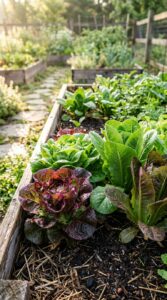
- Colorful Vegetables: Opt for rainbow chard, purple carrots, and bright tomatoes.
- Fragrant Herbs: Incorporate basil, mint, and rosemary for sensory enjoyment.
- Flowering Edibles: Use nasturtiums and pansies, which are both ornamental and edible.
Designing Your Space
Start by mapping out your garden layout. Here are expert tips to make your edible landscaping visually appealing:
- Layering: Use vertical gardening techniques such as trellises for climbing plants.
- Color Schemes: Group plants by color for a cohesive look.
- Texture Variety: Mix leafy greens with herbs and flowering plants to create depth.
Common Mistakes to Avoid
To achieve a successful edible landscape, steer clear of these common pitfalls:
- Overcrowding plants can lead to poor air circulation and disease.
- Neglecting soil health results in weak plant growth. Always amend your soil with compost.
Gardening Best Practices
Implement these best practices for a thriving edible landscape:
- Rotate crops annually to prevent soil depletion.
- Utilize companion planting to enhance growth and deter pests.
By following these guidelines, you can create an edible garden that is not only functional but also a stunning focal point in your landscape. Embrace the beauty of edible landscaping and enjoy the fruits of your labor!
4. Pollinator-Friendly Designs: Creating Habitats for Bees and Butterflies

Pollinator-Friendly Designs: Creating Habitats for Bees and Butterflies
Creating pollinator-friendly designs in your garden is essential for supporting bees and butterflies, which play a crucial role in our ecosystem. By incorporating specific plants and features, you can cultivate a thriving habitat that attracts and nourishes these vital pollinators.
Selecting the Right Plants
Start by choosing a diverse range of native flowering plants, as they are best suited to local pollinators. Aim for:
- Perennials like coneflowers and black-eyed Susans
- Annuals such as sunflowers and zinnias
- Herbs like lavender and basil
Plant in clusters to create a visual impact and make it easier for pollinators to find food sources.
Creating Shelter and Water Sources
In addition to food, bees and butterflies require shelter. Incorporate elements like:
- Bee hotels made from hollow stems or wood
- Rock piles for butterflies to bask
- Shallow water dishes with stones for landing
Best Practices and Common Mistakes
To maximize the effectiveness of your pollinator garden, avoid these common gardening mistakes:
- Using pesticides that harm beneficial insects
- Neglecting to provide a continuous bloom throughout the season
- Forgetting to create sunny spots for warmth
Implementing these practices will ensure your garden remains a safe haven for pollinators.
By following these expert gardening tips and integrating pollinator-friendly designs, you can create a vibrant ecosystem that supports bees and butterflies while enhancing your garden’s beauty.
5. Low-Maintenance Xeriscaping: Drought-Resistant Plant Choices

Low-Maintenance Xeriscaping: Drought-Resistant Plant Choices
Xeriscaping is a sustainable gardening approach that emphasizes low-water plants, making it perfect for regions prone to drought. By incorporating drought-resistant plant choices, you can create a stunning landscape that conserves water and minimizes maintenance. Here’s how to get started with your xeriscape garden.
Step-by-Step Guide to Xeriscaping
- Assess Your Space: Determine your garden’s sun exposure and soil type. This will help you choose plants that thrive in your specific environment.
- Select Drought-Resistant Plants: Consider native species like Agave, Lavender, and Yucca. These plants are adapted to local conditions and require minimal irrigation.
- Design Your Layout: Group plants with similar water needs together. Incorporate hardscaping elements like gravel or stones to reduce water evaporation.
- Implement Efficient Watering Techniques: Use drip irrigation or soaker hoses to deliver water directly to the roots, minimizing waste.
- Apply Mulch: Spread organic mulch around your plants to retain moisture, suppress weeds, and improve soil quality.
Common Mistakes to Avoid
- Overwatering: Even drought-resistant plants can suffer from excessive moisture.
- Poor Soil Preparation: Ensure your soil drains well to prevent root rot.
- Neglecting Plant Selection: Avoid non-native plants that require more water and maintenance.
Best Practices for Xeriscaping
Incorporating xeriscaping into your garden not only conserves water but also promotes biodiversity. Regularly monitor your plants for pests and diseases, and adjust your watering schedule based on seasonal changes. By following these expert tips, you’ll design a beautiful and resilient garden that thrives even in dry conditions.
6. Smart Irrigation Systems: Automating Your Garden Watering Needs

Smart Irrigation Systems: Automating Your Garden Watering Needs
In an era where efficiency meets sustainability, smart irrigation systems are revolutionizing how gardeners manage watering. These automated systems not only conserve water but also ensure your plants receive the precise amount of moisture they need.
Understanding Smart Irrigation
Smart irrigation involves using technology to optimize water usage in your garden. This can include drip irrigation, sprinkler systems, and weather-based controllers that adjust watering schedules based on current weather conditions.
Step-by-Step Installation Guide
- Assess Your Garden: Identify plant types and their specific watering needs.
- Choose Your System: Decide between drip or sprinkler systems based on your garden layout.
- Install Sensors: Place moisture sensors in the soil to monitor hydration levels.
- Connect to Wi-Fi: Ensure your system can sync with weather data for optimal watering schedules.
- Test and Adjust: Run a test cycle and adjust settings according to plant requirements.
Expert Tips and Common Mistakes
- Tip: Schedule watering early in the morning or late in the evening to reduce evaporation.
- Mistake to Avoid: Over-watering; always check soil moisture before activating the system.
- Best Practice: Regularly clean filters and emitters to maintain system efficiency.
By implementing a smart irrigation system, you can ensure your garden thrives with minimal effort. Embrace technology, conserve water, and enjoy a flourishing garden all season long!
7. Biophilic Design in Gardens: Connecting Nature and Outdoor Living

Biophilic Design in Gardens: Connecting Nature and Outdoor Living
Biophilic design in gardens emphasizes the connection between nature and outdoor living, creating spaces that enhance well-being and encourage relaxation. This gardening trend integrates natural elements to foster an immersive experience, making it an essential approach for modern garden DIY enthusiasts.
Incorporating Natural Elements
To effectively implement biophilic design, consider the following practical examples:
- Plant Selection: Choose native plants that thrive in your local climate. This reduces maintenance and promotes biodiversity.
- Water Features: Incorporate ponds or fountains. The sound of flowing water can enhance tranquility and attract wildlife.
- Natural Materials: Use wood, stone, and bamboo for hardscaping. These materials blend seamlessly with the landscape.
Step-by-Step Gardening Guidance
Follow these expert tips to create a biophilic garden:
- Assess your space. Identify areas that receive sunlight and shade to plan your plant layout.
- Design a flow. Create pathways that encourage exploration, connecting different garden zones.
- Layer your garden. Use vertical gardening techniques to add depth with climbing plants and trellises.
- Integrate seating. Add comfortable outdoor furniture made from natural materials to foster relaxation.
Avoiding Common Mistakes
When designing your biophilic garden, be mindful of these common pitfalls:
- Overcrowding plants can lead to disease. Give each plant room to breathe.
- Ignoring maintenance needs can result in an unkempt space. Choose plants that fit your gardening style.
- Neglecting wildlife can diminish the ecosystem. Include elements like birdhouses and bee hotels.
By implementing biophilic design principles, you can create a garden that not only enhances your outdoor living experience but also nurtures your connection with nature. Remember, a well-planned garden can profoundly impact your mental and physical well-being.
Frequently Asked Questions
How can I incorporate native plants into my garden design for better biodiversity?
To enhance biodiversity, select native plants that thrive in your local climate and soil conditions. These plants require less water and maintenance, attract local wildlife, and provide essential habitats. Research your area’s native species and consider creating a pollinator garden by grouping these plants together to support bees and butterflies.
Why should I consider vertical gardening techniques in my small garden?
Vertical gardening maximizes limited space by utilizing vertical surfaces for planting. This technique not only increases your planting area but also enhances aesthetics and improves air circulation for your plants. Consider installing trellises or green walls to support climbing plants, which can also provide privacy and shade.
What are some best practices for blending aesthetics with vegetable gardens?
To create an edible landscape, choose vegetables with appealing foliage and flowers, such as kale or Swiss chard. Arrange them alongside ornamental plants for a visually pleasing design. Raised beds or decorative containers can also enhance the look of your garden while making it easier to access and maintain your crops.
How can I create a pollinator-friendly garden design?
To design a pollinator-friendly garden, incorporate a variety of flowering plants that bloom at different times throughout the growing season. Avoid pesticides and include plants with different shapes and sizes to attract various pollinators like bees and butterflies. Creating nesting habitats, such as bee hotels or patches of bare soil, will further support these beneficial insects.
What should I do if my xeriscape garden isn’t thriving?
If your xeriscape garden is struggling, first check for proper drainage and ensure that you’re using drought-resistant plants suited to your climate. Overwatering can also be an issue; make sure to water deeply and infrequently. Lastly, consider mulching around your plants to retain moisture and suppress weeds, which can compete for limited resources.