As climate change continues to impact weather patterns, the importance of drought-tolerant landscaping has never been more crucial. Homeowners are increasingly looking for ways to create beautiful outdoor spaces that require less water and maintenance. In this guide, we showcase the best drought-tolerant plants for your backyard in 2026, ensuring your garden remains vibrant and sustainable.
Drought-tolerant plants not only save water but also reduce the need for fertilizers and pesticides, leading to a more eco-friendly garden environment. These resilient plants can thrive in various conditions while providing color and texture to your landscape. Whether you’re designing a new garden or revamping an existing space, incorporating these hardy plants can enhance your outdoor living experience while respecting our planet’s resources.
1. Agave: The Hardy Desert Jewel

Agave plants are celebrated for their striking architectural forms and remarkable drought resistance. These succulents thrive in arid conditions and can withstand extreme heat, making them perfect for low-maintenance gardens. With a variety of species available, ranging from the compact Agave parryi to the towering Agave americana, you can find the right fit for your landscape.
When planting Agave, ensure they are placed in well-draining soil and receive full sunlight for optimal growth. Their unique rosette shapes can add dramatic focal points to your garden, especially when paired with gravel or rocks. Additionally, Agave plants require minimal watering, making them an excellent choice for sustainable gardening.
Consider incorporating different species and sizes to create visual interest. Their stunning blue-green foliage can contrast beautifully with lighter gravel or dark colored mulch, enhancing your garden’s overall aesthetic. Plant them in groups for a bolder impact, and you’ll enjoy a drought-tolerant masterpiece that thrives without much effort.
2. Lavender: Aromatic and Resilient

Lavender is a beloved drought-tolerant plant known for its fragrant blooms and beautiful purple hues. This hardy herb thrives in well-drained soil and full sun, making it ideal for sunny garden borders or pathways. Beyond its aesthetic appeal, lavender attracts pollinators like bees and butterflies, contributing to a healthier ecosystem.
To cultivate lavender successfully, ensure it is planted in sandy or gravelly soil that mimics its native Mediterranean habitat. Water young plants regularly until established, but once they are mature, they require very little irrigation. Prune your lavender annually to encourage bushier growth and prevent woody stems, ensuring a lush, healthy plant.
Incorporating lavender into your garden not only adds beauty but also provides a lovely fragrance that can enhance your outdoor living experience. Its versatile nature allows it to be used in various garden designs, from rustic cottage gardens to modern landscapes, making it a must-have for any drought-tolerant garden.
3. Succulents: Nature’s Water Savers
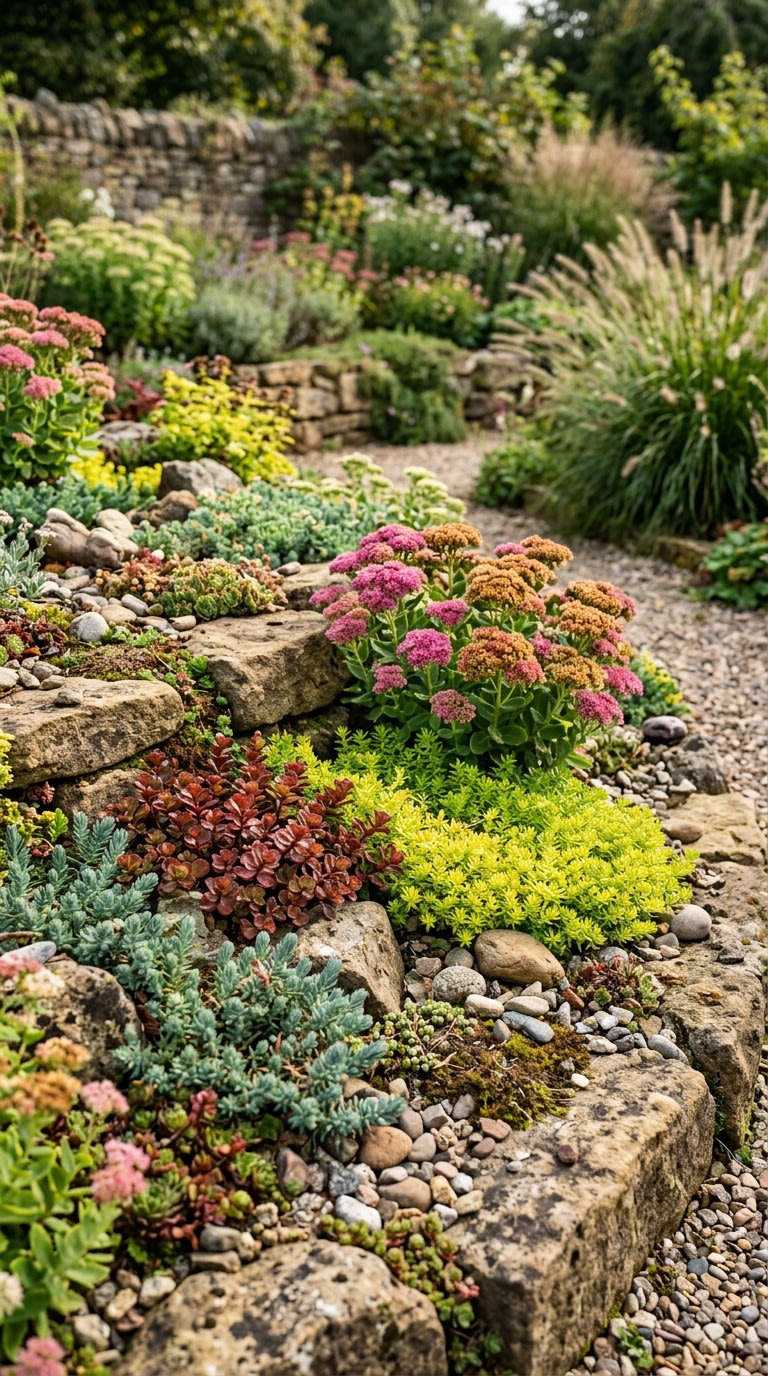
Succulents are a diverse group of plants that store water in their leaves, making them perfect for drought-prone areas. These hardy plants come in various shapes, sizes, and colors, allowing for endless creative possibilities in your garden design. Whether used in containers, rock gardens, or as ground cover, succulents add unique textures and vibrant hues to your outdoor space.
When planting succulents, choose well-draining soil and avoid overwatering, as they thrive in dry conditions. Grouping different succulent varieties can create interesting contrasts and a beautiful tapestry of colors. Consider combining low-growing types with taller varieties to add dimension to your garden.
Succulents also make excellent indoor plants, allowing you to bring a touch of the outdoors inside. With minimal care and maintenance, these resilient plants can flourish in various settings, making them a popular choice for both novice and experienced gardeners.
4. Ornamental Grasses: Motion and Texture
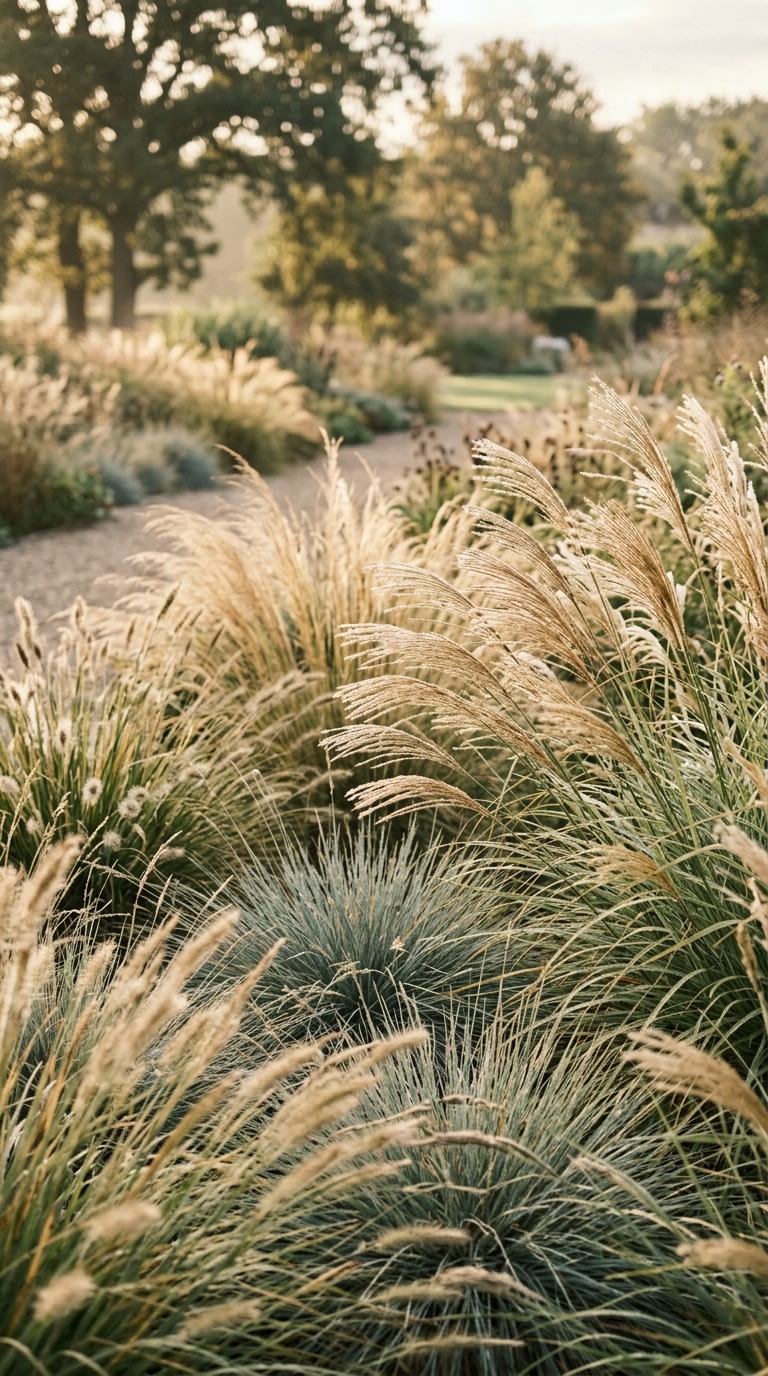
Ornamental grasses are an excellent choice for adding movement and texture to drought-tolerant landscapes. These grasses come in a variety of species, each offering different heights, colors, and plumes that sway gracefully in the wind. From the striking blue fescue to the tall and majestic miscanthus, ornamental grasses can enhance visual interest in your garden.
Planting ornamental grasses requires well-drained soil and a sunny location to thrive. They are incredibly low-maintenance, requiring minimal watering once established. Their ability to tolerate drought makes them perfect for creating naturalistic, sustainable gardens.
Incorporating ornamental grasses into your landscape design can also provide year-round beauty. Many species maintain their shape and color through the winter months, offering texture and interest even in the off-season. Pair them with perennials and flowering plants for a dynamic garden that changes with the seasons.
5. Sedum: Low Maintenance Marvels

Sedum, also known as stonecrop, is a group of succulents that thrive in dry conditions and poor soils. With their fleshy leaves and vibrant flowers, sedums are perfect for ground cover or container gardens. They are incredibly versatile and can be used in various designs, from rock gardens to green roofs, making them a favorite among sustainable gardeners.
Plant sedum in well-drained soil and provide them with full sun for the best results. These hardy plants require minimal watering and are resistant to pests and diseases, making them ideal for busy gardeners. Their ability to spread quickly can fill empty spaces in your garden while providing a lush, green appearance.
Several varieties of sedum offer unique colors and textures, allowing you to mix and match for a stunning visual display. Consider using them in combination with other drought-tolerant plants for a cohesive and beautiful landscape that thrives in dry conditions.
6. Echinacea: Beauty and Resilience

Echinacea, commonly known as coneflower, is a stunning perennial that not only thrives in drought conditions but also attracts pollinators. With its vibrant daisy-like flowers, echinacea adds a burst of color to any garden while being low-maintenance and hardy. This plant is perfect for creating beautiful borders or wildflower gardens that require minimal care.
Plant echinacea in well-drained soil and full sun for the best results. Once established, they are drought-resistant and can handle a variety of soil types. Regular deadheading will encourage more blooms and prolong the flowering season, ensuring your garden remains colorful through late summer.
Echinacea is also known for its medicinal properties, making it not only an attractive addition to your garden but a beneficial one as well. Use these beautiful flowers to create a natural, wildlife-friendly habitat that supports bees and butterflies while enhancing your outdoor living space.
7. Thyme: Culinary and Aesthetic Charm

Thyme is a versatile herb that not only serves culinary purposes but also thrives in drought-prone gardens. This low-growing plant can be used as ground cover or in pots, providing both beauty and functionality. With its aromatic foliage and delicate flowers, thyme adds a charming touch to any garden design.
When planting thyme, choose a sunny location with well-drained soil. This herb is resistant to drought, requiring minimal watering once established. Thyme can also attract beneficial insects, making it a valuable addition to any garden ecosystem.
Consider mixing different varieties of thyme for a diverse garden display. Its low growth habit makes it perfect for edging pathways or filling in gaps between stones in a rock garden. With its culinary uses and attractive appearance, thyme is a must-have for any gardener looking to create a sustainable outdoor space.
8. Salvia: Vibrant Blooms and Drought Tolerance

Salvia is a stunning and versatile plant that thrives in dry conditions while offering beautiful blooms throughout the growing season. With its wide range of colors and varieties, salvia can fit into any landscape design, from formal gardens to wildflower meadows. This hardy plant not only attracts pollinators but also provides a splash of color in the driest of gardens.
To successfully grow salvia, plant it in a sunny location with well-drained soil. Once established, it requires minimal watering, making it a low-maintenance option for busy gardeners. Salvia also benefits from occasional deadheading to encourage continuous blooming throughout the summer.
Incorporate salvia into your garden for a vibrant display that lasts all season long. Pair it with other drought-tolerant plants for a colorful and resilient landscape that supports local wildlife while enhancing your outdoor living space.
Frequently Asked Questions
What are drought-tolerant plants?
Drought-tolerant plants are species that have adapted to survive with minimal water. These plants typically have deep root systems, waxy leaves, or other mechanisms that allow them to store moisture and thrive in dry conditions. Drought-tolerant plants can significantly reduce water usage in gardens and landscapes, making them an eco-friendly choice.
By incorporating drought-tolerant plants into your garden, you can create a vibrant outdoor space that requires less maintenance and resources. These plants are perfect for areas with limited rainfall or for homeowners looking to conserve water in their landscaping efforts.
How do I choose the right drought-tolerant plants for my garden?
When selecting drought-tolerant plants, consider your local climate, soil type, and the amount of sunlight your garden receives. Research native plants in your area, as they are often the best choices for drought resistance and are well adapted to local conditions.
Additionally, think about the overall design of your garden. Mixing different heights, colors, and textures can create visual interest while still promoting water conservation. Aim for a combination of perennials, shrubs, and ground covers to achieve a balanced landscape.
How often should I water drought-tolerant plants?
Once established, most drought-tolerant plants require very little watering. Initially, you should water them regularly until their root systems are well established, which can take a few weeks to a few months.
After establishment, you can typically water them once every two to three weeks during dry spells, depending on the weather and the specific plant’s needs. It’s essential to monitor the soil moisture; if it’s dry several inches down, it’s time to water.
Can I combine drought-tolerant plants with traditional plants?
Yes, you can mix drought-tolerant plants with traditional plants, but it’s crucial to consider their water requirements. Grouping plants with similar water needs will help create a harmonious garden that thrives together. For instance, using drought-tolerant plants in less irrigated areas of your garden can reduce water waste.
Be mindful of the sunlight and soil conditions required for both types of plants to ensure that all your garden inhabitants can flourish.
What are the benefits of planting drought-tolerant plants?
Planting drought-tolerant plants offers numerous benefits, including reduced water usage and lower maintenance requirements. These plants are often more resilient to harsh conditions, which can lead to fewer pest and disease problems.
Additionally, creating a drought-tolerant garden can contribute positively to the environment by conserving water and supporting local wildlife, such as bees and butterflies. This approach to gardening not only beautifies your landscape but also promotes sustainability.
Incorporating drought-tolerant plants into your backyard can transform your outdoor space into a beautiful, low-maintenance haven. With the right selection, you can create a vibrant and sustainable landscape that thrives even in challenging conditions. From succulents to ornamental grasses, the possibilities are endless.
As we look toward 2026 and beyond, prioritizing water conservation in our gardening practices is essential. Don’t hesitate to explore these drought-tolerant options and design a garden that is not only visually stunning but also environmentally friendly.