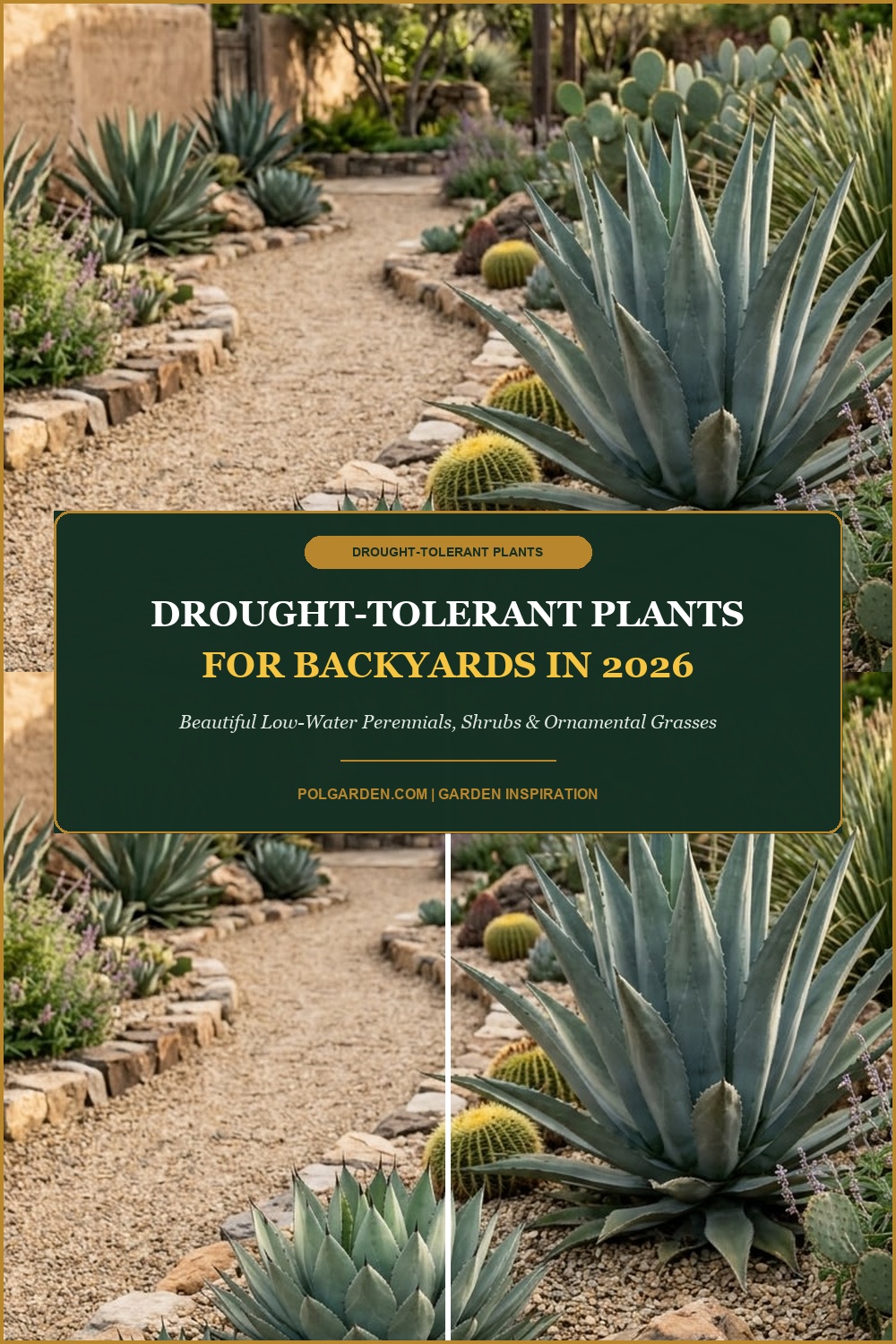
In an era where sustainable gardening practices are becoming increasingly important, selecting drought-tolerant plants for your backyard in 2026 is a smart choice. These plants not only conserve water but also thrive in challenging conditions, offering beauty and resilience. With the right selection, you can create an outdoor oasis that demands minimal maintenance while providing a vibrant habitat for local wildlife.
Drought-tolerant plants come in a variety of shapes, colors, and textures, allowing for endless creative possibilities in your garden design. From aromatic herbs to vibrant succulents, these plants can transform even the driest landscapes into lush retreats. As climate change continues to impact our weather patterns, embracing drought-resistant varieties is not just a trend but a necessity for gardeners everywhere, ensuring your garden remains beautiful and sustainable for years to come.
1. Lavender: The Aromatic Wonder

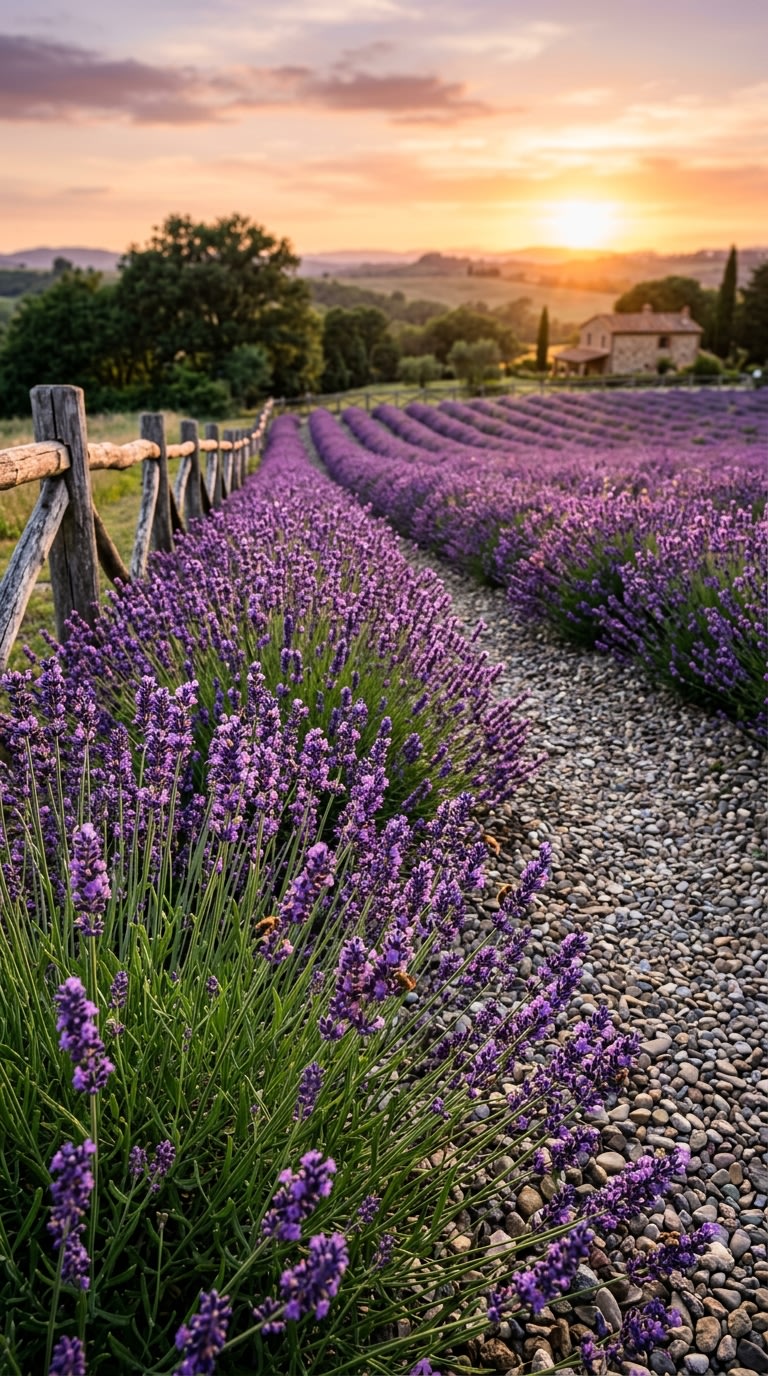
Lavender is a beloved drought-tolerant plant that not only brings a burst of color to your garden but also fills the air with its soothing fragrance. This hardy perennial thrives in well-drained soil and full sun, making it ideal for hot, dry climates. To cultivate a healthy lavender plant, ensure it receives at least six hours of sunlight daily and avoid overwatering, as this can lead to root rot.
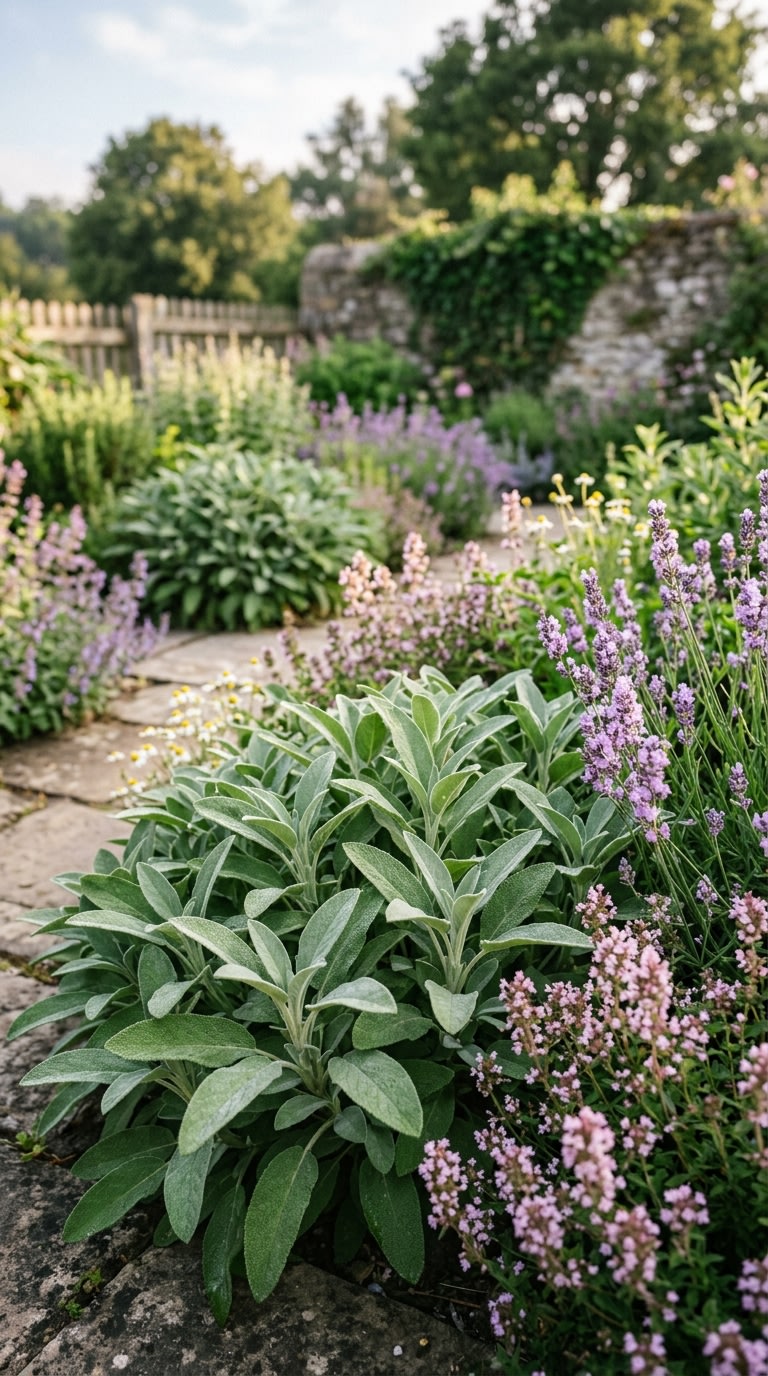
In addition to its aesthetic value, lavender is also a magnet for pollinators, attracting bees and butterflies to your garden. The blooms can be harvested for aromatic sachets or culinary uses, adding another layer of functionality to this beautiful plant. For a stunning display, consider planting lavender in rows or clusters for a dramatic visual impact, and pair it with other drought-tolerant companions like rosemary or sage.
When planting lavender, remember to space them adequately to allow for air circulation and growth. Regular pruning will encourage bushier development and prolong blooming. With its striking purple hues and delightful scent, lavender is a must-have for any drought-tolerant garden.
2. Agave: Sculptural Beauty
Agave plants are a striking addition to any drought-tolerant garden, appreciated for their architectural forms and stunning blue-green foliage. These succulent plants are incredibly resilient, thriving in poor soils and requiring minimal water once established. Agave is perfect for xeriscaping, as it can survive long periods of drought, making it an ideal choice for water-conscious gardeners.
To grow agave successfully, select a well-draining location and allow for plenty of sunlight, preferably full sun exposure. They can be used as focal points in garden beds or placed in pots for a modern touch on patios and balconies. Their unique, spiky leaves create a dramatic visual contrast when paired with softer, flowering plants or ornamental grasses.
Agaves also produce tall flower spikes that can reach impressive heights, attracting hummingbirds and other pollinators when in bloom. While they are generally low-maintenance, be cautious with their sharp edges and ensure they are planted away from high-traffic areas. With their striking appearance and minimal care requirements, agaves are a fantastic choice for any drought-tolerant landscape.
3. Sedum: Versatile Ground Cover
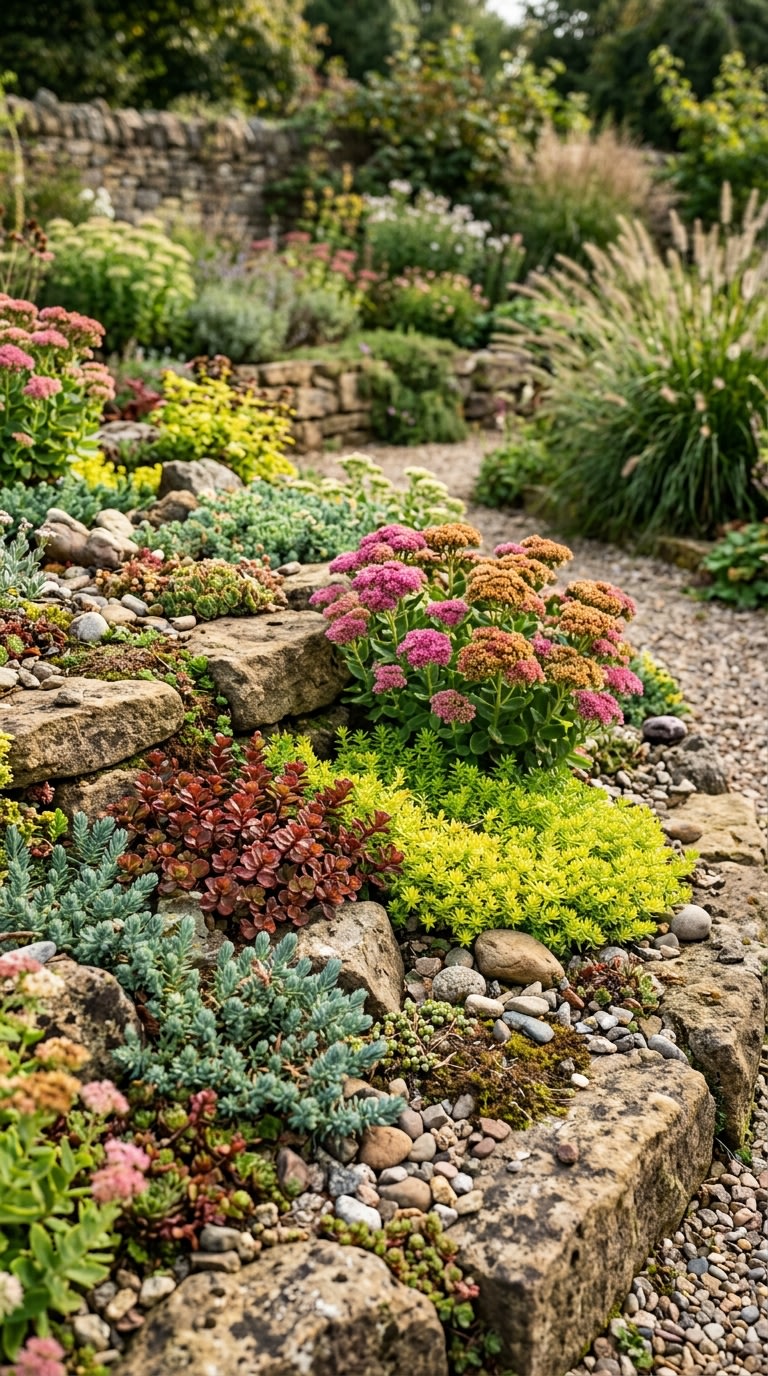
Sedum, often referred to as stonecrop, is a versatile and hardy plant that excels in drought conditions. With its thick, fleshy leaves and vibrant flowers, sedum is perfect for ground cover, rock gardens, or container planting. They thrive in full sun and require minimal watering, making them an excellent choice for low-maintenance landscapes.
Available in a variety of colors and textures, sedum can create a dynamic ground layer that attracts pollinators while suppressing weeds. When planting sedum, consider grouping different varieties together for a visually appealing display that changes throughout the seasons. These plants are also suitable for green roofs, where their resilience to harsh conditions shines.
To keep sedum healthy, ensure good drainage as they do not appreciate soggy soil. They also benefit from occasional deadheading to promote new growth and extend their flowering period. With their ability to adapt to various environments, sedum is a fantastic addition to any drought-tolerant garden, providing beauty and functionality in one.
4. Russian Sage: A Sea of Blue

Russian Sage is a stunning perennial that brings a wave of blue hues to your garden, making it an excellent choice for drought-tolerant landscapes. This hardy plant thrives in hot, sunny conditions and requires little maintenance once established. Known for its tall, airy spikes of lavender-blue flowers and silvery foliage, Russian Sage can be used as a backdrop in mixed borders or as a striking standalone feature.
To cultivate Russian Sage, plant it in well-drained soil with ample sunlight. This plant is also deer-resistant, which makes it a practical choice for gardens prone to wildlife. Regular deadheading will encourage prolonged blooming, providing a stunning display from summer into fall.
Pair Russian Sage with ornamental grasses or other drought-tolerant perennials for a beautiful layered effect. Its drought resistance and ability to attract pollinators make it not only a visually appealing choice but also an ecological one. With its soft colors and graceful presence, Russian Sage is a must-have for any drought-tolerant garden design.
5. Salvia: Color and Resilience

Salvia is a diverse genus of plants that includes many drought-tolerant varieties, making it a favorite among gardeners seeking color and resilience. Known for their striking spikes of flowers in shades of blue, purple, and red, salvias attract pollinators and add vibrancy to any garden. They thrive in full sun and well-drained soil, making them ideal for xeriscaping and low-water gardens.
When planting salvia, consider mixing different varieties to create a colorful tapestry of blooms throughout the growing season. These plants are generally low-maintenance, requiring minimal care beyond occasional watering during prolonged drought. Pruning spent flowers will encourage new growth and prolong blooming.
Salvia works beautifully in borders, as part of a cottage garden, or even in container arrangements on patios. Their drought tolerance and ability to thrive in poor soil conditions make them an excellent choice for sustainable gardening. With a variety of options available, salvia is sure to bring life and beauty to any garden design.
6. Echinacea: Nature’s Resilient Flower

Echinacea, also known as coneflower, is a stunning addition to any drought-tolerant garden, known for its eye-catching blooms and medicinal properties. These perennial plants thrive in full sun and are exceptionally drought-resistant once established. Echinacea attracts a variety of pollinators, including bees and butterflies, making it an excellent choice for wildlife-friendly gardening.
To grow Echinacea successfully, plant in well-drained soil and allow for adequate spacing to encourage airflow. This will help prevent disease and promote healthy growth. Regular deadheading will encourage further blooming and extend the flowering season, typically from summer into early fall.
Echinacea can be planted in mixed borders, cottage gardens, or even in naturalized settings where they can spread and self-seed. Their durability and low maintenance needs make them a perfect choice for sustainable landscaping, providing both beauty and functionality. With their vibrant colors and resilience, Echinacea provides a lovely focal point in any garden design.
7. Ornamental Grasses: The Wind’s Dance
Ornamental grasses are indispensable in drought-tolerant gardens, adding movement and texture to landscapes. These hardy plants are available in a variety of shapes, sizes, and colors, making them versatile for different design styles. They thrive in sunny locations and require minimal watering, making them perfect for water-wise gardening.
When selecting ornamental grasses, consider varieties such as Miscanthus, Panicum, or Festuca, each offering unique characteristics and visual appeal. These grasses can be used as borders, mass plantings, or as focal points, adding height and interest to your garden. Their feathery plumes provide striking visual elements and can be beautiful even in winter.
To care for ornamental grasses, cut them back in late winter before new growth begins. This helps maintain a tidy appearance and encourages fresh growth in the spring. Their drought tolerance and low maintenance requirements make ornamental grasses a perfect choice for sustainable and aesthetically pleasing landscapes. With their graceful presence, they can transform any garden into a serene sanctuary.
8. Yarrow: The Hardy Healer

Yarrow is a resilient perennial that thrives in dry conditions, making it an excellent choice for drought-tolerant gardens. Known for its fern-like foliage and clusters of tiny flowers, yarrow adds a rustic charm to any landscape. This hardy plant is also known for its medicinal properties, historically used for various ailments, which adds an interesting aspect to its cultivation.
To grow yarrow successfully, choose a sunny spot with well-drained soil, as it does not tolerate wet conditions. Yarrow is a self-seeding plant, meaning it can easily spread in your garden, providing natural beauty with minimal effort. Regular deadheading will encourage more blooms and maintain a tidy appearance.
Yarrow works beautifully in wildflower gardens, borders, or even in naturalized settings where it can mingle with other drought-tolerant plants. Its ability to attract beneficial insects makes it a fantastic choice for organic gardening. With its delicate blooms and hardiness, yarrow is a wonderful addition to any sustainable garden design.
9. Coreopsis: Brighten Up Your Garden

Coreopsis, or tickseed, is a cheerful perennial that adds vibrant yellow blooms to drought-tolerant gardens. These hardy flowers thrive in full sun and are known for their resilience and ability to attract butterflies. Coreopsis is perfect for adding color to borders, meadows, or mixed beds, creating a lively visual impact throughout the summer.
To cultivate coreopsis, plant in well-drained soil and ensure it receives plenty of sunlight. These plants require minimal water once established, making them a low-maintenance option for busy gardeners. Regular deadheading will encourage continuous blooming and keep the plants looking tidy.
Coreopsis pairs beautifully with other perennials, such as coneflowers and salvias, creating a stunning display of color and texture. Their long-lasting blooms and drought tolerance make them an ideal choice for sustainable gardening. With their sunny disposition and ability to thrive in tough conditions, coreopsis deserves a spot in every drought-tolerant garden.
Frequently Asked Questions
What are drought-tolerant plants?
Drought-tolerant plants are species that have adapted to survive in environments with limited water availability. These plants typically have deep root systems, thick leaves, or other adaptations that allow them to conserve moisture. By selecting drought-tolerant species, gardeners can create sustainable landscapes that require less water and maintenance.
Many drought-tolerant plants are native to arid regions, making them well-suited for dry climates. They often thrive in poor soils and can withstand periods of drought without significant stress. Incorporating these plants into your garden not only conserves water but also supports local biodiversity by providing a habitat for native wildlife.
How do I choose the right drought-tolerant plants for my garden?
Choosing the right drought-tolerant plants for your garden involves considering your local climate, soil type, and the amount of sunlight your garden receives. Research native plants in your area, as they are typically better adapted to local conditions and will thrive with minimal care.
Additionally, consider the design and aesthetic you want to achieve. Mix various plant heights, colors, and textures to create visual interest. Group plants with similar water and sunlight needs together to ensure they thrive in their environment. Consulting with local nurseries or gardening experts can also provide valuable guidance.
How often should I water drought-tolerant plants?
Drought-tolerant plants require less frequent watering than traditional plants, but they still need some moisture, especially during their establishment phase. Initially, provide regular watering until they are well-established, which can take a few weeks to a couple of months, depending on the species.
Once established, most drought-tolerant plants can thrive on minimal water, often requiring only occasional deep watering during prolonged dry spells. It’s essential to monitor the soil moisture and adjust your watering schedule based on the weather and specific plant needs to promote healthy growth.
Can I grow drought-tolerant plants in containers?
Yes, many drought-tolerant plants thrive in containers, making them perfect for patios, balconies, and small spaces. Choose appropriate-sized pots with good drainage to avoid waterlogging, which can harm the plants. Select plants that have similar water and sunlight requirements to ensure they thrive together in their container.
Regularly monitor the soil moisture and adjust your watering schedule accordingly. Container plants may require slightly more frequent watering than those in the ground, as pots can dry out faster. With careful selection and care, container gardens can be both beautiful and water-efficient.
What are the benefits of using drought-tolerant plants in landscaping?
Using drought-tolerant plants in landscaping offers numerous benefits, including reduced water usage, lower maintenance requirements, and enhanced biodiversity. These plants are typically well-suited for local climates, which means they require less care and can thrive in challenging conditions.
Additionally, drought-tolerant gardens can be more resilient to climate change and fluctuating weather patterns. By incorporating native species and other drought-resistant varieties, you can create a sustainable landscape that supports local wildlife and ecosystems while conserving precious water resources.
Incorporating drought-tolerant plants into your backyard can significantly enhance both its beauty and sustainability. By selecting plants that thrive in arid conditions, you can create a vibrant landscape that requires minimal maintenance and conserves water. The plants highlighted in this article offer a variety of colors, textures, and forms, ensuring that your garden will be as visually stunning as it is eco-friendly.
As we move into 2026, it’s essential to embrace gardening practices that reflect our commitment to sustainability and environmental stewardship. Whether you’re redesigning an existing landscape or starting from scratch, consider these drought-tolerant options to create a thriving outdoor space that contributes positively to the environment. Start planning your garden today and enjoy the beauty of a drought-tolerant landscape for years to come.