Creating a cottage garden is like stepping into a storybook, where each flower and plant tells its own tale. If you’ve ever wandered through a whimsical garden, you know that lush greenery and vibrant blooms can evoke a sense of peace and joy. The beautiful chaos of a cottage garden invites you to slow down and appreciate the little things in life.
You might be wondering how to replicate this romantic style in your own space. Don’t worry, transforming your garden into a lush, inviting haven is easier than you think. With a little guidance and creativity, you can cultivate a garden that’s not just beautiful but also brimming with charm and character, making it the perfect retreat for you and your loved ones.
Table of Contents
- What is Cottage Garden Style?
- How Cottage Gardens Work
- Benefits of a Cottage Garden
- Choose Your Plants
- Design Your Layout
- Prepare Your Soil
- Plant with Care
- Create Pathways
- Add Garden Structures
- Maintain Your Cottage Garden
What Is It?
Cottage garden style is a charming approach to gardening that embraces a lush, informal aesthetic filled with an abundance of flowers, herbs, and vegetables. Originating in the 19th century, these gardens were designed to be both functional and beautiful, often reflecting the personal tastes of the gardener. The goal is to create a vibrant tapestry of colors, shapes, and textures that feel inviting and full of life.
You can identify a cottage garden by its mix of perennials, annuals, and self-seeding plants, creating a relaxed atmosphere that seems to have grown naturally. This style encourages biodiversity and often includes cozy elements like pathways, rustic fences, and garden furniture, making it a perfect spot for relaxation and enjoyment.
- Cottage gardens are characterized by a diverse mix of plants.
- They create a lush, inviting atmosphere that feels natural.
- This style emphasizes personal expression and creativity.
- Cottage gardens can include both ornamental and edible plants.
How It Works
The beauty of a cottage garden lies in its organic and eclectic design, which allows for a natural interplay between plants. The layering of various plant heights, colors, and textures creates visual interest and encourages wildlife, such as butterflies and bees, to visit your garden. This diversity not only enhances the aesthetic appeal but also promotes a healthy ecosystem.
Soil preparation and planting are crucial for achieving the desired lushness. Incorporating compost and organic fertilizers enriches the soil, providing the necessary nutrients for your plants to thrive. Additionally, implementing companion planting can help certain plants flourish while naturally deterring pests, leading to a more vibrant and resilient garden overall.
- Diverse plantings promote ecosystem health.
- Layering plants creates visual interest.
- Soil health is essential for plant growth.
- Companion planting can enhance productivity.
Key Benefits
- Aesthetic Appeal — Cottage gardens are visually stunning, with a mix of colors, textures, and forms that create a picturesque landscape. This aesthetic can enhance the beauty of your property and provide a peaceful retreat for you and your guests.
- Biodiversity — By planting a variety of flowers, herbs, and vegetables, you encourage a diverse range of wildlife. This not only promotes a healthy ecosystem but also helps with natural pest control, reducing the need for chemical treatments.
- Personal Expression — Cottage gardens allow you to express your creativity and personal style. You can choose plants that resonate with you and design the layout in a way that reflects your personality, making your garden truly unique.
- Edible Beauty — Incorporating edible plants into your cottage garden means you can enjoy fresh produce right from your backyard. Herbs, vegetables, and fruits can be beautifully integrated with ornamental plants, offering both beauty and utility.
- Stress Relief — Gardening has been shown to reduce stress and improve mental well-being. A cottage garden provides a tranquil space for you to unwind, connect with nature, and escape the hustle and bustle of daily life.
Step-by-Step Guide
Step 1: Choose Your Plants
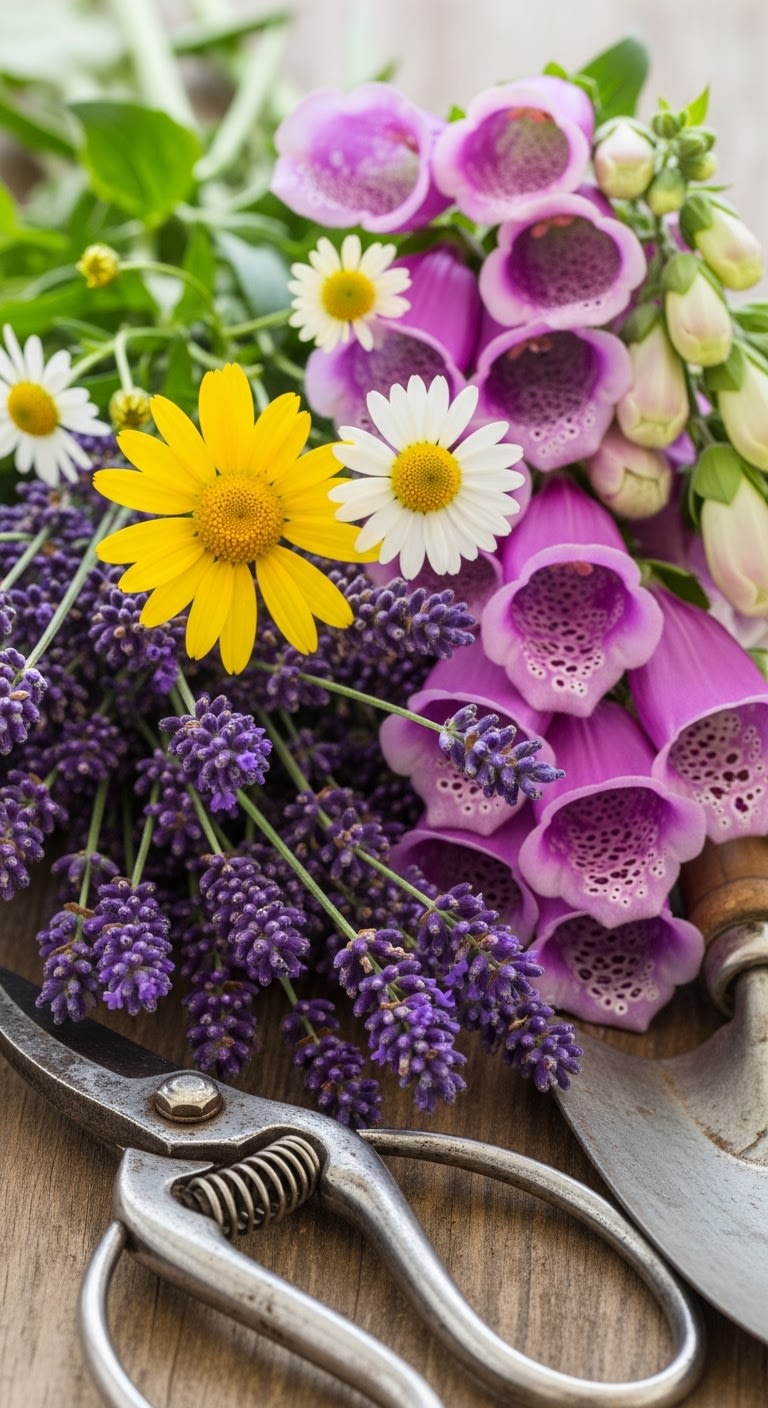
Selecting the right plants is the first step in creating your cottage garden. Aim for a mix of perennials and annuals that bloom at different times of the year to ensure continuous color and interest. Consider including traditional cottage garden favorites like daisies, foxgloves, and lavender, as well as herbs such as rosemary and thyme to add fragrance and functionality.
To create a cohesive look, choose plants with complementary colors and textures. You might want to group plants with similar growth habits together to create a sense of harmony. Pay attention to the height of the plants so that taller varieties don’t overshadow shorter ones, allowing each plant to shine in its own way.
Example: For a classic cottage garden look, consider planting a mix of lavender, echinacea, and climbing roses.
Pro Tips:
- Choose native plants for easier maintenance and better adaptability.
- Incorporate some self-seeding plants for natural growth.
- Use a color palette that reflects your personal style.
Step 2: Design Your Layout

Once you have selected your plants, it’s time to design your garden layout. Think about how you want to flow through the space and visualize where each plant will thrive best. You might want to create defined sections for different plant types or mix them together for a more informal look.
Consider incorporating layers by placing taller plants at the back or center of beds, with medium-height plants in the middle and shorter ones at the front. This not only creates visual depth but also ensures that sunlight reaches all your plants. Sketching out a rough design can help you visualize the overall layout and make adjustments before planting.
Example: A circular layout with a central birdbath can create a focal point while allowing flowers to radiate outward.
Pro Tips:
- Use garden stakes or string to outline your layout before planting.
- Include pathways or stepping stones to enhance accessibility.
- Leave space for seasonal changes and growth.
Step 3: Prepare Your Soil
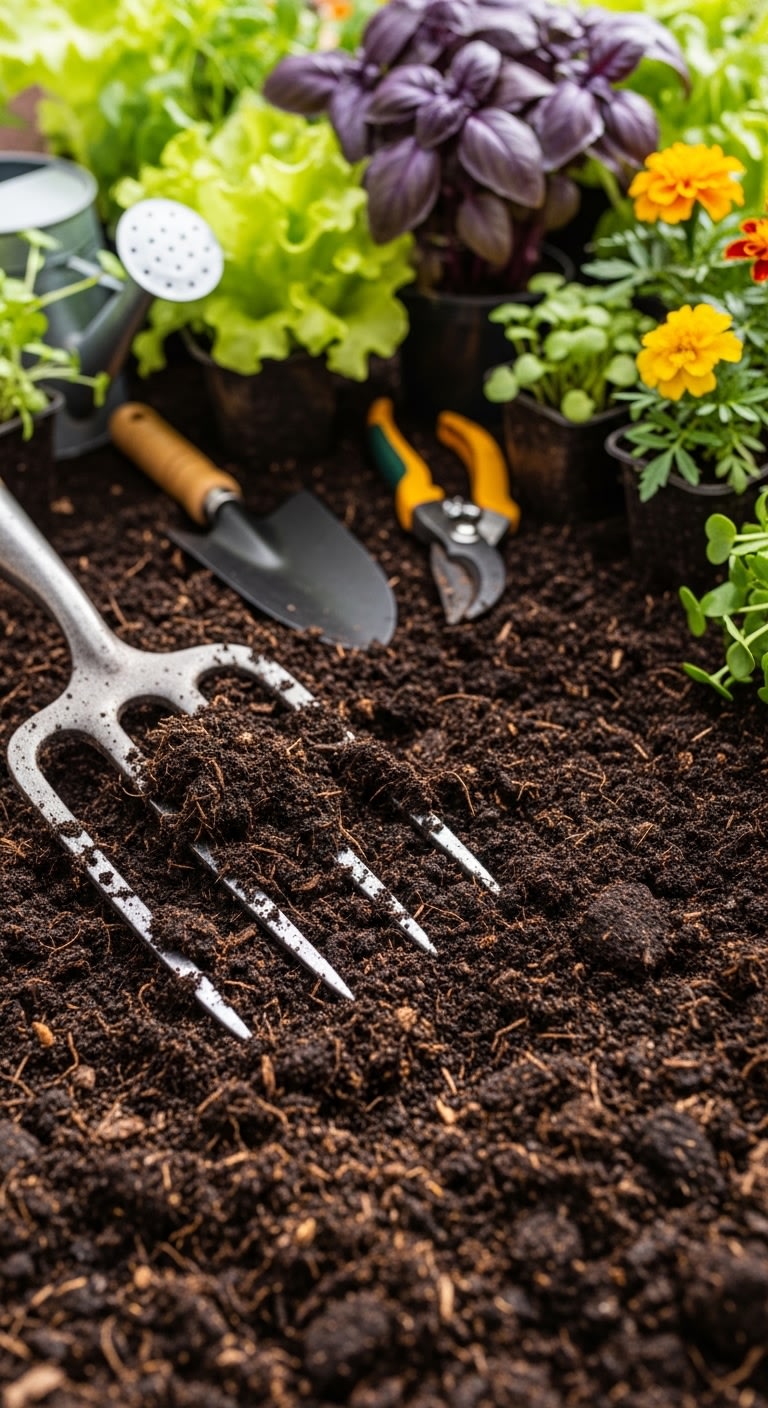
Healthy soil is the foundation of a thriving cottage garden. Start by testing your soil to understand its pH and nutrient levels; this will help you determine what amendments are necessary. Once you know your soil’s needs, enrich it with organic matter like compost or well-rotted manure.
Clear the area of weeds and debris, then loosen the soil to improve drainage and aeration. You can use a garden fork or tiller for this task. If you’re working with heavy clay soil, consider adding sand or peat moss to improve its texture and fertility. Taking these steps ensures that your plants have the best possible start.
Example: Adding a layer of compost before planting can significantly boost soil fertility.
Pro Tips:
- Mix in organic fertilizers tailored to your plants’ needs.
- Consider building raised beds if you have poor soil conditions.
- Regularly test your soil to monitor its health.
Step 4: Plant with Care
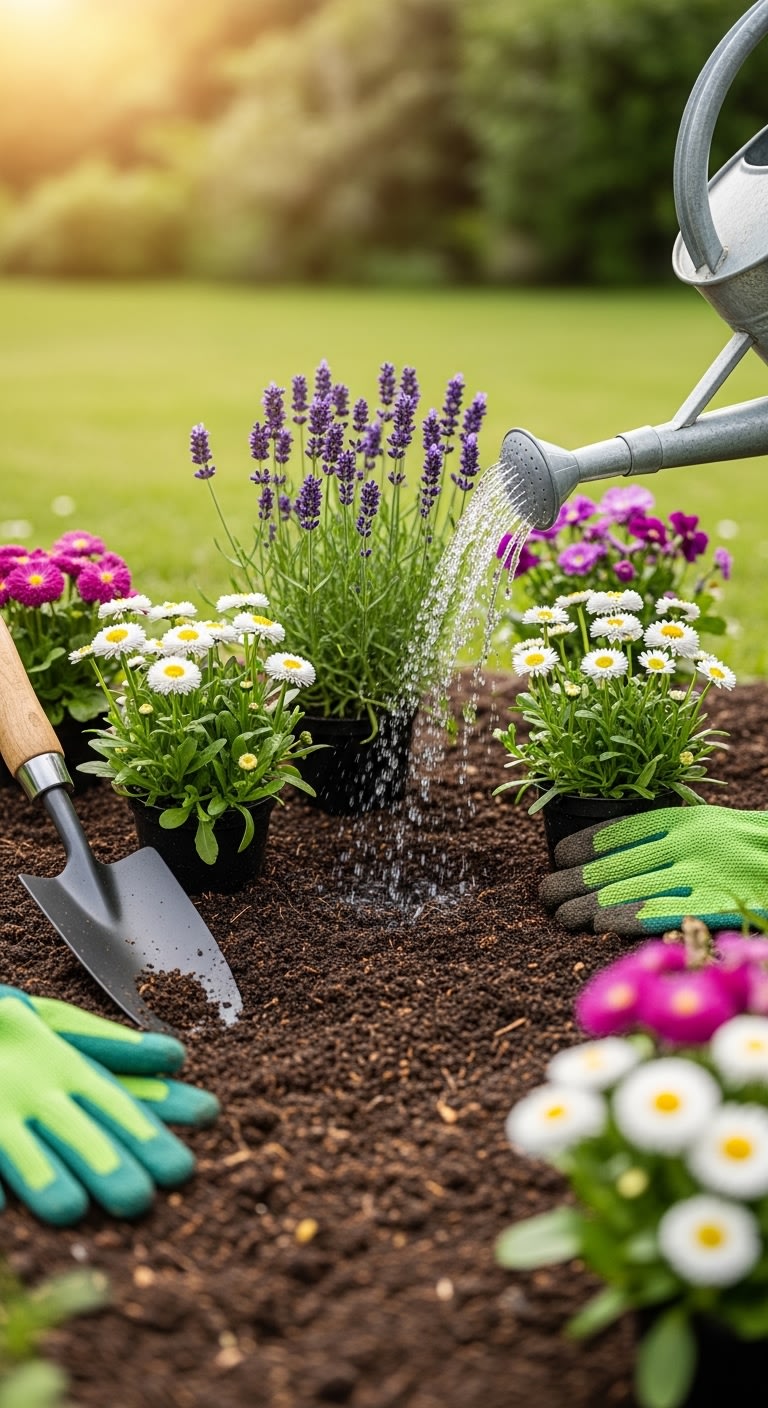
Planting is where your cottage garden truly begins to take shape. Follow the planting guidelines for each plant regarding spacing and depth to ensure they have room to grow. Dig holes that are slightly larger than the root ball and mix some of the native soil with compost to promote better root establishment.
When planting, take care to place the root ball at the same depth it was in its pot. After placing each plant, gently backfill with soil and water thoroughly to help settle the soil around the roots. Be mindful of the sun and shade requirements for each plant to ensure they thrive in their new home.
Example: When planting lavender, ensure it has well-draining soil and plenty of sunlight.
Pro Tips:
- Water plants before planting to reduce transplant shock.
- Mulch around newly planted areas to retain moisture.
- Group plants with similar water and sunlight needs together.
Step 5: Create Pathways
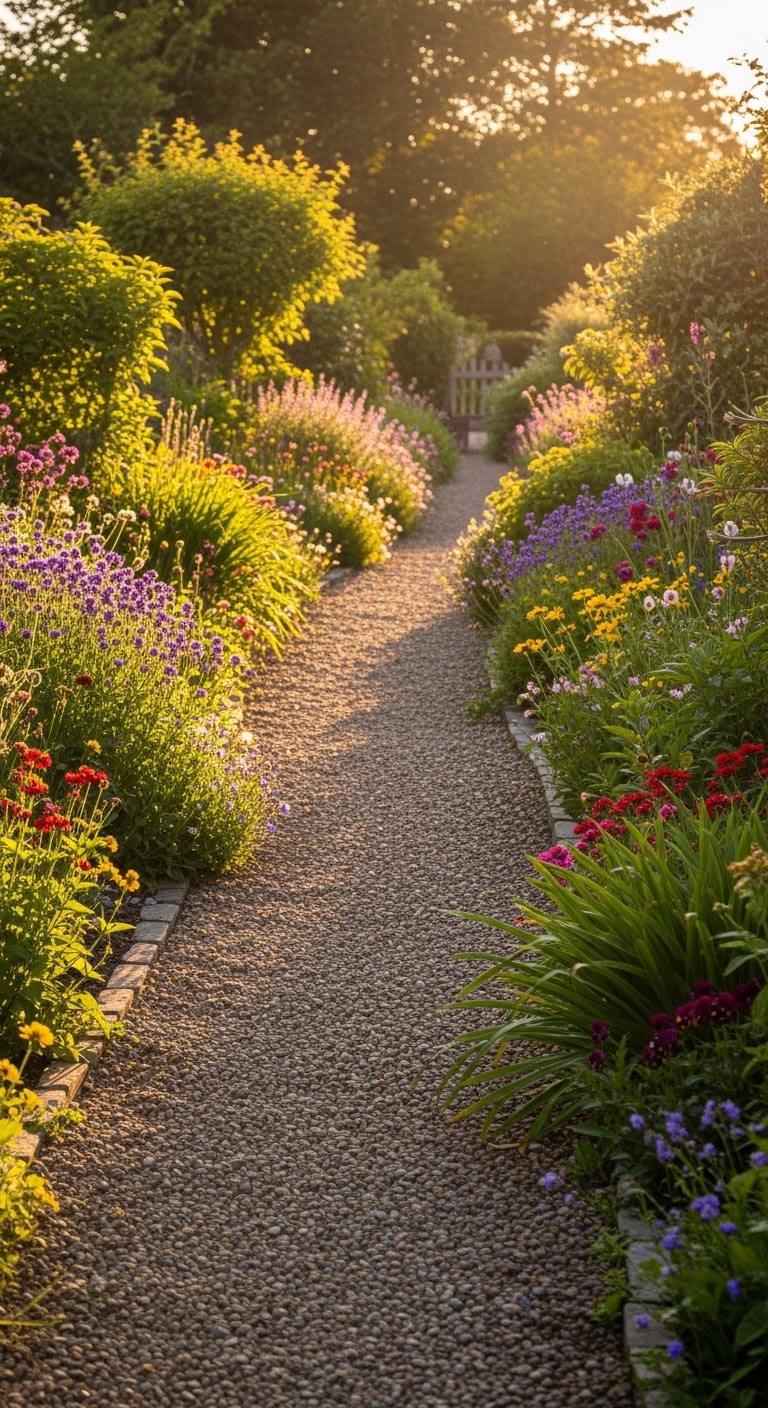
Pathways are essential in a cottage garden, providing not just access but also a charming visual element. You can use materials like gravel, stepping stones, or even wood chips to create inviting paths that meander through your garden. Consider the width of the paths; they should be wide enough for you to walk comfortably.
When designing your pathways, think about how they connect different areas of your garden. Curved paths often feel more natural and inviting than straight lines. Additionally, you can line pathways with low-growing plants or edging stones to enhance the overall look and feel.
Example: A gravel pathway winding through a flower border creates a picturesque element.
Pro Tips:
- Use larger stones for durability and smaller stones for a softer look.
- Incorporate plants along the edges for a cohesive appearance.
- Keep paths clear of debris to maintain accessibility.
Step 6: Add Garden Structures
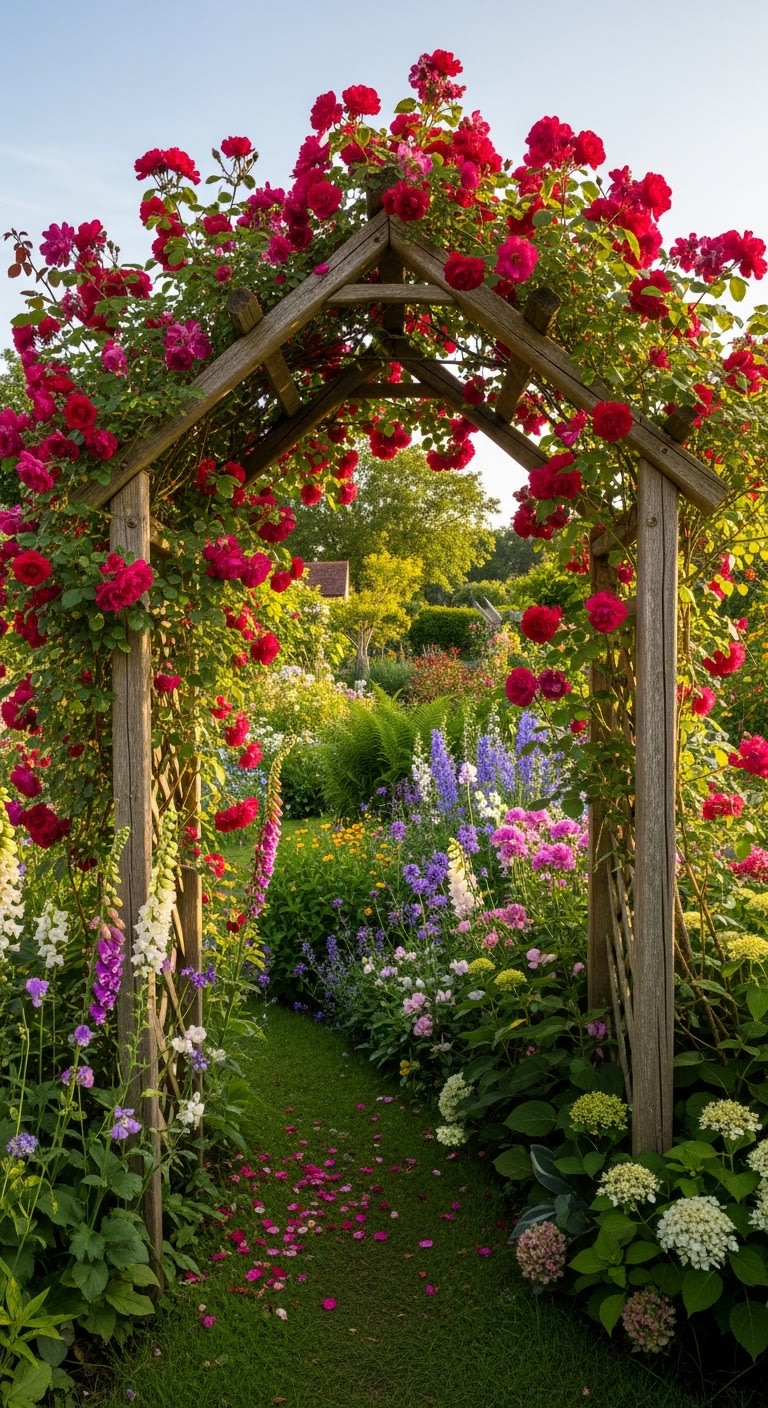
Incorporating garden structures can enhance the charm and functionality of your cottage garden. Arbors, trellises, and pergolas not only provide vertical interest but also support climbing plants like roses and sweet peas. These structures create cozy nooks and can also offer some shade.
When choosing structures, consider the materials and style that will complement your garden. Wooden structures often blend beautifully with the natural environment, while metal can add a modern twist. Position these elements thoughtfully to draw the eye and create focal points throughout your garden.
Example: A rustic wooden trellis adorned with climbing roses can serve as a stunning backdrop.
Pro Tips:
- Ensure structures are sturdy enough to support the plants.
- Position structures to take advantage of sunlight exposure.
- Use twine or wire to guide climbing plants as they grow.
Step 7: Maintain Your Cottage Garden

Maintaining your cottage garden is essential for ensuring its ongoing beauty and health. Regular tasks include watering, weeding, and deadheading spent flowers to encourage new blooms. Make sure to monitor your garden for pests and diseases, addressing issues promptly to keep your plants thriving.
Mulching is another important maintenance task; it helps retain soil moisture and suppresses weeds. Additionally, consider seasonal pruning for certain plants to promote better growth and flowering. By staying on top of these tasks, you can enjoy your garden’s beauty season after season.
Example: Deadheading roses encourages more blooms throughout the summer.
Pro Tips:
- Set a regular schedule for watering and maintenance tasks.
- Use organic pest control methods to protect your plants.
- Rotate crops in edible sections for better soil health.
Advanced Tips
Incorporate Companion Planting
Companion planting can help your cottage garden flourish by pairing plants that benefit each other. For example, planting marigolds near vegetables can deter pests, while herbs like basil can enhance the flavor of nearby tomatoes. Research combinations that work well together to create a symbiotic environment in your garden.
Consider Seasonal Interest
To ensure your cottage garden looks beautiful year-round, plan for seasonal interest. Choose a mix of early bloomers, mid-season stars, and late bloomers to extend the flowering period. Incorporate evergreen plants for winter structure and color, ensuring your garden is captivating in every season.
Use Native Plants
Native plants are well-adapted to your local climate and soil conditions, making them easier to care for and often more resilient. By using native species, you can support local wildlife and reduce the need for water and fertilizers, creating a sustainable cottage garden that thrives with less effort.
Create Wildlife Habitats
Enhance your cottage garden’s charm by creating habitats for local wildlife. Install birdhouses, bee hotels, or small ponds to attract birds, bees, and other beneficial creatures. This not only supports biodiversity but also adds life and movement to your garden, making it even more enchanting.
Tools & Resources
- Garden Trowel — A garden trowel is essential for planting and transplanting. Its pointed blade makes it easier to dig holes and mix soil amendments, ensuring your plants get off to a good start. — Available at: Home Depot, Amazon
- Soil Test Kit — A soil test kit helps you understand the nutrient levels and pH of your soil, allowing you to amend it appropriately for the best plant growth. — Available at: Garden centers, Amazon
- Compost Bin — A compost bin allows you to recycle kitchen scraps and yard waste into nutrient-rich compost, which can greatly improve soil quality in your garden. — Available at: Home Depot, Walmart
- Mulch — Using mulch helps retain soil moisture, suppress weeds, and regulate soil temperature, contributing to a healthier garden environment. — Available at: Garden centers, Home Depot
- Pruning Shears — Pruning shears are necessary for maintaining your plants by trimming dead or overgrown branches, which encourages healthy growth and blooming. — Available at: Amazon, Lowe’s
Frequently Asked Questions
What plants are best for a cottage garden?
A cottage garden thrives on a diverse range of plants. Some of the best choices include classic flowers like roses, daisies, and foxgloves, as well as fragrant herbs like lavender and thyme. Additionally, incorporating self-seeding annuals like cosmos can add spontaneous beauty. Mixing perennials with annuals ensures that your garden has continuous blooms throughout the seasons.
How do I maintain a cottage garden?
Maintaining a cottage garden involves regular tasks such as weeding, watering, and deadheading spent flowers. It’s important to monitor for pests and diseases and address any issues promptly. Mulching around plants helps retain moisture and suppress weeds, while seasonal pruning can encourage better growth and flowering. Keeping a consistent maintenance schedule can help your garden thrive.
Can I incorporate vegetables into my cottage garden?
Absolutely! A cottage garden can beautifully blend ornamental and edible plants. Including vegetables and herbs not only enhances the garden’s functionality but also adds to its visual appeal. Consider growing compact varieties of vegetables that can fit well among flowers, such as cherry tomatoes or salad greens, to maintain the lush look.
How can I attract wildlife to my cottage garden?
Attracting wildlife can add life to your cottage garden. You can create inviting habitats by installing birdhouses, bee hotels, or small ponds. Planting a variety of flowers that bloom at different times will also attract pollinators. Avoiding chemical pesticides will keep your garden safe for beneficial insects, fostering a thriving ecosystem.
What is the best time to plant a cottage garden?
The best time to plant a cottage garden typically depends on your local climate. In most regions, spring is ideal for planting perennials and annuals, while fall can be a great time to plant bulbs and some hardy perennials. Always check your local frost dates and adjust your planting schedule accordingly to ensure your plants have the best start.
Congratulations on taking the first steps toward creating your own enchanting cottage garden! By following these guidelines, you’re on your way to cultivating a lush, romantic retreat that reflects your personal style. Remember, gardening is a journey, and each season will bring new joys and challenges.
Don’t hesitate to experiment and let your creativity shine. Your cottage garden will not only enhance your outdoor space but also provide a sanctuary for you and the wildlife around you. So grab your gardening tools, and let’s get started on this beautiful adventure together!