Are you feeling like your garden is in a bit of a rut? With the 2026 Color of the Year, Faded Petal, you have the perfect opportunity to breathe new life into your outdoor sanctuary. This soft, muted hue embodies tranquility and nature, making it an ideal choice for creating a stunning garden that reflects your personality and style.
Imagine strolling through a space that feels both calming and inspiring, where the beauty of your plants harmonizes with the gentle tones of Faded Petal. In this guide, we’ll explore how you can incorporate this enchanting color into your yard, from selecting the right plants to arranging them in a way that delights the senses. Let’s dive into the vibrant world of Faded Petal Gardens and transform your garden into a lush retreat that you’ll love to share with friends and family.
Table of Contents
- What is Faded Petal?
- How Faded Petal Works in Your Garden
- Benefits of Using Faded Petal
- Steps to Create Your Faded Petal Garden
- Advanced Tips for Experienced Gardeners
- Essential Tools and Resources
- Frequently Asked Questions
- Conclusion
What Is It?
Faded Petal is the 2026 Color of the Year, embodying a soft, soothing shade that perfectly balances warmth and calm. This color can transform your garden into a serene oasis where you can relax and unwind. It’s a versatile hue that complements a variety of plants, making it easy to incorporate into your existing landscape.
Using Faded Petal in your garden design can help create a cohesive look that enhances the beauty of your outdoor space. From delicate flowers to painted garden furniture, this color brings a sense of harmony and tranquility, making it an ideal choice for garden enthusiasts looking to elevate their outdoor experience.
- Faded Petal is a soft, muted hue that promotes calmness.
- It can harmonize with a wide range of plants and garden elements.
- The color enhances outdoor spaces, creating a cohesive look.
How It Works
Faded Petal works in your garden by creating a visual flow that leads the eye from one area to another. This shade can soften bold colors and create a tranquil backdrop, allowing your plants to shine. When paired with complementary colors, it can enhance the overall aesthetic of your garden, making it feel more inviting and serene.
The way light interacts with Faded Petal also plays a significant role. In bright sunlight, the color takes on a warmer tone, enhancing the cozy feel of your space. In the evening, it can appear more subdued, providing a soothing transition as the day winds down.
- Faded Petal creates visual flow and harmony.
- It softens bold colors and enhances tranquility.
- Lighting affects how the color is perceived.
Key Benefits
- Promotes Relaxation — Faded Petal’s soft tones are known to evoke feelings of calm and relaxation. Incorporating this color into your garden design can help create a peaceful retreat where you can unwind after a long day.
- Enhances Visual Appeal — The gentle hues of Faded Petal provide a beautiful backdrop for vibrant blooms and lush greenery, enhancing the overall visual interest of your garden. This can make your outdoor space more inviting for both you and your guests.
- Versatile Design Element — Faded Petal is a versatile color that pairs well with a variety of plant species and garden styles. Whether you prefer a modern landscape or a cottage garden, this color can seamlessly blend with your design aesthetic.
- Encourages Biodiversity — By integrating a variety of plants that complement Faded Petal, you can encourage greater biodiversity in your garden. This not only enhances the beauty of your space but also supports local wildlife.
- Easy to Implement — Faded Petal can be easily introduced into your garden through flowers, foliage, and even garden accessories. This makes it a simple yet effective choice for those looking to refresh their outdoor space.
Step-by-Step Guide
Step 1: Choose Your Plants

Start by selecting plants that feature shades of Faded Petal or complement it beautifully. Look for flowers like peonies, roses, and hydrangeas that naturally exhibit this soft hue. Additionally, consider using plants with silvery foliage, such as lamb’s ear or dusty miller, which can enhance the overall effect.
When choosing plants, it’s essential to think about their blooming seasons and how they will look together throughout the year. A well-planned combination of these plants will ensure that your garden maintains interest and beauty from spring through fall.
Example: For a stunning display, combine soft pink peonies with lavender and white daisies.
Pro Tips:
- Consider the height and spread of each plant to create layers.
- Choose a mix of perennials and annuals for continuous blooms.
- Visit a local nursery for inspiration and to see plant colors in person.
Step 2: Design Your Layout
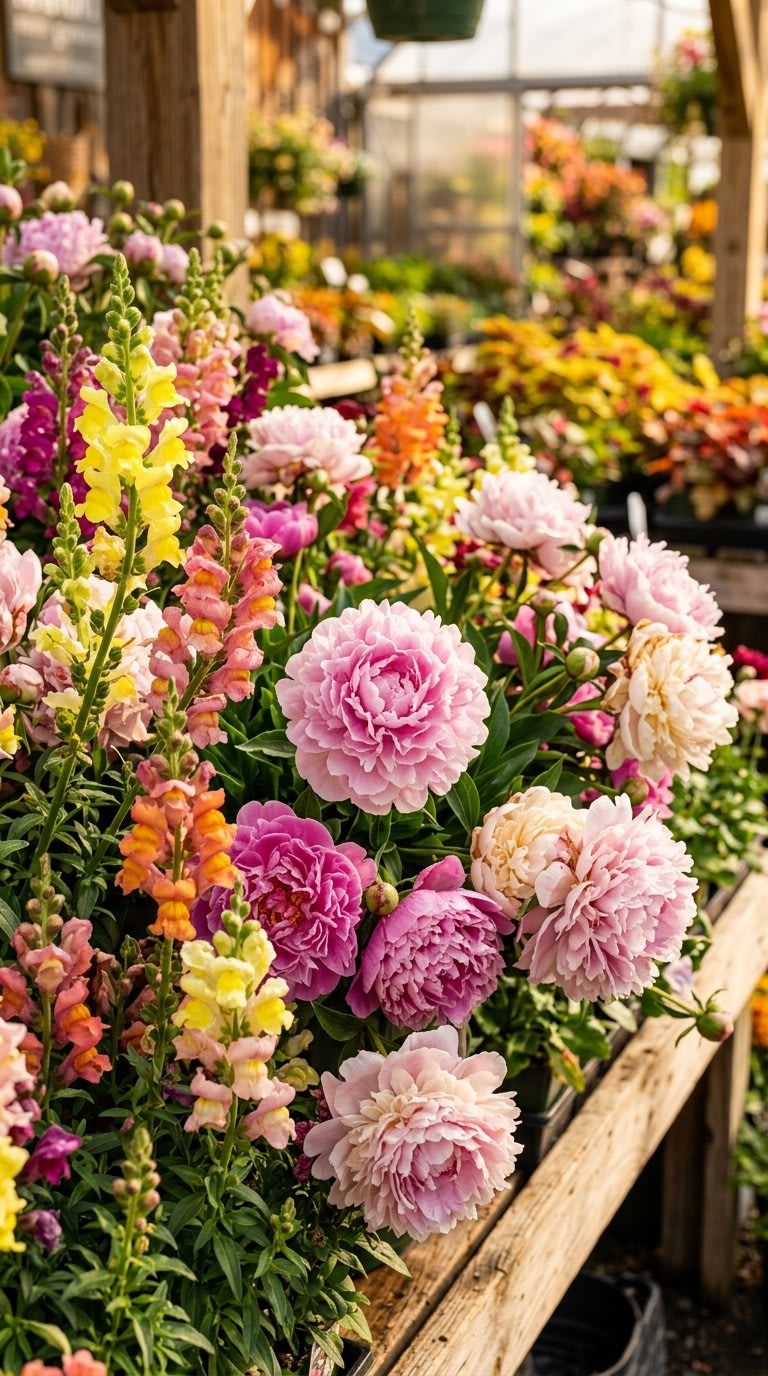
Once you’ve chosen your plants, it’s time to design your garden layout. Think about creating clusters of Faded Petal colors that draw the eye, while also allowing for pathways and spaces to move through your garden. Use garden stakes to outline where different plants will go, ensuring that taller plants are positioned at the back or center of flower beds for the best visibility.
Consider the overall shape of your garden beds as well. Curved lines often create a more natural look, while straight lines may lend a more structured feel. However, whichever design you choose, aim for balance and harmony to make the space inviting and cohesive.
Example: Design a circular flower bed with layers of peonies in the center and lavender surrounding them.
Pro Tips:
- Sketch your design on paper to visualize the layout.
- Use a garden hose to outline your bed shapes before digging.
- Leave enough space between plants for air circulation and growth.
Step 3: Prepare Your Soil

Healthy soil is the foundation of a thriving garden. Begin by testing your soil to determine its pH and nutrient levels; most plants prefer a pH between 6.0 and 7.0. Based on the results, you may need to amend your soil with organic matter, such as compost or well-rotted manure, to improve its fertility and structure.
Once your amendments are ready, till the soil to a depth of at least 12 inches, mixing in the organic matter thoroughly. This will aerate the soil, improve drainage, and provide essential nutrients for your new plants. A well-prepared soil will support strong root growth and help your plants flourish.
Example: Mix compost into the top layers of soil in your garden bed to enhance nutrient content.
Pro Tips:
- Add mulch to retain moisture and suppress weeds.
- Consider using raised beds if your native soil is poor.
- Regularly test your soil every few years for ongoing health.
Step 4: Plant Your Seeds and Seedlings
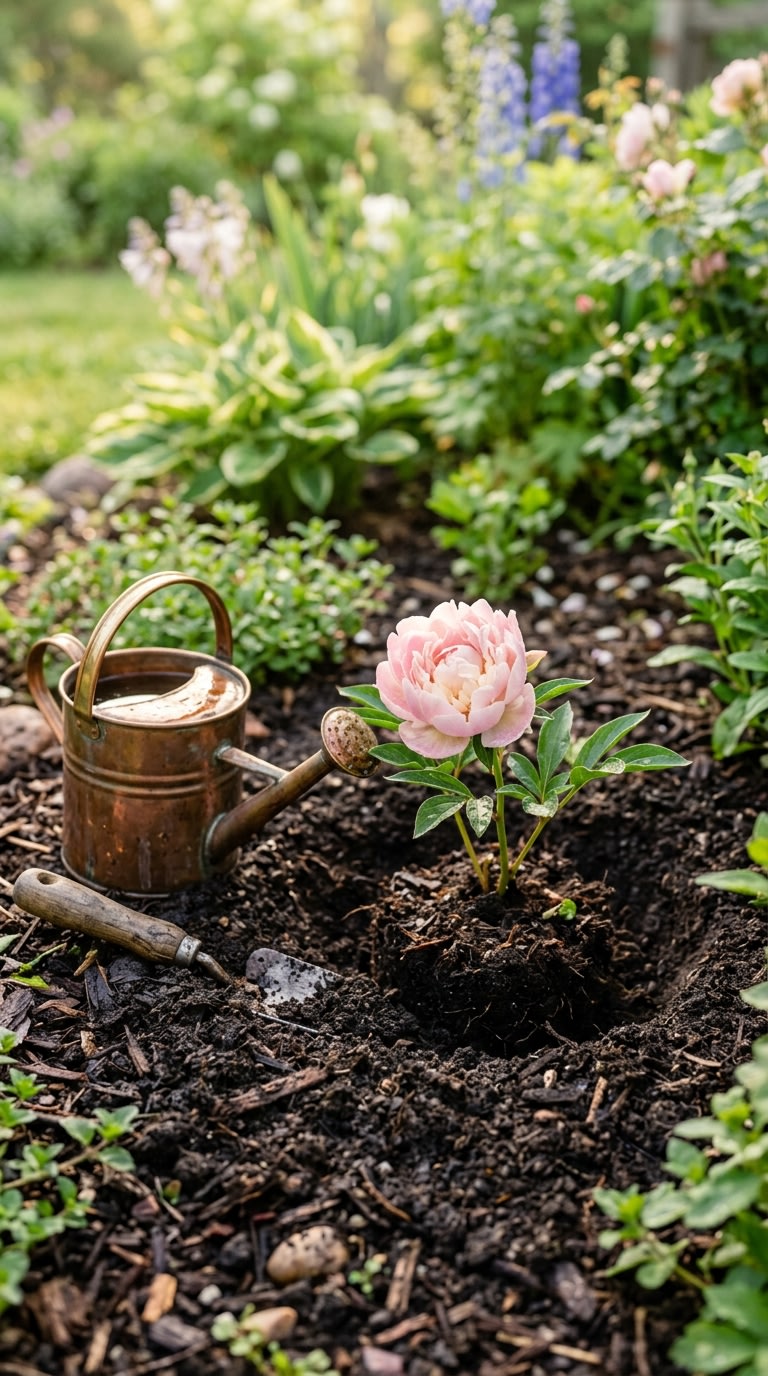
With your soil prepared, it’s time to plant your seeds and seedlings. Begin by following the recommended planting depth for each type of plant, which you can find on the seed packets or labels. Carefully transplant seedlings, ensuring not to disturb their roots too much. When planting, give each plant enough space based on its mature size to prevent overcrowding.
Water the newly planted seeds and seedlings gently to settle the soil around their roots. This initial watering is crucial for helping them establish. Pay attention to the needs of each plant species regarding sunlight and water requirements to ensure they thrive in their new home.
Example: Transplant lavender seedlings into a sunny spot in your garden, spaced adequately for growth.
Pro Tips:
- Plant in the evening or on a cloudy day to reduce transplant shock.
- Label your plants to keep track of their types and care needs.
- Monitor your plants closely for the first few weeks.
Step 5: Incorporate Faded Petal Accessories

To enhance the Faded Petal theme throughout your garden, consider incorporating accessories that reflect this beautiful hue. This can include painted pots, furniture, garden art, or even pathways lined with stones in shades of soft pink and beige. These elements can tie your garden’s design together and create a cohesive look that resonates with the calming essence of Faded Petal.
When selecting accessories, aim for pieces that are both functional and decorative. A beautifully painted bench can provide a resting spot while also adding color and charm to your space. Make sure these items complement the plants you’ve chosen, ensuring harmony throughout your garden.
Example: Place a soft pink bench along your garden pathway for a charming focal point.
Pro Tips:
- Choose weather-resistant materials for outdoor accessories.
- Mix textures and finishes to create visual interest.
- Position accessories to create inviting pathways and seating areas.
Step 6: Water and Mulch Your Garden

Proper watering and mulching are crucial to the health of your Faded Petal garden. Begin by establishing a consistent watering schedule, ensuring your plants receive adequate moisture without overwatering. Early morning is often the best time to water, as it allows the plants to absorb moisture before the heat of the day. Consider using drip irrigation or soaker hoses for efficient watering.
Mulching is equally important as it helps retain soil moisture, suppresses weeds, and regulates soil temperature. Apply a layer of organic mulch, such as shredded bark or straw, around your plants, taking care not to pile it directly against the stems. This will help keep your garden healthy and thriving.
Example: Apply a 2-inch layer of mulch around your newly planted lavender to conserve moisture.
Pro Tips:
- Monitor your soil moisture with a moisture meter.
- Adjust your watering schedule based on rainfall and temperature.
- Refresh mulch every few months to maintain effectiveness.
Step 7: Monitor Growth and Adjust Care
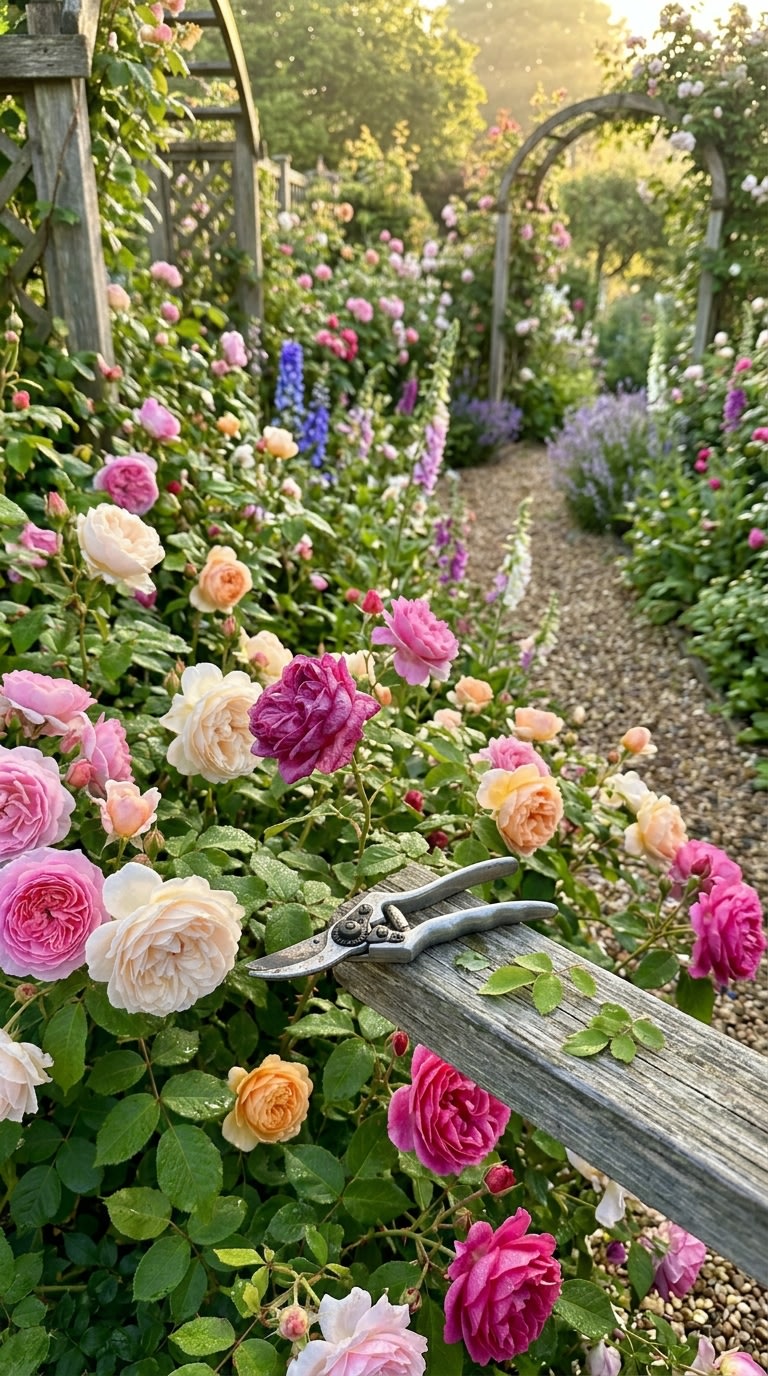
As your garden begins to grow, it’s vital to keep an eye on how your plants are developing. Regularly check for signs of pests, diseases, or nutrient deficiencies. Address any issues promptly to ensure your garden remains healthy. You may need to adjust your care routine as plants mature, including changing watering frequency or adding fertilizer when necessary.
Consider keeping a garden journal to track your observations and any changes you make. This can help you understand what works best in your unique garden environment and guide your future gardening decisions.
Example: Note any signs of yellowing leaves on your plants, which may indicate a nutrient deficiency.
Pro Tips:
- Use organic pest control methods to protect your plants.
- Fertilize during the growing season to support healthy growth.
- Observe your garden regularly to catch issues early.
Step 8: Enjoy Your Faded Petal Garden
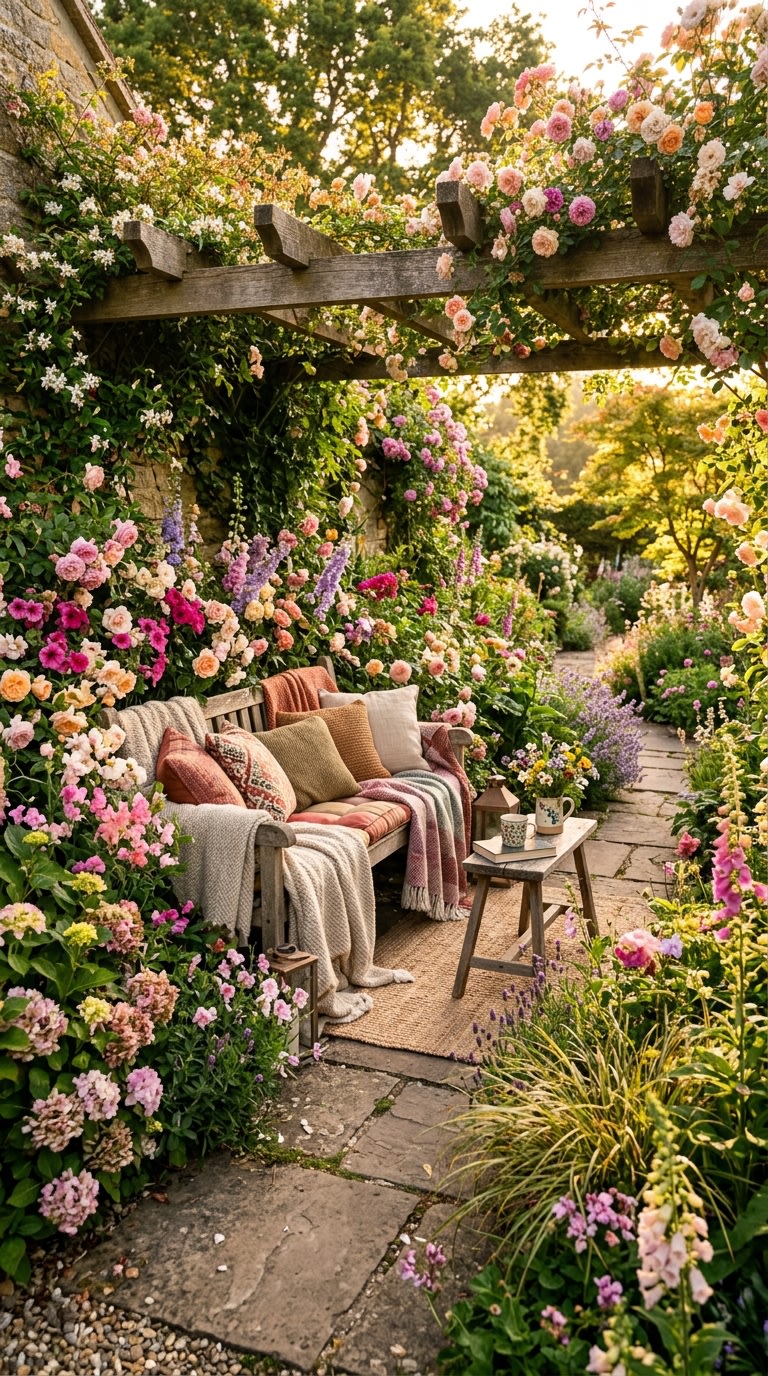
Finally, take time to enjoy the fruits of your labor! Create cozy seating areas where you can relax and appreciate the beauty of your Faded Petal garden. Invite friends and family over to share in the joy of your vibrant outdoor space. Whether it’s enjoying a quiet moment with a book or hosting a garden party, your garden is now a beautiful backdrop for making memories.
Remember, gardening is a journey, and every season offers new opportunities for growth and change. Embrace the process and celebrate the beauty of your garden, knowing that it reflects your creativity and hard work.
Example: Set up a small table with chairs in the garden for afternoon tea with friends.
Pro Tips:
- Create themed areas in your garden for different activities.
- Host seasonal gatherings to celebrate your garden’s beauty.
- Take time each week to simply sit and enjoy the tranquility.
Advanced Tips
Experiment with Color Combinations
Don’t be afraid to mix Faded Petal with other colors in your garden. Try pairing it with deeper shades like plum or navy for a dramatic contrast, or with softer pastels for a more ethereal look. Experimenting with color combinations can lead to unique and stunning arrangements that reflect your personal style.
Create Seasonal Interest
To keep your garden engaging throughout the year, choose plants that bloom in different seasons. Incorporate early spring bulbs, summer perennials, and autumn foliage that can showcase Faded Petal in various stages. This approach ensures your garden remains vibrant and visually appealing, regardless of the season.
Incorporate Edible Plants
Consider adding edible plants that complement your Faded Petal theme. Herbs like basil and thyme can add both flavor and beautiful foliage, while fruit-bearing plants like strawberries can introduce delightful colors. This not only enhances the beauty of your garden but also provides fresh produce for your kitchen.
Utilize Vertical Space
If space is limited, think vertically. Use trellises or vertical gardens to showcase climbing plants in Faded Petal shades. This not only maximizes your gardening space but also adds dynamic height and interest to your garden design.
Tools & Resources
- Soil Test Kit — A soil test kit allows you to analyze the pH and nutrient levels of your garden soil, helping you make informed decisions about amendments. Understanding your soil’s composition is crucial for planting success. — Available at: Home Depot, Amazon
- Garden Trowel — A garden trowel is essential for planting, digging, and weeding. Its ergonomic design allows for easy maneuverability in tight spaces, making it a must-have tool for any gardener. — Available at: Lowe’s, Ace Hardware
- Drip Irrigation System — A drip irrigation system efficiently waters your plants, delivering moisture directly to the roots while conserving water. This is especially beneficial during hot summer months. — Available at: Home Depot, Amazon
- Organic Mulch — Organic mulch helps retain soil moisture, suppresses weeds, and regulates temperature. It’s a crucial element for maintaining healthy plants and improving soil quality. — Available at: Local garden centers, Home Depot
- Gardening Journal — A gardening journal is a valuable tool for tracking your garden’s progress, noting plant growth, and recording care routines. It can help you refine your gardening techniques over time. — Available at: Barnes & Noble, Amazon
Frequently Asked Questions
What plants work well with Faded Petal in my garden?
Plants that naturally exhibit shades of Faded Petal, such as peonies, roses, and lavender, are excellent choices for your garden. You can also pair them with complementary colors like white and soft greens to enhance the overall aesthetic. Experimenting with different textures and heights will create a more dynamic landscape, allowing the Faded Petal tones to shine even brighter.
How do I maintain my Faded Petal garden throughout the seasons?
To maintain your Faded Petal garden, ensure you have a consistent watering schedule and monitor for pests and diseases. Prune and deadhead your plants regularly to promote healthy growth and blooming. Incorporating seasonal plants will also help keep your garden vibrant year-round. Keep a gardening journal to track changes and successes, which will guide your care strategies as the seasons change.
Can I use Faded Petal in a small garden or container?
Absolutely! Faded Petal can be incorporated into small gardens or container arrangements. Choose compact plants that fit well in limited spaces, and use pots in shades of Faded Petal to enhance the theme. Vertical gardening techniques can also maximize space, allowing for a beautiful display without overwhelming the area.
What is the best time to plant my Faded Petal garden?
The best time to plant your Faded Petal garden generally depends on your climate zone. For most regions, spring is ideal for planting perennials and annuals. However, consider your local frost dates and soil temperatures. Early fall can also be a great time to plant, allowing the roots to establish before winter sets in.
How do I choose the right accessories for my garden?
When selecting accessories for your Faded Petal garden, consider color, style, and functionality. Look for items that not only enhance the visual appeal but also serve a purpose, like seating or storage. Opt for weather-resistant materials that will withstand the elements while maintaining their beauty. Mixing textures can also add depth and interest to your garden design.
Creating a Faded Petal garden is not just about introducing a new color; it’s about cultivating a space that reflects your personality and brings you joy. By following the steps outlined in this guide, you can transform your yard into a tranquil oasis filled with beauty and serenity.
Your garden is a canvas for your creativity, a place where you can unwind and connect with nature. So get out there, embrace the journey, and enjoy every moment spent nurturing your Faded Petal paradise. Happy gardening!