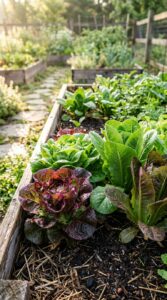
Are you looking for a way to make your garden more vibrant and alive? Creating a pollinator garden can transform your outdoor space into a sanctuary for bees, butterflies, and other vital pollinators. With a little effort and the right plants, you can support these creatures while enjoying their beauty and the colorful blooms they bring to your yard.
In this guide, you will discover how to design a pollinator-friendly garden using native plants that thrive in your region. By incorporating these plants, you not only enhance your garden’s aesthetic appeal but also contribute to the health of local ecosystems. Let’s dive into the wonderful world of pollinator gardening and learn how to create an inviting space that buzzes with life.
Table of Contents
- What Is a Pollinator Garden?
- How Does It Work?
- Benefits of a Pollinator Garden
- Steps to Create Your Pollinator Garden
- Advanced Tips for Experienced Gardeners
- Tools and Resources
- Frequently Asked Questions
- Conclusion
What Is It?
A pollinator garden is a dedicated space filled with plants that attract and support bees, butterflies, and other pollinators. These gardens are crucial in providing food sources, habitats, and nesting sites for these important creatures. By using native plants, you not only create a beautiful landscape but also enhance local biodiversity.
Pollinator gardens can vary in size and design, from small balcony containers to expansive backyard spaces. The key is to select plants that bloom at different times of the year, ensuring a continuous food supply. This guide will help you create your very own pollinator paradise, tailored to your specific environment and preferences.
- Pollinator gardens support local ecosystems and biodiversity.
- Native plants are best for attracting local pollinators.
- Continuous blooming plants provide food throughout the seasons.
How It Works
Pollinator gardens work by providing essential resources that insects need for survival. Nectar and pollen from flowering plants are the primary food sources for bees and butterflies, while certain plants also offer shelter and nesting sites. By selecting a variety of native plants, you can create an environment that meets the diverse needs of different pollinator species.
The health of local pollinator populations is directly linked to the availability of these resources. As you cultivate your garden, you will notice increased activity from pollinators, which not only benefits your garden but also enhances the surrounding ecosystem. A thriving pollinator garden can significantly contribute to the health of your local flora and fauna.
- Pollinators need nectar and pollen for food.
- Native plants provide essential habitat and resources.
- A diverse plant selection attracts a variety of pollinators.
Key Benefits
- Supports Ecosystem Health — Creating a pollinator garden helps maintain the balance of local ecosystems. By attracting bees, butterflies, and other pollinators, you contribute to the reproduction of many plants, which in turn supports other wildlife in your area.
- Enhances Garden Aesthetics — A pollinator garden is not just functional; it’s also beautiful. The vibrant colors and varied textures of native plants can create a stunning visual display that changes with the seasons.
- Promotes Biodiversity — By using a wide variety of native plants, you encourage a diverse range of pollinators to thrive. This biodiversity is crucial for a healthy environment and helps combat the decline of pollinator populations.
- Educational Opportunities — A pollinator garden can serve as an excellent educational tool for children and adults alike. It offers a chance to learn about local wildlife, plant biology, and the importance of conservation.
- Sustainable Gardening Practice — By focusing on native plants, you reduce the need for chemical fertilizers and pesticides. This sustainable approach promotes healthier soil and reduces environmental impact.
Step-by-Step Guide
Step 1: Choose the Right Location

Start by selecting a sunny spot in your yard. Pollinators love warmth and light, so aim for an area that receives at least six hours of sunlight daily. Observe the location throughout different times of the day to ensure it remains vibrant and lively. Avoid areas with heavy foot traffic or where water tends to pool, as this can deter pollinators.
Consider the accessibility of this space for regular maintenance and observation. A well-placed garden can provide joy and education, allowing you to witness the bustling activity of pollinators up close.
Example: A sunny corner of your backyard that receives plenty of light while remaining sheltered from strong winds is ideal.
Pro Tips:
- Choose a location near existing plants that already attract pollinators.
- Avoid areas with excessive shade from trees or structures.
- Consider proximity to a water source for added convenience.
Step 2: Test Your Soil

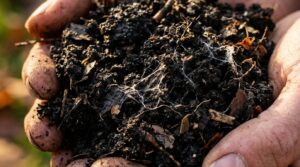
Testing your soil is crucial to understand what nutrients it may need for optimal plant growth. You can purchase a soil testing kit from a local gardening store or send a sample to a lab for more detailed analysis. Look for pH levels and nutrient content, which will guide your plant selection and any amendments needed.
If your soil is too acidic or alkaline, you can amend it with organic matter or lime to achieve a balanced pH level. Healthy soil ensures that your plants thrive and are more resilient against pests and diseases.
Example: A soil pH of around 6.0 to 7.0 is generally ideal for most native plants.
Pro Tips:
- Test your soil in early spring or fall for the best results.
- Consider adding compost to improve soil structure and nutrient availability.
- Keep track of your soil test results for future reference.
Step 3: Select Native Plants

Choosing the right native plants is essential for attracting local pollinators. Research the native flora in your region, as these plants are adapted to the local climate, soil, and pollinator species. Popular choices include coneflowers, milkweed, and butterfly bush, which are known to attract bees and butterflies alike.
Aim for a mix of flowering plants that bloom at different times throughout the growing season, ensuring a continuous food supply for pollinators. Additionally, consider incorporating plants with varied heights and textures to create a visually appealing garden.
Example: Planting a combination of black-eyed Susans and asters will provide nectar from spring through fall.
Pro Tips:
- Visit local nurseries or native plant sales for the best selection.
- Make a planting plan that includes a variety of colors and bloom times.
- Consult local gardening clubs or extension services for tailored recommendations.
Step 4: Plan Your Layout

Design the layout of your pollinator garden with careful consideration for plant height, bloom time, and color. Taller plants should be placed towards the back or center of the garden, while shorter plants can fill in the front or edges. This tiered approach not only looks aesthetically pleasing but also allows pollinators easy access to the blooms.
Incorporate winding paths or open spaces to make the garden inviting for both you and the creatures that will visit. Leave gaps between plants for air circulation and ease of maintenance, ensuring that the garden remains healthy and vibrant.
Example: Positioning tall sunflowers behind shorter wildflowers creates a stunning visual backdrop.
Pro Tips:
- Sketch your layout on paper before planting to visualize the design.
- Consider adding seating areas for relaxation and observation.
- Leave some space for future plant additions or changes.
Step 5: Prepare the Soil

Once your layout is planned, it’s time to prepare the soil for planting. Clear the area of any weeds, grass, or debris to create a clean planting bed. You can use a garden fork or tiller to loosen the soil, making it easier for roots to establish. If you discovered any nutrient deficiencies during your soil test, now is the time to amend the soil with organic matter like compost or well-rotted manure.
Aim for a crumbly texture that allows for good drainage while retaining moisture. This preparation will set the stage for your plants to thrive, giving them the best chance at attracting pollinators.
Example: Incorporating a few inches of compost can significantly improve soil fertility.
Pro Tips:
- Water the soil a day before planting to help it hold moisture.
- Consider using mulch to suppress weeds and retain soil moisture after planting.
- Test the soil again after amending to ensure it is balanced.
Step 6: Plant Your Flowers

Now comes the fun part—planting your flowers! Follow your layout plan and create small holes for each plant, ensuring they are spaced according to their specific needs. Place the plants in their holes, making sure the root ball is level with the soil surface. Backfill with soil and gently pat it down to eliminate air pockets. Water the plants thoroughly after planting to help them settle in.
Take the time to observe how the plants look together and make adjustments if necessary. This is your garden, and it should reflect your personal style and vision.
Example: Planting a cluster of purple coneflowers near yellow coreopsis creates a beautiful color contrast.
Pro Tips:
- Plant in the early morning or late afternoon to reduce stress on the plants.
- Water regularly during the first few weeks until plants are established.
- Group plants with similar water and sunlight needs together.
Step 7: Water and Mulch

After planting, it’s important to establish a consistent watering routine. Newly planted flowers need regular moisture to help their roots grow deep and strong. Water deeply but infrequently to encourage deep root systems. Consider installing a drip irrigation system for ease and efficiency, especially in hot summer months.
Adding a layer of mulch around your plants can help retain moisture, suppress weeds, and regulate soil temperature. Organic mulches like wood chips or straw not only serve these purposes but also enrich the soil as they break down over time.
Example: Applying a 2-3 inch layer of mulch can significantly reduce weed growth.
Pro Tips:
- Check soil moisture regularly, especially in the first few weeks.
- Water in the early morning or late afternoon to reduce evaporation.
- Use organic mulch to improve soil quality as it decomposes.
Step 8: Observe and Maintain

As your pollinator garden grows, take time to observe the activity of bees, butterflies, and other beneficial insects. This is the rewarding part of gardening! Regular maintenance is crucial to keep your garden thriving. Weeding, deadheading, and checking for pests will ensure your plants remain healthy and attractive to pollinators.
Consider keeping a journal to track which plants attract the most pollinators, which can help you make future planting decisions. Engaging with your garden not only enhances your gardening skills but also deepens your connection with nature.
Example: Noticing an increase in butterfly activity around your milkweed is a good sign of a healthy garden.
Pro Tips:
- Explore companion planting to enhance plant health and biodiversity.
- Join local gardening groups to share experiences and tips.
- Be patient; it may take time for pollinators to discover your garden.
Advanced Tips
Incorporate Host Plants
To attract specific butterfly species, consider planting host plants where they can lay their eggs. For instance, if you want to attract monarchs, include milkweed in your garden since it’s the only plant where they will lay their eggs. This practice not only adds diversity to your garden but also supports the life cycles of pollinators.
Create Shelter Areas
In addition to flowers, creating sheltered areas within your garden can encourage pollinator visitation. Incorporate logs, rocks, or small brush piles where insects can find refuge from predators and adverse weather. These natural features provide essential habitats for many beneficial species.
Practice Organic Gardening
Using organic gardening methods can significantly enhance the health of your pollinator garden. Avoid synthetic pesticides and herbicides, as these can harm beneficial insects. Instead, opt for natural pest control methods, such as planting companion plants or introducing beneficial insects like ladybugs.
Plan for Seasonal Interest
To keep your garden appealing year-round, plan for seasonal interest by incorporating plants that provide visual appeal in different seasons. Consider adding evergreens, fall-blooming asters, or winter berry plants, ensuring that your garden remains a source of beauty and biodiversity, even in the off-season.
Tools & Resources
- Soil Testing Kit — A soil testing kit allows you to analyze your soil’s pH and nutrient levels. Understanding your soil composition is crucial for selecting the right plants and amendments. — Available at: Home Depot, Amazon
- Native Plant Guide — A guide to native plants in your region can help you choose the best species for attracting local pollinators. Look for books or online resources that detail native plants suited to your area. — Available at: Local libraries, gardening stores, online bookstores
- Compost — Adding compost enriches your soil with nutrients and improves its structure. It provides a fertile environment for your plants to thrive and supports healthy pollinator populations. — Available at: Home Depot, local garden centers
- Drip Irrigation System — Installing a drip irrigation system can make watering your garden more efficient. This method delivers water directly to the base of each plant, conserving water and minimizing evaporation. — Available at: Home Depot, Lowe’s, Amazon
- Gardening Tools — Basic gardening tools like shovels, trowels, and pruners are essential for planting and maintaining your pollinator garden. High-quality tools make gardening tasks easier and more enjoyable. — Available at: Home Depot, Ace Hardware, local gardening stores
- Mulch — Using organic mulch helps retain soil moisture, suppress weeds, and regulate temperature. It also breaks down over time, enriching the soil for your plants. — Available at: Lowe’s, local garden centers
Frequently Asked Questions
What are the best plants for a pollinator garden?
The best plants are often native species that are adapted to your local climate and soil conditions. Popular choices include coneflowers, bee balm, and milkweed. Consider a variety of flowering plants that bloom at different times of the year to provide a continuous food source for pollinators.
Research local resources or extension services to find a list of native plants that are particularly effective in your area.
Do I need to use pesticides in my pollinator garden?
It’s best to avoid synthetic pesticides in your pollinator garden, as these can harm beneficial insects. Instead, consider organic alternatives or integrated pest management strategies that focus on attracting beneficial insects to control pests naturally. Creating a balanced ecosystem will help keep your garden healthy without the need for harmful chemicals.
How much sunlight does a pollinator garden need?
Most flowering plants require at least six hours of direct sunlight per day to thrive. When selecting a location for your garden, observe how the sun moves across your yard throughout the day. If you have areas that receive less sun, consider planting shade-tolerant native species.
How can I attract more butterflies to my garden?
To attract more butterflies, plant a variety of nectar-rich flowers and include host plants where butterflies can lay their eggs. For example, milkweed is essential for monarchs. Additionally, create sheltered areas with rocks or logs for butterflies to rest and warm themselves in the sun. Providing a water source, such as a shallow dish with stones, can also help attract these beautiful insects.
When is the best time to plant a pollinator garden?
The best time to plant a pollinator garden depends on your climate. In most areas, early spring or fall is ideal for planting perennials, as this allows roots to establish before the heat of summer or the cold of winter. Check your local gardening calendar for specific planting dates that align with your region.
Congratulations on embarking on this wonderful journey of creating a pollinator garden! By following these steps, you not only enhance the beauty of your outdoor space but also play a vital role in supporting local ecosystems. Your efforts will provide food and habitat for essential pollinators, contributing to the overall health of the environment.
Remember, gardening is a rewarding process that takes patience and care. Embrace the learning experience and enjoy the fruits of your labor as you watch your garden bloom and thrive. Start planning today, and soon you’ll have a vibrant space buzzing with life!