
Xeriscaping is revolutionizing the way Americans think about gardening and landscaping, particularly in arid regions. This innovative approach to garden design prioritizes water conservation while still creating aesthetically pleasing outdoor spaces. By utilizing native and drought-tolerant plants, xeriscaping not only minimizes water use but also fosters a unique desert-inspired beauty that complements modern architecture.
As climate change continues to impact weather patterns and water availability, more homeowners are turning to xeriscaping as a sustainable alternative to traditional gardens. This style emphasizes the importance of design elements that blend seamlessly with the natural landscape, creating serene environments that are as functional as they are beautiful. Join the growing movement of eco-conscious gardeners and discover how xeriscaping can transform your outdoor living space into a desert paradise that thrives in all seasons.
1. Understanding the Principles of Xeriscaping
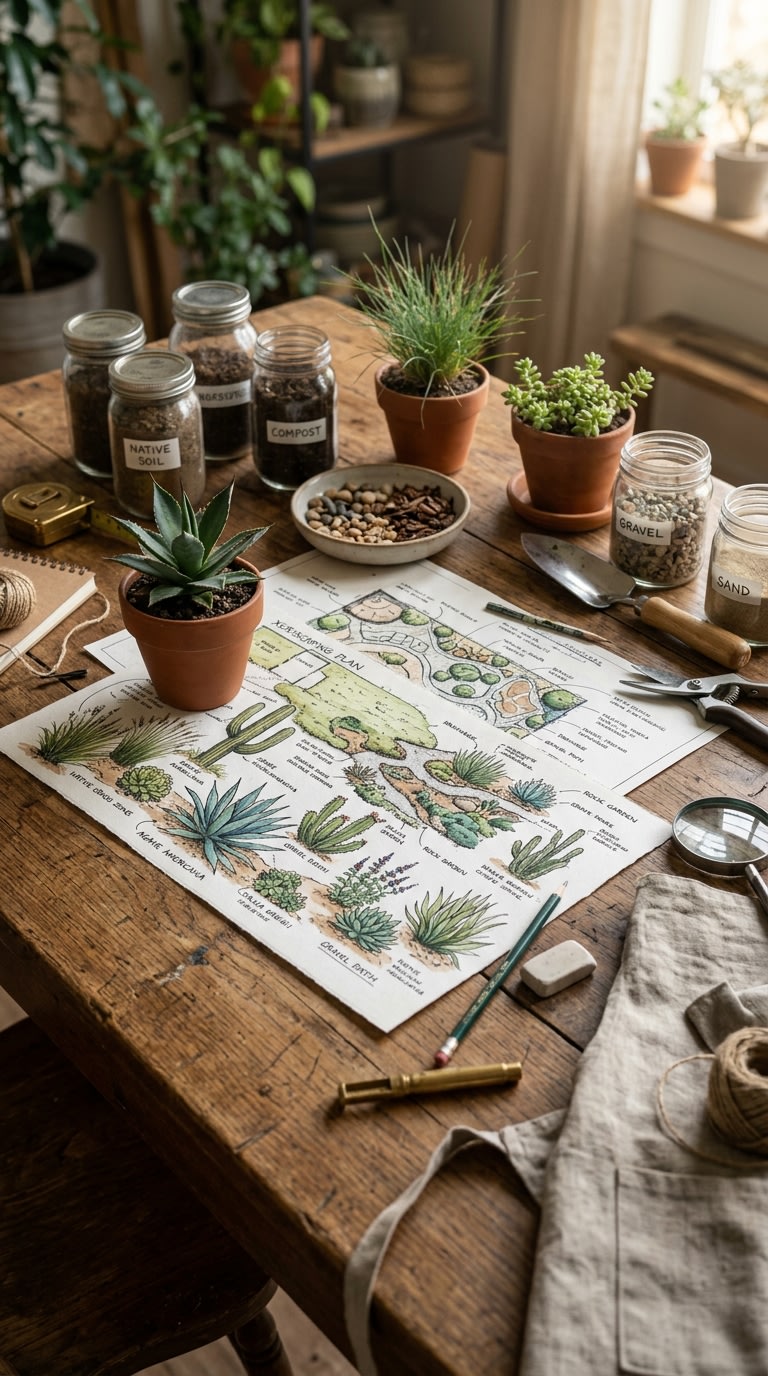
Xeriscaping revolves around seven core principles that can guide anyone in creating a sustainable garden. The first principle is planning and design, which involves assessing your landscape and creating a layout that maximizes water efficiency. This means understanding your yard’s sun and shade patterns, soil type, and existing plants.
Next is soil improvement, which is crucial for water retention and plant health. Adding organic matter can enhance soil structure, allowing for better moisture retention. The third principle is choosing drought-tolerant plants that are well-suited to your climate. Native species often require less water and maintenance, making them an ideal choice.
Irrigation efficiency is also a key component, allowing for targeted watering strategies that minimize waste. Finally, utilizing mulch can help retain soil moisture and suppress weeds. Incorporating these principles into your gardening routine will not only create a beautiful landscape but also contribute to water conservation efforts.
2. Choosing the Right Plants for Xeriscaping
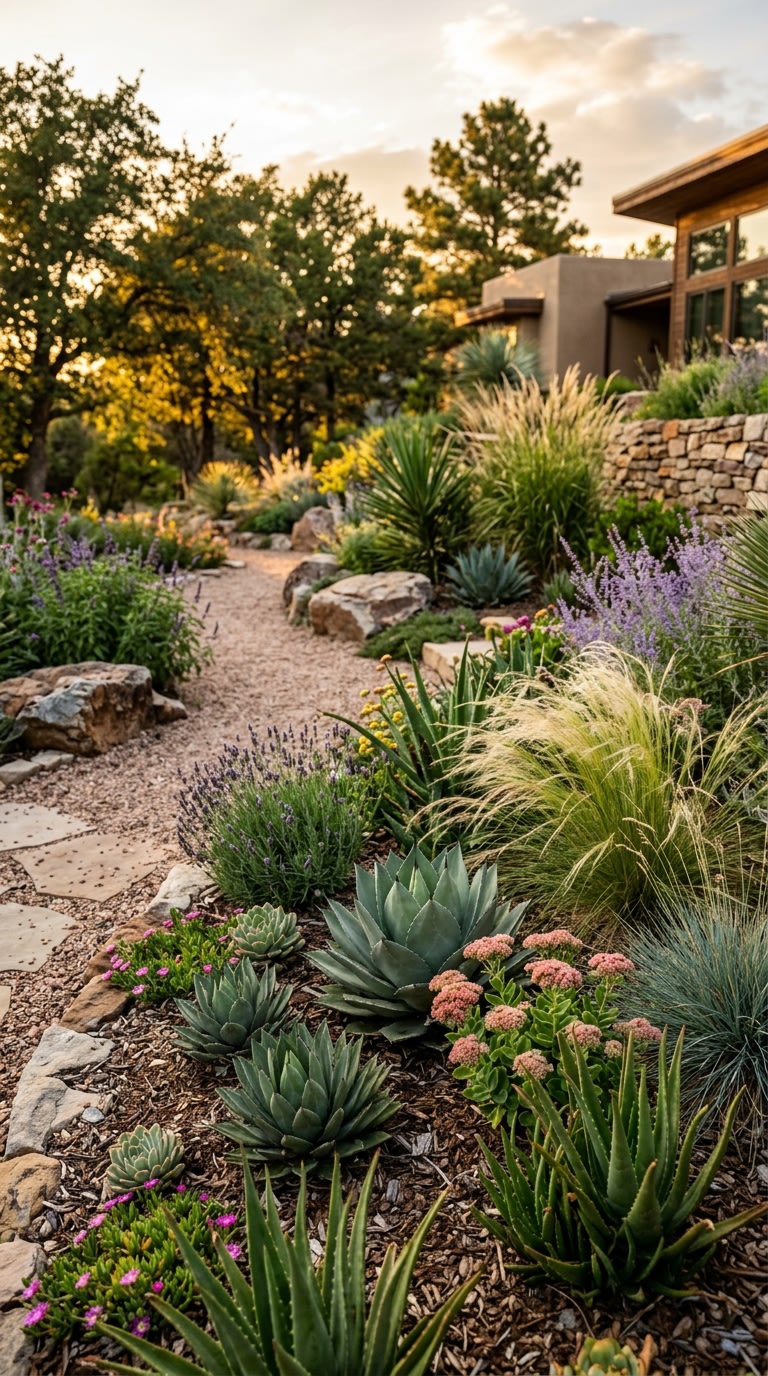
Selecting the right plants for a xeriscape garden is essential to its success. Begin by researching native plants that thrive in your local climate, as these species have adapted to require less water and maintenance. Some popular choices include succulents, cacti, and various ornamental grasses that can withstand dry conditions while providing visual interest.
It’s also important to consider the growth habits and colors of plants to create an aesthetically pleasing landscape. Grouping plants with similar water needs can help simplify your irrigation strategy, allowing for more efficient watering practices. Consider incorporating a mix of textures and heights to create depth and dimension in your garden.
Additionally, don’t overlook the importance of seasonal interest. Choose flowering plants that bloom at different times of the year to ensure color and life throughout the seasons. By carefully selecting plants that are well-suited to xeriscaping, you can create a thriving outdoor environment that conserves water and enhances your property.
3. Creating a Mulch Masterpiece
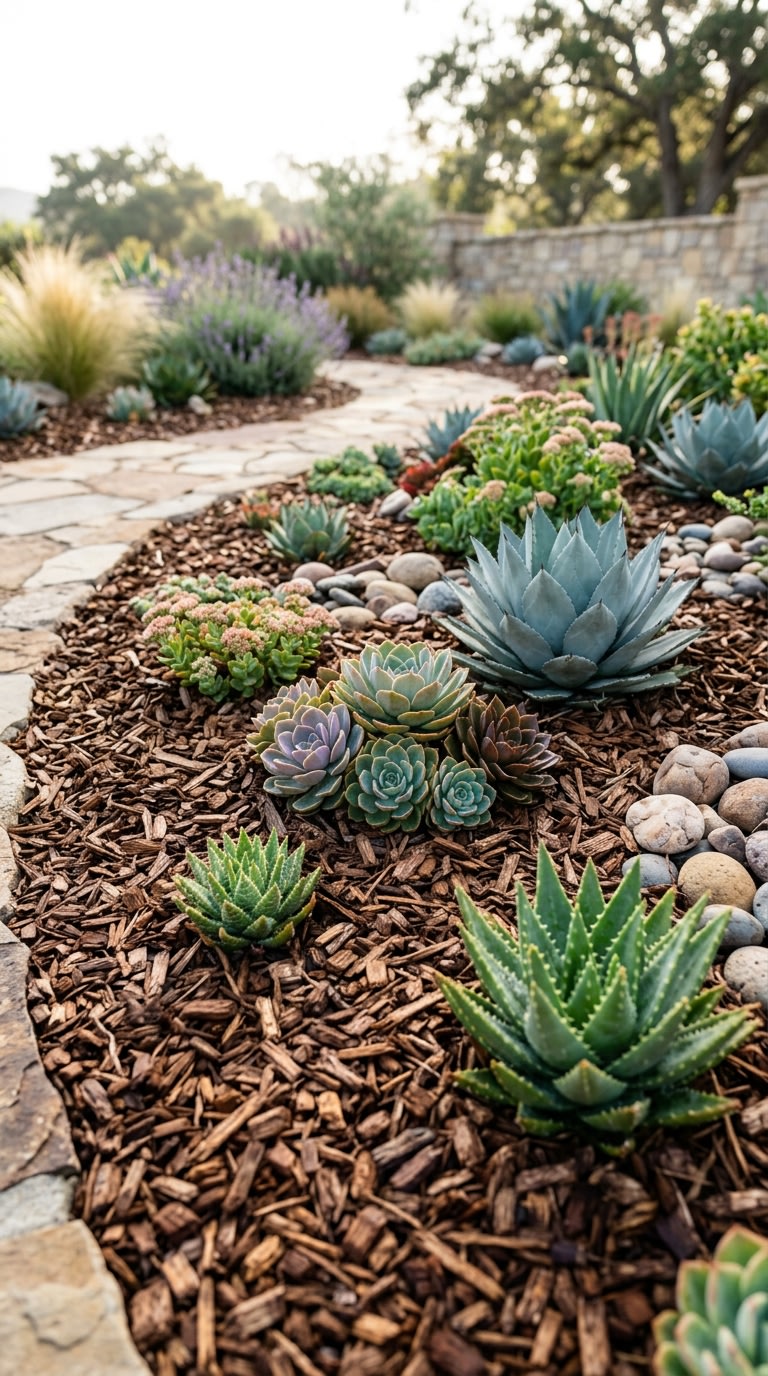
Mulch is a crucial element in xeriscaping, providing numerous benefits that enhance plant health and conserve water. By covering the soil with organic or inorganic mulch, you can prevent moisture loss due to evaporation, leading to less frequent watering. Organic mulches, such as wood chips or straw, also improve soil quality as they break down over time.
When applying mulch, aim for a thickness of about 2-4 inches to effectively suppress weeds and maintain soil temperature. This layer also protects the roots of your plants from extreme heat. It’s essential to keep mulch away from the bases of plants to prevent rot and encourage healthy growth.
Consider incorporating decorative stones or gravel as inorganic mulch in areas where you want a more modern look. These materials retain heat and can help regulate soil temperature, making them ideal for xeriscaped gardens. By strategically using mulch, you can create a beautiful and functional garden that thrives with minimal water.
4. Watering Wisely: Efficient Irrigation Techniques

Efficient watering practices are a cornerstone of xeriscaping, helping to reduce water usage while promoting healthy plant growth. One of the most effective methods is drip irrigation, which delivers water directly to the plant roots, minimizing evaporation and runoff. This targeted approach is not only more efficient but also encourages deeper root growth, leading to stronger plants.
For those who prefer a more hands-on approach, consider using soaker hoses that can be laid out throughout the garden. These hoses allow water to seep directly into the soil, providing moisture where it’s needed most. It’s essential to water deeply but infrequently, encouraging plants to develop drought-resistant root systems.
Additionally, timing your watering is crucial. Watering early in the morning or late in the afternoon can help reduce evaporation losses. Implementing rainwater harvesting systems can further enhance your irrigation strategy, allowing you to make the most of natural rainfall. By adopting these efficient techniques, you can maintain a beautiful xeriscaped garden while conserving precious water resources.
5. Incorporating Hardscape Elements for Design

Hardscaping plays a vital role in xeriscaping, providing structure and design while also enhancing water conservation efforts. Elements like patios, walkways, and retaining walls can create defined spaces in your garden, allowing for better organization and functionality. Using permeable materials for these structures can help with drainage and reduce water runoff.
Consider incorporating natural stone or pavers that complement the surrounding landscape. These materials not only blend seamlessly with the plants but also offer durability and longevity. Additionally, hardscaping can help to create microclimates in your garden, providing sheltered areas for more delicate plants to thrive.
Another benefit of hardscape elements is their ability to reduce maintenance needs. By integrating pathways and patios, you can minimize the areas that require frequent watering and upkeep, allowing you to focus on your plants. By thoughtfully planning your hardscape, you can create a stunning xeriscaped garden that is both beautiful and easy to maintain.
6. Seasonal Care for Your Xeriscaped Garden

Caring for a xeriscaped garden varies with the seasons, though the primary goal remains the same: conserving water while ensuring plant health. In the spring, it’s essential to assess the garden for any winter damage and prune back any dead growth. This is also the perfect time to add mulch to retain moisture as plants begin to wake up and grow.
During the summer months, focus on deep watering practices that encourage healthy root growth. Pay attention to any signs of stress in your plants and adjust your watering schedule accordingly. This might involve watering more frequently during particularly hot spells or ensuring that your irrigation system is functioning optimally.
As fall approaches, it’s time to prepare your garden for the colder months. Remove any dead foliage and consider adding a layer of mulch for insulation. In winter, while most plants will go dormant, make sure to check for any erosion issues or water runoff problems that could affect your garden’s health. By staying proactive with seasonal maintenance, you can ensure your xeriscaped garden thrives year-round.
7. Xeriscaping for Wildlife: Creating a Habitat

Xeriscaping can also support local wildlife by providing a natural habitat that attracts beneficial insects, birds, and other fauna. By choosing native plants that produce nectar and seeds, you can create a garden that encourages pollinators like bees and butterflies to thrive. This not only enhances the biodiversity of your garden but also supports the ecosystem.
Incorporating features like birdbaths, bee hotels, and native shrubs can further entice wildlife to your garden. These elements provide essential resources for birds and beneficial insects, creating a balanced environment. Additionally, creating a varied landscape with different plant heights and textures can offer shelter and nesting opportunities for various species.
By designing your xeriscaped garden with wildlife in mind, you can create a beautiful outdoor space that contributes to environmental health. This approach not only enhances the aesthetic appeal of your garden but also fosters a sense of stewardship for the natural world.
8. The Benefits of Xeriscaping: Beyond Aesthetics

Xeriscaping offers numerous benefits beyond its striking aesthetics, making it a popular choice among environmentally conscious homeowners. One of the most significant advantages is the reduction in water usage, which is crucial as drought conditions become more common. By implementing water-efficient practices and selecting drought-resistant plants, you can significantly lower your water bills while still maintaining a lush garden.
Additionally, xeriscaping promotes soil health by encouraging the use of organic materials and native plants that are adapted to local conditions. This can lead to a more resilient landscape that requires less maintenance and fewer chemical inputs. Furthermore, a well-designed xeriscaped garden can increase property value, as more buyers are looking for sustainable features in homes.
Finally, xeriscaping contributes to biodiversity by providing habitats for local wildlife. By embracing this gardening style, not only do you create a beautiful outdoor space, but you also play a critical role in promoting environmental sustainability. The benefits of xeriscaping are clear, making it a compelling choice for modern gardeners.
Frequently Asked Questions
What is the main purpose of xeriscaping?
The primary purpose of xeriscaping is to conserve water while creating beautiful and functional landscapes. This approach is particularly beneficial in arid and semi-arid regions, where water is a scarce resource. By selecting drought-tolerant plants and implementing water-efficient practices, homeowners can significantly reduce their reliance on irrigation.
Additionally, xeriscaping encourages the use of native plants, which typically require less maintenance and are better suited to local climates. This not only helps with water conservation but also promotes biodiversity and supports local wildlife. Overall, xeriscaping embodies a sustainable gardening philosophy that harmonizes aesthetics with environmental stewardship.
Can xeriscaping be applied in non-desert areas?
Absolutely! While xeriscaping is often associated with desert landscapes, its principles can be applied in various climates, including temperate and humid regions. The core idea is to use water-efficient practices and select plants that are well-suited to the local environment.
In non-desert areas, you can still incorporate drought-tolerant plants that thrive in your specific climate, reducing the overall water needs of your garden. Furthermore, xeriscaping can help improve soil health and promote biodiversity, making it a beneficial gardening style for anyone looking to create a sustainable landscape, regardless of their geographic location.
What types of plants are best for xeriscaping?
The best plants for xeriscaping are those that are drought-tolerant and well-adapted to your local climate. Native plants are often the top choice, as they have evolved to thrive with minimal water and maintenance. Some popular options include succulents, ornamental grasses, and flowering perennials that require little irrigation once established.
Additionally, consider incorporating plants with deep root systems, as these can access water from deeper soil layers. When selecting plants, it’s important to group them according to their water needs, creating a harmonious and efficient irrigation strategy that promotes a healthy, thriving xeriscaped garden.
How can I start xeriscaping my garden?
Starting your xeriscaping journey involves a few key steps that set the foundation for a successful and sustainable garden. Begin by assessing your current landscape, taking note of sun and shade patterns, soil type, and existing plants. This understanding will help you design a layout that maximizes water efficiency.
Next, research and select drought-tolerant plants that are native to your region. Implement efficient watering practices, such as drip irrigation or soaker hoses, to minimize water waste. Finally, consider incorporating hardscape elements and mulch to enhance your garden’s functionality and aesthetics. With thoughtful planning and design, you can create a stunning xeriscaped garden that thrives with minimal water.
Is xeriscaping expensive to implement?
While the initial investment in xeriscaping may be higher than traditional landscaping, the long-term savings can make it a cost-effective choice. By selecting drought-tolerant plants and implementing efficient irrigation systems, you can significantly reduce water bills over time. Additionally, xeriscaping often requires less maintenance and fewer resources, leading to long-term savings on gardening costs.
It’s also important to consider that many local governments offer incentives or rebates for xeriscaping projects, further offsetting initial costs. Overall, while there may be upfront expenses, the sustainable benefits and cost savings of xeriscaping make it a wise investment for the future.
Xeriscaping is more than just a trend; it’s a sustainable approach to gardening that aligns with the needs of our changing climate. By prioritizing water conservation and selecting native plants, homeowners can create beautiful outdoor spaces that thrive with minimal maintenance. The principles of xeriscaping not only enhance the aesthetic appeal of your property but also contribute positively to the environment.
As you consider your landscaping options, think about how xeriscaping can transform your garden into a vibrant oasis while conserving precious natural resources. Embrace the beauty and functionality of xeriscaping, and join the movement toward a more sustainable future in gardening.


