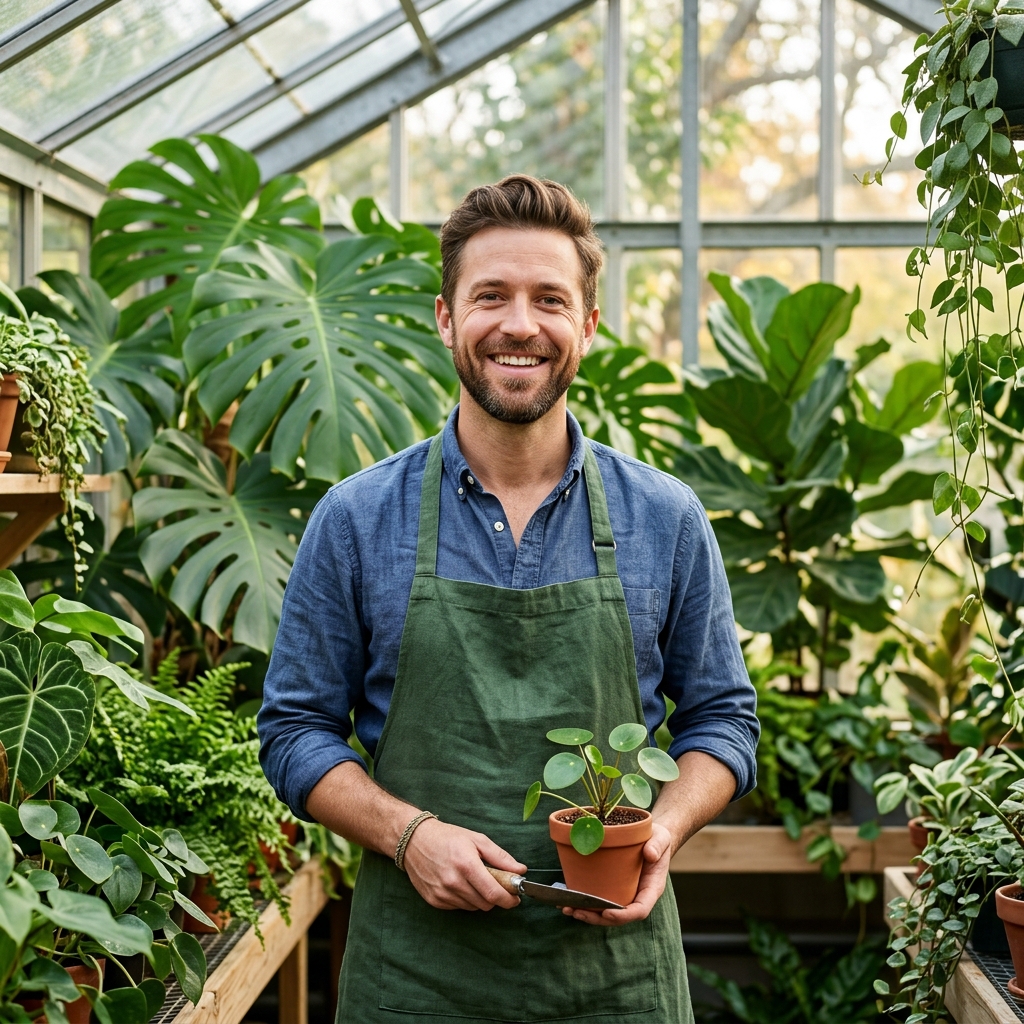
Are your plants looking more like a science experiment gone wrong than a flourishing garden? You’re not alone! Many gardeners face common garden problems that can turn a vibrant oasis into a patch of despair. But don’t worry—this article is your ultimate guide to overcoming these challenges with confidence. Whether it’s pesky pests, stubborn weeds, or wilting leaves, we’ve got the solutions you need to revive your garden and reclaim your green thumb. Imagine strolling through your yard, surrounded by healthy blooms and lush greenery, knowing you’ve conquered every hurdle along the way. By understanding and addressing these 17 prevalent issues, you’ll not only enhance your gardening skills but also enjoy the satisfaction of a thriving landscape. So, let’s dig into these common garden problems and discover how to fix them, ensuring your outdoor haven flourishes like never before!
Identifying and Treating Pest Infestations
Identifying and treating pest infestations requires a keen eye and a strategic approach to manage the problem effectively. Common signs of an infestation include droppings, gnaw marks, and unusual sounds, which can indicate the presence of rodents, for example. Visual inspections are crucial; look for nests, webs, or even the pests themselves in areas like attics or basements. Once identified, treatment options vary depending on the type of pest. For instance, cockroaches may require the use of baits and insecticide sprays, while bed bugs often necessitate heat treatments or thorough steam cleaning of infested areas, including bedding and furniture. Integrated Pest Management (IPM) strategies, which combine sanitation, exclusion, and chemical methods, can effectively reduce pest populations while minimizing environmental impact. Regular monitoring and maintaining cleanliness are critical preventative measures, as clutter can provide harborage for pests. By employing these identification techniques and treatment methods, homeowners and professionals can work toward eradicating infestations and ensuring a healthier living environment.

Preventing and Managing Fungal Diseases
Preventing and managing fungal diseases is crucial for maintaining both plant health and human well-being. Effective prevention begins with cultural practices, such as selecting disease-resistant plant varieties and ensuring proper spacing to enhance air circulation, which reduces humidity levels that favor fungal growth. Regularly monitoring plants for early signs of infection is vital; for instance, spotting powdery mildew on leaves early can allow for timely intervention. In terms of management, applying fungicides can be effective, but it’s essential to choose products that are appropriate for the specific fungus and to follow application guidelines meticulously to prevent resistance development. Incorporating biological control methods, such as utilizing beneficial fungi like Trichoderma, can also help suppress pathogenic species without harming the ecosystem. For human health, maintaining good hygiene practices, such as keeping living areas dry and well-ventilated, can minimize the risk of fungal infections like athlete’s foot or candidiasis. Overall, a proactive and informed approach to both prevention and management can significantly mitigate the impact of fungal diseases in various contexts.

Solving Soil Compaction for Healthier Roots
Soil compaction is a significant barrier to healthy root development, as it restricts the flow of air, water, and nutrients essential for plant growth. This issue often arises in high-traffic areas or heavy clay soils, where the weight of vehicles and foot traffic compresses the soil particles, creating a dense layer that roots struggle to penetrate. To address this, practices such as aeration can be employed, which involves using a mechanical device to create holes in the soil, allowing roots to access vital resources more easily. Additionally, incorporating organic matter like compost can improve soil structure and promote better drainage, further alleviating compaction. For example, in a backyard garden, regularly rotating plant locations and maintaining mulch layers can reduce soil pressure while enhancing microbial activity, which naturally aerates the soil. By prioritizing these methods, gardeners and landowners can promote healthier root systems, leading to more robust plant growth and improved overall soil health, which benefits the entire ecosystem. Addressing soil compaction is not just about plant health; it’s a crucial step toward sustainable land management.

Addressing Nutrient Deficiencies in Plants
Addressing nutrient deficiencies in plants is crucial for ensuring optimal growth and productivity. Nutrient deficiencies can manifest in various ways, such as yellowing leaves due to nitrogen deficiency or stunted growth from a lack of phosphorus. To effectively address these issues, it’s essential to first identify the specific deficiency through visual symptoms or soil testing. For instance, a magnesium deficiency might present as interveinal chlorosis, where the leaf veins remain green while the surrounding tissue turns yellow. Once identified, solutions can be implemented, such as applying a balanced fertilizer or an organic amendment like compost, which provides a slow release of essential nutrients. Additionally, foliar sprays containing micronutrients can quickly rectify deficiencies, especially in high-demand periods of plant growth. Regular monitoring and soil testing can help maintain an appropriate nutrient balance, preventing future deficiencies. For example, adding lime not only adjusts soil pH but also supplies calcium and magnesium, promoting overall plant health. By proactively managing nutrient levels, gardeners and farmers can ensure robust plant development and increased yields.

Combatting Weeds Effectively and Efficiently
Combatting weeds effectively and efficiently requires a strategic approach that incorporates cultural practices, mechanical methods, and chemical interventions. One effective cultural practice is maintaining healthy soil through regular aeration and the addition of organic matter, which can promote robust plant growth that outcompetes weeds. For instance, planting dense ground covers, such as clover or creeping thyme, can suppress weed emergence by blocking sunlight and reducing available space for weed seeds to germinate. Mechanical methods, like regular mowing or hand-pulling, can be efficient in controlling annual weeds before they set seed, while mulching with organic materials not only conserves moisture but also serves as a barrier to weed growth. When chemical methods are necessary, selecting the appropriate herbicide—whether pre-emergent to prevent seeds from germinating or post-emergent to target existing weeds—can drastically reduce weed populations. However, it’s crucial to follow application guidelines to minimize environmental impact and resistance development. By integrating these methods into a holistic weed management plan, gardeners can create an efficient system that limits competition and promotes healthier landscapes.

Fixing Poor Drainage in Your Garden
Fixing poor drainage in your garden is essential for promoting healthy plant growth and preventing root rot. Start by assessing the area to identify low spots where water tends to pool; these are prime candidates for drainage issues. Consider installing a French drain, which consists of a trench filled with gravel and a perforated pipe that redirects excess water away from your garden. Additionally, amending the soil with organic matter, such as compost or well-rotted manure, can significantly improve drainage by enhancing soil structure and increasing its ability to absorb water. If your garden has heavy clay soil, creating raised beds can also help, as they elevate the plant roots above the soggy ground, allowing for better aeration and drainage. Incorporating contouring techniques, such as swales or berms, can direct water flow and prevent erosion while improving drainage. Regularly monitoring your garden after heavy rains will help you identify persistent issues, enabling you to make adjustments and ensure that your plants thrive in a well-drained environment.

Controlling Invasive Plant Species
Controlling invasive plant species is a critical aspect of maintaining ecological balance and protecting native biodiversity. Invasive species, such as kudzu in the southeastern United States or purple loosestrife in wetlands, can outcompete native plants for resources, leading to significant ecological disruptions. Effective control methods often include mechanical removal, such as cutting or pulling plants, which can be labor-intensive but is essential for small infestations. For larger areas, herbicide application may be necessary, although this requires careful consideration to minimize harm to surrounding flora and fauna. Biological control, utilizing natural predators or diseases specific to the invasive species, has shown promise; for instance, the introduction of the Galerucella beetle has helped manage purple loosestrife populations. Monitoring and early detection are key in these efforts, as swift action can prevent invasive species from establishing and spreading. Community involvement, through initiatives like local weed pulls or educational workshops, fosters awareness and empowers citizens to take part in controlling invasives, ensuring a collaborative approach to conservation efforts.

Reviving Plants from Overwatering Issues
Reviving plants from overwatering issues requires a careful assessment of the plant’s condition and a strategic approach to recovery. Overwatering often leads to root rot, which can be identified by yellowing leaves, wilting, or a musty smell emanating from the soil. To begin the revival process, it’s crucial to remove the plant from its pot and inspect the roots, trimming away any dark, mushy sections with sterile scissors. Once the healthy roots are identified, repotting the plant in fresh, well-draining soil can make a significant difference. For example, using a cactus mix or adding perlite to standard potting soil can improve drainage and prevent future issues. After repotting, allow the plant to rest in a warm, bright location but out of direct sunlight to minimize stress. It’s essential to adjust your watering routine, allowing the top inch of soil to dry out before the next watering, which helps prevent recurrence. With patience and proper care, many plants, such as pothos or succulents, can bounce back from the brink of overwatering, showcasing their resilience and beauty once more.

Protecting Plants from Extreme Weather Events
Protecting plants from extreme weather events, such as hurricanes, droughts, and frost, requires a combination of proactive strategies and adaptive measures. One effective approach is selecting plant varieties that are naturally resilient to specific conditions; for instance, drought-resistant species like succulents or native grasses can thrive in arid climates while minimizing water usage. Additionally, using protective coverings, such as frost cloths or burlap, can shield delicate plants from sudden temperature drops and harsh winds. Implementing mulching techniques helps retain soil moisture during heatwaves and reduces temperature fluctuations, creating a more stable environment for root systems. Moreover, creating windbreaks with strategically placed trees or shrubs can reduce wind speed and protect more vulnerable plants from damage. For areas prone to flooding, raised garden beds can prevent root rot by allowing excess water to drain away. By combining these methods, gardeners can significantly enhance their plants’ resilience against unpredictable weather, ensuring a healthier and more sustainable garden ecosystem. Understanding local climate patterns and choosing the right interventions is crucial for maintaining plant health in the face of climate change.

Managing Plant Growth with Pruning Techniques
Managing plant growth through pruning techniques is essential for promoting healthy development and maximizing yield. Pruning involves selectively removing parts of a plant, such as branches, leaves, or roots, to enhance its growth patterns and overall vitality. For instance, in fruit trees like apple or cherry, timely pruning encourages better air circulation and sunlight penetration, which are crucial for fruit production. Techniques such as thinning, where excess branches are removed, help prevent overcrowding and disease, allowing the remaining branches to thrive. Additionally, heading back—cutting back stems to a bud or lateral branch—can stimulate new growth and flowering in shrubs like hydrangeas. It’s important to prune at the right time; for example, late winter or early spring is ideal for many deciduous trees, while summer pruning can control the size of evergreens. By understanding the specific needs and growth habits of different plants, gardeners can effectively use pruning to shape their gardens, leading to more robust plants and a more aesthetically pleasing landscape.

Diagnosing and Treating Leaf Discoloration
Diagnosing and treating leaf discoloration involves a systematic approach to identify the underlying causes, which can range from nutrient deficiencies to pest infestations. For instance, yellowing leaves may indicate a nitrogen deficiency, commonly seen in older leaves of plants like tomatoes, where the lower leaves turn yellow while the upper foliage remains green. To address this, applying a balanced fertilizer can help restore nutrient levels. In contrast, browning leaf tips often point to underwatering or excessive salt buildup in the soil, particularly in houseplants like peace lilies; in such cases, flushing the soil with water can alleviate the issue. Additionally, leaf spot diseases, characterized by dark or discolored patches, require careful observation and sometimes the application of fungicides to prevent further spread. It’s essential to examine the environmental conditions as well, since inadequate sunlight or overly humid conditions can exacerbate these problems. Regular monitoring and appropriate cultural practices, such as proper watering and pruning, play a crucial role in maintaining plant health and preventing future discoloration issues.

Preventing Animal Damage in Your Garden
Preventing animal damage in your garden requires a mix of strategic planning, physical barriers, and sometimes, a touch of creativity. For instance, installing a sturdy fence at least three feet high can deter rabbits and deer, but it’s essential to bury the bottom of the fence a foot underground to prevent digging. Additionally, using netting or row covers can protect young plants from birds and insects while allowing sunlight and rain to nourish them. Employing natural deterrents, like planting strong-smelling herbs such as lavender or rosemary, can also help repel animals; the scent may discourage them from venturing too close. Moreover, motion-activated sprinklers not only water your garden but also scare off curious critters with a sudden burst of water. Regularly cleaning up fallen fruit and vegetables is vital, as these can attract unwanted wildlife. Ultimately, understanding the specific animals that pose a threat to your garden enables you to tailor your prevention strategies effectively, ensuring a thriving and damage-free environment for your plants.

Ensuring Proper Pollination for Fruit Set
Ensuring proper pollination is crucial for successful fruit set in many flowering plants, particularly in fruit-bearing species. Effective pollination occurs when pollen from the male part of a flower fertilizes the ovule in the female part, leading to the development of fruit. For instance, apple trees often require cross-pollination with a different cultivar to achieve optimal fruit set, as their flowers are self-incompatible. This is where introducing pollinators, such as bees, becomes essential; honeybees are particularly effective due to their foraging behavior and ability to transfer pollen between flowers. Additionally, environmental factors play a significant role; temperature and humidity can influence pollinator activity and pollen viability. Therefore, maintaining a suitable habitat with diverse flowering plants can enhance pollinator populations, which in turn supports fruit set. Gardeners and farmers can also employ techniques such as hand pollination, especially in controlled environments like greenhouses, to ensure that plants receive the necessary pollen, particularly when natural pollinator activity is low. Understanding these dynamics is vital for maximizing yield in fruit production.

Fixing Uneven Sunlight Exposure for Plants
Fixing uneven sunlight exposure for plants is essential for their overall health and growth, as inconsistent light can lead to stunted growth and poor flowering. One effective method is to rotate potted plants regularly; for instance, turning a houseplant like a peace lily every week ensures all sides receive equal light, reducing the risk of leggy growth on the side facing away from the window. Additionally, for outdoor gardens, consider strategic placement of taller plants to create partial shade for sun-sensitive species, allowing them to thrive without direct afternoon sunburn. Using reflective materials, such as white walls or aluminum foil, can enhance light distribution by bouncing sunlight toward shaded areas, which is particularly beneficial for plants like orchids that prefer bright, indirect light. If the uneven exposure is due to natural obstructions, such as trees or buildings, selectively pruning nearby foliage can improve sunlight access. Finally, utilizing grow lights can supplement natural light, especially during winter months, ensuring that all plants receive the necessary light spectrum for photosynthesis, thus promoting healthier growth across the board.

Managing Container Gardening Challenges
Managing container gardening challenges involves understanding the unique needs of plants grown in limited soil space while addressing environmental factors. For instance, proper drainage is crucial as containers can retain excess water, leading to root rot. Utilizing pots with drainage holes and adding materials like gravel at the base can enhance water management. Additionally, nutrient depletion is a common issue since plants in containers rely on the soil for sustenance; therefore, regular fertilization with a balanced fertilizer, such as a liquid seaweed solution, every few weeks can maintain healthy growth. Sunlight exposure also plays a vital role; placing containers in spots that receive adequate sunlight, while considering seasonal changes, ensures plants thrive. Furthermore, pests and diseases can spread quickly in container gardens, so implementing companion planting, like pairing marigolds with vegetables, can deter harmful insects. Regular monitoring of moisture levels and adjusting watering schedules based on plant requirements and weather conditions will further mitigate challenges. By proactively addressing these factors, gardeners can create a flourishing container garden that thrives despite its limitations.

Creating a Pest-Resistant Garden Design
Creating a pest-resistant garden design requires a strategic approach that harmonizes plant selection, layout, and maintenance practices to minimize pest issues naturally. One effective method is to incorporate companion planting, where certain plants are grown together to deter pests; for instance, marigolds can repel nematodes and aphids while enhancing the health of neighboring vegetables. Additionally, designing the garden with diversity in mind not only attracts beneficial insects but also disrupts pest life cycles; a mix of flowering plants alongside crops can encourage pollinators and predatory insects like ladybugs, which feed on aphids. Implementing physical barriers, such as row covers or insect netting, can also protect vulnerable plants from specific pests without the need for chemical interventions. Furthermore, considering the placement of plants based on their susceptibility to pests can enhance resilience; for example, grouping plants with similar water and light needs reduces stress, making them less attractive to pests. Regularly rotating crops and practicing good sanitation by removing debris can further decrease pest populations, creating a sustainable, thriving garden ecosystem.
 Enhancing Soil Health for Sustainable Growth
Enhancing soil health is a critical component of sustainable growth, as it directly influences plant productivity and ecosystem balance. Healthy soil is rich in organic matter, which improves its structure and nutrient-holding capacity, fostering a thriving environment for beneficial microorganisms. For instance, incorporating cover crops like clover or vetch can enhance soil fertility by fixing nitrogen and preventing erosion, while also improving water retention. Additionally, practices such as crop rotation and reduced tillage can enhance soil biodiversity, creating a resilient ecosystem that can better withstand pests and diseases. The application of organic amendments, such as compost or biochar, not only replenishes essential nutrients but also increases soil carbon storage, mitigating climate change impacts. Moreover, employing mulching techniques can help conserve moisture and suppress weeds, further contributing to healthier soil. By prioritizing soil health, farmers and land managers can ensure sustainable agricultural practices that yield higher productivity and promote ecological balance, ultimately leading to long-term food security and environmental stewardship.
