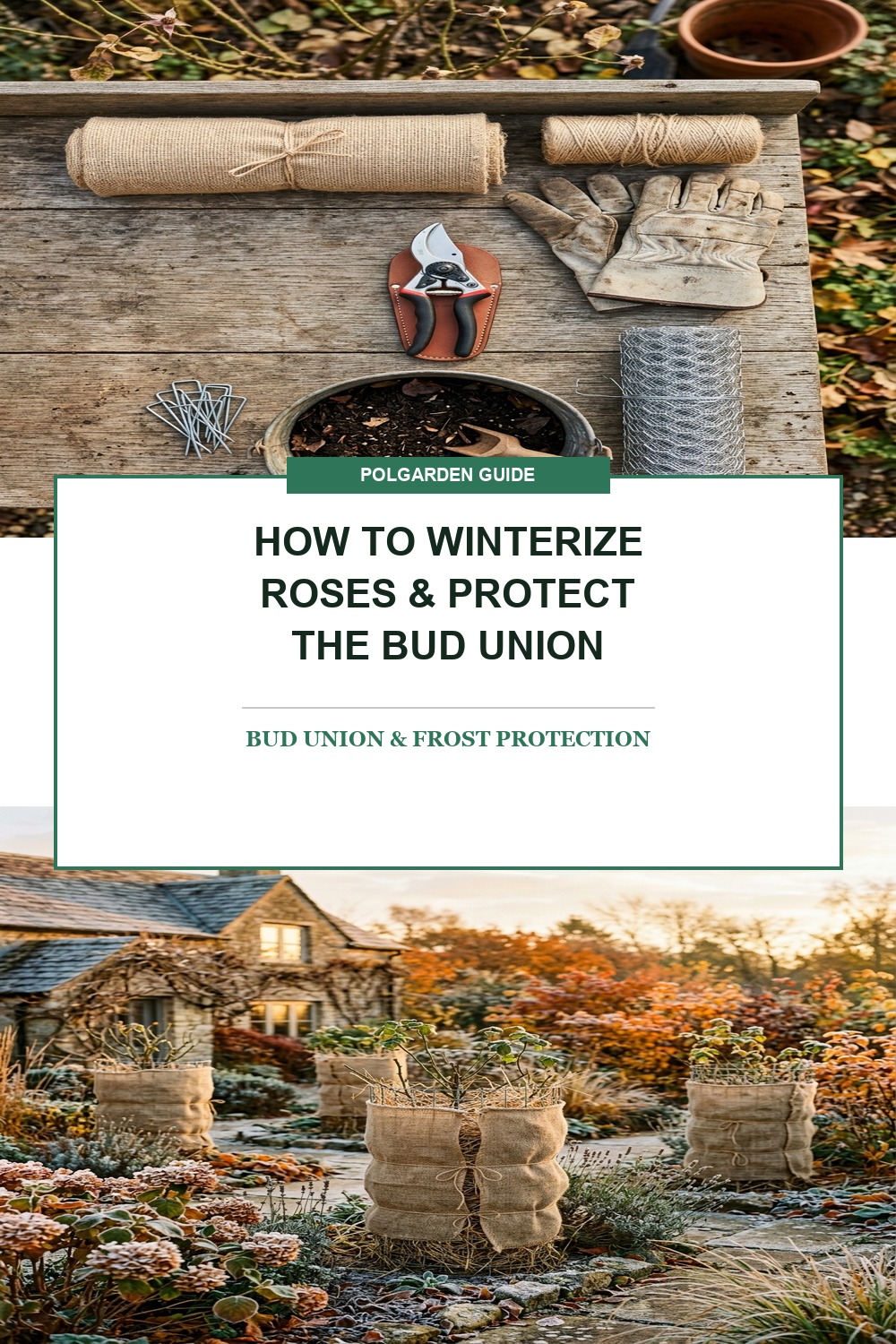
When the first freezing autumn temperatures arrive, tender hybrid tea, grandiflora, and floribunda roses face severe winter perils: dehydrating northern winds, sub-zero freeze-thaw cycles that heave root crowns, and catastrophic cane dieback. Grafted roses are particularly vulnerable because if winter freezes kill the plant down below the swollen bud union, the vigorous cultivar is lost forever and only wild rootstock will emerge in spring. By executing this proven 4-step rose winterizing protocol, you will insulate the graft union, shield vulnerable canes from desiccating winter winds, and ensure vigorous, disease-free spring blooms.
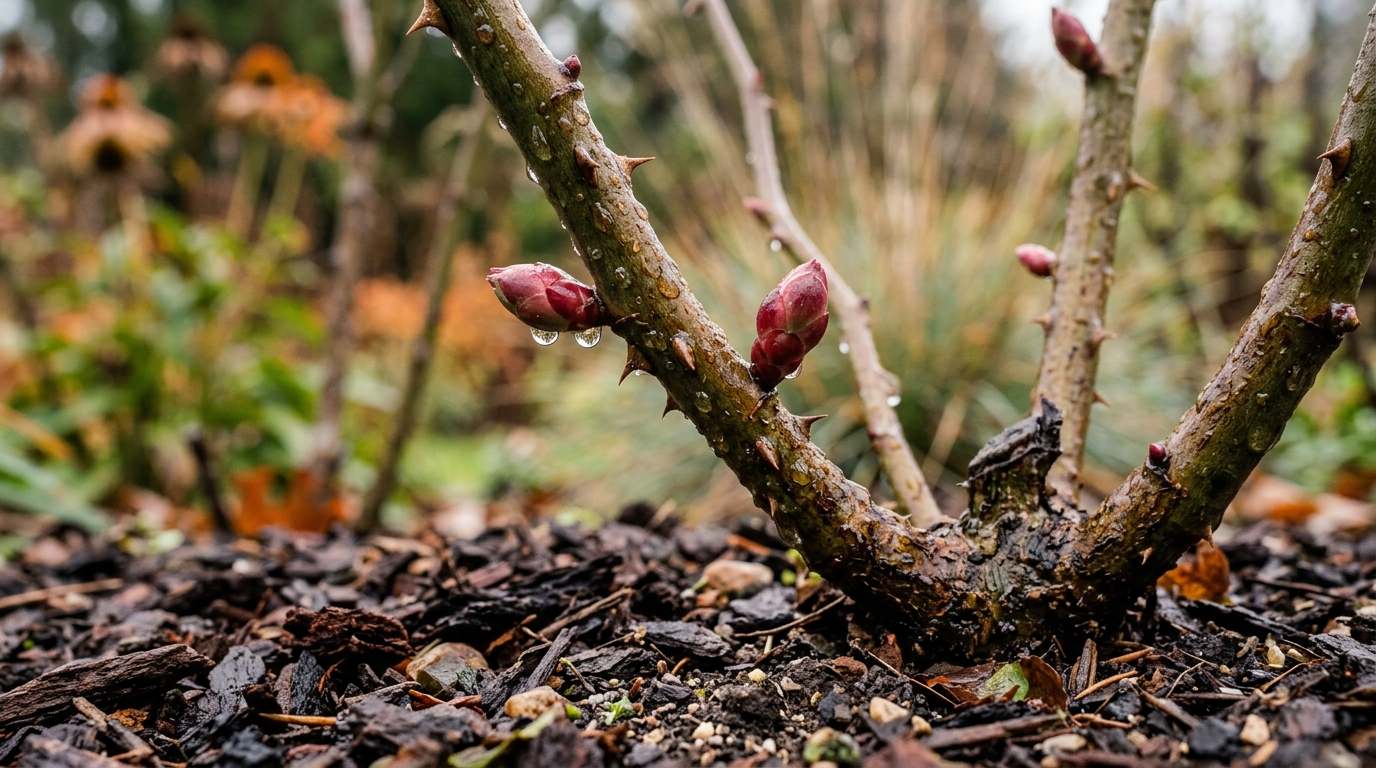
Unlike hardy native shrub roses or rugosas that tolerate deep sub-zero winters unaided, modern hybrid varieties require deliberate seasonal preparation. Cold weather damage is rarely caused by low temperatures alone; rather, repeated midwinter thawing followed by sudden plunge freezes splits fragile cane bark, allowing opportunistic fungal pathogens to enter. Creating a stable microclimate around the base ensures dormant cells remain asleep until sustained spring warmth returns.
- Difficulty: Beginner to Intermediate
- Optimal Timing: After 2 to 3 consecutive hard frosts (temperatures consistently dipping below 28°F / -2°C)
- Primary Defense Target: The swollen graft union (bud union) situated at or just below ground level
- Essential Materials: Quality compost or garden soil, natural burlap, jute twine, wire mesh, bypass shears
- Expected Spring Result: Zero crown dieback, intact scaffold canes, and explosive early-season bud breaks
Why Winter Rose Protection Matters
Understanding the physiological mechanics of rose dormancy helps prevent the most common winter losses:
- Preserving the Graft Union: Most popular garden roses are grafted cultivars fused onto hardy rootstock like Rosa multiflora. If freezing temperatures destroy tissue down past this union, your prized fragrant blooms are permanently replaced by invasive, suckering wild briars.
- Preventing Winter Desiccation: Freezing winds continuously wick moisture from exposed green canes while frozen subsoil prevents roots from drawing replacement water. Shrouding canes minimizes transpiration water loss.
- Stopping Bark Splitting: Warm winter sunshine warms dark rose canes, causing sap to flow prematurely. When nightfall brings sudden sub-zero freezes, expanding sap ruptures cane vascular walls, causing black necrosis and fungal dieback.
- Eliminating Overwintering Black Spot: Thorough autumn sanitation removes diseased fungal spores before winter snow traps them against spring shoots.
Essential Rose Winterizing Supplies
Assemble these professional protective supplies before the ground freezes solid:

- Imported Soil or Finished Compost: Never scrape soil from around the rose base (which exposes shallow feeder roots). Always bring in 1 to 2 buckets of fresh topsoil or finished leaf mold per bush.
- Heavy Leather Rose Gauntlets: Long-cuff thorn-resistant gloves protect hands and forearms during tight cane bundling.
- Sharp Bypass Pruners: Sterilized shears produce clean cuts that seal quickly without crushing delicate cambium layers.
- Natural Burlap & Jute Twine: Breathable, biodegradable burlap blocks howling winter gusts while allowing moisture vapor to escape freely. Never use impermeable plastic sheeting!
- Galvanized Wire Mesh / Hardware Cloth: Creates an upright cylindrical frame around the bush to contain insulating mulch.
The 4-Step Rose Winterizing Walkthrough
Follow this systematic walkthrough once deciduous shrubs drop their leaves and autumn frosts trigger true dormancy:
Step 1: Autumn Cleanup & Hard Freeze Timing
Resist the urge to winterize prematurely during warm October spells. Early mounding traps residual ground heat and can trick dormant buds into putting out tender growth that will freeze black. Wait until several hard frosts have occurred and the rose has shed its foliage. Rake away and dispose of all fallen leaves and spent petals beneath the bush—never add black-spot-infected rose debris to your compost pile.
Step 2: Clean Cane Pruning & Wind Tying
Perform only preventative pruning in autumn. Do not prune roses hard in fall; save structural shaping for early spring when you can assess winter tip dieback. Instead, trim back unusually tall, whippy canes to roughly 3 to 4 feet in height to prevent winter wind from whipping the root ball loose (a condition known as “wind rocking”). Loosely bundle the remaining canes together with soft jute twine to minimize wind resistance and facilitate cage installation.

Step 3: Mounding Soil Over the Graft Union
Mounding is the single most vital defense for grafted roses in USDA Zones 4 through 7. Shovel imported garden soil or compost gently over the center of the plant, building a conical mound 10 to 12 inches high. This insulating thermal blanket guarantees that even if extreme -20°F temperatures kill the upper exposed canes, the bud union and lower basal nodes remain safely insulated and ready to surge with vigorous new canes in April.
Step 4: Erecting the Burlap Cage & Protective Stuffing
For severe cold regions (Zones 4-6) or windy exposed beds, erect a circular wire mesh cylinder around each mounded bush, securing it with landscape pins. Wrap the exterior of the wire cylinder in two layers of natural burlap and tie securely with jute twine. Fill the interior loosely with clean wheat straw, pine needles, or shredded oak leaves. This permeable barrier breaks freezing gales, shades canes from scorching winter sun, and prevents wildlife from gnawing tender green bark.
3 Master Rosarian Secrets for Perfect Overwintering
Elevate your winter care with these time-tested professional strategies:
1. Stop Nitrogen Fertilization in Late Summer: Cease feeding roses with high-nitrogen fertilizers by mid-August. Late-season feeding stimulates succulent soft shoots that cannot harden off before winter, inviting widespread crown dieback.
2. Allow Rose Hips to Form: Stop deadheading spent blooms after September. Allowing the plant to develop colorful seed pods (rose hips) signals to the botanical vascular system that flowering is complete and triggers rapid cellular lignification (hardening of wood).
3. Hydrate Thoroughly Before the Ground Freezes: In late autumn before hard frost locks the soil, give each rose bush a deep, 5-gallon soak. Evergreens and roses enter winter far stronger when their root crowns are fully hydrated, preventing rapid cellular freeze-drying.
Winter Shielded Rose Garden in Action
Witness how thoughtful protective structures keep cottage rose gardens serene and secure throughout sub-zero winters:

Spring Unwrapping & Awakening Protocol
Timing spring removal is just as critical as autumn installation:
- Watch for Forsythia Blooms: A reliable botanical indicator for removing winter protection is when yellow forsythia bushes begin blooming in your neighborhood.
- Dismantle in Stages: Remove burlap cages and straw mulch first on an overcast day so tender canes are not shocked by intense spring sun.
- Gently Wash Away the Mound: Use a gentle garden hose stream or hands to wash down the soil mound gradually, exposing the green canes. Doing this slowly prevents accidentally snapping fragile new growth buds.
- Execute Spring Pruning: Cut away any dead, blackened, or frost-damaged tips down to healthy green wood just above an outward-facing bud.
Frequently Asked Questions
Should I prune my roses down to 12 inches before winter?
No. Hard pruning should strictly be reserved for spring. Cutting roses severely in autumn can stimulate new growth before a freeze, and any natural winter cane dieback would penetrate dangerously close to the root crown. Leave 3 to 4 feet of cane intact until spring.
Can I use Styrofoam rose cones for winter protection?
Rose cones can work in very cold northern climates, but they present significant risks on sunny midwinter days. Heat builds up inside like a mini-greenhouse, breaking dormancy prematurely. If you use cones, always punch ventilation holes near the top and remove them as soon as daytime temperatures moderate.
Do Knock Out and shrub roses need winterizing?
Own-root shrub roses and Knock Out roses are naturally hardier than grafted hybrid teas and rarely require burlap wraps in Zones 5-8. However, applying a 3- to 4-inch layer of clean compost mulch around their crown prevents frost heaving and enriches soil for spring.
Related Autumn Garden Preparation Guides
Complete your seasonal garden winterization checklist with our detailed step-by-step masterclasses:
- How to Winterize Fruit Trees: The 4-Step Trunk Wrap, Pest Band & Root Protection Guide
- How to Winterize Rain Barrels: The Complete Freeze-Proofing & Drainage Blueprint
- How to Plant Garlic in Fall: The Complete Cloves, Soil & Straw Mulch Guide
- How to Winterize Strawberry Plants: The 4-Step Crown Protection & Mulch Masterclass
- How to Overwinter Dahlia Tubers: The Complete Digging, Curing & Cellar Storage Guide
Pin This Rose Winterizing Guide for Later
Save this visual blueprint to your Gardening or Rose Care Pinterest board so you have the step-by-step mounding and burlap wrapping instructions ready every autumn!