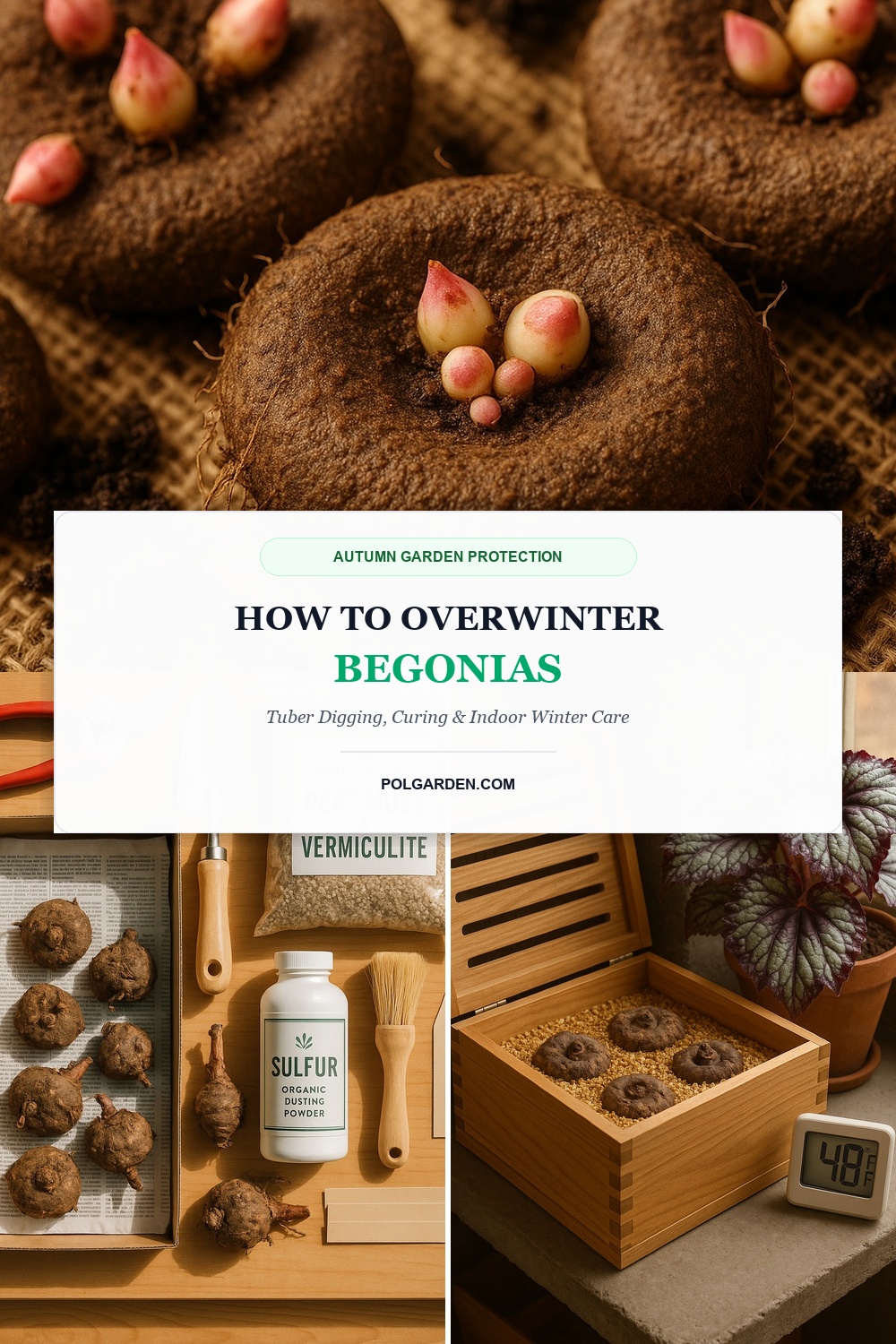
With their voluptuous rose-like ruffled blossoms, intoxicating cascading habits, and magnificent spectrum of radiant scarlet, apricot, lemon, and porcelain petals, tuberous begonias (Begonia × tuberhybrida) stand as the undisputed royalty of summer shade gardens and hanging baskets. Yet beneath their opulent summer glory lies an extreme vulnerability to cold weather: begonias possess fleshy, water-dense stems and succulent underground storage tubers that cannot survive sub-freezing soil. In cold temperate zones, leaving begonia tubers in outdoor containers or garden beds after frost arrives turns them into mushy, rotting sponges within days. Fortunately, learning how to overwinter begonias is one of the most rewarding and reliable autumn gardening skills: by carefully lifting, air-curing, and storing their dormant tubers in cool darkness, you can preserve your prized cultivars for a decade or more while saving money every single spring.
Understanding which type of begonia you grow is the secret to winter success, because different species require fundamentally different winter care protocols. Tuberous begonias—the large-flowered showstoppers grown in hanging planters and shaded patio pots—naturally enter obligatory winter dormancy: their top foliage dies back, and the plant retreats entirely into its underground saucer-shaped tuber until warm spring temperatures return. By contrast, fibrous-rooted wax begonias (Begonia semperflorens) and foliage-forward Rex begonias (Begonia rex-cultorum) do not produce subterranean tubers and will never survive dry box storage. These fibrous varieties must be overwintered as active indoor potted houseplants or propagated from fall stem cuttings on a bright windowsill, just like overwintering coleus indoors. For tuberous varieties, following a precise sequence of post-frost harvesting, drying, and moisture-controlled packing ensures 100% winter survival.
Why You’ll Love Overwintering Begonias
- Tubers Grow Bigger and Better with Age: Unlike annual flowers that must be bought anew every May, begonia tubers increase in size year after year, producing exponentially more flower stems and larger blossom heads each season.
- Zero Expensive Greenhouse Equipment: Dormant begonia tubers require zero supplemental grow lights, no daily watering, and no heated space—they rest quietly in dry medium on a cool basement shelf.
- Huge Financial Savings: High-end named tuberous begonia varieties, double-ruffled picotees, and trailing pendula cultivars retail for $8 to $18 per potted plant; saving a dozen tubers keeps nearly $200 in your pocket.
- Early Spring Flowering Head-Start: Waking your cured tubers indoors on a heat mat in March gives you robust blooming plants ready to burst onto shaded porches weeks ahead of nursery stock.
Key Supplies & Pre-Winter Prep Station

Assemble your autumn begonia lifting toolkit before freezing nighttime temperatures strike:
- Stainless Steel Hand Trowel or Hand Fork: Gentle hand tools are essential to excavate around pot rims or flower borders without cutting or puncturing the soft begonia tubers.
- Sanitized Bypass Pruners: Sharp shears disinfected with isopropyl alcohol to trim brittle autumn stems without tearing basal tissue.
- Dry Horticultural Vermiculite or Peat Moss: The gold standard packing medium for dormant tubers. Vermiculite provides supreme moisture buffering and insulation while preventing fungal spore transmission.
- Shallow Cardboard Trays or Wooden Slatted Crates: Breathable storage containers with ventilation holes. Never store tubers in sealed plastic bins, as trapped moisture creates gray botrytis mold. Similar breathable airflow is essential when overwintering caladium bulbs.
- Organic Sulfur Dusting Powder: An organic mineral antifungal dust that protects healing stem scars from post-harvest fungal infection.
- Kraft Plant Labels & Soft Pencil: Write cultivar names and flower colors on paper tags and store each variety separately to avoid springtime planting mix-ups.
Step-by-Step Walkthrough to Overwinter Tuberous Begonias
1. Step One: Timing & The First Light Autumn Frost: Timing is everything when preparing begonias for winter. In late September or October, reduce watering gradually as autumn temperatures cool to signal the plant to wind down active growth. Leave your begonias outside until the first very light autumn frost nips the outer foliage. A light frost that touches the top leaves sends a rapid chemical cue that triggers the plant to withdraw remaining nutrients and sugars down into the tuber. Immediately after this first light frost—or right before a hard ground freeze below 28°F (-2°C)—bring potted containers onto a covered porch or begin lifting garden tubers.
2. Step Two: Gentle Lifting & Stem Trimming: If your begonias are planted in garden beds, insert your hand trowel 6 to 8 inches away from the base of the stems, gently levering the soil upward to lift the entire root clump without gouging the tuber. For potted begonias, tip the container sideways and gently slide the root ball out. Using your sanitized pruners, cut the fleshy stems back to roughly 1 to 2 inches (2.5 to 5 cm) above the tuber surface. Crucial caution: Do not attempt to snap or pull the stems off flush with the tuber at this stage; doing so tears the tender growth crown and introduces rot. The remaining stem stub will dry up and detach naturally during curing.

3. Step Three: The Crucial 2-to-3 Week Curing Phase: Spread the lifted tubers in a single layer on sheets of dry newspaper, cardboard, or wire drying racks in a warm, dry, frost-free location with excellent air circulation (such as a garage, porch, or utility room) between 60°F and 70°F (15°C to 21°C). Allow them to air-cure undisturbed for 2 to 3 full weeks. During this critical curing window, the outer skin of the tuber hardens, the clinging garden soil dries into powdery dust that can be brushed off with a soft paintbrush, and the remaining 2-inch stem stub will completely dry out and separate cleanly with a gentle sideways nudge. Never wash tubers with water, as excess moisture trapped in the concave top invites bacterial soft rot.
4. Step Four: Packing in Vermiculite & Cool Cellar Storage: Once cured and cleaned, inspect each tuber thoroughly. Dust any cut surfaces or the stem detachment scar lightly with organic sulfur powder. Pour a 2-inch bed of bone-dry horticultural vermiculite, coarse perlite, or dry peat moss into a cardboard box or wooden crate. Arrange the tubers in a single layer, ensuring that no two tubers touch one another. Position each tuber slightly tilted or concave-side down so that any moisture condensation cannot collect in the natural hollow depression on the tuber top. Cover with another 2 inches of vermiculite. Transfer the box to a cool, dark, dry storage space maintained consistently between 45°F and 50°F (7°C to 10°C), such as an unheated basement, root cellar, or insulated closet. This matches the storage conditions recommended in our guide to overwintering canna lilies and storing dahlia tubers.
3 Botanist Secrets for Zero-Rot Begonia Survival
1. The Concave “Cup” Angle Rule: Tuberous begonia bulbs have a distinct saucer shape: the top surface features a concave hollow indentation where previous stems emerged, while the bottom is rounded. In nature, water collects easily in this upper cup. When packing tubers for winter dormancy, always place them tilted at a 45-degree angle or inverted with the concave cup facing sideways. This guarantees that any slight ambient condensation drains away rather than pooling inside the crown, eliminating the primary cause of crown rot.
2. Monthly Squeeze Test for Humidity Calibration: Check your stored begonia tubers once every 4 weeks throughout the winter. Gently pinch the side of a tuber between your thumb and index finger: it should feel firm and solid, similar to a crisp autumn apple. If the tuber feels slightly soft, rubbery, or wrinkled, the storage room air is overly dry; mist the top surface of the vermiculite very lightly with water (avoiding direct tuber contact). If a tuber feels squishy or emits an odor, remove and discard it immediately before rot spreads to neighboring tubers.
3. The “In-Pot” Lazy Overwintering Method: If your tuberous begonias grow in containers and you have cool indoor storage space, you can skip digging altogether! After the foliage dies back following the first light frost, cut stems back to soil level and stop watering completely. Allow the potting soil to dry out thoroughly over 2 weeks, then simply carry the entire container into your dark, cool basement (45°F to 50°F). The dry potting soil serves as a natural insulating cocoon for the dormant tuber until spring awakening.
How to Overwinter Wax & Rex Begonias Indoors (Active Houseplant Care)

Because fibrous-rooted wax begonias (Begonia semperflorens) and ornamental foliage Rex begonias do not produce dormant tubers, do not dig and store them dry. Instead, follow this active indoor transition protocol:
- Pest Quarantine & Wash: Before bringing outdoor potted begonias indoors in early autumn, inspect leaf undersides for spider mites, aphids, or mealybugs. Spray foliage thoroughly with an organic insecticidal soap or neem oil wash, exactly as outlined in our protocol for overwintering fuchsias.
- Bright Indirect Window Light: Place potted begonias in an east- or south-facing window that receives 4 to 6 hours of bright, filtered morning light. Avoid intense hot direct afternoon sun, which scorches tender begonia foliage.
- Careful Winter Watering: Begonias despise soggy root zones in winter. Allow the top 1 to 2 inches of potting soil to dry out completely before watering thoroughly, and always dump excess water from the drainage saucer. Stop all fertilizer applications until active spring growth resumes in March.
- Water-Propagation Backup Insurance: Take 4-inch stem cuttings of your favorite wax begonias in late September. Strip lower leaves and root them in a glass of water on a warm kitchen windowsill. Within 3 weeks, robust white roots will develop, giving you fresh, compact young plants ready for spring potting.
Spring Awakening & Re-Potting Protocol (March Revival)
When late winter daylight expands in March—roughly 6 to 8 weeks before your region’s average last spring frost date—wake your dormant tuberous begonias to get a huge seasonal head start:
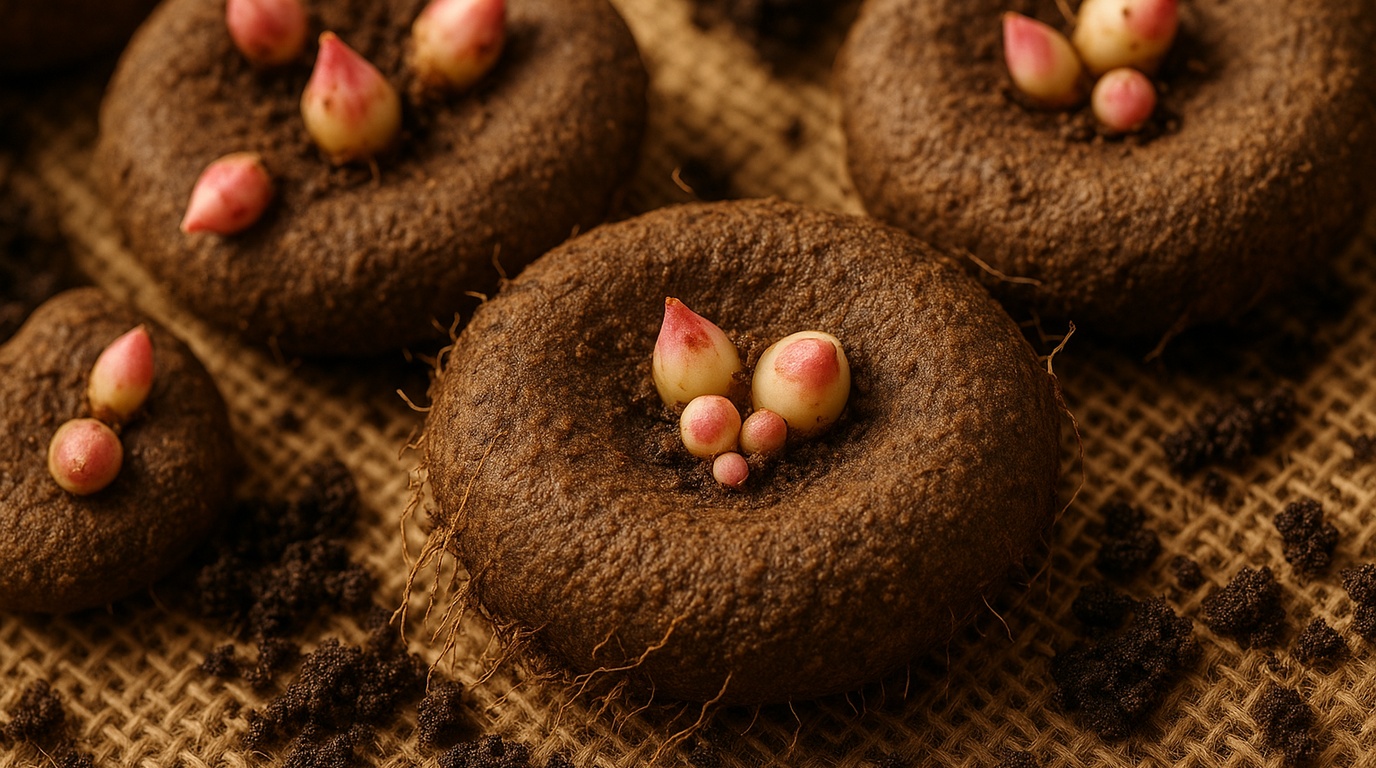
- Unpack & Inspect: Remove tubers from their winter vermiculite boxes. Look for tiny pink or reddish buds swelling inside the upper concave cup. Discard any damaged or soft tubers.
- Shallow Starting Trays: Fill shallow seed flats or 4-inch nursery pots with moist, peat-based potting soil mixed with perlite. Press tubers gently into the soil surface, concave hollow side UP, leaving the top rim of the tuber exposed or barely covered with 0.5 inches of soil.
- Gentle Bottom Heat & Moderate Light: Place the pots on a seedling heat mat calibrated between 70°F and 75°F (21°C to 24°C) under bright fluorescent or LED shop lights. Keep the soil slightly damp but never soggy. In 2 to 4 weeks, vigorous reddish-green shoots will surge upward.
- Outdoor Hardening Off in Late May: Once all danger of spring frost has passed and outdoor nighttime temperatures reliably exceed 55°F (13°C), harden off your rooted begonias over 10 days before planting into hanging baskets or shaded beds, matching the care routine for waking overwintered geraniums.
Frequently Asked Questions
Can begonias survive winter outdoors in the ground?
Hardy begonias (Begonia grandis) can survive outdoors down to USDA Zone 6 under thick winter mulch. However, popular tuberous begonias (Begonia × tuberhybrida) and wax begonias are tender perennials that cannot tolerate freezing soil and will turn to mush below 32°F (0°C).
When should I dig up begonia bulbs in the fall?
The ideal time to harvest begonia tubers is right after the first light autumn frost blackens the foliage. The chill triggers the plant to pump remaining starches into the tuber, priming it for winter dormancy without damaging the subterranean crown.
Which side of a begonia tuber faces up when replanting in spring?
Begonia tubers have a saucer-like indentation (concave cup) on the top where old stems were attached and new pink growth eyes emerge. Always plant the hollow concave side facing upward toward the light.
Why did my stored begonia tubers rot during winter?
Winter tuber rot is almost always caused by storing un-cured tubers with trapped moisture, using airtight plastic containers with poor air circulation, or storing in temperatures dipping below freezing. Ensuring a 2-week dry curing period and storing in breathable vermiculite at 45°F to 50°F prevents rot.
Save This Winter Garden Guide for Later
Love this guide? Save this pin to your Pinterest gardening, shade plant care, bulb storage, or autumn plant protection board so you have the 4-step begonia tuber digging, curing, and winter care blueprint ready whenever frost strikes!