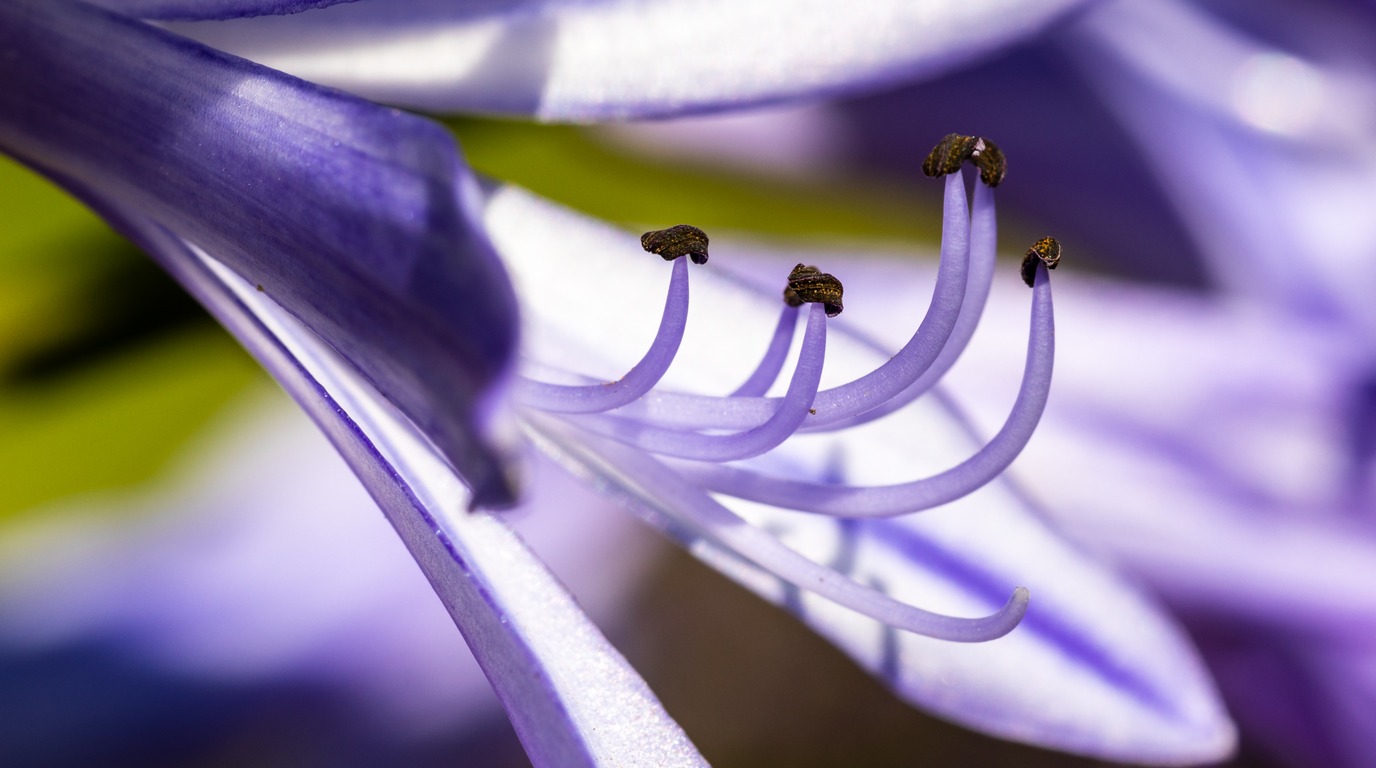
Crowning the summer garden with majestic globes of luminous sapphire, azure, and snow-white trumpet florets perched proudly atop sturdy, architectural stems, Agapanthus (commonly known as Lily of the Nile or African Lily) is the undisputed aristocrat of warm-season borders and Mediterranean-style patios. Native to the sun-drenched, well-drained slopes of Southern Africa, these sculptural perennials deliver months of hypnotic color while demanding remarkably little water once established. However, when autumn transitions toward freezing nights and penetrating winter gales, gardeners outside sub-tropical climates face an urgent botanical dilemma: Agapanthus possesses thick, fleshy rhizomatous roots and water-filled crown tissues that turn to gelatinous mush if frozen solid. Furthermore, many growers fail to recognize that Agapanthus varieties split into two distinct botanical categories—hardier deciduous hybrids that naturally lose their foliage, and tender evergreen types that retain lush foliage year-round and cannot tolerate sustained sub-freezing soil. Learning how to winterize Agapanthus properly—tailoring your defense between deep in-ground crown insulation and frost-free indoor container dormancy—is the definitive secret to protecting precious rhizomes and ensuring explosive, multi-headed floral displays next summer.
Unlike frost-proof northern perennials like hardy daylilies (Hemerocallis) or resilient hostas that comfortably survive sub-zero soil in USDA Zones 3 and 4, Agapanthus hardiness varies widely depending on genetics and growing conditions. Deciduous cultivars (such as ‘Headbourne Hybrids’ or ‘Northern Star’) can endure temperatures down to USDA Zone 6 (-10°F / -23°C) when planted in deep, fast-draining soil and heavily blanketed with mulch. Conversely, evergreen cultivars (such as ‘Peter Pan’ or ‘Queen Mum’) suffer irreversible leaf burn at 28°F (-2°C) and fatal crown necrosis below 20°F (-6°C). Potted specimens face double the danger: container soil cools to ambient air temperature within hours, subjecting roots to lethal freeze-thaw extremes. Just as with overwintering potted perennials outdoors and storing tender canna lily rhizomes, our comprehensive 4-step guide delivers foolproof solutions for both landscape beds and container collections.
Why You’ll Love This Agapanthus Winterization Blueprint
- Complete Deciduous vs. Evergreen Clarity: Never guess whether your specific Agapanthus cultivar should be cut back, mulched in place, or brought indoors.
- Zero Fleshy Rhizome Rot: Master the critical moisture-control rule that stops cold winter mud from rotting delicate fleshy root systems.
- Foolproof Container Overwintering: The exact temperature, light, and minimal hydration protocol to keep potted Agapanthus dormant without bud abortion.
- Maximum Summer Flower Induction: Understand how proper winter chilling triggers the formation of abundant flower spikes for next season’s display.
Key Tools & Autumn Supplies

- Bypass Hand Shears: Sharp scissor blades allow clean removal of spent flower stalks and yellowed deciduous foliage without tearing root collars. Sanitize with 70% rubbing alcohol.
- Dry Straw or Shredded Bark Mulch: Light, airy organic insulation that traps radiant subterranean warmth without compacting into water-saturated mats over the crown.
- Breathable Horticultural Fleece / Frost Cloth: Essential for covering evergreen rosettes during surprise early frosts without suffocating foliage or generating mold.
- Pot Mover or Plant Dolly: Crucial for transporting heavy ceramic or terracotta pots into sheltered winter storage quarters (unheated garage, shed, or cool sunroom).
The 4-Step Agapanthus Fall Winterization Walkthrough
Step 1: Identify Plant Type & Prune Spent Flower Scapes
Begin your autumn preparation in mid-fall before the first hard frost. First, identify your variety: Deciduous plants will naturally turn yellow and collapse as temperatures drop, while Evergreen types remain thick, strapping, and vibrant green. For all varieties, use clean bypass pruners to cut spent flower stalks (scapes) right down to the base of the crown. Cutting off old seed heads prevents the plant from wasting vital metabolic energy on seed production, redirecting sugars into the subterranean rhizome.

Step 2: Autumn Foliage Protocol (Deciduous vs. Evergreen)
Handle the foliage according to botanical classification:
• Deciduous Varieties: Allow late autumn frosts to turn the leaves yellow and limp. Once foliage has fully surrendered its chlorophyll, prune leaves back to 2 inches above the soil line and clear them away to prevent botrytis rot.
• Evergreen Varieties: Do not cut healthy green foliage! Evergreen leaves continue photosynthesizing on mild sunny winter days. Only remove damaged, brown, or mushy outer leaves at the soil line.
Step 3: Ground Bed Defense: Deep Crown Banking & Moisture Shield
If your deciduous Agapanthus are planted in the ground in USDA Zones 7 through 9, protect the crown before sustained freezing weather arrives. After the first light frost, pile a generous 6- to 8-inch mound of dry pine straw, horticultural grit, or shredded bark directly over the crown. In rainy winter regions (such as the Pacific Northwest or UK), place an inverted clay pot, wicker cloche, or plastic dome over the mulched crown. This creates a waterproof umbrella that prevents winter rain from saturating the dormant rhizome while keeping roots insulated.
Step 4: Container Care: Garage Dormancy & Minimal Winter Moisture
For all evergreen Agapanthus outside USDA Zone 9, and all potted Agapanthus in Zones 7 and below, transition containers into protective winter quarters:
• Storage Location: Move pots before temperatures drop below 32°F (0°C) into an unheated garage, shed, cold greenhouse, or enclosed porch where temperatures stay between 38°F and 48°F (3°C to 9°C).
• Strict Watering Diet: The golden rule of overwintering Agapanthus in pots is: keep them barely dry. Fleshy dormant rhizomes in cold, soggy potting soil will rot in under two weeks. Give them only a modest sip of water once every 4 to 6 weeks—just enough to prevent the root ball from shriveling completely.
3 Expert Secrets for Flawless Agapanthus Wintering
1. The Root-Bound Blooming Paradox: Agapanthus flowers best when roots are snugly bound inside their containers. When winterizing potted plants, resist the urge to divide or repot them in autumn! Disturbing fleshy roots right before winter dormancy invites fungal infection and will prevent flowering next season. Save division strictly for warm mid-spring when active root growth resumes.
2. Cool Dormancy Triggers Summer Blooms: Agapanthus requires a distinct period of cool, winter rest (between 40°F and 50°F / 4°C to 10°C) for 8 to 10 weeks to initiate floral bud differentiation. Do not bring potted plants into a warm, heated living room over winter—excessive warmth disrupts bud set and leads to lush foliage without a single flower stalk in summer!
3. Sharp Winter Drainage is Life: In-ground Agapanthus can survive astonishing cold snaps if the soil is gritty and dry, but they will perish quickly at mild freezing temperatures in waterlogged, heavy clay. Always plant on raised mounds or gravel-amended beds where winter meltwater drains away instantly.
Autumn Garden Bed Pairings & Companion Care

- Mediterranean Border Companions: Pair in-ground deciduous Agapanthus with woody perennial salvias and overwintered lavender, all of which demand sharp gravel drainage and crown moisture protection throughout the cold months.
- Architectural Foliage Groupings: Anchor patio container clusters by pairing potted Agapanthus alongside tied ornamental grasses, creating striking textural winter interest before moving containers indoors.
- Tender Bulb Combinations: Coordinate the winter storage routine of your container Agapanthus with canna lilies and dahlia tubers, housing them together in the same cool, frost-free garage microclimate.
Spring Re-Emergence: Waking Up Your Agapanthus
- Gradual Spring Unveiling: In mid-spring when danger of hard freezing frost has passed (temperatures consistently above 50°F / 10°C), gently rake back winter mulch mounds from in-ground crowns to let solar warmth activate new shoots.
- Hardening Off Containers: Move potted Agapanthus outdoors gradually over 7 to 10 days. Place them in a sheltered, dappled shade location first before moving them into full baking sunlight to prevent leaf sunscald.
- Resuming Water & Potash Nutrition: As green shoots emerge, increase watering gradually. Feed every 2 to 3 weeks with a high-potash liquid fertilizer (such as tomato feed) to stimulate vigorous root development and robust flower scape initiation.
Agapanthus Winterization At-A-Glance
| Factor | Deciduous Agapanthus | Evergreen Agapanthus | Potted / Containers |
|---|---|---|---|
| Cold Hardiness | Hardy to USDA Zone 6 (-10°F) | Hardy to USDA Zone 8b/9 (20°F) | Root zone freezes at 28°F (-2°C) |
| Fall Pruning | Cut yellowed leaves to 2 inches | Do NOT cut green leaves; only scapes | Remove scapes; leave green foliage |
| Winter Location | Outdoors with 6–8 in. dry mulch | Sheltered microclimate or unheated garage | Unheated garage/shed (38–48°F) |
| Moisture Rule | Sharp drainage; shield from winter rain | Moist soil during warm spells | Water sparingly (once per 4–6 weeks) |
| Spring Action | Pull back mulch in mid-spring | Move to full sun after last freeze | Harden off outdoors; begin liquid feed |
Frequently Asked Questions
Can Agapanthus survive the winter outside in the ground?
Yes, but only if you grow deciduous cultivars and live in USDA Zone 7 or warmer (Zone 6 with heavy protection). Deciduous Agapanthus lose their leaves in fall and their dormant root crowns survive freezing temperatures if protected with a 6- to 8-inch blanket of dry mulch and kept in well-drained soil. Evergreen Agapanthus should be grown in containers and sheltered indoors outside of Zones 9–10.
Should I cut back my Agapanthus in the autumn?
You should always cut back the tall, spent flower stems (scapes) right down to the base in early autumn. However, how you treat the leaves depends on the variety: deciduous foliage should be cut back only after frost turns it yellow, while evergreen leaves must never be pruned in fall, as they supply vital energy to the plant throughout winter.
How do I care for potted Agapanthus during winter?
Move potted Agapanthus into a frost-free, unheated space like a garage, shed, or cool porch where temperatures hover between 38°F and 48°F (3°C to 9°C). Keep them cool and restrict water severely, giving them just a small drink once every month to six weeks so the root ball does not turn to bone-dry dust.
Pin This Agapanthus Winterizing Guide for Later
Protect your prized Lily of the Nile before freezing weather arrives! Pin this step-by-step Agapanthus winterizing, container dormancy, and crown mulch guide to your Pinterest gardening board so you have it ready whenever cold temperatures strike!